Telling Muscle From Fat on a Pit Bull
It's a common struggle for Pit Bull owners to figure out if their beloved dog is truly in tip-top shape or if they're carrying a few extra pounds. Their naturally muscular build can be incredibly deceptive, making it hard to tell the difference between dense, healthy muscle and unwelcome fat. This guide is designed to walk you through practical steps and observations so you can accurately assess your Pit Bull's body condition, ensuring they stay healthy and active for years to come.
The Deceptive Pit Bull Physique: Muscle vs. Muffin Top
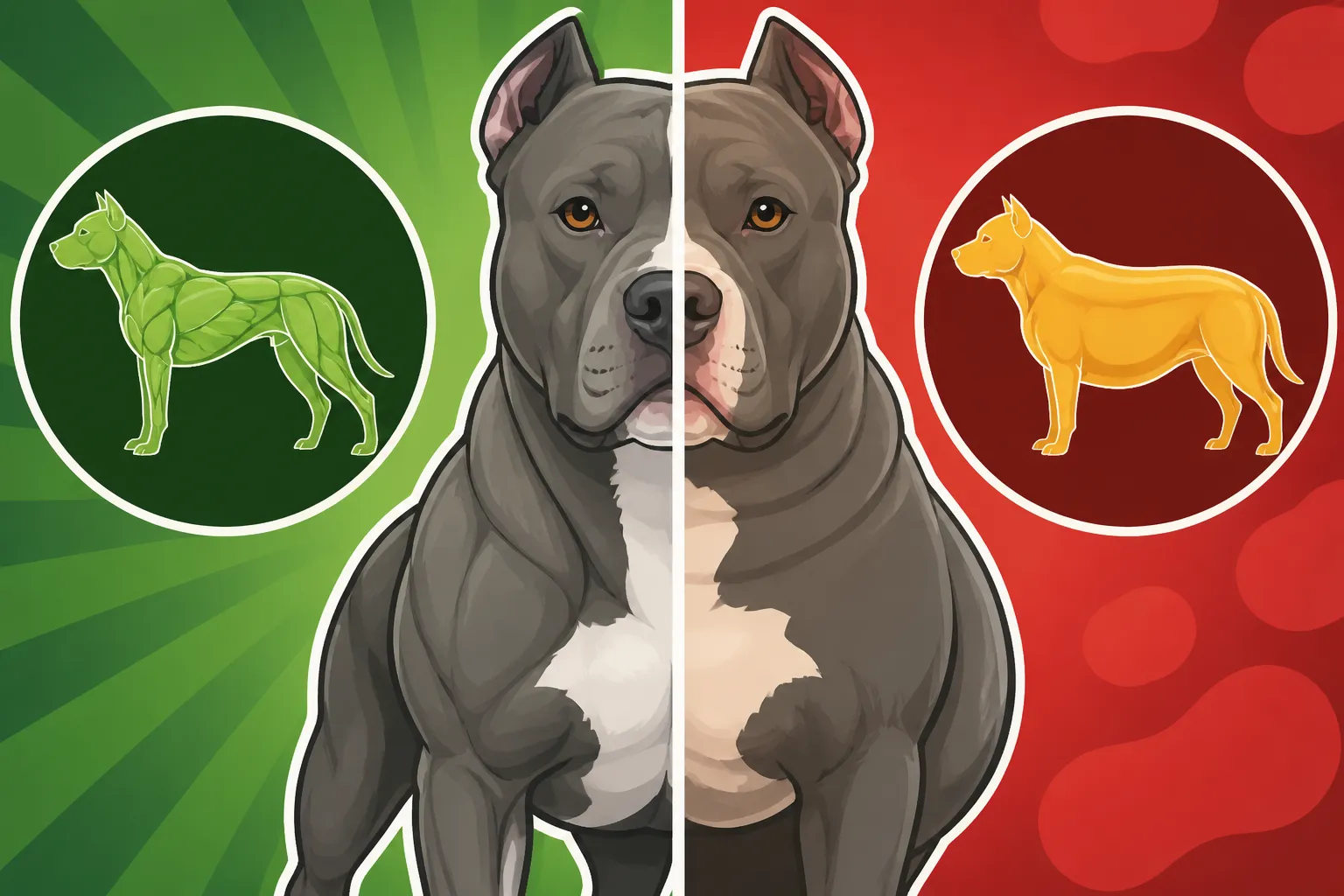
Pit Bulls, whether you're talking about an American Pit Bull Terrier, an American Staffordshire Terrier, or a Staffordshire Bull Terrier, are renowned for their powerful, athletic builds. They're typically stocky, broad-chested, and packed with muscle, which is fantastic for their strength and agility. However, this very characteristic can be a double-edged sword when it comes to assessing their weight. What looks like a solid, well-built dog might actually be carrying excess fat hidden beneath that impressive musculature.
Many owners, myself included, have fallen into the trap of thinking a slightly softer look is just "more muscle" or "just their build." But over time, those few extra pounds can add up, putting strain on their joints and impacting their overall health. Unlike leaner breeds where a little extra weight is immediately obvious, a Pit Bull can gain a significant amount of fat before it becomes visually apparent to the untrained eye. This is why a regular, hands-on approach to body condition scoring is so crucial for these powerful dogs. It’s not just about looking good; it’s about preventing long-term health issues that can shorten their vibrant lives.
Mastering the Hands-On Body Condition Check
When it comes to your Pit Bull's weight, the scale tells only part of the story. Muscle weighs more than fat, so a heavier Pit Bull isn't necessarily an overweight one if that weight is primarily muscle. The true secret lies in a hands-on assessment, getting tactile with your dog to feel what's going on beneath their skin and fur. This technique, often referred to as body condition scoring (BCS), is what vets use, and you can learn to do a simplified version at home.
Checking the Ribs
This is often the first and most critical step in assessing your Pit Bull's body fat. Your dog's ribs should be easy to feel, much like the knuckles on your hand when your palm is open and flat. Place both hands gently on your Pit Bull's chest, just behind their front legs, and slowly run your fingers along their sides. You should be able to distinguish each individual rib without having to press hard. If you can feel them easily with just light pressure, that's a good sign. If you have to press firmly to locate them, or if you can't feel them at all, your Pit Bull is likely carrying too much fat. On the flip side, if the ribs are extremely prominent and visible without touching, almost like the knuckles on a clenched fist, your dog might be underweight. Remember, we're aiming for that sweet spot where you feel them without them sticking out.
Palpating the Spine and Hip Bones
Next, move your hands to your Pit Bull's back, along their spine. Run your fingers gently from their shoulders down to the base of their tail. You should be able to feel the individual bumps of their vertebrae, but they shouldn't be sharply protruding. Like the ribs, if you have to dig to find them, there's likely too much fat covering them. If they're very obvious and sharp, your dog might be too thin. Similarly, feel for their hip bones (just in front of their tail) and the bones at the base of their tail. These should also be palpable but not overly prominent. A good analogy is feeling the back of your hand – you can feel the bones, but they are covered by a thin layer of flesh. If these areas feel like a plush pillow, it's time to consider a diet adjustment.
Assessing the Abdominal Tuck and Waistline
Now, let's talk about the "tummy tuck" and the waistline. These are key visual and tactile indicators. From the side, a healthy Pit Bull should have an obvious "tuck" in their abdomen, meaning their belly should ascend slightly from their rib cage to their hind legs, rather than hanging low or being flat. This abdominal tuck should be particularly noticeable when they're standing.
Then, from above, look down at your dog as they stand. You should be able to see a distinct waistline, an "hourglass" figure, where their body narrows slightly behind their rib cage before flaring out again at their hips. If your Pit Bull looks more like a sausage or a straight line from their chest to their tail, they are likely overweight. This lack of a defined waistline is often one of the first visual cues that excess fat is accumulating. It's a subtle change at first, but it makes a big difference in their overall silhouette. Sometimes, even with their strong muscle mass, a healthy Pit Bull will still show this waist. Getting a good sense of your dog's ideal shape can really help you stay on top of their body condition. For more details on maintaining this balance, check out our article on Pit Bull Weight and Muscle on a Working Frame.
Visual Cues and Behavioral Indicators
Beyond the hands-on feel, there are several visual cues and even behavioral changes that can signal whether your Pit Bull is carrying too much fat or is at a healthy weight. These observations, combined with your tactile assessment, provide a comprehensive picture.
Observing Your Pit Bull's Silhouette
As mentioned, observing your Pit Bull from different angles can be very telling. From above, you want that subtle hourglass shape. From the side, look for that gentle upward slope of the abdomen (the "tuck"). Their broad chest should transition smoothly into a narrower waist. Pay attention to how their neck and shoulders look too. In an overweight Pit Bull, you might notice a thicker neck, a fuller face, and rolls of fat around their shoulders or at the base of their tail. Sometimes, even their tail base can feel plump, or their gait might seem a bit stiffer due to the extra load.
Consider their posture: a healthy Pit Bull stands tall and proud, with an athletic stance. An overweight one might appear more sluggish, with a less defined posture. It's not always about a dramatic change; sometimes it's the subtle rounding of their once-sharp angles that gives it away.
Energy Levels and Mobility
One of the most telling signs that often goes unnoticed until it's significant is a change in energy levels and mobility. A Pit Bull at a healthy weight is typically bursting with energy, eager to play, run, and engage. They should move fluidly, without hesitation. If your Pit Bull seems less enthusiastic about walks, gets winded more easily, or struggles to jump into the car or onto the couch, these could be strong indicators of excess weight.
Overweight dogs often move less because moving is simply harder and more uncomfortable. This creates a vicious cycle where decreased activity leads to more weight gain. Pay attention during playtime: are they running as fast as they used to? Are they tiring out quicker than their usual playmates? Are they reluctant to go on that extra lap around the park? These behavioral shifts are not always just signs of aging; they can very often point to being overweight. Keeping a Pit Bull in lean condition also helps prevent issues like Pit Bull Joint and Ligament Injuries and can make their later years more comfortable if Arthritis in a Pit Bull at Seven does set in.
The Body Condition Score and When to Consult Your Vet
Understanding your Pit Bull's body condition is a continuous process, not a one-time check. While the hands-on test and visual cues are powerful tools for you, your veterinarian has an objective system, the Body Condition Score (BCS), and can provide invaluable professional guidance.
Understanding the Body Condition Score (BCS)
The BCS is a nine-point scale that veterinarians use to standardize the assessment of a dog's fat reserves. A score of 1 is emaciated, and 9 is morbidly obese, with 4.5-5 being the ideal. Your vet will use palpation and visual assessment, much like what we've discussed, but with their trained eye and experience.
Here’s a simplified breakdown:
| BCS Score | Description & Pit Bull Indicators |
|---|---|
| 1-3 (Underweight) | Ribs, spine, pelvic bones, and other bony prominences easily visible from a distance with no fat covering. Obvious abdominal tuck. Severe muscle loss. |
| 4-5 (Ideal) | Ribs easily felt with minimal fat covering. Waist easily noted when viewed from above. Abdominal tuck apparent. Muscle mass good. |
| 6-7 (Overweight) | Ribs palpable with slight difficulty; heavy fat cover. Waist discernible but not prominent. Abdominal tuck minimal or absent. Broad, flat back. |
| 8-9 (Obese) | Ribs not palpable without significant pressure. Heavy fat deposits over lumbar area, chest, and tail base. No waist. Abdominal tuck absent. Obvious distention of abdomen. |
An ideal score means your Pit Bull has enough fat for energy reserves but not so much that it impacts their health or mobility. A healthy Pit Bull should exhibit strong muscle definition, which can be seen and felt, along with a clear waist and abdominal tuck.
The Long-Term Dangers of Excess Weight
Even a few extra pounds on a Pit Bull can lead to significant health problems over their lifetime. Obesity is a common issue that can exacerbate or cause a range of conditions, including:
- Joint Problems: Increased stress on joints can worsen conditions like Pit Bull Hip Dysplasia Showing at One to Two Years and lead to premature arthritis. For a muscular breed like the Pit Bull, even a small amount of extra weight multiplies the load on their joints, as detailed in How Weight Multiplies the Load on Pit Bull Joints.
- Cardiovascular Disease: Excess fat puts a strain on the heart and lungs, potentially leading to heart disease.
- Diabetes: Overweight dogs are at a higher risk of developing insulin resistance and diabetes.
- Reduced Stamina: They'll have less energy for walks and play, which affects their quality of life.
- Increased Surgical Risk: Anesthesia and recovery are more complicated for obese pets.
- Decreased Lifespan: Studies consistently show that overweight pets tend to live shorter lives than their leaner counterparts.
If you're noticing any changes in your Pit Bull's body condition, energy levels, or simply want an expert opinion, don't hesitate to schedule a vet visit. Your vet can accurately assess your dog's BCS, discuss an appropriate diet plan, and recommend a safe exercise regimen to help them reach and maintain their ideal weight. This is especially important if you suspect Pit Bull Obesity and Joint Strain is becoming an issue. Regular check-ups are key, and having pet insurance from providers like Healthy Paws can provide peace of mind, covering unexpected costs if weight-related health issues arise. They understand that preventing these issues is crucial, but sometimes things happen despite our best efforts.
Implementing a Healthy Lifestyle
Once you've accurately assessed your Pit Bull, whether they're perfectly lean, slightly chunky, or a bit too thin, the next step is to adjust their lifestyle as needed. For dogs carrying extra weight, it's about a combination of diet and exercise. Start by meticulously measuring their food portions and gradually increasing their activity. Cutting back on high-calorie treats and opting for healthier alternatives can also make a huge difference. Our guide on The Calorie Target for a Lean Pit Bull offers practical advice on this front.
For an underweight Pit Bull, it's critical to rule out any underlying health issues with a vet visit first. Once they're cleared, a gradual increase in nutrient-dense food can help them put on healthy weight. Remember, any significant diet or exercise changes should always be discussed with your veterinarian to ensure they are safe and appropriate for your individual Pit Bull's needs. Getting them back into optimal condition is a journey, but a rewarding one, and we have more insights in Getting a Pit Bull Back Into Condition.
Disclaimer
This article is intended for informational purposes only and does not constitute veterinary advice. Always consult with a qualified veterinarian for any health concerns or before making any changes to your Pit Bull's diet, exercise, or medical care.