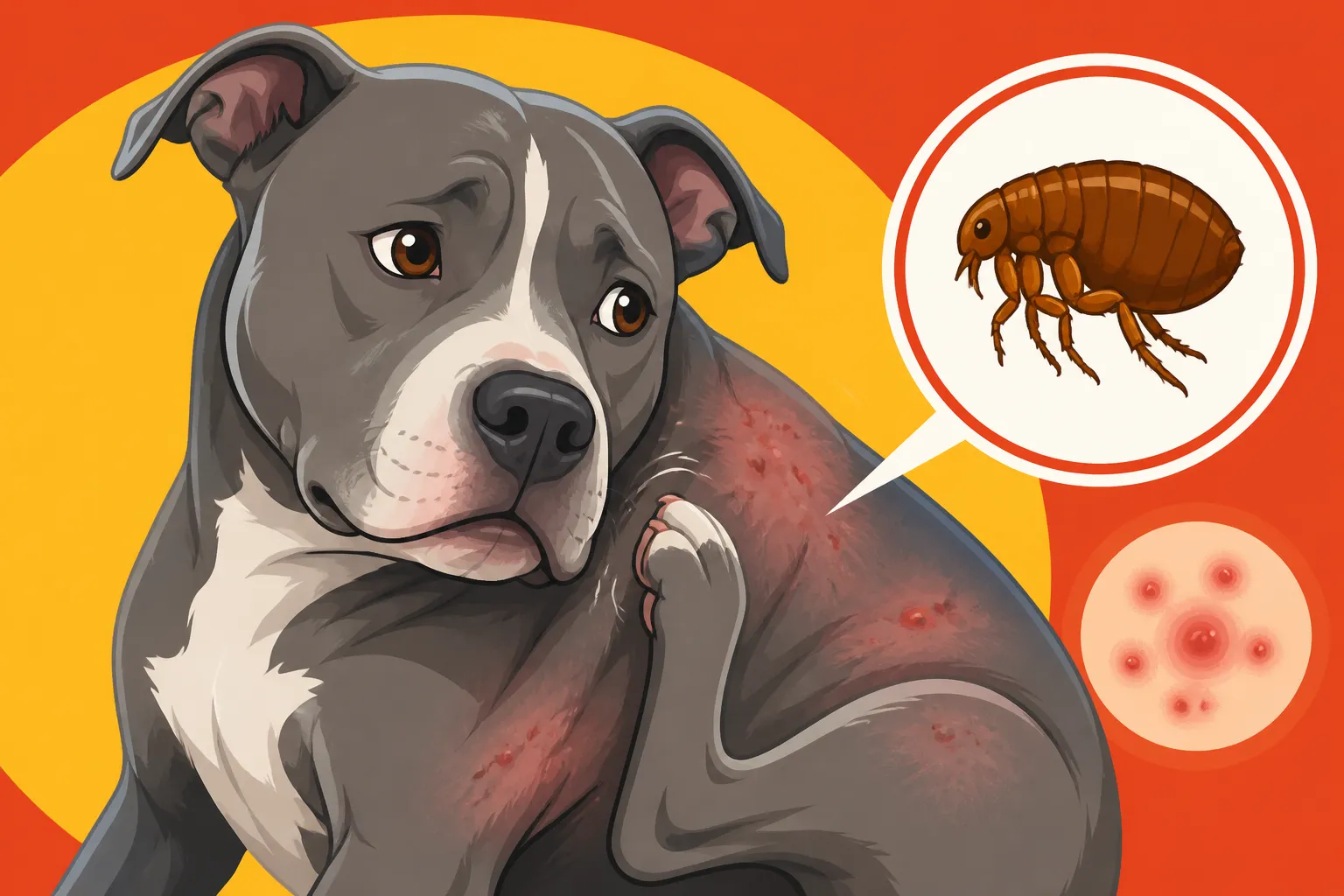
Flea Allergy Dermatitis in a Pit Bull
There’s almost nothing more disheartening than seeing your muscular, vibrant Pit Bull reduced to an itchy, miserable mess, scratching themselves raw despite your best efforts to keep them clean and healthy. You might be meticulously cleaning your home, giving baths, and still, that relentless itching persists, often making you wonder what on earth could be going on. This comprehensive guide is here to shed light on one of the most common, yet often misunderstood, culprits: flea allergy dermatitis, and how to help your beloved Pit Bull find relief.
Understanding Flea Allergy Dermatitis (FAD) in Pit Bulls
When your Pit Bull is constantly scratching, chewing, and licking their skin, it's easy to assume you have a massive flea infestation. However, with flea allergy dermatitis (FAD), the reality is often much more subtle and frustrating. It’s not necessarily about the number of fleas present; it’s about a severe allergic reaction to just one or two bites. This makes it a tricky condition to pinpoint, especially if you rarely see any actual fleas.
What Makes a Pit Bull Prone to Flea Allergies
Flea allergy dermatitis isn't just about a flea bite; it's an extreme immune response to proteins in flea saliva. When a flea bites your dog, it injects a tiny amount of saliva, and for an allergic dog, this saliva triggers a cascade of reactions. Their immune system goes into overdrive, treating this normally harmless protein as a major threat. This exaggerated response leads to intense itching, redness, and discomfort, far beyond what a non-allergic dog would experience from the same bite.
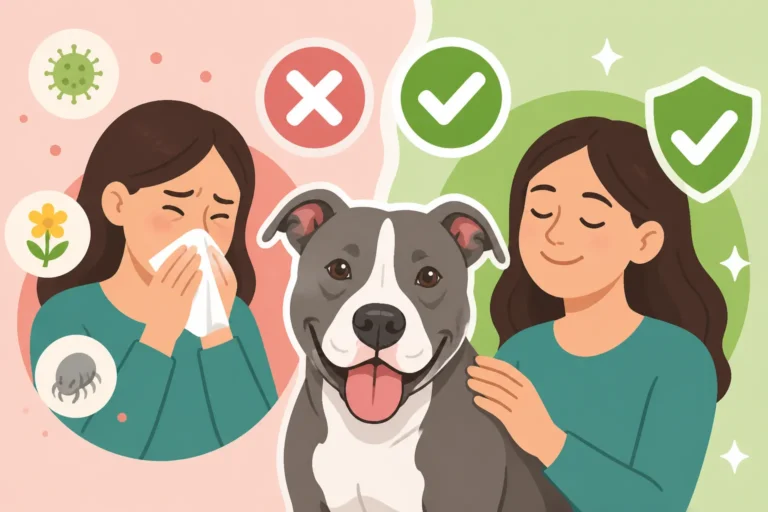
Pit Bulls, like many other breeds with a genetic predisposition to environmental allergies (atopy), can be particularly sensitive to these flea proteins. While atopy usually refers to allergies to things like pollen or dust mites, the underlying hypersensitivity of their immune system can also mean they react more severely to flea bites. This can make their experience with FAD even more intense and challenging to manage, often leading to a vicious cycle of itching and inflammation that seems impossible to break without intervention. Understanding this overactive immune response is the first step in effectively tackling the problem.
The Hidden Culprit: Flea Bites, Not Just Fleas
One of the biggest frustrations for Pit Bull owners dealing with FAD is the sheer difficulty in actually seeing fleas. You might comb through your dog's fur for ages, find nothing, and still, they're tearing at their skin. The truth is, for a dog with flea allergy dermatitis, it only takes a single flea bite to set off an intense allergic reaction that can last for days or even weeks. This means that a flea might jump on, take a bite, and then jump off your Pit Bull to continue its life cycle elsewhere in the environment, leaving behind a profoundly itchy dog but no visible evidence of its presence.
This "ghost flea" phenomenon is incredibly common. Fleas are tiny, fast-moving, and excellent at hiding within dense fur, especially on a muscular Pit Bull. Even a small, undetected flea population in your home or yard can wreak havoc on an allergic dog. Furthermore, while we often think of fleas as a warm-weather problem, modern indoor living means fleas can thrive year-round, regardless of the season. Central heating provides a consistent, cozy environment for fleas to breed, making year-round prevention absolutely critical, even if you live in a colder climate or don't let your dog outside often.
Recognizing the Signs and Symptoms of FAD
The signs of flea allergy dermatitis in a Pit Bull can sometimes be confused with other skin conditions, but there are some tell-tale indicators that can help you and your vet narrow down the cause. The key is often the location and intensity of the itching, coupled with other visible changes to the skin.
Where to Look for Itching and Irritation
When a Pit Bull has FAD, the itching is typically most intense around specific areas of their body, reflecting where fleas prefer to bite and hide. You'll often notice them obsessively scratching, licking, or chewing at the base of their tail, their inner thighs, groin, and belly. These are warm, protected spots that fleas find particularly appealing. Some dogs might even chew at their paws incessantly. If you find your Pit Bull incessantly at their feet, you might be dealing with Pit Bull Paw Licking and Chewing, which can be a sign of FAD or other allergies.
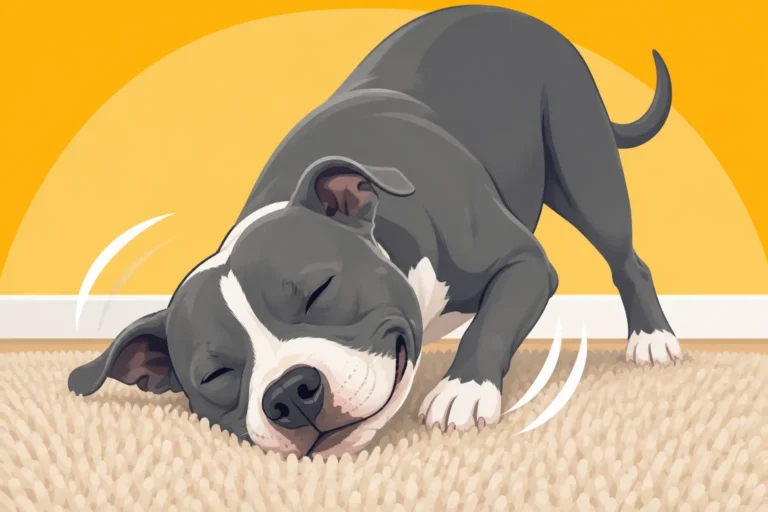
Beyond these classic spots, the itching can spread as your Pit Bull tries to relieve the discomfort. You might see them rubbing their back against furniture, scooting their rear end across the carpet, or even frantically grooming themselves. The intensity of this itching is usually disproportionate to the number of fleas you might find. Even if you spot only one or two tiny specks of flea dirt (flea feces, which looks like black pepper flakes) when combing, it’s enough to confirm FAD if your dog is showing these severe symptoms.
Secondary Skin Issues Caused by FAD
The constant scratching, licking, and chewing driven by FAD doesn't just make your Pit Bull uncomfortable; it inevitably leads to secondary skin problems that can be even more painful and require additional treatment. One common issue is the development of small red bumps, scabs, or widespread redness, often referred to as miliary dermatitis. The skin becomes inflamed and irritated, leading to hair loss in the affected areas as your dog literally pulls or rubs the fur out.
In chronic cases, where FAD has been an ongoing struggle, the skin can thicken and darken, taking on a leathery appearance. This is called lichenification. More concerning are the secondary bacterial (pyoderma) and yeast infections that frequently follow. When your Pit Bull breaks their skin barrier from constant scratching, bacteria and yeast living on the skin's surface can invade these open wounds, leading to a much more painful, smelly, and persistent infection. These infections often manifest as "hot spots"—raw, moist, rapidly spreading lesions that appear almost overnight. If you're seeing these, it's crucial to address Pit Bull Hot Spots and Secondary Infection promptly. Similarly, warm, moist skin folds, especially in their belly or armpits, are ripe for Yeast Infections in Pit Bull Skin Folds when skin is compromised by relentless scratching.
Diagnosing and Treating FAD in Your Pit Bull
Getting to the bottom of your Pit Bull's itchy skin requires a careful approach, often involving a bit of detective work from your veterinarian. Once diagnosed, a multi-pronged treatment plan is usually necessary to break the itch-scratch cycle and prevent future flare-ups.
The Vet's Approach to Confirmation
When you bring your intensely itchy Pit Bull to the vet, the first step will be a thorough physical examination. Your vet will look for the classic signs of FAD, focusing on the areas where fleas typically congregate and where the allergic reaction is most visible. They’ll be on the lookout for flea dirt, which is tiny black specks resembling ground pepper. If you put these specks on a wet paper towel, they'll turn reddish-brown, indicating digested blood from the flea. Even if they don't find live fleas, flea dirt is strong evidence of their recent presence.
Your vet will also take a detailed history, asking about your current flea control regimen, how consistent it is, and if other pets in the household are being treated. To rule out other common skin parasites that cause similar symptoms, such as mites, your vet may perform skin scrapings. These simple tests involve gently scraping a small area of skin with a blade and examining the sample under a microscope. This is particularly important for differentiating FAD from conditions like Demodex mange, which can look similar. Understanding Skin Scrapings That Confirm Pit Bull Mange and Telling Demodex From an Allergy in a Pit Bull can save a lot of worry and ensure the right treatment. Often, the definitive "diagnosis" for FAD is a diagnostic treatment: placing your Pit Bull on a strict, high-quality, year-round flea preventative for 6-8 weeks. If the symptoms resolve, FAD was almost certainly the culprit.
Immediate Relief and Breaking the Itch-Scratch Cycle
Once FAD is suspected or confirmed, the immediate goal is to provide your Pit Bull with relief and stop the relentless itching that's causing so much distress. This means breaking the itch-scratch cycle that perpetuates skin damage and secondary infections. Your vet might prescribe corticosteroids, either as oral pills or an injectable form, to quickly reduce inflammation and intense itching. While effective for short-term relief, long-term use of corticosteroids isn't ideal due to potential side effects.
Antihistamines are another option, though they are often less effective for the severe itching associated with FAD compared to other types of allergies. If secondary bacterial or yeast infections have taken hold from all the scratching, your Pit Bull will likely need a course of antibiotics or antifungals to clear these up. Medicated baths can also be incredibly soothing, helping to remove allergens from the skin, reduce inflammation, and treat surface infections. Learning about Medicated Baths for a Pit Bull With Atopy can be a game-changer for managing acute flare-ups. Newer medications, like Apoquel (oral tablet) and Cytopoint (injectable), specifically target the itch pathway in allergic dogs, offering excellent relief with fewer side effects than traditional steroids. These can be particularly helpful for managing the intense itching while you implement a robust flea control plan. For more on these options, read our guide on Apoquel and Cytopoint for an Itchy Pit Bull.
Long-Term Management and Prevention of Flea Allergies
The key to successfully managing flea allergy dermatitis in your Pit Bull isn't just about treating the flare-ups; it's about rigorous, consistent, and year-round prevention. This proactive approach will save your dog immense discomfort and you a lot of heartache and vet bills.
Choosing the Right Year-Round Flea Prevention
For a Pit Bull with FAD, flea prevention isn't optional; it's absolutely essential, 365 days a year. Even if you don't see fleas, even if it's winter, even if your dog is mostly indoors – fleas are tenacious, and that one bite can send your dog into a miserable spiral. You need to choose a high-quality preventative that effectively kills fleas, ideally before they even have a chance to bite. There are several excellent options on the market, each with its own advantages.
Oral tablets like Bravecto, NexGard, or Simparica are very popular because they are easy to administer, highly effective, and aren't affected by bathing or swimming. Topical spot-ons such as Frontline or Advantage II are applied to the skin and absorbed, providing protection. Flea collars, like Seresto, offer another convenient option, slowly releasing active ingredients over several months. It's crucial to discuss with your vet which product is best suited for your Pit Bull's lifestyle, potential drug interactions, and the specific flea prevalence in your area. Remember, you must treat all pets in the household, including cats, even if they aren't showing symptoms. Untreated pets act as a reservoir for fleas, constantly re-infesting your allergic Pit Bull. For a deep dive into comprehensive protection, check out Year-Round Parasite Cover for a Pit Bull.
Environmental Control and Home Management
Flea prevention extends beyond just treating your dog; it also means tackling the environment where fleas live and breed. Fleas spend only a small portion of their life cycle on your pet; the rest of the time, they are in your home as eggs, larvae, and pupae. Regular, thorough vacuuming is your best friend here. Focus on carpets, rugs, upholstery, and especially any areas where your Pit Bull spends a lot of time, like their bed. The vibrations from the vacuum can also encourage pupae to hatch, making them susceptible to your chosen preventative.
Wash all pet bedding in hot water at least once a week. For severe infestations, you might need to consider treating your home directly with a veterinarian-approved environmental spray or fogger. These products typically contain an adulticide to kill adult fleas and an insect growth regulator (IGR) to prevent eggs and larvae from developing. Always follow product instructions carefully and ensure proper ventilation, keeping pets and people away from treated areas until dry. In truly stubborn cases, professional pest control might be necessary. While prevention is key, remember that unexpected flare-ups or persistent infestations can lead to significant vet bills. Having robust pet insurance, like a plan from Healthy Paws, can really make a difference, helping you manage these unforeseen costs without compromising your Pit Bull's care.
Supporting Your Pit Bull's Skin Health
Beyond strict flea control, you can further support your Pit Bull's skin health to help them be more resilient against allergens and recover faster from any irritation. Omega fatty acid supplements, particularly those rich in EPA and DHA, can do wonders for skin barrier function and reduce inflammation. Many dog owners report a shinier coat and less dryness when using these consistently.
While FAD is distinct from food allergies, providing a high-quality, balanced diet is always beneficial for overall health, including skin and coat condition. Good nutrition provides the building blocks for healthy skin, making it less susceptible to irritation. Regular grooming, even for a short-coated Pit Bull, is also important. Brushing helps distribute natural oils and allows you to perform routine skin checks for any early signs of irritation or secondary issues. If your Pit Bull is prone to environmental allergies in general, which often overlaps with FAD, our guide on Pit Bull Skin Allergies and the Atopy Pattern provides additional strategies. Furthermore, learning about Omega Oils for Pit Bull Skin and Coat can guide you in choosing the best supplements. Remember, managing chronic conditions like FAD or other allergies can be an ongoing expense; factoring in the costs, as outlined in What a Pit Bull Costs a Year With Allergies, including potential support from pet insurance providers like Healthy Paws, can help ensure your furry friend gets the best care possible.
Here's a quick comparison of common flea prevention methods:
| Prevention Method | Pros | Cons | Application Frequency | Key Considerations |
|---|---|---|---|---|
| Oral Tablets | Highly effective, no residue, safe for water exposure, kills fleas quickly, often covers ticks. | Requires pet to ingest, some may have mild GI upset, prescription often needed. | Monthly (some quarterly) | Excellent for dogs that swim or have skin sensitivities. |
| Topical Spot-Ons | Easy to apply, no pill struggles, some offer broad-spectrum parasite protection. | Can leave residue, may not be effective if bathed too soon after application, potential for skin irritation. | Monthly | Apply to skin, not fur; keep other pets from licking. |
| Flea Collars | Long-lasting protection (several months), no daily/monthly dose to remember, often covers ticks. | May not be effective for severe infestations, skin irritation under collar, not all brands are equal. | Up to 8 months | Ensure snug fit but comfortable; check skin regularly. |
Disclaimer
The information provided in this article is for general informational purposes only and is not intended as a substitute for professional veterinary advice. Always seek the advice of your veterinarian or other qualified health provider with any questions you may have regarding a medical condition or treatment for your Pit Bull.