The Bloodwork an Old Pit Bull Should Have
As our beloved Pit Bulls start to gray around the muzzle, many of us find ourselves worrying more about their health. It's tough to see them slow down, and even tougher to know if what you're seeing is just "old age" or something more serious brewing underneath. One of the most proactive steps we can take for our senior Pit Bulls is regular bloodwork, offering a vital window into their internal health long before obvious symptoms might appear. This guide will walk you through what specific blood tests are typically recommended, why they matter so much, and what you can learn from those crucial results.
Why Annual Bloodwork Becomes Critical for Senior Pit Bulls
It's a common dilemma: your Pit Bull seems a little stiffer, maybe a bit more tired, but otherwise, they're still eating and wagging their tail. You wonder if it's just the natural progression of age. And while some changes are indeed normal, many serious health issues in older dogs can be insidious, developing silently for months or even years before they manifest in ways we can easily spot. This is where routine bloodwork for your senior Pit Bull becomes not just recommended, but absolutely critical.
Think of it like this: your Pit Bull can't tell you they have early-stage kidney disease or that their thyroid is starting to falter. They're masters at masking discomfort, a trait rooted in their ancestral survival instincts. By the time they're showing clear signs like significant weight loss, excessive thirst, or a dull coat, the condition might already be quite advanced. Blood tests, however, can catch these subtle shifts in organ function, blood cell counts, and metabolic markers much earlier. Catching issues early means more effective treatment options, a better prognosis, and ultimately, more quality time with your best friend. It gives you a head start, transforming what could be a crisis into a manageable health concern.
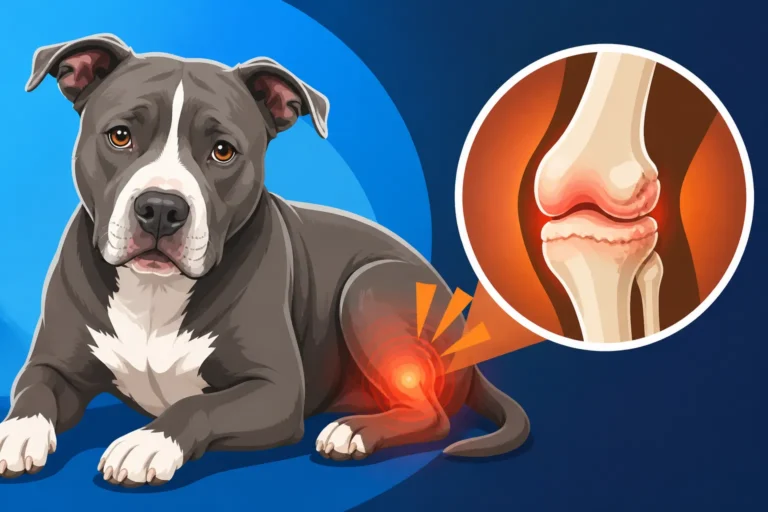
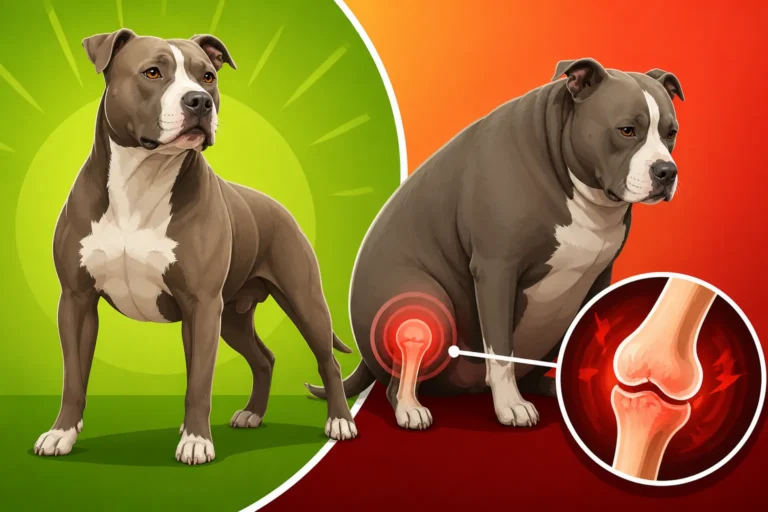
Moreover, senior Pit Bulls, especially those with their characteristic powerful builds, can put immense strain on their joints over the years. Conditions like Pit Bull Hip Dysplasia Showing at One to Two Years or general Arthritis in a Pit Bull at Seven can lead to changes in activity levels, which can also influence their internal health. Regular bloodwork helps your veterinarian tailor a care plan that addresses both their visible physical changes and their hidden internal workings, ensuring a truly holistic approach to their golden years. It's about staying one step ahead, being proactive rather than reactive, and giving your loyal companion the best chance at a comfortable, extended life.
Key Blood Tests for Your Aging Pit Bull and What They Reveal
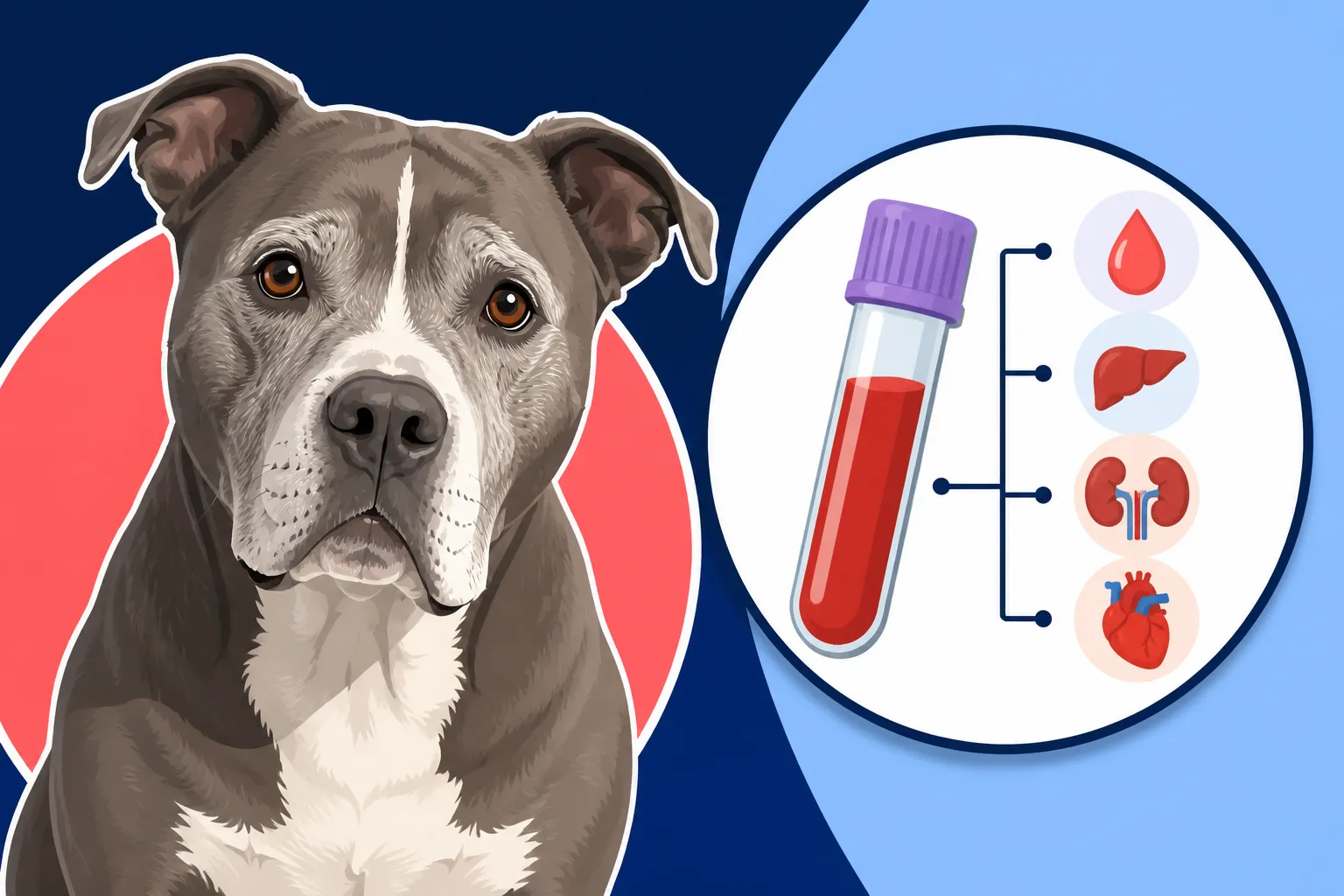
When your vet recommends "senior bloodwork," they're usually talking about a comprehensive panel that goes beyond the basic checks a younger dog might get. This panel is designed to flag common age-related conditions that can seriously impact your Pit Bull's health. Understanding what each component is looking for can help you feel more informed and involved in your dog's care.
Complete Blood Count CBC
The Complete Blood Count, or CBC, gives your vet a detailed look at the cells circulating in your Pit Bull's blood. This includes red blood cells, white blood cells, and platelets. Red blood cells are crucial for carrying oxygen throughout the body, and abnormalities here could indicate anemia, which can be a sign of many underlying issues, including chronic disease, internal bleeding, or even certain types of cancer. If your Pit Bull seems to be losing energy or is more pale than usual, the CBC can often shed light on why.
White blood cells are the body's defense system. An elevated count can point to infection or inflammation, while unusually low counts could suggest a compromised immune system or certain viral diseases. Platelets, on the other hand, are essential for blood clotting. Low platelet counts can be a serious concern, especially if your senior Pit Bull is prone to bruising or has a condition that affects clotting. For a breed known for its robust nature, issues in these basic blood components can often be an early warning for more significant health challenges, such as those discussed in Cancers That Show Up in an Older Pit Bull. This initial screen is fundamental for identifying systemic problems.
Comprehensive Chemistry Panel
This panel is a powerhouse for assessing organ function and metabolic health. It includes a range of tests that measure enzymes, proteins, electrolytes, and other chemical substances in the blood. Key indicators here include:
- Kidney Function (BUN and Creatinine): These levels reveal how well your Pit Bull's kidneys are filtering waste from the blood. Elevated levels are often the first sign of kidney disease, which is unfortunately common in older dogs. Early detection allows for dietary changes and medications that can slow the disease's progression and improve your dog's quality of life significantly.
- Liver Enzymes (ALT, ALP, GGT): These enzymes, when elevated, can indicate liver damage, inflammation, or disease. Liver issues can stem from various causes, including infections, toxins, or other systemic illnesses. Since the liver plays a vital role in metabolism and detoxification, monitoring these values is essential for a senior Pit Bull.
- Blood Glucose: This measures sugar levels in the blood. High glucose levels can signal diabetes, a condition that becomes more prevalent as dogs age. Diabetes requires careful management but is often treatable, especially when caught early.
- Proteins (Albumin, Globulin): These levels can give clues about hydration, liver function, kidney function, and even inflammation or immune system activity. For instance, low albumin can indicate issues with the liver or kidneys, or even malnutrition.
Thyroid Hormone Levels
Thyroid conditions are particularly common in senior dogs, and Pit Bulls are no exception. Hypothyroidism, where the thyroid gland doesn't produce enough hormones, can lead to a host of symptoms that are easily mistaken for "just old age." These can include unexplained weight gain, lethargy, a dull or thinning coat, and even skin issues. A simple blood test, typically measuring Total T4 (Thyroxine), can diagnose this condition.
If your vet suspects a problem, they might recommend a more comprehensive thyroid panel, as discussed in When a Pit Bull Thyroid Panel Is Worth Running. This can include TSH (Thyroid Stimulating Hormone) and Free T4 to get a clearer picture. Hypothyroidism is thankfully very manageable with daily medication, and seeing a lethargic, overweight Pit Bull transform back into a more energetic version of themselves after starting treatment is incredibly rewarding. It’s a truly impactful part of routine senior bloodwork that can significantly improve their comfort and vitality.
Urinalysis
While not strictly bloodwork, a urinalysis is almost always performed alongside senior blood tests because it provides complementary information, especially regarding kidney and urinary tract health. It checks for signs of infection, inflammation, kidney disease, and diabetes by looking at the concentration of urine, presence of protein, glucose, blood, and other components. An abnormal urinalysis often guides further investigation, sometimes even more effectively than bloodwork alone in the early stages of kidney issues.
Here's a quick summary of what these tests can reveal:
| Blood Test Component | What it Measures/Assesses | Potential Issues if Abnormal (Senior Pit Bull) |
|---|---|---|
| Complete Blood Count (CBC) | Red Blood Cells, White Blood Cells, Platelets | Anemia, Infection, Inflammation, Bleeding Disorders, Cancers |
| BUN / Creatinine | Kidney Function | Kidney Disease, Dehydration |
| ALT / ALP | Liver Enzymes | Liver Disease, Damage, or Dysfunction |
| Blood Glucose | Blood Sugar Levels | Diabetes |
| Albumin / Globulin | Protein Levels | Liver Disease, Kidney Disease, Inflammation, Malnutrition |
| Total T4 | Thyroid Hormone Levels | Hypothyroidism (Underactive Thyroid) |
| Electrolytes | Sodium, Potassium, Chloride (Fluid & Nerve Balance) | Dehydration, Kidney Disease, Adrenal Issues |
Interpreting the Results and Next Steps for an Older Pit Bull
Getting those bloodwork results back can sometimes feel like reading a foreign language, full of acronyms and numbers. But don't worry, your vet is there to translate. They'll look at the big picture, considering your Pit Bull's age, breed, physical exam findings, and any symptoms you've noticed. A single slightly elevated value doesn't automatically mean disaster, but it does mean a conversation and possibly further investigation.
Understanding "Normal" for a Senior
What's considered "normal" can sometimes have a broader range for a senior Pit Bull than for a puppy. For instance, a slight increase in kidney values might be expected in a very old dog, but a significant jump would be cause for concern. Your vet will compare your dog's results not just to general reference ranges, but also to their previous bloodwork if available. This trend analysis is incredibly valuable. If a value has been slowly creeping up over several years, it tells a different story than a sudden spike.
Sometimes, seemingly minor changes can point to bigger things. A Pit Bull Gaining Weight on the Same Food could be a sign of a slowing metabolism due to an underactive thyroid, which bloodwork can confirm. Or, perhaps, a subtle electrolyte imbalance could indicate early stages of a hormonal issue. This is why regular testing is so powerful – it establishes a baseline and allows for early detection of subtle shifts.
What to Do When Results Are Abnormal
If your Pit Bull's bloodwork reveals something abnormal, the next steps depend entirely on the specific findings.
- Repeat Testing: Sometimes, a single abnormal result might be an anomaly due to stress, a slight dehydration, or even a lab error. Your vet might recommend re-testing in a few weeks or months to see if the value normalizes or if the trend continues.
- Further Diagnostics: Depending on the abnormality, your vet might suggest additional tests. For example, if kidney values are high, they might recommend a urine protein-to-creatinine ratio (UPC) to assess protein loss, or an abdominal ultrasound to visualize the kidneys. If liver enzymes are elevated, an ultrasound or even a liver biopsy might be considered. For heart concerns like those mentioned in A Heart Murmur Heard at a Pit Bull Checkup, a cardiac workup, including an echocardiogram, would be the next step.
- Treatment Plan: For many conditions, like hypothyroidism or early kidney disease, dietary changes and medication can be started quickly. These interventions can make a huge difference in slowing disease progression and improving your Pit Bull's comfort. For instance, a dog with hypothyroidism will likely need lifelong thyroid hormone replacement.
- Monitoring: Even if no immediate treatment is needed, abnormal results often mean more frequent monitoring. This could involve repeating specific blood tests every few months to track the progression of a condition.
Navigating these potential health concerns can feel overwhelming, especially when unexpected costs pop up. This is where pet insurance can really be a lifeline. Companies like Healthy Paws, for example, offer comprehensive coverage that can help ease the financial burden of diagnostics, medications, and ongoing treatments for chronic conditions identified through bloodwork. It's definitely something to consider for senior Pit Bulls, as those routine checks can quickly lead to more involved care.
Beyond Bloodwork: Comprehensive Senior Pit Bull Care
While bloodwork is an incredibly powerful tool, it's just one piece of the puzzle when it comes to caring for an aging Pit Bull. A holistic approach ensures your senior companion enjoys the highest possible quality of life during their golden years.
Regular Physical Exams and Observation
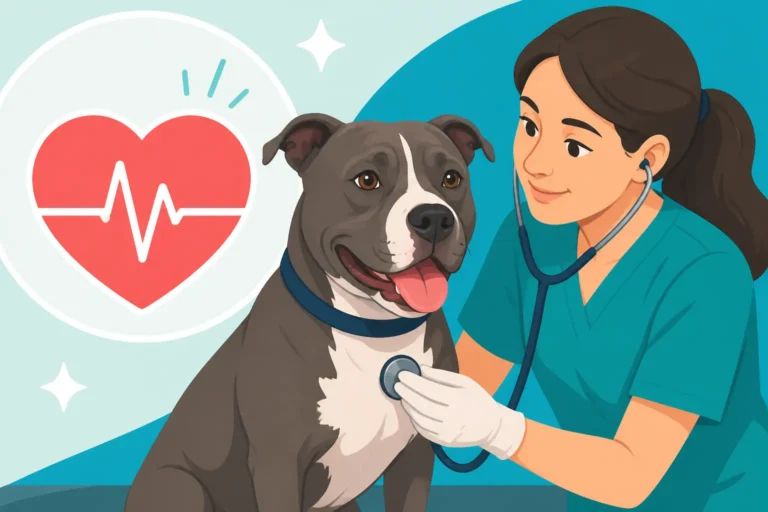
Even with perfect blood results, nothing replaces a thorough physical exam by your veterinarian. During these exams, your vet will check for lumps and bumps, assess joint mobility, listen to their heart and lungs (especially important given the possibility of Heart Disease in a Pit Bull), check their teeth, and generally evaluate their overall condition. These exams are often recommended every six months for senior dogs, because so much can change quickly.
As an owner, your daily observation is priceless. You know your Pit Bull best. Are they a little slower to get up in the morning? Is their appetite changing? Are they drinking more water than usual? Have you noticed A Pit Bull Confused in Rooms It Knows? These subtle changes are often the first indicators that something isn't quite right. Keep a journal of any changes you notice, no matter how small, and share them with your vet. This combined perspective, yours and the vet's, gives the most complete picture.
Nutrition and Weight Management
As Pit Bulls age, their metabolism often slows down, making them prone to weight gain, which can exacerbate joint issues and other health problems. Conversely, unexplained weight loss can be a red flag. Adjusting their diet to a senior-specific formula that's lower in calories but still provides adequate protein and joint support can be beneficial. It's crucial to regularly assess your Pit Bull Weight and Muscle on a Working Frame to ensure they maintain a lean body condition.
Supplements like glucosamine and chondroitin, or omega-3 fatty acids, can also support joint health and reduce inflammation, complementing the insights gained from bloodwork. Always discuss any dietary changes or supplements with your vet to ensure they're appropriate for your individual Pit Bull's needs, especially if their bloodwork has flagged specific organ concerns. Proper nutrition is the foundation of senior health, working hand-in-hand with medical interventions.
Maintaining Activity and Mental Stimulation
While intense exercise might be a thing of the past, keeping your senior Pit Bull moderately active is still incredibly important for both their physical and mental well-being. Short, gentle walks, easy swimming sessions, or even indoor puzzle toys can help maintain muscle mass, keep joints mobile, and prevent boredom. This also helps prevent conditions like Pit Bull Obesity and Joint Strain.
Mental stimulation is just as vital for a Caring for a Pit Bull in Its Second Decade. Scent games, softer chew toys, or even just spending quiet time together can keep their minds sharp and their spirits high. Remember, their world might be shrinking, but their need for connection and engagement remains. Adapting activities to their current capabilities ensures they remain happy and comfortable.
Caring for an older Pit Bull is a journey filled with love, patience, and vigilance. Regular bloodwork is a cornerstone of this care, providing the insights needed to address health challenges early and effectively. Combine this with attentive observation, appropriate nutrition, and continued gentle activity, and you'll be giving your loyal companion the very best shot at a long, comfortable, and happy retirement. Many owners find peace of mind knowing they're doing everything they can, and having pet insurance like Healthy Paws in place can certainly help alleviate concerns about the financial aspect of this dedicated care.
Disclaimer
This article is intended for informational purposes only and is not a substitute for professional veterinary advice, diagnosis, or treatment. Always seek the advice of your veterinarian or other qualified health provider with any questions you may have regarding a medical condition. Never disregard professional veterinary advice or delay in seeking it because of something you have read in this article.