The Exclusions Written Into a Pit Bull Policy
The struggle to find comprehensive pet insurance for your beloved Pit Bull is a frustration many of us face, feeling like our dogs are unfairly singled out. It's not just about finding any policy; it's about navigating a maze of specific exclusions that can leave you financially vulnerable when your pup needs care most. This guide is here to shed light on those common exclusions written into Pit Bull pet insurance policies and offer realistic advice on how to best prepare for your dog's future health needs.
Understanding Breed-Specific Exclusions in Pet Insurance
Many Pit Bull owners hit a wall when trying to secure pet insurance, and it's often due to blanket breed restrictions. It feels incredibly unfair when your sweet, goofy companion is labeled solely by its appearance or a broad term. Insurers, unfortunately, often operate on actuarial data and perceived risk, which can lead to frustrating exclusions for certain breeds, including our Pits. It's a real headache trying to prove your dog is an individual when the system is set up to categorize.
The "Pit Bull" Label and How Insurers Use It
The term "Pit Bull" itself is a huge part of the problem. It's not a single breed recognized by all major kennel clubs, but rather a catch-all term that lumps together several distinct breeds, and often, even mixed-breed dogs that simply share similar physical characteristics. Insurance companies don't always differentiate between an American Pit Bull Terrier, an American Staffordshire Terrier, or a Staffordshire Bull Terrier. Sometimes, even a boxer mix or a lab mix with a blocky head might get tagged with the "Pit Bull type" label, leading to similar exclusions. This ambiguity creates a lot of stress and confusion for owners who just want to do right by their dogs. You might be perfectly clear on your dog's lineage, but the insurer's definition is what ultimately counts.
It’s disheartening to encounter this kind of blanket judgment. You might have a registered American Pit Bull Terrier from a reputable breeder with excellent health and temperament, yet face the same hurdles as someone with a dog whose lineage is unknown, simply because of that "Pit Bull" designation. This is where researching insurers becomes crucial, as some have more enlightened policies than others. For example, some progressive insurers are moving towards evaluating individual dogs rather than applying sweeping breed bans, recognizing that temperament and training are far more influential than breed alone. This shift, however, is slow, and many traditional policies still rely on these broad classifications. For more on this, you might explore Why Pit Bull Is a Type and Not a Breed.
Common Breeds Often Categorized as Pit Bulls
When an insurance policy mentions "Pit Bull," it's usually referring to a group of breeds. The most common ones included under this umbrella are the American Pit Bull Terrier (often recognized by the United Kennel Club, or UKC), the American Staffordshire Terrier (recognized by the American Kennel Club, or AKC), and sometimes the Staffordshire Bull Terrier. You might also find other similar breeds, like the American Bully, being grouped into this category by insurers.
The unfortunate reality is that if your dog visually resembles these breeds, regardless of its actual genetic makeup, it could be subject to these exclusions. This is particularly true for rescue dogs where breed identification is often based on visual assessment rather than DNA. Even if you've done a Which DNA Panel Tells You If It Is a Pit Bull and can prove your dog is, say, mostly Labrador and only a small percentage American Staffordshire Terrier, some insurers might still apply restrictions if the visual appearance leans towards the "Pit Bull type." It's a frustrating Catch-22 that leaves many owners feeling helpless, especially since visual identification of breed is notoriously inaccurate.
Why Certain Breeds Face Exclusion
The rationale behind breed-specific exclusions, whether for home insurance or pet insurance, largely stems from perceived risks. Historically, certain breeds, including Pit Bulls, have been associated with a higher incidence of bite claims, largely amplified by media portrayal and breed-specific legislation. While responsible owners and advocates argue tirelessly that individual training, socialization, and responsible ownership are far more important than breed, insurers often rely on aggregated statistics. They see a higher potential for liability, and for pet health insurance, a perceived higher risk of specific health conditions or injuries that they believe are more common in these breeds.
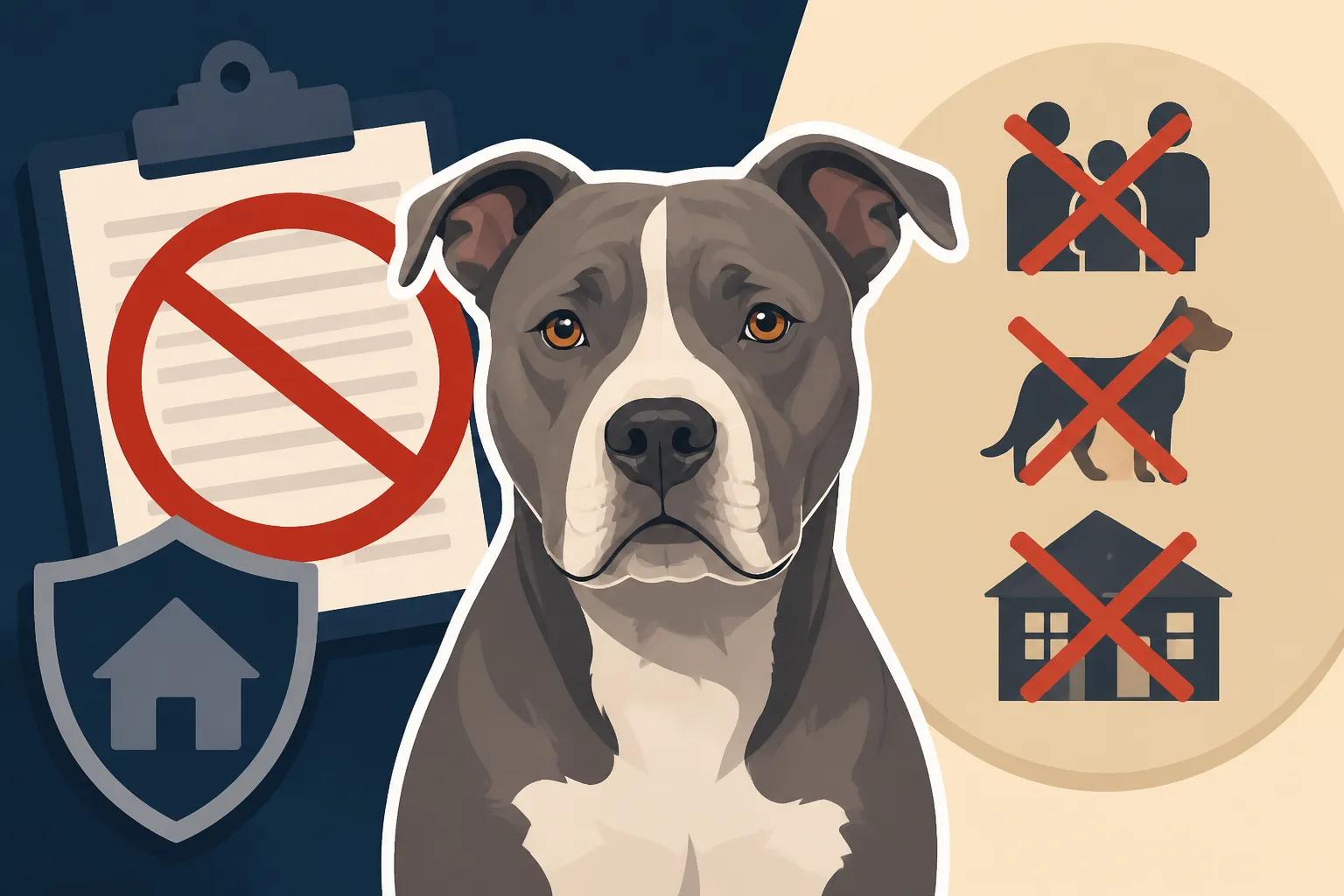
It’s important to understand that this isn't necessarily a judgment on your dog's character, but a cold, hard business decision based on data—data that many of us would argue is flawed or unfairly interpreted. These exclusions can manifest in several ways: outright refusal of coverage, higher premiums, limited coverage amounts, or specific clauses that deny claims related to certain types of injuries (like those sustained in dog-on-dog incidents). This is why delving into Pit Bull Pet Insurance and Breed Exclusions is such a critical topic, and why thorough research into each provider's specific terms and conditions is absolutely non-negotiable before committing to a policy.
Pre-Existing Conditions: The Biggest Hurdle
Even if you find an insurer willing to cover your Pit Bull, the next major hurdle you'll encounter is the exclusion of pre-existing conditions. This isn't unique to Pit Bulls, but it becomes particularly pertinent when you consider their common health predispositions and how quickly an issue can arise. Owners often don't think about pet insurance until a problem surfaces, but by then, it's often too late for that specific issue to be covered. It's a classic case of needing it before you really need it, and it can be a devastating realization when you're hit with an unexpected vet bill.
Defining "Pre-Existing" for Pit Bulls
A pre-existing condition is generally defined as any illness or injury that your pet had before the coverage started, or before the end of any waiting period. This definition can sometimes be frustratingly broad. It doesn't necessarily mean a condition had to be formally diagnosed by a vet; sometimes, just the symptoms being present or observed by you, the owner, can be enough for an insurer to label it pre-existing. For instance, if your Pit Bull was scratching at its ears and you mentioned it to the vet a week before your policy started, even if there was no official diagnosis of an ear infection, a subsequent claim for ear issues might be denied.
Some policies differentiate between "curable" and "incurable" pre-existing conditions. A curable condition, like a one-time ear infection, might become eligible for coverage if your dog remains symptom-free for a certain period (e.g., 6 or 12 months). However, incurable or chronic conditions, such as severe allergies or hip dysplasia, will almost always be excluded for the lifetime of the policy if they manifested before coverage began. This means if your Pit Bull already has a history of Pit Bull Skin Allergies and the Atopy Pattern, any future treatment for that specific condition, or related issues, will likely not be covered. Always read the fine print on how each insurer defines and handles pre-existing conditions, as this is where many claims disputes arise.
Chronic Issues Common in Pit Bulls and Their Impact
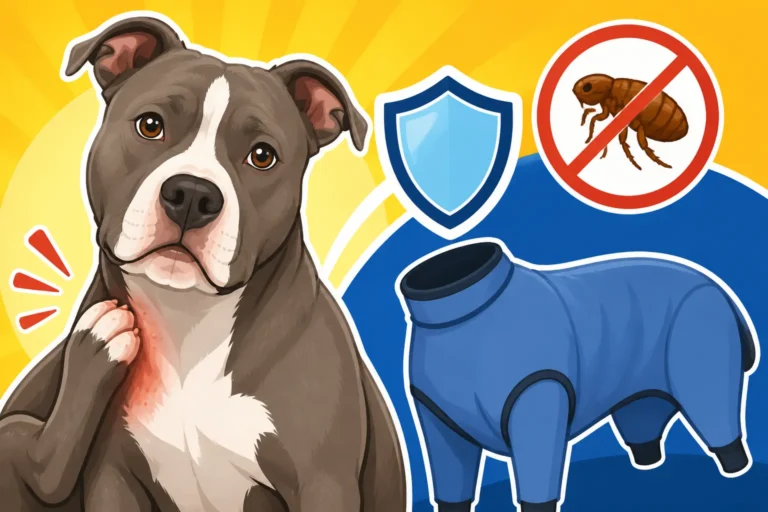
Pit Bulls, like many breeds, are prone to certain chronic health issues that can become expensive if not covered. Skin allergies are incredibly common. Imagine your pup constantly itching, chewing at their paws, or developing hot spots. If these symptoms were noted in their vet records before your policy was active, even minor flare-ups or ongoing medication might be considered pre-existing. This can quickly add up, as ongoing allergy management, from special diets (like those offered by Ollie for sensitive stomachs) to medications, can be a significant recurring cost. This is why Pit Bull Allergy Treatment as a Recurring Bill is such a concern for owners.
Another big one is orthopedic issues. Pit Bulls are powerful, athletic dogs, and they can be susceptible to conditions like hip dysplasia or knee injuries. If your dog showed even subtle limping or stiffness before you got insurance, these conditions could be deemed pre-existing. The impact on your wallet can be immense, as surgeries for conditions like Cruciate Ligament Tears in a Muscular Pit Bull can run into thousands of dollars. It really underscores the importance of getting pet insurance when your dog is young and healthy, ideally before any vet visits that might document even minor concerns.
Waiting Periods and Their Role
Beyond the pre-existing condition clause, nearly all pet insurance policies have waiting periods. These are specific lengths of time from your policy's start date during which certain conditions are not covered. Waiting periods typically vary:
- Accidents: Often the shortest, ranging from 24 hours to a few days.
- Illnesses: Usually longer, around 14-30 days.
- Orthopedic Conditions: These can have the longest waiting periods, sometimes 6 months or even a year, specifically for conditions like hip or elbow dysplasia, or cruciate ligament issues. This is because these conditions can develop slowly, and insurers want to ensure they aren't insuring an already existing problem that hasn't been formally diagnosed yet.
If your Pit Bull develops symptoms or is diagnosed with a condition during a waiting period, it will almost certainly be considered pre-existing and excluded from coverage, even if you just started the policy. This is why it's so critical to get your policy in place well in advance of any potential health concerns. A responsible company like Healthy Paws will clearly outline their waiting periods, so you know exactly what to expect. Planning ahead is the best defense against these frustrating policy limitations.
Hereditary and Congenital Conditions Often Excluded or Limited
While not always an outright exclusion, many pet insurance policies place significant limitations or exclusions on hereditary and congenital conditions, which are conditions passed down through genetics or present from birth. For Pit Bulls, who have well-documented predispositions to certain health issues, this can be a major factor in what your policy actually covers. It's a crushing blow to discover that a condition your dog was born with, or is genetically prone to, won't be covered when you're trying to give them the best life possible.
Hip and Elbow Dysplasia: A Common Concern
Hip and elbow dysplasia are unfortunately common orthopedic conditions in many larger, muscular breeds, including Pit Bulls. Pit Bull Hip Dysplasia Showing at One to Two Years is a frequent diagnosis, and the severity can range from mild discomfort to debilitating lameness requiring complex surgery. If your Pit Bull's parents weren't health-tested, or if signs of these conditions appear early in life, many insurance providers will treat them as hereditary or congenital. This means that if the condition is diagnosed after the policy starts but within certain waiting periods, or if there's any indication in their prior vet records, it might not be covered.
Some policies might cover these conditions, but only after a specific, often lengthy, waiting period (e.g., six to twelve months) or if proof of sound health (like an OFA or PennHIP certification) is provided before enrollment. This is why when considering a puppy, What Testing a Pit Bull Breeder Should Have Done is so important – ensuring the parents have good orthopedic scores can help mitigate risk, though it doesn't guarantee your puppy won't develop these issues. Understanding the nuances of these orthopedic exclusions is vital, as the cost of Pit Bull Surgery Costs From Hips to Teeth or other corrective surgeries can easily climb into the tens of thousands of dollars.
Skin Allergies and Other Breed Predispositions
As we touched upon, Pit Bulls are notoriously susceptible to skin allergies, often manifesting as atopy, which is environmental allergies. While environmental allergies are common in dogs, Pit Bulls seem to be particularly prone, leading to issues like Pit Bull Paw Licking and Chewing, chronic ear infections, and generalized itching. If your dog exhibits these symptoms, or has a history of them, before or during the waiting period, they'll likely be considered pre-existing. This is often an ongoing issue that demands consistent management, including specialized foods or supplements you might source from retailers like Chewy.
Beyond allergies, some Pit Bulls might be predisposed to certain eye conditions like cataracts or entropion, or even specific types of cancer later in life. While a general accident and illness policy might cover unexpected cancers, if there's a known breed-specific predisposition that manifests as a congenital or hereditary issue from birth, it might be subject to limitations. It's crucial to thoroughly review the policy's fine print regarding hereditary conditions and understand how they define and treat these breed-specific health challenges. Some plans may offer optional riders for hereditary conditions, but these will, of course, increase your premium.
Heart Conditions and Other Genetic Risks
Certain heart conditions, such as Aortic Stenosis, are known to occur more frequently in Pit Bull type dogs. If your puppy is diagnosed with a heart murmur early in life, which might indicate a congenital heart defect, this would likely be excluded from coverage as a pre-existing or congenital condition. Regular vet check-ups are essential, and a Heart Murmur Heard at a Pit Bull Checkup might prompt further diagnostic tests, establishing a documented history that could affect insurance coverage if not already in place.
Other less common but genetically linked conditions can also arise. While it's impossible to predict every potential health issue, understanding your specific dog's lineage and any known health issues in their family tree can help you choose an insurance plan that provides the best possible safety net. While you can't prevent a genetic predisposition, being aware of what might come down the line allows you to at least explore whether a particular policy has coverage gaps for those specific concerns.
Behavioral and Training-Related Exclusions
This is a particularly sensitive area for Pit Bull owners because of the unfair stigma surrounding the breed. While most pet insurance policies focus on physical health, some do have clauses related to behavioral issues, particularly those deemed aggressive. For Pit Bulls, who are already under intense scrutiny, these clauses can add another layer of worry. It's truly disheartening to feel that your dog, who might be the gentlest soul, is being judged not on their actions, but on antiquated stereotypes.
Aggression and Liability: The Insurance Stance
Many pet insurance policies explicitly exclude coverage for claims related to aggression, bites, or other behavioral problems. This can include veterinary costs if your dog injures another animal or person, or even costs associated with treating injuries your dog sustains if they are involved in an incident with another animal. This is where the lines between pet health insurance and liability insurance (often covered by homeowner's or renter's policies) can blur, causing confusion. While your pet health insurance might not cover third-party liability, it's essential to understand if it will cover your dog's own medical bills if an incident occurs and they get hurt.
The challenge for Pit Bull owners is that even minor behavioral issues, or a single incident, can be interpreted more harshly due to breed perceptions. If your dog has a documented history of aggression in their vet records, even if it's been managed, this could lead to a denial of future claims related to behavioral therapy or even injuries that might be perceived as aggression-related. This is why Training a Pit Bull to a Higher Standard Than Other Dogs is not just about good citizenship, but also about building a solid record of responsible ownership.
Training Costs and Behavioral Therapy
Generally, standard pet insurance policies do not cover routine training costs, such as puppy classes or obedience lessons. These are typically considered part of responsible pet ownership. However, some advanced plans or optional add-ons might offer partial coverage for behavioral therapy if prescribed by a veterinarian for a diagnosed behavioral condition, like separation anxiety or compulsive disorders. But even then, there can be strict limits on the number of sessions or the total payout.
For Pit Bulls, behavioral support can be incredibly beneficial. From early Socializing a Pit Bull Puppy Thoroughly to addressing specific issues, investing in training is key. While insurance might not directly cover the cost of finding a trainer experienced with Pit Bulls, it's an investment that can prevent more costly issues down the line that might be excluded. For instance, if severe anxiety leads to destructive behavior that results in an injury requiring vet attention, having the behavioral issue addressed early could prevent future medical claims, even if the therapy itself isn't covered.
Incident History and Future Coverage
If your Pit Bull has been involved in a biting incident, regardless of the circumstances or whether it was provoked, this information will likely follow them. Not only can it impact your ability to get Homeowners Carriers That Refuse Pit Bulls, but it can also influence future pet health insurance coverage. Insurers might decline coverage altogether, or specifically exclude any future claims related to bites or aggression.
It's a harsh reality, but once an incident is on record, it becomes a pre-existing "behavioral condition" in the eyes of many insurers. This makes it incredibly important for Pit Bull owners to be proactive, ensuring their dogs are well-trained, properly socialized, and always managed responsibly in public. Muzzle training, for example, is something Muzzle Training Every Pit Bull Should Have not because a dog is aggressive, but as a responsible tool for vet visits, emergencies, or compliance with local regulations. It's about setting your dog up for success and minimizing any chance of an incident that could have long-term insurance implications.
Routine Care and Elective Procedures Not Covered
Beyond breed-specific and pre-existing condition exclusions, it's also important to understand what basic care and non-essential procedures are typically not covered by a standard pet insurance policy, regardless of your dog's breed. This is where many new pet owners get caught out, expecting their policy to cover everything from vaccinations to grooming, only to find it doesn't.
Wellness Plans Versus Accident and Illness Policies
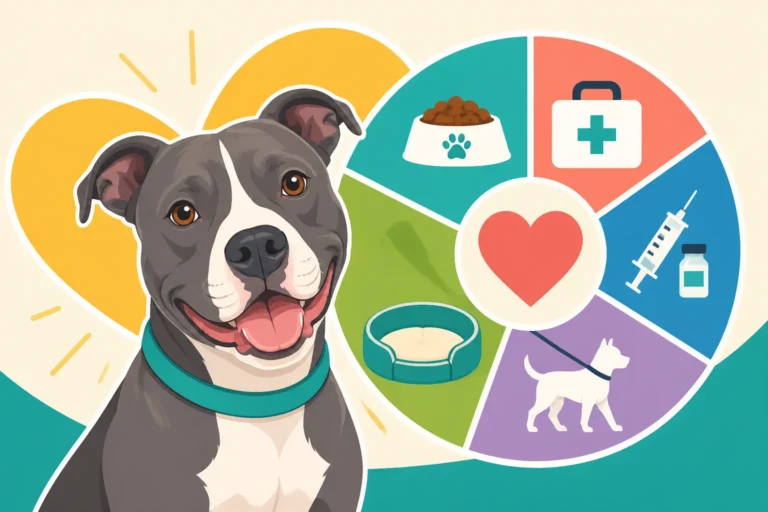
Most standard pet insurance policies are "accident and illness" plans. They are designed to cover unexpected medical emergencies, illnesses, and injuries. Think broken bones, sudden sickness, or diagnostic tests for a new cough. These plans do not typically cover routine preventative care. This is a critical distinction to understand.
If you want coverage for things like annual check-ups, vaccinations, parasite prevention (like heartworm medication or flea/tick preventatives you might get from Chewy's pharmacy services), or routine dental cleanings, you'll generally need a separate "wellness plan" or "preventative care add-on." These are often available as riders to a standard policy or as standalone plans. While they can help budget for routine expenses, they are not insurance in the traditional sense, and you'll pay an additional premium for them. It’s important to crunch the numbers to see if the cost of a wellness plan outweighs the benefits for your specific Pit Bull's needs.
Spay/Neuter, Vaccinations, and Preventative Care
Standard accident and illness policies almost universally exclude routine procedures like spaying or neutering. These are considered elective surgical procedures and preventative healthcare, not unexpected accidents or illnesses. While some wellness plans might offer partial reimbursement for these, a core insurance policy won't. Similarly, routine vaccinations for conditions like parvovirus or rabies, annual physical exams, and even routine bloodwork during these exams are typically not covered.
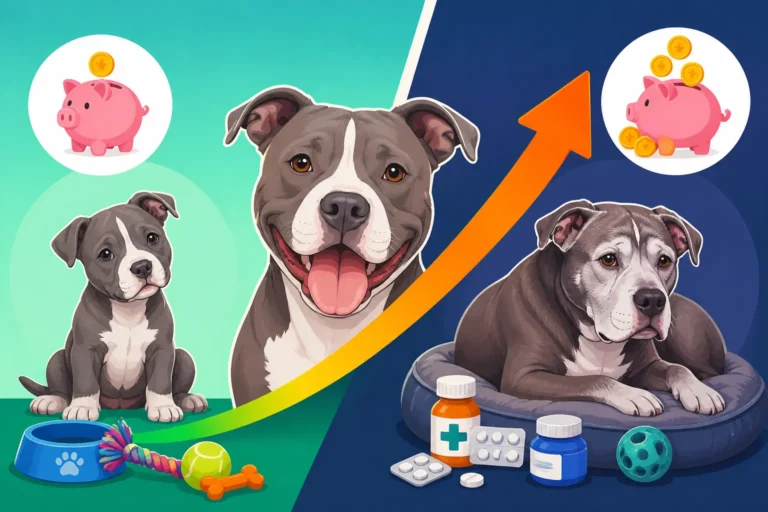
This also extends to year-round parasite control. Year-Round Parasite Cover for a Pit Bull is crucial for their health, preventing conditions like heartworm disease, but the cost of these preventatives themselves is usually an out-of-pocket expense. The same goes for microchipping, licensing fees, and basic grooming like nail trims or ear cleaning—unless an ear infection has developed and is being treated medically, the routine cleaning itself isn't covered. These are just part of the everyday What One Pit Bull Costs From Eight Weeks On, and budgeting for them separately is essential.
Elective Surgeries and Cosmetic Procedures
Beyond spay/neuter, any other elective surgeries or cosmetic procedures are almost always excluded. This could include things like dewclaw removal (unless medically necessary due to injury), tail docking, or ear cropping. While ear cropping in Pit Bulls is a controversial topic, if you choose to have it done, the procedure itself and any follow-up care related solely to the cosmetic alteration would not be covered by pet insurance. Even some dental procedures, if deemed cosmetic (e.g., restorative work for worn teeth without a clear medical emergency), could be excluded, though most policies will cover dental care for injuries or illnesses involving the teeth and gums.
Understanding these exclusions upfront helps manage expectations. Pet insurance is a fantastic tool for mitigating the financial shock of major, unexpected veterinary bills. However, it's not a savings account for all pet-related expenses. By focusing on what your policy does cover—the big, scary, unforeseen costs—you can better appreciate its value, even with the frustrating exclusions sometimes faced by Pit Bull owners.
Navigating Pet Insurance for Your Pit Bull
| Feature / Condition | Standard Accident & Illness Policy | Wellness Plan / Rider | Common Pit Bull Impact |
|---|---|---|---|
| Breed Restrictions | May have outright refusal, higher premiums, or specific exclusions for Pit Bulls. | N/A (focuses on routine care, not breed risk). | Higher costs, limited options, denial. |
| Pre-Existing Conditions | Excluded for the life of the policy (chronic) or until symptom-free period (curable). | N/A (focuses on preventative care). | Critical for conditions like allergies or early hip issues. |
| Hereditary Conditions | Often limited or excluded, especially for orthopedic issues (hip/elbow dysplasia), skin allergies, heart conditions. | N/A (focuses on preventative care). | Can leave major health issues uncovered. |
| Behavioral Issues | Typically excluded for aggression, bites. Limited coverage for diagnosed behavioral therapy. | N/A (focuses on physical health, not behavior). | High risk of exclusion due to breed stigma. |
| Accidents (e.g., broken leg) | Generally covered after short waiting period. | Not covered. | Usually covered, assuming no pre-existing issues. |
| Illnesses (e.g., pneumonia) | Generally covered after standard waiting period. | Not covered. | Usually covered, assuming no pre-existing issues. |
| Routine Vet Visits | Not covered. | Covered (annual exams, vaccinations). | Essential for overall health, needs separate budgeting. |
| Spay/Neuter | Not covered. | Often partially covered. | Elective, usually out-of-pocket. |
| Dental Cleaning | Not covered for routine cleaning; may cover dental trauma/illness. | Often partially covered for routine cleaning. | Routine cleanings are common, usually separate cost. |
Disclaimer
This guide is for informational purposes only and should not be considered veterinary, legal, or financial advice. Pet insurance policies vary widely, and it's crucial to read the specific terms and conditions of any policy you are considering. Consult with a qualified veterinarian for your pet's health needs and an insurance professional for detailed policy information.