Class and Trainer Costs for a Pit Bull Puppy
Bringing home a Pit Bull puppy is an incredibly exciting time, full of wagging tails and endless cuddles, but it also comes with a unique set of responsibilities and, let's be honest, some financial unknowns. Many new owners feel overwhelmed trying to navigate the world of puppy classes and private trainers, wondering if they're choosing the right path for their powerful, intelligent companion and dreading the bill. This comprehensive guide is here to shed light on the various costs associated with training your Pit Bull puppy, helping you understand the investment and plan effectively.
Understanding the Essential Investment in Pit Bull Puppy Training
When you bring a Pit Bull puppy into your life, you're not just getting a pet; you're welcoming a family member known for their loyalty, strength, and boundless energy. That energy, combined with unfair public perception, means that stellar training isn't just a nice-to-have; it's often a critical foundation for a happy, well-adjusted life for both your dog and your household. Investing in professional training from a young age can prevent a host of behavioral issues down the line and help your Pit Bull become the best ambassador for their type.
Why Early Training is Non-Negotiable for a Pit Bull Puppy
It's no secret that Pit Bulls often face a stricter standard of behavior in public than many other breeds. Because of historical misconceptions and sensationalized media, a Pit Bull that pulls on the leash or jumps on strangers is often viewed very differently than, say, a Labrador doing the same thing. This unfortunate reality makes early, consistent, and effective training paramount. A well-trained Pit Bull puppy, one who learns proper manners and impulse control early, is less likely to develop habits that lead to conflict or fear from others. You’re not just teaching your dog commands; you’re teaching them how to navigate a world that sometimes isn’t fair to them. Understanding What to Teach a Pit Bull Puppy and When can set a strong foundation for future success and acceptance.
Think about the first few months. A puppy is like a sponge, soaking up every experience and lesson. This is the prime window for socialization and foundational obedience. Skipping or delaying this crucial period can lead to bigger, more expensive problems later on, like reactivity, severe leash pulling, or even resource guarding. The truth is, fixing ingrained behavioral issues in an adult Pit Bull often requires more intensive and costly intervention than simply laying down good habits from the start.
The General Landscape of Puppy Training Costs
The price tag on puppy training can vary wildly, leaving many new Pit Bull owners scratching their heads. It's not as simple as a flat fee; you'll find everything from budget-friendly group classes at your local pet store to high-end, immersive board-and-train programs that cost thousands. These differences are often tied to the format of the training, the trainer's expertise, the length of the program, and even your geographical location.
For example, a basic group puppy class in a suburban area might run you $150-$300 for a six-week course, while a private, in-home session with a highly sought-after trainer in a major city could easily be $150-$250 per hour. Board-and-train programs, where your puppy lives with a trainer for an extended period, are often the most expensive, sometimes ranging from $1,500 to over $5,000 for a two to four-week stay. It's a spectrum, and understanding what each option offers is key to making the right choice for your Pit Bull puppy and your wallet. These costs are a significant part of The First Month Cost of a Pit Bull and should be factored into your initial budget.
Exploring Different Training Options and Their Associated Costs
When it comes to training your Pit Bull puppy, you've got a few main avenues to consider, each with its own structure, benefits, and price point. Deciding which one is right for you often depends on your budget, your puppy's individual needs, and your own availability to participate.
Group Puppy Classes
Group puppy classes are a popular and often more affordable entry point into formal training. Typically structured as a series of weekly sessions (e.g., 6-8 weeks long), these classes focus on fundamental obedience commands like sit, stay, come, and leash manners, all while providing crucial socialization opportunities for your puppy. Imagine a room full of puppies, all learning together, getting exposed to new sights, sounds, and other dogs under the watchful eye of a professional. This exposure is vital for Socializing a Pit Bull Puppy Thoroughly and can help build their confidence in new environments.
Costs for group classes usually range from $100 to $300 for the entire course, making them an excellent value. They’re fantastic for general obedience and a great way for your Pit Bull puppy to learn to focus amidst distractions. The downside? You're sharing the trainer's attention with several other owners and their dogs, and the curriculum is generally standardized. If your Pit Bull puppy has a very specific behavioral challenge, like intense Pit Bull Puppy Biting and Bite Inhibition that goes beyond typical puppy nipping, a group setting might not provide enough individualized attention. However, for most puppies, it’s a brilliant starting point for building a strong foundation.
Private, One-on-One Training Sessions
For Pit Bull puppies with specific needs, or for owners who prefer a more personalized approach, private training sessions can be a game-changer. These sessions involve just you, your puppy, and the trainer, either at your home, a neutral location, or the trainer's facility. This format allows the trainer to tailor the entire curriculum to your dog's unique personality, learning style, and any specific behavioral hurdles you're encountering. It's perfect if you're working on something particular like house-training a stubborn pup or fine-tuning advanced commands.
Private sessions are typically priced per hour or as a package. Hourly rates can fall between $75 and $250, depending on the trainer's experience and location. Many trainers offer packages of 3-6 sessions, which might come with a slight discount. For example, a package of five sessions could be anywhere from $400 to $1,000. While more expensive upfront than group classes, the individualized attention can lead to faster progress on specific issues, making it a highly efficient investment in your Pit Bull’s future behavior and strengthening the bond you share. If you're dealing with a particularly strong-willed puppy or require guidance on advanced techniques, exploring Trainer Rates for a Strong Pulling Pit Bull might give you a better idea of what to expect for specialized assistance.
Board-and-Train Programs
Board-and-train programs are the most intensive and, consequently, the most expensive training option. With this model, your Pit Bull puppy lives with the trainer for a period, usually between two to four weeks, during which they receive consistent, immersive training. The idea is that your puppy learns good habits and commands in a structured environment, away from potential distractions or ingrained behaviors at home. Upon your puppy's return, the trainer typically provides "transfer sessions" to teach you how to maintain and reinforce the learned behaviors.
These programs often cost between $1,500 and $5,000 or more for the full duration. The price reflects the round-the-clock care, constant supervision, and dedicated training hours your puppy receives. While the convenience of having a professionally trained dog returned to you is appealing, it's crucial to thoroughly vet any board-and-train facility. Ensure their methods align with your values (positive reinforcement is generally recommended for Pit Bulls), and that you feel comfortable with the environment your puppy will be in. Also, remember that the success of these programs heavily relies on your commitment to continue the training once your puppy is back home; it's not a magic bullet.
Here's a quick overview of the main training types and their typical costs:
| Training Type | Typical Cost Range (per course/package) | Duration | Pros | Cons |
|---|---|---|---|---|
| Group Classes | $100 – $300 | 6-8 weeks | Affordable, good for basic obedience, excellent socialization | Less individualized attention, standardized curriculum, less suited for specific behavioral issues |
| Private Sessions | $400 – $1,000 (for 3-6 sessions) | Flexible (hourly/package) | Highly individualized, addresses specific issues, flexible scheduling | More expensive per session, progress depends heavily on owner follow-through |
| Board-and-Train | $1,500 – $5,000+ | 2-4 weeks | Immersive, consistent training, faster initial results | Most expensive, puppy is away from home, owner must maintain results post-program |
Factors Influencing Pit Bull Puppy Training Costs
Just like buying a car, the sticker price for puppy training isn't static. Several key factors can significantly impact what you'll end up paying for your Pit Bull puppy's education. Understanding these variables can help you budget more accurately and choose the best option for your situation.
Geographic Location and Cost of Living
Where you live plays a huge role in the cost of almost everything, and dog training is no exception. Trainers in major metropolitan areas with a high cost of living, like New York City, Los Angeles, or Seattle, typically charge significantly more than trainers in rural towns or areas with lower living expenses. This isn't just because of overhead costs for facilities; it also reflects the higher wages and demand in these densely populated regions.
For instance, a basic group class in Omaha, Nebraska, might be $150, while the exact same class curriculum could easily be $300 or more in Boston, Massachusetts. Similarly, private trainer rates will see a noticeable jump from state to state or even from a city center to its surrounding suburbs. Before you even start looking for specific trainers, it’s wise to do a quick search for average dog training costs in your local area to set realistic expectations.
Trainer Experience and Certification
Just like in any profession, the more experienced and credentialed a dog trainer is, the more they can command for their services. A trainer who is relatively new to the field, or one who offers general obedience classes, will typically charge less than a trainer with years of specialized experience, advanced certifications, and a proven track record, especially with strong, intelligent breeds like Pit Bulls. Look for certifications from reputable organizations such as the Certification Council for Professional Dog Trainers (CCPDT) or Karen Pryor Academy (KPA). These certifications indicate a commitment to ethical, science-based training methods, particularly positive reinforcement, which is highly effective and humane for Pit Bulls, as detailed in Positive Reinforcement Training With a Pit Bull.
A highly experienced trainer might also specialize in particular areas, such as working with reactive dogs, addressing aggression, or preparing dogs for advanced titles like the Canine Good Citizen (CGC). While a specialist might cost more upfront, their expertise can be invaluable if your Pit Bull puppy exhibits challenging behaviors that a general trainer might not be equipped to handle. Sometimes paying more for a truly skilled trainer saves you money in the long run by resolving issues quickly and effectively.
Puppy's Specific Needs and Temperament
Every Pit Bull puppy is an individual, and their unique personality and needs will also influence training costs. A puppy who picks up commands quickly, is naturally confident, and doesn't present any significant behavioral challenges might only require a basic group class to flourish. On the other hand, a puppy who is shy, overly fearful, prone to extreme biting, or highly distractible may benefit significantly from more intensive, one-on-one attention, which, as we've seen, comes at a higher price.
For example, if your Pit Bull puppy struggles with severe separation anxiety from day one, or exhibits intense fear-based reactions to strangers, a private trainer who can develop a specialized behavior modification plan will be more effective than a group class. This tailored approach, while pricier per session, can be crucial for addressing deep-seated issues that could become much harder and more costly to manage as your Pit Bull matures. It's about recognizing when standard solutions won't cut it and investing in what your puppy genuinely needs to thrive.
Hidden and Ongoing Training Expenses
While the upfront cost of classes or private sessions is what most people consider, the financial commitment to your Pit Bull puppy's training often extends beyond that initial bill. There are several other expenses, both obvious and less so, that can add up over time.
Training Tools and Supplies
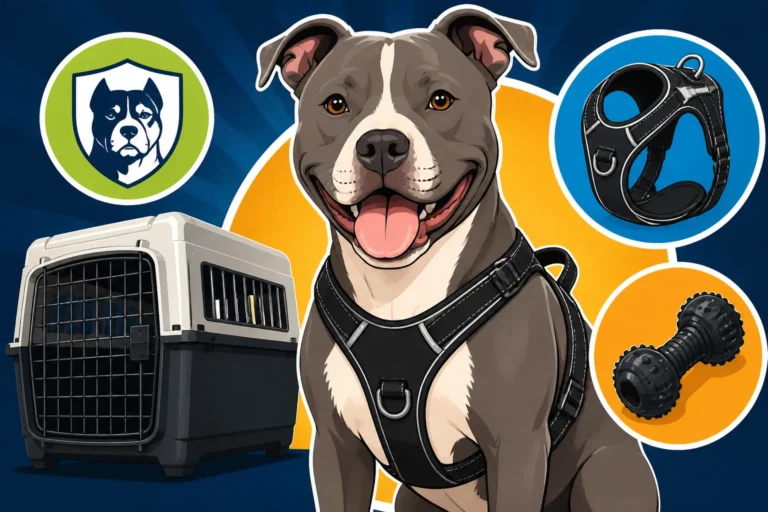
You can't train a dog with just good intentions; you need the right gear! Even if your trainer provides some initial equipment, you'll likely need to purchase a few key items. This includes sturdy leashes and collars or harnesses appropriate for a strong, growing Pit Bull puppy. Many trainers recommend specific types of harnesses, like those designed to discourage pulling, such as front-clip harnesses from brands like Freedom Harness or Balance Harness. Investing in a good quality, Harness Fit Across a Broad Pit Bull Chest is essential for comfortable and effective walks.
Then there are treats – and lots of them! Positive reinforcement relies heavily on rewarding desired behaviors, and high-value treats are often the best motivator. You'll go through bags of them, especially in the early stages of training. Consider products from companies like Chewy, which offers a wide selection of training treats suitable for different dietary needs and reward levels. Puzzle toys and enrichment items, which help keep an intelligent Pit Bull mentally stimulated when you're not actively training, are also a worthwhile expense. These might include Kong toys, lick mats, or snuffle mats, designed to make your puppy work for their food or treats, reinforcing good chewing habits and providing mental exercise.
Ongoing Education and Refreshers
Training isn't a one-and-done event, especially with a breed as dynamic as a Pit Bull. Just like humans, dogs can forget commands or revert to old habits if not regularly reinforced. You might find yourself enrolling in advanced obedience classes after puppy kindergarten, taking a specialty class like agility or scent work, or even hiring a private trainer for refresher sessions if new behavioral issues pop up during adolescence. These follow-up courses or sessions are investments in maintaining the stellar behavior you've worked hard to establish.
Furthermore, many Pit Bull owners find immense value in pursuing titles like the Canine Good Citizen Testing With a Pit Bull (CGC) from the AKC. Earning a CGC title not only demonstrates your dog's excellent manners but can also be beneficial in challenging situations, like securing rental housing or obtaining pet insurance. Preparing for and taking these tests often involves additional classes or individual coaching sessions, adding to your overall training expenditure. Think of it as continued education for your furry family member.
Time as a Hidden Cost
While not a monetary expense, the time commitment required for effective training is perhaps the biggest "hidden" cost. Professional training classes, whether group or private, are only effective if you, the owner, consistently practice at home. This means dedicating time every single day to short training sessions, reinforcing commands, working on impulse control, and providing appropriate socialization experiences. For example, mastering Getting a Pit Bull Puppy Clean in the House takes patience and consistent effort from you.
This time commitment is especially significant with a Pit Bull puppy, given their energy levels and intelligence. They thrive on engagement and mental stimulation. If you're opting for a board-and-train program, you'll also need to dedicate time to the transfer sessions with the trainer to ensure you understand how to maintain your dog's new skills. The time you invest directly translates into the success of your training efforts and ultimately, the quality of life your Pit Bull will enjoy. Don't underestimate this precious resource!
Making Training Affordable for Your Pit Bull Puppy
The costs associated with training a Pit Bull puppy can seem daunting, but don't let that discourage you. There are many ways to make quality training accessible, even on a tight budget. It's all about being resourceful and proactive.
Budgeting and Financial Planning
The best way to manage training costs is to plan for them from the very beginning. When considering What One Pit Bull Costs From Eight Weeks On, factor in not just the adoption fee and initial supplies, but also a dedicated line item for training. Set aside money specifically for puppy classes, private sessions, or whatever training path you anticipate taking. Even a small amount saved each month can make a big difference when the time comes to enroll.
Consider exploring pet insurance options early on. While most pet insurance plans like Healthy Paws won't cover basic obedience training, some might cover behavioral modification prescribed by a veterinarian if your Pit Bull develops issues related to anxiety or fear. It's always worth checking policy details, as Pit Bull Pet Insurance and Breed Exclusions can vary widely. Knowing what's covered for potential future behavioral issues can provide peace of mind and help you save money for foundational training.
Utilizing DIY Training Resources
Thanks to the internet, a wealth of high-quality, free, or low-cost training resources is available at your fingertips. YouTube channels from certified professional dog trainers, online articles, and even free webinars can provide excellent guidance on everything from basic commands to addressing common puppy problems. You can learn how to implement Positive Reinforcement Training With a Pit Bull right in your living room.
Books by renowned dog trainers are also an invaluable resource. Look for authors who advocate for positive, reward-based methods. While these resources don't replace the personalized feedback of a professional, they can equip you with a strong foundation and help you work on many behaviors yourself. Just be sure to cross-reference information and stick to reputable sources to avoid outdated or harmful training techniques. Remember, consistency is key, and even 5-10 minute training bursts throughout the day can add up significantly. For effective rewards, consider subscribing to services like Ollie, which can provide high-quality, human-grade food that can be portioned out and used as incredibly motivating training treats.
Exploring Community Programs and Assistance
Many communities offer low-cost or free training workshops through local animal shelters, humane societies, or parks and recreation departments. These programs are often designed to be accessible to a wider range of pet owners and can provide basic obedience instruction and socialization opportunities at a fraction of the cost of private facilities. These groups often understand the unique challenges faced by Pit Bull owners and are happy to support responsible ownership.
Additionally, some breed-specific rescues or Pit Bull advocacy groups occasionally offer training scholarships or discounted classes to adopters or those in need. If you adopted your Pit Bull puppy from a rescue, reach out to them to see if they have any partnerships with local trainers or if they provide any post-adoption support resources. Organizations that support responsible pet ownership are often keen to help ensure Pit Bulls receive the training they need to thrive and overcome misconceptions. Saving Ahead of a Pit Bull Allergy Year is often on owners' minds, but saving for training is just as important.
The Long-Term Value of Early Training
It's easy to look at the upfront costs of Pit Bull puppy training and feel a pang in your wallet. However, viewing these expenses as an investment rather than just a cost can shift your perspective entirely. The benefits of early and consistent training extend far beyond a well-behaved puppy; they impact your Pit Bull's entire lifespan and your relationship with them.
Preventing Costly Behavioral Issues Down the Line
One of the most significant long-term savings from early training is the prevention of expensive behavioral issues. Imagine an adult Pit Bull who never learned leash manners. Constantly pulling on the leash can lead to joint problems for both dog and owner, not to mention the risk of escape or injury. Rectifying severe leash reactivity or aggression in an adult dog can require months or even years of costly private behavior modification sessions, potentially running into thousands of dollars. These costs dwarf the price of a few puppy classes.
Proper socialization and training can also prevent issues like destructive chewing or separation anxiety, which can lead to damaged property or even vet visits for ingested items. For example, if your Pit Bull puppy learns appropriate chew toy engagement and is mentally stimulated, they are far less likely to chew through your furniture or drywall. By addressing the root causes of potential problems when your Pit Bull is young and impressionable, you save yourself not only financial strain but also emotional stress and potential heartache.
Enhancing Quality of Life and Strengthening the Bond
Beyond financial savings, good training dramatically improves your Pit Bull's quality of life. A well-trained dog can go more places with you – to parks, pet-friendly businesses, and even on vacations. They are calmer, more confident, and less prone to anxiety because they understand what's expected of them and how to navigate the human world. This freedom and confidence lead to a happier, more fulfilling life for your dog. For instance, a Pit Bull that has learned to relax on a "place" command can calmly enjoy a family meal or gathering without constantly demanding attention.
Moreover, training is a powerful bonding experience. The time you spend teaching and reinforcing commands, using High-Value Treats That Hold a Pit Bull's Focus and praise, builds trust and mutual respect between you and your Pit Bull puppy. It's a dialogue, a way to understand each other better. This strong bond, built on clear communication and positive experiences, is truly priceless. It means a lifetime of enjoyable companionship, fewer frustrations, and the pride of having a well-adjusted, much-loved member of your family.
Disclaimer
This article is for general informational purposes only and does not constitute professional advice. Laws, prices and regulations vary by location and change over time. Consult a qualified professional for guidance on your specific situation.