Running a Food Trial on a Pit Bull
If you're a Pit Bull owner, you know the unique challenges that can come with their robust, athletic build – and sometimes, their sensitive skin. Nothing is more heartbreaking or frustrating than watching your beloved companion relentlessly scratch, lick their paws raw, or shake their head from recurring ear infections, feeling like you've tried every shampoo, ointment, and medication under the sun. This comprehensive guide will walk you through the process of conducting a thorough and effective food trial for your Pit Bull, helping you pinpoint whether diet is the culprit behind their persistent discomfort and finally find them some relief.
Understanding the "Why" Behind a Food Trial
Before diving into the nuts and bolts of a food trial, it's crucial to grasp why this specific approach is often recommended and why it needs to be executed with such precision. Many Pit Bull owners find themselves in a seemingly endless cycle of vet visits, prescription creams, and frustrated sighs, and understanding the root cause is the first step towards breaking free.
The Frustration of Persistent Itching
For many Pit Bull owners, the journey to a food trial begins with an observation that's impossible to ignore: persistent, unrelenting itching. This isn't just a casual scratch behind the ear; we're talking about constant paw licking, chewing at legs, rubbing faces on the carpet, or even incessant body scratching that can lead to raw, irritated skin and secondary infections. You might notice these issues surfacing year-round, or perhaps they worsen during certain seasons, making it even harder to distinguish between environmental triggers and something internal, like a food sensitivity. It's a truly exasperating situation, not just for your dog, but for you as well, as you witness their discomfort and desperately seek answers. This chronic itch often disrupts sleep for both of you, leaving you tired and worried about your loyal companion. Pit Bull Paw Licking and Chewing can escalate quickly from a minor annoyance to a serious welfare concern.
Imagine the scenario: You've been diligently giving baths with medicated shampoos, applying topical steroids, and even trying antihistamines, all recommended by your vet. Yet, a few days after the medication wears off, the furious scratching starts right back up again. This cycle is precisely what drives many owners to consider a food trial, recognizing that if external treatments aren't providing lasting relief, the problem might be originating from within, specifically from what their dog is eating every single day. The commitment required for An Eight Week Food Trial on an Itchy Pit Bull can seem daunting, but the potential for long-term relief makes it worthwhile.
Differentiating Food Allergies from Environmental
One of the biggest hurdles in diagnosing allergies in Pit Bulls is distinguishing between food sensitivities and environmental allergens (atopy). Both can present with very similar symptoms: itchy skin, ear infections, paw licking, and generalized discomfort. The key difference lies in the trigger and, importantly, the management strategy. Environmental allergies, much like hay fever in humans, are typically caused by things in the environment – pollen, dust mites, molds – and often have seasonal fluctuations, though some can be year-round depending on the allergen. Food allergies, on the other hand, are an adverse immune reaction to specific proteins in your dog's diet and are usually present regardless of the season.
A food trial, also known as an elimination diet, is the gold standard for diagnosing a food allergy because it removes all potential dietary culprits from your dog's system and then reintroduces them one by one. Unlike other diagnostic tests, like blood or saliva allergy panels for food, a properly conducted food trial provides a direct, observable link between a specific food component and your dog's symptoms. This is because many commercial tests can produce unreliable results, flagging ingredients that your dog isn't truly allergic to, or missing the true allergen altogether. Your vet might even recommend Pit Bull Skin Allergy Testing to rule out environmental factors first, but a food trial remains the most definitive method for dietary issues.
This distinction is vital because the management is entirely different. If it's environmental, your Pit Bull might benefit from immunotherapy (allergy shots), medications like Apoquel or Cytopoint, or frequent bathing to remove allergens from their coat. If it's food, then strict dietary management is the answer. Without a proper food trial, you could be treating the symptoms of a food allergy with medications designed for environmental issues, leading to ongoing frustration and discomfort for your dog.
Preparing for Your Pit Bull's Food Trial
Embarking on a food trial isn't something to jump into haphazardly. It requires meticulous planning, a strong partnership with your veterinarian, and an iron will to stick to the plan. Many well-intentioned food trials fail not because the dog isn't allergic, but because of small, accidental dietary slip-ups during the process.
Consulting Your Vet and Setting Baselines
The very first step is to sit down with your veterinarian and discuss the possibility of a food trial. They can help rule out other potential causes for your Pit Bull's itching, such as parasitic infestations (fleas, mites) or bacterial/yeast infections that often accompany allergy flares. Your vet might recommend skin scrapings, cytology (examining skin cells under a microscope), or even blood tests to get a full picture of your dog's current health. It's important to get any active infections cleared up before starting the food trial, as these can obscure the results by continuing to cause itching and discomfort, even if the food allergen is removed.
During this consultation, you and your vet will establish baseline symptom levels. This means documenting exactly what symptoms your Pit Bull is experiencing, their severity, and how frequently they occur. Taking photos of irritated areas, noting the number of times per day they scratch or lick, or keeping a detailed journal can be incredibly helpful. This baseline will be your point of comparison later to determine if the new diet is actually making a difference. Your vet will also help you choose the appropriate diet for the trial and set clear expectations for the duration and strictness required. Don't be afraid to ask about What Allergy Testing Runs on a Pit Bull and how it fits into the overall diagnostic plan.
Choosing the Right Novel Protein or Hydrolyzed Diet
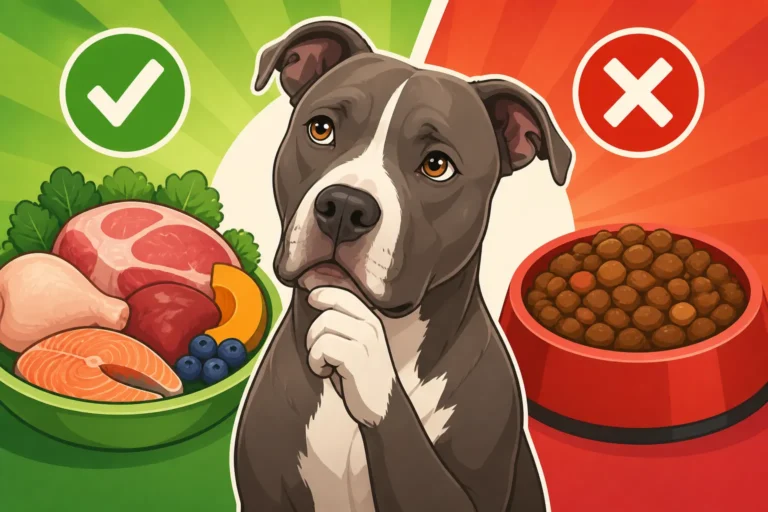
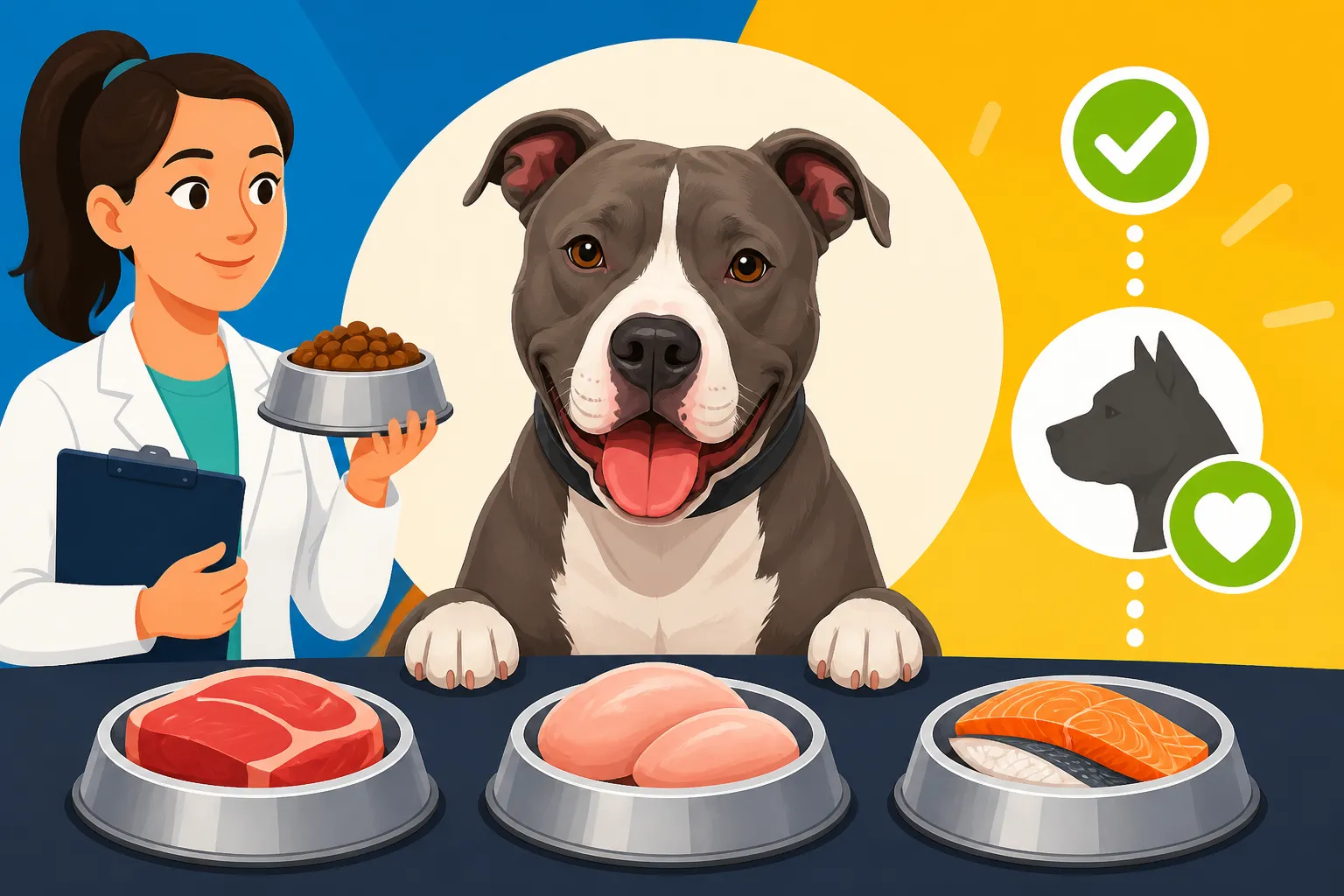
This is perhaps the most critical decision in preparing for the food trial. The goal is to feed your Pit Bull a diet that contains no ingredients they have ever eaten before. This usually means opting for either a "novel protein" diet or a "hydrolyzed protein" diet.
- Novel Protein Diets: These diets feature a protein source that your dog has likely never encountered, such as duck, venison, rabbit, kangaroo, or even alligator. The carbohydrate source should also be novel, like sweet potato, quinoa, or peas. The idea is that if your dog hasn't eaten it, they can't be allergic to it. For example, Novel Proteins Worth Trying on a Pit Bull might include venison and pea formulations.
- Hydrolyzed Protein Diets: These are often prescription diets available only through your veterinarian. The proteins in these diets have been broken down into such tiny pieces that your dog's immune system doesn't recognize them as allergens. This option is excellent because it guarantees that the protein itself won't trigger a reaction, regardless of your dog's past diet. They are highly digestible and extremely effective, though often more expensive.
Your vet will guide you on which option is best, often based on your Pit Bull's previous food history. If your dog has eaten many different types of meat (chicken, beef, lamb, salmon), finding a truly novel protein can be harder. It's vital to choose a commercial diet specifically formulated for elimination trials, as many "limited ingredient" over-the-counter foods might still contain trace amounts of common allergens due to manufacturing processes. Retailers like Chewy and Amazon do offer a wide selection of limited ingredient options, but for a true elimination diet, your vet's prescription or strong recommendation for a specific brand is usually best. Be cautious of Home Cooking for a Pit Bull and the Balance Problem unless guided by a veterinary nutritionist, as it's very difficult to ensure nutritional completeness and avoid cross-contamination.
Clearing the Pantry of Temptations
This step is about creating an allergy-safe environment for your Pit Bull. Once you've chosen your trial diet, every single other food item needs to be removed from their reach – and ideally, from the house altogether for the duration of the trial. This includes:
- All current dog food: Don't leave any old kibble around.
- All dog treats: Yes, even those "hypoallergenic" ones or dental chews. Unless they are explicitly approved by your vet as part of the trial or are pure pieces of the novel protein you're using (e.g., plain cooked venison), they are out.
- Human food scraps: This is a big one. No table scraps, no dropped bits of cheese, no shared bites of toast. This can be challenging if your Pit Bull is used to getting goodies or if you have children who might accidentally drop food.
- Flavored medications/supplements: Check with your vet if any current medications or supplements contain flavorings (like beef or chicken liver). These can completely derail the trial.
- Chew toys/dental products: Even some chew toys or dental rinses can contain proteins that could trigger a reaction. Opt for unflavored, non-edible toys or discuss safe alternatives with your vet.
It's a huge undertaking, but remember, the success of the trial hinges on this absolute strictness. One single accidental chicken nugget or dropped piece of bread can contaminate the trial and force you to start all over again, extending your Pit Bull's discomfort and your frustration.
Executing the Strict Food Trial
The trial itself is a test of patience and discipline. It typically lasts for a minimum of eight weeks, and during this time, absolute adherence to the chosen diet is paramount. This phase is about stripping away all variables to see if the removal of common allergens brings relief.
The Eight-Week Rule: No Cheats, No Exceptions
An eight-week period is generally recommended because it takes time for existing allergens to clear your Pit Bull's system and for their immune system to calm down. For some dogs, you might start seeing improvements within a few weeks, but for others, it can take the full eight weeks or even longer. During this time, your dog should eat nothing other than the prescribed food and plain water. This means:
- No flavored medications or supplements: As mentioned, check every single item your dog ingests. If your Pit Bull needs daily medication, discuss with your vet how to administer it without compromising the diet. Sometimes, a pill pocket made from a small piece of the novel protein diet or a completely flavorless capsule can be used.
- Supervised outdoor time: Pit Bulls are curious and often scavengers. Be vigilant during walks to prevent them from eating grass, dropped food, or anything else they might find. A muzzle can be a useful tool during this period if your Pit Bull is prone to scavenging.
- Strict house rules: Everyone in the household, including children and guests, needs to be on board and understand the severity of even a tiny "cheat." Explain that a single piece of forbidden food could mean starting the entire eight-week process over again. Post reminders on the fridge if necessary.
It's going to feel incredibly restrictive, especially if your Pit Bull is used to a varied diet or regular treats. However, think of it as a temporary sacrifice for long-term health and comfort. Keeping a detailed journal of your dog's symptoms, energy levels, and any changes you observe will be invaluable in tracking progress and discussing results with your vet. Many owners see significant improvement in conditions like A Pit Bull Chewing Its Feet Through the Night once the offending allergen is removed.
Managing Treats, Medications, and Dental Care
This is where the "no cheats" rule gets tricky. Pit Bulls are smart and highly food-motivated, making training without treats challenging.
- Approved treats: Discuss with your vet if there are any single-ingredient, safe "treats" you can offer, such as small pieces of cooked sweet potato (if not the novel carb), or simply tiny bits of their new novel protein kibble. For instance, if you're on a venison diet, a few tiny pieces of cooked venison might be okay if approved. Avoid anything pre-made.
- Medications: If your Pit Bull is on ongoing medication, confirm with your vet that the pills themselves are unflavored or can be administered in a way that doesn't involve adding allergens. For example, some owners use gelatin capsules to hide medication, or their vet might suggest a compounded medication in a non-allergenic base.
- Dental care: Dental health is crucial, but many dental chews and water additives contain flavorings. During the trial, focus on regular tooth brushing with a vet-approved, unflavored toothpaste. If brushing isn't feasible, your vet can recommend alternatives that won't compromise the diet. This is a temporary measure, and you can reintroduce safe dental chews after the trial if they don't trigger a reaction. Pit Bull Dental Cleaning Schedule is important even without the added challenge of food allergies.
Remember, this isn't forever, just for the duration of the trial. There are plenty of non-food rewards you can use for training and bonding, such as praise, toys from Amazon (ensure they're non-edible!), or a vigorous game of fetch.
Family Buy-In and Guest Awareness
The success of a food trial really does depend on everyone involved. If you live with family, housemates, or frequently have visitors, everyone needs to be aware of the strict rules.
- Communicate clearly: Explain to everyone why the trial is happening and the importance of preventing any "forbidden" food from reaching your Pit Bull. Use simple, direct language.
- Kids and food: Children, in particular, need careful supervision. They might mean well, but a dropped crumb or a shared piece of their snack can easily derail weeks of effort. Consider having a designated "dog-free" eating zone or teaching kids how to give only approved treats, if any.
- Guest briefing: Before guests arrive, give them a heads-up about the special diet. Politely ask them not to feed your dog anything. You might even put a small sign on your Pit Bull's food bowl or leash to gently remind people. This might feel awkward at first, but it's essential for your Pit Bull's health.
- Dog walkers/sitters: If anyone else cares for your Pit Bull, ensure they are fully educated and committed to the diet. Provide pre-portioned amounts of the approved food and explicit instructions.
This level of vigilance might seem extreme, but it's what makes the difference between a successful food trial that leads to answers and one that leaves you guessing. A Pit Bull's powerful curiosity means they can get into things quickly, making constant supervision key.
The Challenge Phase and Interpreting Results
After the minimum eight weeks of strict adherence, if your Pit Bull's symptoms have significantly improved or completely resolved, it's time for the "challenge phase." This is where you reintroduce foods one by one to identify the specific culprits.
Reintroducing Foods Methodically
The challenge phase is just as critical as the elimination phase, and it also requires patience. You'll work with your vet to select a single, common protein or carbohydrate (e.g., chicken, beef, corn, wheat) to reintroduce into your Pit Bull's diet.
Here's how it generally works:
- Introduce one new ingredient: For 7-14 days, you will feed only the trial diet plus a small, consistent amount of the chosen challenge ingredient (e.g., a spoonful of cooked chicken breast).
- Monitor closely: Keep a detailed journal of any return or worsening of symptoms. Look for itching, paw licking, ear irritation, stomach upset, or changes in bowel movements. Pit Bull Food Allergy Signs Beyond the Skin can include vomiting, diarrhea, and even respiratory issues, so keep an eye out for more than just skin problems.
- If no reaction: If, after 7-14 days, there are no adverse reactions, that ingredient is likely safe. You can then add it to your Pit Bull's "safe list."
- If a reaction occurs: If symptoms return, you've likely found an allergen! Immediately stop feeding that ingredient and return to the strict elimination diet until your Pit Bull's symptoms clear up again. This confirms the allergy.
- Move to the next ingredient: Once symptoms resolve (or if no reaction occurred), you move on to challenging with the next single ingredient.
This methodical process allows you to isolate specific allergens. It can take several weeks or even months to challenge every ingredient you suspect. It’s a bit like detective work, but each piece of information brings you closer to a long-term solution.
Spotting Reactions Beyond the Skin
While skin issues are the most common sign of a food allergy in Pit Bulls, it's important to remember that reactions can manifest in other ways. Keep a keen eye out for:
- Gastrointestinal issues: Vomiting, diarrhea, increased flatulence, or changes in stool consistency are classic signs of a food sensitivity. If your Pit Bull develops an upset stomach after reintroducing an ingredient, it's a clear signal.
- Ear infections: Chronic ear infections, often caused by yeast or bacteria thriving in an inflamed ear canal, are frequently linked to underlying allergies. A return of ear shaking or redness could indicate a reaction. Pit Bull Ear Infections and Allergy Links are very common.
- Paw issues: Beyond just licking, you might see redness, swelling, or secondary infections between their paw pads.
- Behavioral changes: While less common, some dogs may exhibit subtle behavioral shifts due to discomfort, such as increased irritability, lethargy, or changes in appetite.
By diligently tracking all symptoms, you can build a clear picture of what ingredients your Pit Bull tolerates and which ones trigger a response. This comprehensive approach ensures you don't miss any subtle clues.
What to Do After a Successful Trial (or an Unsuccessful One)
If the trial is successful (meaning symptoms cleared on the elimination diet and returned during the challenge phase with specific ingredients):
Congratulations! You've identified your Pit Bull's food allergens. Now, you can transition them to a long-term maintenance diet that completely avoids those specific ingredients. This often means choosing a Limited Ingredient Food for a Pit Bull With Atopy that uses proteins and carbohydrates from their "safe list." Your vet can help you select appropriate commercial diets, and you'll need to continue to be diligent about checking ingredient labels on all food, treats, and even supplements.
If the trial is unsuccessful (meaning symptoms did not improve significantly on the elimination diet):
Don't despair! This outcome is also valuable information. It strongly suggests that your Pit Bull's allergies are not primarily food-related. In this case, your vet will likely pivot towards investigating environmental allergies (atopy) or other health conditions. This might involve blood testing for environmental allergens or referral to a veterinary dermatologist for intradermal skin testing. While it's disappointing not to find the answer through diet, you've definitively ruled out a major category, which is a crucial step forward in finding the right solution. Whether a Diet Change Settles Pit Bull Itching can be a definitive answer in itself, even if it's "no."
Long-Term Management and Dietary Considerations
Once you've identified your Pit Bull's food allergies, managing them becomes a lifelong commitment. It's not just about avoiding the trigger foods; it's about consistently providing a safe, nutritious diet and preventing accidental exposure.
Sourcing Hypoallergenic or Limited Ingredient Diets
Finding suitable long-term food for an allergic Pit Bull requires careful attention to detail.
- Veterinary prescription diets: For many severe cases, continued use of a hydrolyzed protein diet (like those you might have used for the trial) remains the safest bet. These are specifically formulated to be non-allergenic and nutritionally complete.
- Over-the-counter limited ingredient diets (LIDs): If your Pit Bull's allergies are less severe or you've identified only a few specific allergens, LIDs can be a good option. Look for brands that clearly state their protein and carbohydrate sources and that have strong quality control to prevent cross-contamination during manufacturing. Always read the ingredient list very carefully, as even "limited ingredient" foods can sometimes contain unexpected fillers or meat meals from common allergens. Retailers like Chewy often have robust search filters that can help you find suitable LID options, listing specific protein sources and avoiding common allergens like chicken or beef.
- Fresh food options: Some owners choose fresh, human-grade food services (like Ollie) or home-cooked diets. If you go this route, it's absolutely essential to work with a veterinary nutritionist to ensure the diet is balanced and provides all the necessary nutrients for your powerful Pit Bull. Simply feeding cooked meat and vegetables can lead to significant nutritional deficiencies over time.
Whichever option you choose, consistency is key. Switching between foods frequently can sometimes cause new sensitivities or simply confuse the issue. Once you find a food that works, stick with it.
| Phase of Food Trial | Description | Duration | Key Action | What to Avoid |
|---|---|---|---|---|
| Elimination Phase | Feed only a novel or hydrolyzed protein diet. All other foods are strictly forbidden. | 8-12 weeks (minimum) | Monitor and record all symptoms (skin, GI, ears). | All non-approved treats, human food, flavored medications, anything edible found. |
| Challenge Phase | Gradually reintroduce single suspect ingredients one by one. | 1-2 weeks per ingredient | Observe for return of symptoms. | Introducing more than one new ingredient at a time. |
| Maintenance Phase | Feed a long-term diet that completely excludes all identified allergens. | Lifelong | Consistently check labels, prevent cross-contamination. | Any food, treat, or supplement containing identified allergens. |
Preventing Cross-Contamination and Future Flares
Living with a food-allergic Pit Bull means adopting a permanent mindset of vigilance.
- Separate bowls and storage: If you have other pets, ensure your allergic Pit Bull has their own designated food and water bowls. Store their food in a separate, clearly labeled container.
- Treat protocol: If you give treats, they must be approved for your allergic Pit Bull. Avoid "sharing" treats from other dogs. You might consider using a puzzle feeder from Amazon with their regular kibble for mental enrichment, especially if you can't offer many unique treats.
- Cleaning: Regularly clean food preparation areas and sweep up any crumbs if other pets or humans eat nearby.
- Inform others: Continue to educate anyone who might interact with your Pit Bull (dog walkers, pet sitters, houseguests) about their dietary restrictions.
- Accidental ingestion: Despite your best efforts, accidents can happen. If your Pit Bull eats something they shouldn't, observe them closely for signs of a reaction and contact your vet if symptoms appear or worsen. Knowing Whether a Pit Bull Mix Inherits Its Skin Problems can help in understanding their genetic predisposition, but strict management is still crucial.
The Ongoing Cost of Managing Food Allergies
It's realistic to acknowledge that managing a Pit Bull with food allergies can be more expensive than feeding a dog without dietary issues. Prescription hydrolyzed diets are often premium-priced, and even high-quality limited ingredient diets can cost more than conventional kibble. Prescription Diet Costs for an Allergic Pit Bull are a real consideration. You might also find yourself paying more for novel protein treats or specialized supplements recommended by your vet to support skin health.
However, consider the alternative: the ongoing costs of repeated vet visits, antibiotics for secondary infections, medicated shampoos, and allergy medications if the underlying food allergy goes undiagnosed or unmanaged. Investing in the right diet upfront can actually save you money (and a lot of heartache) in the long run. By understanding the process of a food trial, committing to its strictures, and diligently managing your Pit Bull's diet thereafter, you can significantly improve their quality of life, reduce their discomfort, and enjoy a happier, healthier companion for years to come.
Disclaimer
This article is for general informational purposes only and does not constitute professional advice. Laws, prices and regulations vary by location and change over time. Consult a qualified professional for guidance on your specific situation.