Building Pit Bull Fitness Safely
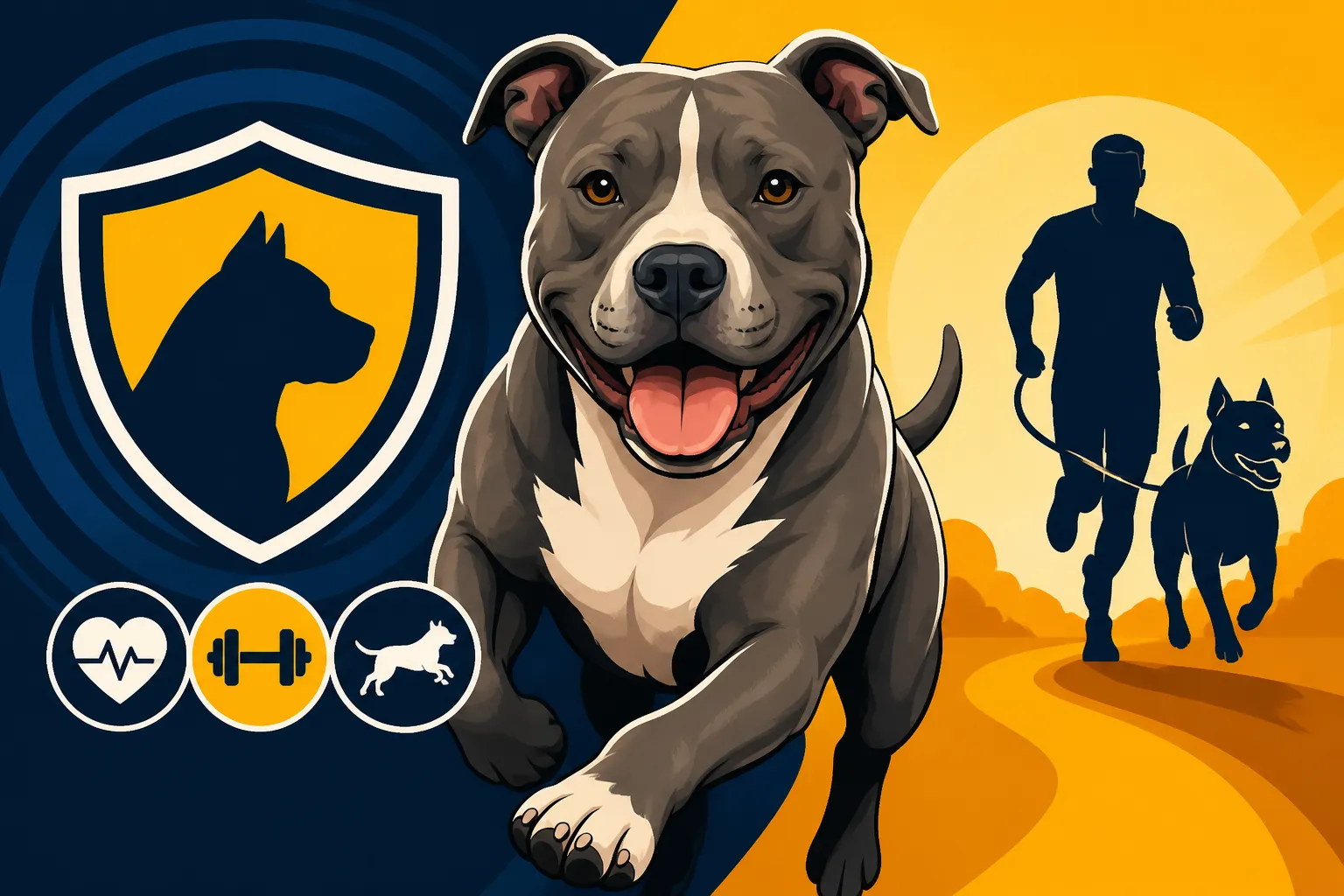
It's wonderful that you're thinking about building your Pit Bull's fitness! So often, people either under-exercise these powerful dogs, leading to pent-up energy and behavioral issues, or they push them too hard, too fast, which can lead to serious injuries. This guide is all about striking that perfect balance, showing you how to develop your Pit Bull's incredible athleticism safely, effectively, and in a way that truly enhances their overall well-being and strengthens your bond.
Understanding Your Pit Bull's Unique Physique and Needs
Pit Bulls are magnificent athletes, built for strength, endurance, and agility. But this very robustness means we need to be thoughtful about how we approach their fitness. It's not just about running them until they're tired; it's about smart, progressive training that respects their genetics and protects their joints.
The Powerhouse Build and Its Implications
When you look at a Pit Bull, you see a compact, muscular, and incredibly powerful dog. They often have a broad chest, strong hindquarters, and a low center of gravity. This build, while impressive, puts specific demands on their bodies. Their muscles can mask underlying joint issues or make them more prone to certain types of injuries if not conditioned properly. For instance, their drive and eagerness to please can sometimes lead them to push through discomfort, which means you, as their owner, need to be extra vigilant in reading their cues. Understanding their physical makeup is the first step in ensuring their long-term health and athletic prowess.
We want to build strong muscles around healthy joints, not just bulk up without considering the internal structures. Think about it like a high-performance car – you wouldn't just floor it without ensuring the engine is tuned and the tires are properly inflated. For our Pit Bulls, this means ensuring their conditioning supports their frame. A good starting point is always to aim for a lean, athletic body condition, where you can easily feel their ribs but not see them protruding, and they have a visible waistline. This helps prevent unnecessary strain on their joints, especially as they age. You can read more about keeping them in shape in Pit Bull Weight and Muscle on a Working Frame.
Energy Levels and Drive
Pit Bulls, regardless of their exact lineage – be it American Pit Bull Terrier, American Staffordshire Terrier, or Staffordshire Bull Terrier – typically possess high energy levels and an intense drive. They thrive on having a job to do, whether that's rigorous play, structured training, or accompanying you on outdoor adventures. This inherent drive is a huge asset for fitness, as they're often enthusiastic participants in any activity you propose. However, it also means that simply letting them out into the yard for a few minutes isn't enough to meet their needs, either physically or mentally.
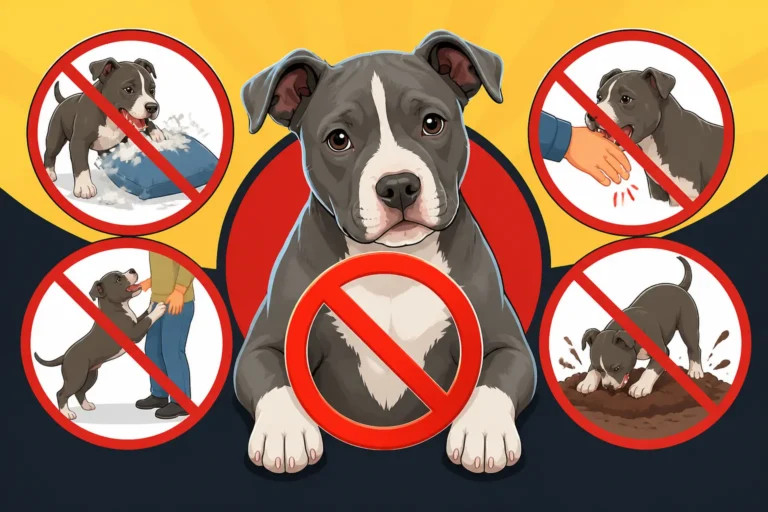
An under-exercised Pit Bull often finds less desirable ways to release that energy, which can manifest as destructive chewing, excessive barking, or even frustration. Tapping into their natural drive for play and work can be incredibly rewarding. Activities that engage both their bodies and their minds are ideal. Think about games of fetch, tug, or even more structured dog sports like agility or obedience. This focused energy release helps them be calmer and more content companions when they're indoors. It's about channeling that incredible zest for life into positive outlets.
Age and Development Considerations
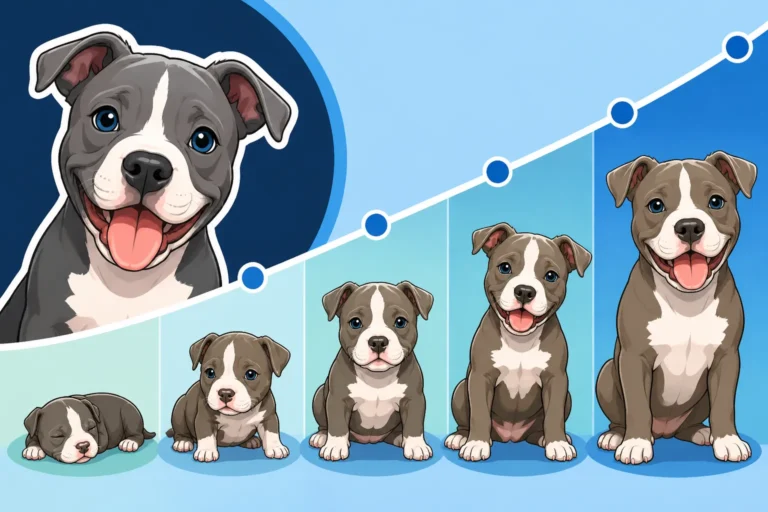
Just like human athletes, a Pit Bull's exercise regimen needs to be tailored to their age and developmental stage. A young puppy, for instance, has delicate growth plates that are still fusing. Over-exercising a puppy with high-impact activities like long runs on hard surfaces, excessive jumping, or forced retrieves could lead to irreversible damage. Their exercise should be primarily self-directed play, short walks, and gentle introduction to different terrains and experiences.
As they mature into adolescence and adulthood, typically between 12-24 months, their bodies are stronger, and they can handle more intense activity. However, even then, a gradual increase in duration and intensity is crucial. For older Pit Bulls, especially those with conditions like Pit Bull Hip Dysplasia Showing at One to Two Years or Arthritis in a Pit Bull at Seven, the focus shifts to maintaining mobility, muscle mass, and comfort without exacerbating existing issues. This might mean shorter, more frequent walks, swimming, or gentle massage. Always consult with your veterinarian before embarking on any new rigorous fitness program, particularly for puppies or senior dogs. Understanding The Age a Pit Bull Finishes Growing can help guide your activity choices.
Foundational Fitness: Starting Smart, Staying Safe
Building fitness isn't a race; it's a marathon. For a powerful dog like a Pit Bull, a smart, safe approach is paramount to prevent injury and foster a lifelong love for activity. Rushing into intense exercise can do more harm than good, setting your dog up for joint problems or muscle strains.
The Importance of a Gradual Approach
Imagine going from a sedentary lifestyle to running a marathon overnight – you'd be sore, injured, and probably quite miserable. It's the same for our dogs. A gradual approach to building fitness means slowly increasing the duration, intensity, and complexity of their workouts over time. Start with moderate activities, like consistent, brisk walks, and slowly add minutes or introduce new challenges. This allows their muscles, ligaments, and joints to adapt and strengthen, reducing the risk of sudden injury.
For a Pit Bull that's been less active, even 15-20 minutes of a steady, consistent walk a few times a day can be a great starting point. Over several weeks, you can gradually extend the duration to 30-45 minutes, or introduce short bursts of jogging. Think of it as incremental gains. This also gives you time to observe your dog's endurance and recovery. Are they panting excessively? Do they seem stiff the next day? These are all signs you might be doing too much, too soon. Building a foundation ensures sustained progress and prevents setbacks.
Warming Up and Cooling Down
Just like human athletes, Pit Bulls benefit immensely from a proper warm-up before exercise and a cool-down afterward. A warm-up prepares their muscles for activity, increases blood flow, and improves flexibility, making them less prone to strains and pulls. A simple warm-up might involve 5-10 minutes of a leisurely walk, some gentle stretches (like hind leg circles or shoulder blade massages if your dog tolerates them), or some basic obedience commands to get their mind and body engaged.
The cool-down phase is equally important. After a vigorous play session or run, their muscles can be tight. A cool-down, consisting of another 5-10 minutes of slow walking, helps to gradually bring their heart rate down and allows their muscles to relax and eliminate metabolic waste products like lactic acid. This can significantly reduce post-exercise stiffness and soreness. Think of it as a bookend to their activity – always start with slow movement and end with slow movement. Skipping these steps is like taking a powerful engine from zero to sixty and back to zero without proper idle time, risking unnecessary wear and tear.
Listening to Your Dog's Body Language
This is perhaps the most critical aspect of safe fitness building for any dog, especially a Pit Bull, given their stoic nature and high pain tolerance in some cases. Your dog cannot tell you in words that they're tired, sore, or experiencing discomfort. It's up to you to be a keen observer of their body language. Are they lagging behind on a walk? Are they panting more heavily than usual for the level of activity? Are they refusing to jump or seeming hesitant? Do they shift weight when standing still?
Subtle cues can include changes in gait, a lowered head, licking lips excessively, repeatedly shaking a paw, or even a slight hesitation before getting up. Post-exercise, watch for stiffness, limping, or excessive licking of joints. If you notice any of these signs, it's time to reduce the intensity, stop the activity, or even seek veterinary advice. Never push your Pit Bull to "power through" what might be pain. Their eagerness to please can sometimes override their natural instinct to stop, so your discernment is key. This careful observation will help prevent issues like Pit Bull Joint and Ligament Injuries from becoming chronic problems.
Effective Exercise Modalities for Pit Bulls
Pit Bulls are versatile and enjoy a wide range of activities. The key is to find what your individual dog loves and excels at, while always keeping safety and injury prevention in mind. Mixing up their routine can also keep them mentally stimulated and prevent boredom.
Structured Leash Walks and Runs
While seemingly basic, consistent, structured leash walks are the backbone of any Pit Bull's fitness regimen. These aren't just potty breaks; they're opportunities for brisk exercise, mental engagement through sniffing, and practicing good leash manners. For a powerful dog, a well-fitting harness (many swear by front-clip harnesses for better control) can make walks much more enjoyable for both of you. You can find excellent durable harnesses and leashes for a strong pulling Pit Bull on platforms like Chewy or Amazon.
Once your Pit Bull has a solid foundation of walking and is mature enough (generally over 12-18 months, check with your vet), you can gradually introduce jogging or running. Start with short intervals, say, running for 2 minutes, then walking for 5, and repeat. Slowly increase the running intervals and decrease walking time. Running on softer surfaces like trails or grass is much kinder on their joints than pavement. Remember, a run should be a joint activity, not just your dog pulling you along. Focus on maintaining a consistent pace that works for both of you. Regularly Building a Pit Bull's Stamina Safely will serve you well.
Canine Sports and Activities
Pit Bulls often excel in various dog sports because of their intelligence, athleticism, and drive. These activities offer a fantastic outlet for their energy and strengthen your bond.
- Agility: Navigating obstacle courses (tunnels, jumps, weave poles) is a huge mental and physical challenge. It requires focus, coordination, and speed. Always start with low-impact obstacles and proper instruction to protect their joints.
- Obedience/Rally: While not as physically demanding, competitive obedience or rally provides immense mental exercise and builds excellent manners, which translates to better behavior in everyday life.
- Weight Pull (with caution): Historically, some Pit Bull types were bred for strength work. If considering weight pull, it must be done under the guidance of experienced professionals, with proper equipment, and only for fully mature, healthy dogs. It's not for every Pit Bull and carries inherent risks if done incorrectly.
- Lure Coursing/Fast CAT: These sports tap into their natural prey drive by chasing a mechanical lure. It's a fantastic burst of speed and agility in a controlled environment.
- Swimming: An excellent, low-impact exercise for Pit Bulls, especially those with sensitive joints or who are recovering from minor injuries. Not all Pit Bulls are natural swimmers, so introduce them slowly and always use a canine life vest initially. Ensure safe entry and exit points in any body of water.
When considering these activities, always prioritize proper training, gradual progression, and listening to your dog. Platforms like Amazon offer a range of training equipment, from agility tunnels to flirt poles, which can be great for controlled, engaging play sessions at home.
Mental Stimulation as Part of Fitness
Physical fitness isn't just about the body; it's about the mind too. A mentally stimulated Pit Bull is often a calmer, more content dog. Integrating mental exercise into their fitness routine prevents boredom and exhaustion from solely physical activity.
- Puzzle Toys: These toys require your dog to manipulate them to get treats, engaging their problem-solving skills.
- Scent Work: Hiding treats or toys and having your dog sniff them out is incredibly engaging. It taps into their natural canine instincts and is surprisingly tiring.
- Training Sessions: Even 10-15 minutes of dedicated training each day – working on new tricks, refining existing commands, or practicing impulse control – can be as tiring as a brisk walk for some dogs.
- Interactive Play: Games like hide-and-seek, fetch with rules (e.g., "wait" before chasing), or structured tug-of-war (with clear "drop it" and "take it" commands) combine physical exertion with mental engagement.
Remember, a tired dog is often a well-behaved dog, but "tired" here means a combination of physical and mental exertion. Don't underestimate the power of brain games to contribute to your Pit Bull's overall well-being.
Preventing Injuries and Overexertion
The last thing any Pit Bull owner wants is an injured dog. Given their powerful build and eagerness, injury prevention needs to be a cornerstone of their fitness program. Being proactive and observant can save you a lot of heartache and vet bills.
Recognizing Signs of Fatigue and Pain
We've touched on this, but it bears repeating: your Pit Bull's stoicism can sometimes hide early signs of discomfort. It's crucial to be attuned to subtle shifts.
- Excessive panting: While normal during exertion, if it continues long after the activity stops, or is heavier than expected, it could indicate overheating or overexertion.
- Lagging behind: A dog that usually leads the pack suddenly dropping back is a clear sign.
- Changes in gait: A slight limp, stiffness, or an uneven stride, even if intermittent, should be noted.
- Reluctance to perform certain actions: Hesitating to jump into the car, go up stairs, or engage in a favorite game.
- Increased licking or chewing: If your dog repeatedly licks a particular joint or paw after exercise, it might be sore. Pit Bull Paw Licking and Chewing can also indicate allergies, but in the context of exercise, it might signal an injury.
- Behavioral changes: A normally cheerful dog might be grumpy or withdrawn if they're in pain.
If you observe any of these signs, don't dismiss them. Reduce activity, rest, and if symptoms persist or worsen, a vet visit is essential. Early intervention for issues like a strained ligament or muscle can prevent them from becoming chronic problems, which can sometimes lead to serious injuries such as Cruciate Ligament Tears in a Muscular Pit Bull.
The Role of Proper Nutrition and Hydration
Fitness and nutrition are two sides of the same coin. A well-conditioned Pit Bull needs a diet that supports their activity level, helps maintain lean muscle mass, and provides the energy they need without adding excess weight. This is especially vital as How Weight Multiplies the Load on Pit Bull Joints.
- High-Quality Food: Choose a reputable dog food that provides balanced nutrition. For active Pit Bulls, often a diet with moderate protein and appropriate fat content is beneficial. If your Pit Bull has allergies or sensitivities, a limited ingredient diet from a brand like Ollie or a specialized veterinary diet might be necessary. You can also explore options on Chewy or Amazon.
- Calorie Management: It's easy to overfeed an active dog. While they burn more calories, it's still possible to pack on pounds, especially if activity levels fluctuate. Regularly assess your Pit Bull's body condition and adjust their food intake as needed. You can learn more about this in How Many Calories a Fifty Pound Pit Bull Needs.
- Hydration: Always have fresh water available, especially before, during (if long sessions), and after exercise. Dehydration can quickly lead to heatstroke, especially in warmer weather. Carry a portable water bottle and bowl on walks and adventures.
Proper nutrition isn't just about energy; it’s about providing the building blocks for muscle repair, joint health, and overall vitality, making them resilient against the demands of an active lifestyle.
Environmental Considerations (Heat, Cold, Terrain)
The environment plays a huge role in safe exercise. Ignoring these factors can lead to serious health risks.
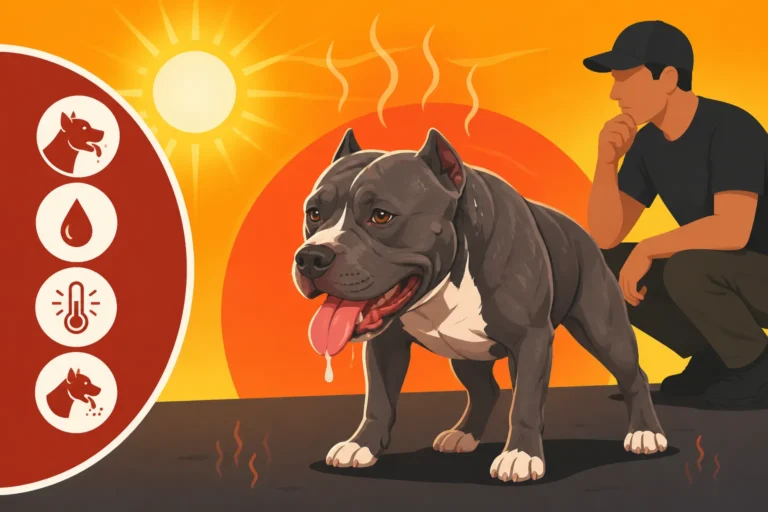
- Heat: Pit Bulls have short coats, which can make them susceptible to sunburn, especially on pink noses or bellies. More critically, they can overheat quickly. Avoid exercising during the hottest parts of the day (usually midday to late afternoon). Stick to early mornings or late evenings. Watch for signs of heatstroke: excessive panting, drooling, weakness, stumbling, or red gums. Always carry water. Consider cooling vests or bandanas, easily found on Amazon, for walks in warm weather. Heat Tolerance in a Short-Coated Pit Bull is a critical consideration.
- Cold: While their short coats mean they're not built for extreme cold, most Pit Bulls can handle cooler temperatures with proper care. For very cold weather or prolonged outdoor activity, a dog coat can be beneficial. Be mindful of ice and salted sidewalks, which can harm their paws.
- Terrain: Running on hard surfaces like pavement or concrete puts significant stress on joints. Whenever possible, opt for softer surfaces like grass, dirt trails, or sandy beaches. Uneven terrain can be great for building strength and proprioception but also carries a higher risk of sprains or twists. Always supervise closely. Be aware of sharp objects or broken glass, which can lead to Pit Bull Paw Pad Injuries on Hard Ground.
A smart owner adapts their exercise routine to the weather and ground conditions, always prioritizing their dog's safety and comfort.
| Exercise Type | Benefits for Pit Bulls | Potential Risks/Considerations |
|---|---|---|
| Brisk Leash Walks | Foundation fitness, mental stimulation, leash manners | Over-excitement/pulling, hard surfaces stress joints |
| Jogging/Running | Cardiovascular health, stamina, energy release | Joint strain if too much too soon, overheating, paw injuries |
| Agility | Mental challenge, coordination, body awareness | Impact on joints, risk of sprains/strains if not properly taught |
| Swimming | Low-impact cardio, builds muscle | Not all PBs swim naturally, water safety, ear infections |
| Scent Work | Mental enrichment, problem-solving, calm energy | Minimal physical risk; primarily mental |
| Tug-of-War | Builds muscle, satisfies prey drive, bond-building | Mouth/teeth injuries if rough, can escalate if not controlled |
| Flirt Pole | High-intensity bursts, agility, prey drive | Twists/sprains if not controlled, joint impact from sudden stops |
| Weight Pull | Extreme strength building (specialized) | High risk of injury if unsupervised/untrained, joint damage |
Maintaining Long-Term Fitness and Joint Health
Building fitness is an ongoing journey, not a destination. For a dog that can live 12-16 years, especially an athletic one like a Pit Bull, focusing on long-term health and adaptability is key.
Regular Vet Check-ups and Preventative Care
Your veterinarian is your most important partner in your Pit Bull's fitness journey. Regular check-ups, typically once a year for adults and twice a year for seniors, allow your vet to monitor their overall health, assess their musculoskeletal system, and catch any subtle issues before they become major problems.
During these visits, discuss your Pit Bull's exercise routine. Your vet can advise on appropriate intensity, recommend specific exercises or stretches, and screen for common Pit Bull ailments like Pit Bull Hip Dysplasia Showing at One to Two Years or certain heart conditions. They can also provide guidance on preventative measures, like appropriate parasite control or vaccinations, ensuring your dog is healthy enough for their activities. For older dogs, blood work may be recommended to check organ function, especially if they are on any long-term medications or showing signs of slowing down. This proactive approach is invaluable for managing their health for their entire life, ensuring you're Caring for a Pit Bull in Its Second Decade.
Supplements and Support for Active Dogs
For many active Pit Bulls, especially as they age or if they have predispositions to joint issues, certain supplements can offer valuable support. While not a cure-all, they can help maintain joint health and reduce inflammation.
- Glucosamine and Chondroitin: These are common ingredients in joint supplements aimed at supporting cartilage health and reducing degradation. Many vets recommend these for large, active breeds.
- Omega-3 Fatty Acids (Fish Oil): Known for their anti-inflammatory properties, Omega-3s can benefit joint health, skin, and coat quality. You can often find these in liquid or capsule form.
- MSM (Methylsulfonylmethane): Another supplement often included in joint health formulas, believed to support connective tissue and reduce pain.
Always discuss any supplements with your veterinarian before introducing them. They can advise on appropriate dosages and ensure there are no interactions with existing medications or health conditions. Not all supplements are created equal, and your vet can help you choose reputable brands. Many high-quality supplements are available through veterinary clinics, Chewy, or Amazon.
Adapting Exercise as Your Pit Bull Ages
As your Pit Bull transitions from a rambunctious puppy to a mature adult and then into their senior years, their exercise needs will naturally change. It's crucial to adapt their routine rather than rigidly sticking to what they did in their prime.
- Mature Adults (3-7 years): This is often their peak physical condition. Continue with varied, engaging activities, but remain mindful of overtraining. Focus on maintaining muscle tone and cardiovascular health.
- Senior Dogs (8+ years): You'll likely notice a gradual slowing down. This doesn't mean stopping exercise, but rather shifting its focus. Shorter, more frequent walks replace long runs. Gentle swimming, soft-ground walks, and mental games become more prominent. The goal is to maintain mobility and comfort. For example, instead of a strenuous hike, opt for several shorter, easy strolls throughout the day. You can read more about Getting a Pit Bull Back Into Condition with careful planning.
- Joint-Friendly Activities: Introduce more low-impact options. Swimming, leash walks on soft surfaces, and gentle stretching can be wonderful. Avoid high-impact activities like jumping or prolonged running on hard surfaces.
- Monitoring and Adjustment: Pay even closer attention to their body language. What was easy last month might be a struggle this month. Be flexible and adjust their routine based on their individual needs, energy levels, and any developing health conditions. Quality of life and comfort should always be the priority.
By being mindful of their age and making thoughtful adjustments, you can help your Pit Bull enjoy an active, healthy life well into their golden years.
Disclaimer
This article is for general informational purposes only and does not constitute professional advice. Laws, prices and regulations vary by location and change over time. Consult a qualified professional for guidance on your specific situation.