Working a Pit Bull Through a Hot Summer
The scorching summer months can be a real challenge for us and our beloved Pit Bulls, especially when we’re trying to keep them active and happy. It's frustrating to see your usually energetic companion wilting in the heat, and it can be genuinely worrying to know how quickly they can overheat. This guide is all about navigating those high temperatures safely, helping you understand the risks, spot the warning signs, and adapt your routine so your Pit Bull can still enjoy their summer without compromising their health.
Understanding the Risks of Summer Heat for Pit Bulls
Pit Bulls are incredible, powerful dogs, known for their athleticism and boundless energy. But those very traits, combined with some physical characteristics, make them particularly susceptible to heat-related illnesses. It’s not just about a dog being warm; it’s about their physiology working against them in high temperatures, and us, as their guardians, needing to be extra vigilant.
Anatomy and Heat Retention
When you look at a Pit Bull, you see a compact, muscular build. This dense musculature can actually generate and retain more body heat during exercise compared to a leaner, less muscular breed. They are like little furnaces once they get going! While their short coat might seem like an advantage, offering less insulation than a double-coated breed, it also means they have less protection from direct sun exposure, especially on areas like their belly or a pink nose. Breeds with broad chests and strong frames often have a different metabolic rate during exertion, contributing to quicker heat buildup. This unique combination means that even on a seemingly mild day, a strenuous game of fetch can turn dangerous much faster for a Pit Bull than for some other dogs.
Their ability to cool down is primarily through panting, which involves exchanging warm air from their lungs with cooler air. However, if the ambient air is already hot and humid, this evaporative cooling becomes much less efficient. Imagine trying to cool down by blowing hot air at yourself – it just doesn't work. That's what happens to a Pit Bull trying to pant effectively on a sweltering, sticky day. Their respiratory system has to work harder, increasing their internal temperature rather than lowering it. This is why we absolutely must be mindful of not just the temperature, but the humidity, when planning any outdoor activity.
Individual Risk Factors
Beyond the general breed characteristics, individual factors can significantly increase your Pit Bull's risk of overheating. Age plays a huge role; both very young puppies and senior Pit Bulls are more vulnerable. Puppies haven't fully developed their thermoregulation systems, and older dogs, especially those over Pit Bull Lifespan Across Twelve to Sixteen Years, might have underlying health conditions like heart issues or arthritis that make them less able to cope with heat stress. A Pit Bull puppy's energy can lead them to overexert without realizing it, while a senior dog might not be able to move quickly enough to find shade or cooler spots.
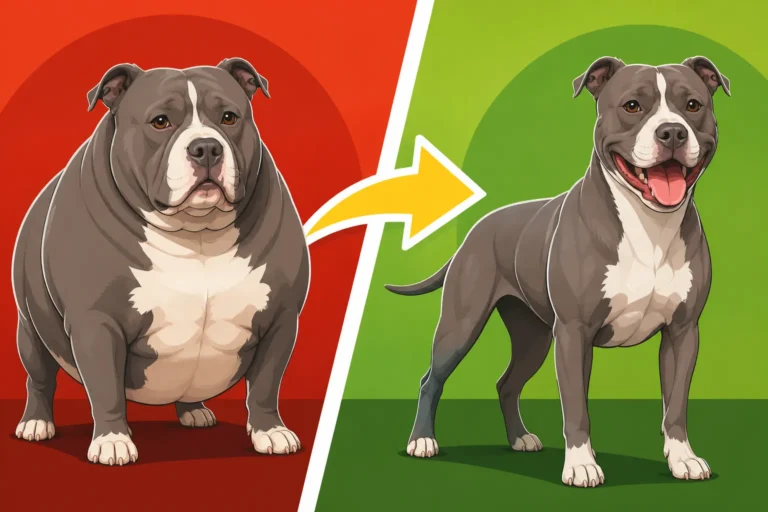
Weight is another critical factor. While Pit Bulls are naturally muscular, Pit Bull Obesity and Joint Strain is a real concern, and extra fat acts as an insulating layer, trapping heat in the body. A heavy Pit Bull will struggle significantly more than one at a healthy, lean weight. Any pre-existing health conditions, such as respiratory problems (even mild ones), laryngeal paralysis, or heart disease, can severely impair a dog's ability to cool down efficiently. Even dogs on certain medications might have an altered response to heat, so it’s always wise to discuss summer safety with your vet, especially if your Pit Bull has any ongoing health issues or takes daily medication.
Recognizing Heat Stress: Spotting the Signs
Knowing when your Pit Bull is getting too hot is absolutely crucial. They can’t tell us in words, so it’s up to us to read their body language and physical cues. What starts as mild discomfort can quickly escalate into a life-threatening emergency, so early recognition and intervention are key.
Early Signs of Overheating
The very first signs of your Pit Bull overheating can be subtle, easily missed if you’re not paying close attention. You might notice they are panting more heavily than usual, even if they haven't been exercising intensely. Their breathing might seem shallow and rapid, rather than the deep, measured pants you typically hear after a good run. Their gums might appear a darker red than normal, almost brick-red, as their blood vessels dilate in an attempt to cool the body. You might also observe increased drooling, with thicker, ropier saliva.
Behaviorally, they might become restless, constantly shifting their position, trying to find a cooler spot on the ground. Some dogs will try to dig at surfaces, seeking the cooler dirt underneath. They might start seeking shade more frequently or be less responsive to commands, showing a slight decrease in their usual enthusiasm. If you’re out on a walk, they might slow down, drag behind, or refuse to move altogether. Pay close attention to these nuances, especially if you're out and about. It's easy to assume they're just tired, but in warm weather, it's often the first indicator of Spotting Heat Trouble in a Working Pit Bull.
Advanced Symptoms and Heatstroke
If early signs are missed or ignored, heat stress can quickly progress to heatstroke, which is a medical emergency. At this stage, symptoms become much more severe and alarming. Vomiting and diarrhea are common, sometimes with blood present, as the internal organs start to shut down. They might become disoriented, stumbling, weaving, or appearing confused in familiar surroundings. Their gums could turn pale, blue, or purplish if they are going into shock, or remain a very dark red. Their heart rate will be noticeably elevated, and their body temperature will climb dangerously high (above 104°F or 40°C).
One of the most critical signs is collapse or seizures. If your Pit Bull falls down, is unresponsive, or starts having uncontrolled muscle spasms, they are in immediate, dire danger. Their breathing might become labored, gasping, or even slow and shallow right before collapsing. At this point, every second counts. You might also notice a loss of consciousness. This isn't just "overheating" anymore; it's a full-blown emergency where their life is at risk. Immediate cooling and veterinary intervention are absolutely paramount. Knowing these advanced signs is not just for prevention, but for quick action.
Here's a quick reference table for recognizing heat stress:
| Symptom Category | Early/Mild Heat Stress | Advanced/Severe Heatstroke |
|---|---|---|
| Panting/Breathing | Heavy, rapid panting; shallow breaths | Labored breathing, gasping, deep chest heaving |
| Gums/Mouth | Dark red gums; increased, thick drooling | Pale, bluish, or purplish gums; extremely sticky saliva |
| Energy/Behavior | Restlessness, seeking shade, slowing down, decreased enthusiasm | Stumbling, disorientation, confusion, collapse, seizures |
| Other Physical | Warm to the touch | Vomiting (possibly bloody), diarrhea, high body temperature, rapid heart rate |
| Urgency | Act immediately to cool down and monitor. | Immediate emergency veterinary care required. |
Adjusting Exercise Routines for Summer Safety
The idea that Pit Bulls need intense, prolonged exercise every single day, no matter the weather, is a myth that can put them in serious danger during summer. While they are athletic, smart adjustments to their routine are non-negotiable when temperatures rise. It's about working with the weather, not against it.
Timing Your Walks
This is perhaps the simplest yet most effective adjustment you can make. During the peak summer months, the midday sun is incredibly dangerous. Temperatures often soar, and pavement can become scalding hot, leading to Hot Pavement Under a Pit Bull Paw. Instead of the usual afternoon stroll, shift your walks to the cooler parts of the day. Early morning, just as the sun is coming up, is often the best time. The air is typically freshest, and the ground has had all night to cool down.
Another good window can be late in the evening, after the sun has set and the asphalt has released some of its stored heat. Remember, a quick test: if the pavement is too hot for your bare hand for five seconds, it's too hot for your Pit Bull's paws. You might find you need to reschedule your usual routines drastically. For some, this might mean a short potty break midday, perhaps only on grass, and then two longer, more engaging walks in the very early morning and late evening. This strategy helps keep their exercise consistent without exposing them to dangerous conditions.
Modifying Intensity and Duration
Even during cooler parts of the day, the summer air can still be warm and humid, and the cumulative effect of a hot season can wear on a dog. It's essential to dial down the intensity and duration of your Pit Bull's exercise. Those long, vigorous runs or high-impact games of fetch might need to be put on hold until the fall. Instead, opt for shorter, gentler walks. Focus on sniffing and exploring rather than sustained cardio. A 20-minute sniffari in the park at 6 AM is far safer and often more mentally stimulating than a 45-minute jog at 10 AM.
Consider the type of exercise too. Instead of fetching a tennis ball, which encourages explosive sprints and stops, try a leisurely walk with a Harnesses Built for a Pulling Pit Bull and focus on loose-leash training. If your Pit Bull is usually a hardcore agility enthusiast, swap out jumps for weaves or ground-level scent work. The goal is to provide mental and physical activity without raising their core body temperature too quickly or too high. Remember, the rule of thumb for The Daily Exercise a Pit Bull Actually Needs needs to be re-evaluated on a hot day. It's better to under-exercise than over-exercise when heatstroke is a risk.
Alternative Exercise Ideas
When it's simply too hot to be outside, or Whether to Walk a Pit Bull Above Eighty Degrees is the question, you need an arsenal of indoor alternatives to keep your Pit Bull from getting bored and destructive. Swimming is an excellent option if you have access to a safe, dog-friendly pool or lake. It's a fantastic full-body workout that keeps them cool simultaneously. Always supervise closely and make sure they wear a doggy life jacket, especially if they aren't strong swimmers. A sturdy life vest can be found on sites like Amazon.
For indoor activities, mental stimulation is your best friend. Puzzle feeders, which you can fill with their regular kibble or safe treats, can keep them engaged for significant periods. Brands like Kong and Outward Hound offer options that are usually tough enough to withstand a Pit Bull's powerful jaws. You can find a wide array of Puzzle Feeders a Pit Bull Cannot Destroy on Chewy. Scent work is another fantastic way to tap into their natural instincts and tire them out mentally without much physical exertion. Hiding treats around the house and encouraging them to sniff them out is a low-impact activity that offers huge rewards. Even basic obedience training sessions, broken into short bursts, can be mentally taxing and fulfilling. Indoor Games for a Housebound Pit Bull can save your furniture and their sanity!
Hydration and Cooling Strategies
Keeping your Pit Bull hydrated and actively cooled is paramount during the summer months. It's not enough to just hope they drink enough; we need to proactively encourage it and provide effective cooling aids.
Ensuring Constant Water Access
Your Pit Bull needs access to fresh, clean water at all times, both indoors and out. During hotter days, their water intake will naturally increase, so make sure bowls are topped up frequently. Consider having multiple water bowls around the house and yard, so wherever they go, water is easily accessible. If you have an outdoor Pit Bull, ensure their water bowl is in the shade to keep the water from getting warm and unappealing. Stainless steel bowls tend to stay cooler than plastic.
When you're out and about, a portable water bottle and collapsible bowl are absolute must-haves. Even a short walk can necessitate a water break. Don't wait until they're panting excessively to offer water. Offer it frequently, even every 10-15 minutes on a warm day. You might even encourage them to drink more by adding a few ice cubes to their water or offering diluted, plain chicken broth as a treat. Some dogs are picky about their water temperature, so keeping it cool can make a big difference in Pit Bull Water Intake After Hard Exercise.
External Cooling Methods
Beyond drinking, direct cooling methods can help regulate your Pit Bull’s body temperature. Cooling mats, which contain gel that activates with pressure, can be a godsend. Your Pit Bull can simply lie on one to dissipate heat. These can be easily found on Amazon or Chewy. Wet towels draped over their body, especially in areas with large blood vessels like the armpits and groin, can provide immediate relief. You can also wet their paws and the underside of their belly. Just be careful not to use ice-cold water, as a sudden shock can cause blood vessels to constrict, actually trapping heat. Cool, not freezing, is the key.
A kiddie pool filled with a few inches of water in a shaded spot in the backyard can be a fantastic way for your Pit Bull to cool off. Many Pit Bulls enjoy a good splash! Just ensure the water isn't too deep and they can easily get in and out. For dogs that don't like submersion, a gentle mist from a hose (not directly at their face) can help. Cooling Gear for a Short-Coated Pit Bull ranges from bandanas you can wet and freeze to specialized vests. Experiment to see what your Pit Bull tolerates and enjoys most.
Considering Diet Adjustments
While diet isn't the primary cooling strategy, some subtle adjustments can support your Pit Bull's overall well-being during intense heat. Feeding them smaller, more frequent meals might be easier on their digestive system than one large meal, reducing the metabolic heat generated during digestion. Some owners opt for "cooling" foods like plain, unsweetened yogurt (in moderation) or frozen fruits and vegetables like blueberries or green beans as refreshing treats. Always check what human foods are safe for dogs.
If your Pit Bull is typically on a high-protein, energy-dense diet because they are very active, you might consider slightly adjusting their caloric intake on days when their exercise is significantly reduced due to heat. This isn't about dramatically changing their food but rather preventing unwanted weight gain and reducing unnecessary metabolic load. Brands like Ollie offer fresh food options that can be appealing and hydrating, and you can add a little extra water to their kibble to increase fluid intake, which is especially good if you’re using a high-quality kibble from a vendor like Chewy. Remember, any significant diet change should always be discussed with your veterinarian.
Indoor Enrichment for Hot Days
When the mercury climbs and outdoor activities are curtailed, preventing boredom and destructive behaviors in your energetic Pit Bull becomes a top priority. A bored Pit Bull is often a mischievous Pit Bull! The good news is there are plenty of ways to keep their minds and bodies engaged indoors.
Mental Stimulation Over Physical Exertion
This is where your Pit Bull's intelligence can shine. Instead of running miles, engage their brains. Puzzle toys, as mentioned before, are fantastic. There are beginner-friendly ones and advanced versions that require multiple steps to get to the treat. Snuffle mats, where you hide kibble or small treats in fabric folds, encourage their natural sniffing behavior, which is incredibly tiring and satisfying for dogs. Think of it as a treasure hunt for their nose!
You can also use indoor time for training sessions. Pit Bulls are highly trainable and love to work with their people. Work on new tricks, refine existing commands, or practice more complex sequences. A 15-minute training session can be as mentally exhausting as a long walk. Scent Work as Indoor Pit Bull Exercise is another excellent option. You can set up simple scent games where they have to find a specific odor (like a small treat) hidden in a series of boxes or under towels. This taps into their incredible sense of smell and provides a huge mental workout, making them feel productive and satisfied.
Cool Indoor Play
Even indoors, some physical activity is usually welcome, as long as it’s low-impact and doesn't generate excessive heat. Tug-of-war in short bursts can be a good energy release, provided your Pit Bull has good Tug Rules That Keep a Pit Bull Civil and knows to release the toy on command. Always use appropriate tug toys that are durable and easy for you to hold onto, which you can usually find through Chewy or Amazon. Gentle retrieving games with soft toys or a crinkly ball can also be fun.
For those with stairs in their homes, a controlled game of "find it" where you toss a treat up or down a few steps (never full flights, especially for puppies or seniors) can add a little bit of movement without overdoing it. Remember, the key is short bursts of activity followed by rest. Encourage them to settle down afterward with a long-lasting chew or a stuffed Kong to reinforce calm behavior. The goal is to avoid sustained, high-intensity play that gets their heart rate and body temperature soaring, even in an air-conditioned environment.
Emergency Preparedness: What to Do If Things Go Wrong
Despite our best efforts, sometimes things can still go wrong, and a Pit Bull can overheat. Knowing exactly what to do in an emergency can be the difference between a scary incident and a tragic outcome. Preparation is key.
First Aid for Heat Exhaustion
If you suspect your Pit Bull is showing signs of heat exhaustion, immediate action is crucial. First, get them to a cooler environment – move them into the shade, an air-conditioned car, or indoors. Offer them cool (not ice-cold) water, but don't force them to drink if they are unresponsive or vomiting, as they could aspirate it. Start cooling their body by wetting them down with cool water. Focus on their paws, the groin area, and the armpits, as these areas have major blood vessels close to the surface, allowing for more efficient heat exchange. You can use wet towels or a gentle stream from a hose. Avoid covering their entire body with a wet towel for too long, as this can trap heat.
You can also use a fan to blow air over their wet body, which helps with evaporative cooling. Continue these cooling measures for 10-15 minutes, and monitor their temperature if you have a rectal thermometer. The goal is to bring their temperature down gradually, not rapidly. While you are doing this, if you haven't already, call your veterinarian or an emergency animal hospital to let them know you are on your way and to get further advice. This swift first aid can stabilize them until professional help can take over.
When to Seek Veterinary Help
It's critical to know when "first aid" isn't enough and professional veterinary care is an absolute necessity. If your Pit Bull exhibits any advanced symptoms of heatstroke, such as severe disorientation, collapse, seizures, persistent vomiting or diarrhea, or loss of consciousness, you need to get them to an emergency vet immediately. These are Emergency Signs That Cannot Wait in a Pit Bull. Even if your cooling efforts seem to bring their temperature down, internal organ damage may still have occurred.
Even after seemingly recovering from milder heat exhaustion, a vet visit is still highly recommended. They can check for any delayed effects or underlying issues that might have contributed to the overheating. The vet will likely perform a thorough physical exam, possibly blood work, to assess organ function and ensure there's no lasting damage. Be prepared to describe what happened, what symptoms you observed, and what first aid measures you took. Remember, time is muscle and organ function in these situations. Don't delay or hesitate; a quick response can save your Pit Bull's life and prevent long-term complications.
Disclaimer
This article is for general informational purposes only and does not constitute professional advice. Laws, prices and regulations vary by location and change over time. Consult a qualified professional for guidance on your specific situation.