Which Pit Bull Supplements Are Marketing
It can feel completely overwhelming when you walk into a pet store or browse online marketplaces like Chewy or Amazon, faced with an endless array of supplements all promising to boost your Pit Bull's health, solve their itching, or give them superhero joints. It's tough to discern which ones are genuinely beneficial for our strong, athletic companions and which are mostly clever marketing designed to part us with our hard-earned cash. This guide will help you sort through the noise, understand what common Pit Bull health concerns might truly benefit from supplementation, and identify the ingredients that actually matter, so you can make informed choices for your dog's well-being.
The Lure of Supplements: Why We Reach for Them
As Pit Bull owners, we're constantly on the lookout for ways to keep our dogs in peak condition. We know they are powerful, active, and prone to certain health challenges, and when a product promises an easy fix or an added edge, it's natural to be drawn in. The pet supplement market is huge, and it’s growing, fueled by our love for our dogs and a desire to give them the best possible life. But with so many options, it's easy to fall for clever packaging and persuasive language without truly understanding what’s inside the bottle.
The Promise vs. Reality in the Supplement Aisle
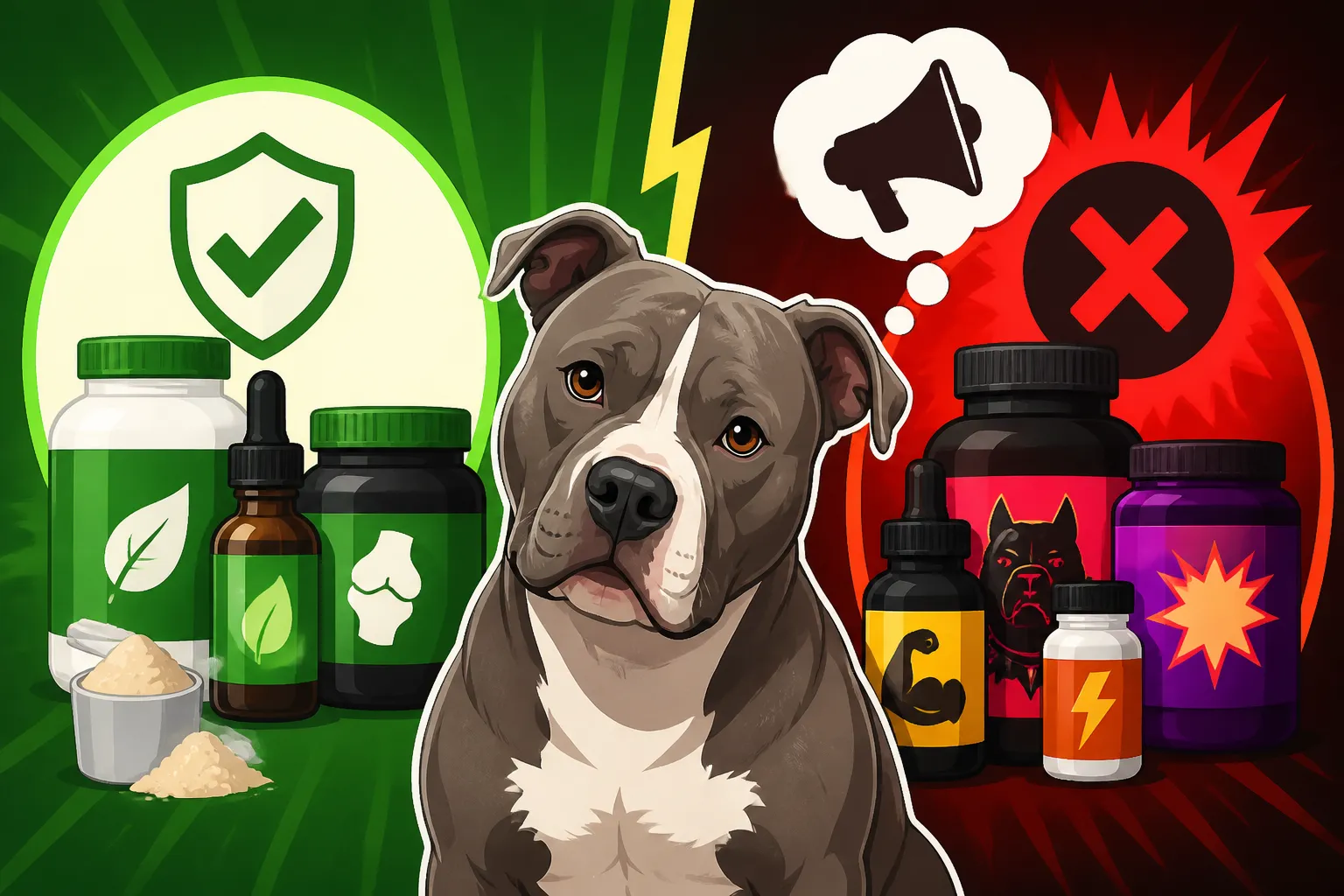
Every label seems to promise a miracle: shinier coats, boundless energy, pain-free joints, or a bulletproof immune system. Manufacturers use enticing phrases and heartwarming imagery, often implying that their product is essential for your dog's health, perhaps even suggesting that their formula is uniquely suited for powerful breeds. The reality, however, is often far less dramatic. Many supplements contain ingredients that are either not readily absorbed by a dog's body, are in such low doses that they have no therapeutic effect, or are simply unnecessary if your dog is already on a high-quality, balanced diet. It’s a bit like us taking a daily multivitamin without ever seeing a doctor – sometimes it helps, but often it's just a hopeful gesture. For instance, if your Pit Bull is already eating a nutritionally complete dog food, adding more of certain vitamins might just mean they excrete the excess, which is a waste of money and potentially puts strain on their system.
Common Pit Bull Health Concerns Driving Supplement Interest
Pit Bulls, with their muscular builds and energetic personalities, are often seen by owners as candidates for various supplements. Joint issues are a big one; many owners worry about conditions like Pit Bull Hip Dysplasia Showing at One to Two Years or Pit Bull Joint and Ligament Injuries due to their active nature and genetic predispositions. This concern often leads people to look for joint support formulas from puppyhood onwards. Skin and coat problems are another huge area of concern. Anyone who has dealt with a Pit Bull relentlessly scratching due to Pit Bull Skin Allergies and the Atopy Pattern knows the desperation that can lead to buying every skin-related supplement on the market. Digestive issues, while perhaps less common than skin or joint problems, can also prompt owners to seek out probiotic or digestive enzyme supplements. These genuine concerns create a fertile ground for supplement manufacturers, who often target these very specific worries in their marketing.
Decoding Supplement Ingredients: What Actually Matters
When you peel back the layers of marketing, what truly distinguishes a potentially helpful supplement from pure hype are its active ingredients and their concentrations. Understanding a few key compounds can empower you to make more informed choices, moving beyond the fancy labels to what's scientifically recognized as having an impact.
Joint Support: Glucosamine, Chondroitin, and MSM
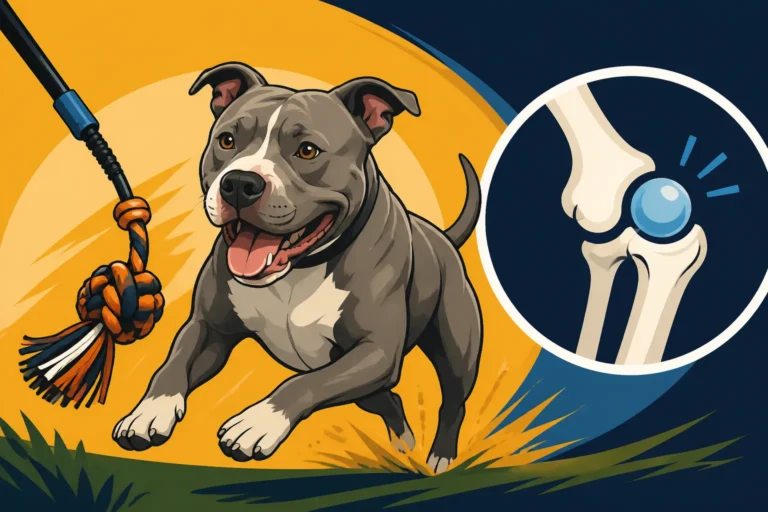
For active breeds like Pit Bulls, joint health is a perennial concern. The trio you'll most often see in joint support supplements are Glucosamine, Chondroitin, and MSM (Methylsulfonylmethane). Glucosamine is thought to help repair cartilage and improve joint lubrication. Chondroitin works synergistically with glucosamine, inhibiting enzymes that destroy cartilage and helping maintain cartilage elasticity. MSM is often included for its anti-inflammatory and pain-relieving properties. While the science on their efficacy can sometimes be debated in veterinary circles, many veterinarians and owners report positive anecdotal evidence, especially for dogs showing early signs of Arthritis in a Pit Bull at Seven or those recovering from injuries.
However, the key is dosage and quality. Not all glucosamine and chondroitin are created equal. You need to look for supplements that provide a therapeutic dose appropriate for your Pit Bull's weight, and where the ingredients are sourced reliably. Some products found on sites like Amazon might contain only trace amounts, offering little actual benefit. When considering joint support, discussing it with your vet, especially if your Pit Bull is showing The First Hip Signs in a Two Year Old Pit Bull, is always the best first step. They can advise on proper dosage and recommend reputable brands that have undergone third-party testing for purity and potency.
Skin and Coat Health: Omega-3 Fatty Acids
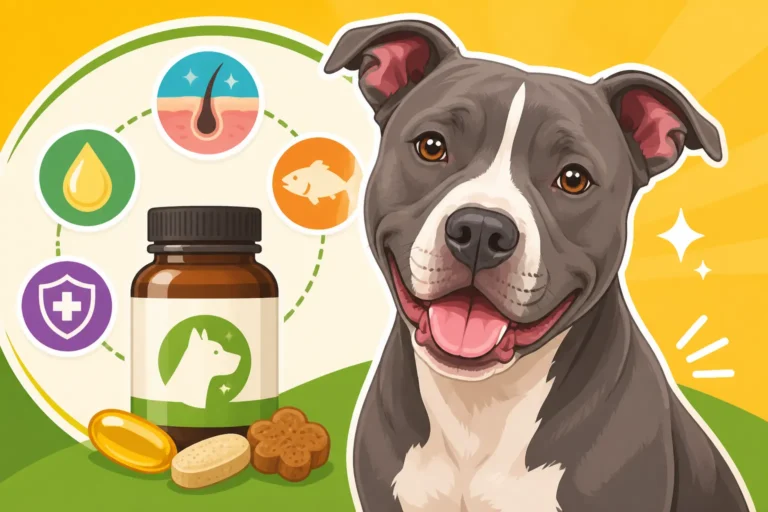
If your Pit Bull struggles with dry, flaky skin, dull coat, or persistent itching, omega-3 fatty acids are often the first supplement recommended. Specifically, EPA (eicosapentaenoic acid) and DHA (docosahexaenoic acid), primarily found in fish oil, are powerful anti-inflammatory agents. They can help reduce the inflammation associated with various skin conditions, including environmental allergies. Beyond skin, omega-3s are also beneficial for heart health, brain function, and joint support, making them a well-rounded supplement for many dogs.
Not all omega supplements are created equal, though. Look for products that specifically state the amounts of EPA and DHA per serving, not just the total fish oil content. The higher the EPA/DHA concentration, the more potent and often better quality the supplement. Avoid products with added fillers or excessive amounts of other oils, as these can dilute the beneficial omega-3s. Providing enough Omega Oils for Pit Bull Skin and Coat can sometimes make a noticeable difference in their comfort and appearance, helping to soothe irritated skin from conditions like Pit Bull Paw Licking and Chewing.
Gut Health: Probiotics and Prebiotics
A healthy gut is foundational to overall health, and this is true for Pit Bulls too. Probiotics are beneficial bacteria that help maintain a balanced microbiome in the digestive tract. Prebiotics are non-digestible fibers that feed these good bacteria. Together, they can support digestion, nutrient absorption, and even immune function. If your Pit Bull experiences occasional diarrhea, soft stools, or has recently been on antibiotics, a probiotic might be a helpful addition to their regimen.
The challenge with probiotics is ensuring the bacteria survive the journey through the digestive system and are viable when consumed. Look for supplements that list specific bacterial strains (like Lactobacillus or Bifidobacterium species) and a guaranteed number of colony-forming units (CFUs) at the time of expiration, not just at manufacturing. Some dog foods, including fresh food options like Ollie, might incorporate probiotics, but often in lower doses than a dedicated supplement. While generally safe, if your Pit Bull has underlying digestive issues, it's wise to consult your vet before adding a probiotic, as sometimes a more targeted approach, like a specific Pit Bull Food Allergy Signs Beyond the Skin diagnosis, is needed.
"Immune Boosters" and Other Vague Claims
This is often where the marketing hype really takes over. You'll see supplements promising to "boost immunity," "detoxify," or provide "complete wellness" without specifying how or why. While certain ingredients like antioxidants (Vitamin C, E) or medicinal mushrooms might have some immune-modulating properties, many "immune booster" products lack robust scientific evidence to support their broad claims in healthy dogs. Often, a dog receiving a high-quality, balanced diet already gets all the necessary vitamins and minerals to support a healthy immune system.
Be wary of supplements with long lists of obscure ingredients or proprietary blends that don't clearly state the quantity of each component. These can be red flags that the product is more about marketing than measurable health benefits. Before reaching for an "immune booster," consider if your Pit Bull has any specific immune-related health challenges, such as Demodex Mange in a Pit Bull which can sometimes be linked to a compromised immune system in puppies. In such cases, your vet would guide you on appropriate treatment, which rarely involves a generic immune-boosting supplement.
How to Spot Marketing Hype vs. Genuine Benefit
Navigating the supplement market requires a critical eye. It's easy to be swayed by a celebrity endorsement or a beautiful package, but digging a little deeper can save you money and ensure your Pit Bull actually gets something beneficial.
Reading Labels and Understanding Dosage
The label is your first line of defense against marketing hype. Don't just glance at the front; turn the bottle around and scrutinize the "Guaranteed Analysis" or "Supplement Facts" panel. Here’s what to look for:
- Active Ingredients: Are they clearly listed with their specific names (e.g., Glucosamine HCl, not just "joint blend")?
- Concentration/Dosage: Is the amount of each active ingredient explicitly stated per serving? Compare this to recommended veterinary dosages for your Pit Bull's weight. Many products under-dose critical ingredients.
- Other Ingredients/Fillers: What else is in there? Is it full of unnecessary binders, artificial colors, or flavors? Less is often more.
- Certifications: Does the product have a seal from a third-party testing organization, such as the National Animal Supplement Council (NASC) or another independent lab? This indicates quality control and adherence to manufacturing standards.
- Expiration Date: Always check it to ensure potency.
A good example might be comparing two joint supplements available on Chewy. One might advertise "Advanced Joint Support" on the front, but the back reveals minimal active ingredients. Another, perhaps less flashy, will clearly state 750mg Glucosamine, 600mg Chondroitin, and 400mg MSM per chew. That level of transparency is what you’re looking for.
The Importance of Veterinary Consultation
This cannot be stressed enough: your veterinarian is your most trusted resource. Before you add any supplement to your Pit Bull's diet, especially if they are already on medication or have an underlying health condition, talk to your vet. They have a comprehensive understanding of your dog's health history, current diet, and potential drug interactions. What seems like an innocuous "natural" supplement could interact negatively with prescribed medications or worsen an unknown condition.
Your vet can help you determine if a supplement is truly necessary, recommend specific brands that they trust, and advise on the correct dosage. For example, if your Pit Bull is experiencing Pit Bull Ear Infections Every Few Months, your vet might first investigate underlying allergies rather than immediately suggesting an "ear health" supplement. Sometimes, the best "supplement" is simply a high-quality, balanced diet and appropriate medical care, not an extra pill.
When a Supplement Might Actually Be Helpful
While caution is important, there are indeed times when supplements can play a valuable role in a Pit Bull's health management.
- Aging Dogs: As Pit Bulls enter their senior years, joint supplements can genuinely help manage the discomfort of Arthritis in a Pit Bull at Seven. Omega-3s can also support cognitive function and coat health.
- Specific Deficiencies: In rare cases, a vet might diagnose a specific nutritional deficiency that a targeted supplement can address.
- Skin Allergies: For Pit Bulls with chronic skin issues, high-quality omega-3 supplements can be a crucial part of managing inflammation and improving skin barrier function. Often, this is used in conjunction with other treatments for Pit Bull Atopy and Seasonal Itching.
- Post-Antibiotic Treatment: Probiotics can help restore beneficial gut flora after a course of antibiotics, which can disrupt the natural balance.
- Performance Dogs: Extremely active or working Pit Bulls might benefit from specific supplements designed to support muscle recovery or joint health under strenuous conditions, though this should always be guided by a vet or canine nutritionist.
It's about targeted support, not a scattergun approach. If your Pit Bull is otherwise healthy and on a good diet, the biggest "supplement" benefit often comes from consistent, high-quality food and appropriate exercise, which you can find guidance on from places like Ollie who focus on fresh, balanced nutrition.
Brands and Sourcing: Navigating the Market
The landscape of pet supplements is vast, with everything from small artisanal producers to large corporations. Knowing what to look for in terms of brand reputation and sourcing can help you avoid products that are all flash and no substance.
Reputable Brands vs. Trend-Chasers
A reputable supplement brand prioritizes scientific research, quality ingredients, and transparency. They will often conduct or fund clinical trials, clearly state their ingredient sources, and readily provide certificates of analysis for their products. These brands often have a long-standing presence in the veterinary community and are recommended by professionals. They aren't just jumping on the latest health fad; their products are formulated based on known biological pathways and nutritional science. You'll typically find these brands in veterinary clinics, specialized pet supply stores, or through trusted online retailers like Chewy.
On the flip side, "trend-chasers" often emerge quickly, capitalizing on popular human health trends and repackaging them for pets without sufficient research or quality control. They might use buzzwords like "superfoods," "natural detox," or "ancient remedies" without providing concrete evidence of efficacy or safety for dogs. Their products might pop up on Amazon with glowing but vague reviews, making it hard to distinguish genuine user experience from aggressive marketing tactics. Be skeptical of brands that make grand, unsubstantiated claims or those that use proprietary blends without disclosing ingredient amounts.
Cost Versus Value in Supplement Choices
It’s easy to think that more expensive automatically means better, but that’s not always the case with supplements. Value comes from a combination of effective ingredients at appropriate dosages, quality sourcing, and transparent manufacturing practices. A cheaper supplement might be a waste of money if it contains ineffective ingredients or too low a dose to make a difference. Conversely, an exorbitantly priced supplement isn't necessarily superior if its claims aren't backed by science or its ingredients aren't top-tier.
Consider the long-term cost as well. If your Pit Bull genuinely needs a joint supplement, investing in a good quality product may prevent or reduce the need for more expensive veterinary interventions down the line. However, if you're buying a supplement out of vague hope rather than a targeted need, even a low-cost item becomes a waste. Evaluate the actual benefits against the price. Sometimes, optimizing your Pit Bull's primary diet, ensuring they receive high-quality food (perhaps exploring options like Ollie for balanced, fresh meals), can negate the need for many supplementary products, providing better overall value for their health.
Here’s a quick overview of some common Pit Bull health concerns and the supplements often suggested, with notes on their general efficacy:
| Health Concern | Common Supplements Suggested | General Efficacy & Considerations |
|---|---|---|
| Joint Health | Glucosamine, Chondroitin, MSM, Green-lipped Mussel, Turmeric | Good for chronic conditions: Can help reduce inflammation and support cartilage. Crucial to ensure therapeutic dosages. |
| Skin & Coat Health | Omega-3 Fatty Acids (Fish Oil), Evening Primrose Oil | Highly effective for inflammation: EPA/DHA in fish oil are powerful. EPO less proven. Look for high EPA/DHA concentrations. |
| Gut & Digestion | Probiotics, Prebiotics, Digestive Enzymes | Helpful for imbalances: Good for post-antibiotic use, stress, or mild digestive upset. Ensure live, viable strains and sufficient CFUs. |
| Immune Support | Various "Immune Boosters," Antioxidant Blends | Often overhyped: A balanced diet usually provides ample immune support. Targeted use only under vet guidance. |
| Anxiety/Calmness | L-Theanine, Tryptophan, Hemp/CBD | Variable results: Some anecdotal success, but individual response differs. Research into CBD is ongoing. Consult vet first. |
Remember, supplements are just that: supplementary. They are not a replacement for a balanced diet, regular exercise, or professional veterinary care. For Pit Bulls, whose health can sometimes come under greater scrutiny, making informed choices about their care, including supplements, is a vital part of responsible ownership.
Disclaimer
This article is for general informational purposes only and does not constitute professional advice. Laws, prices and regulations vary by location and change over time. Consult a qualified professional for guidance on your specific situation.