Pit Bull Heart and Thyroid Conditions
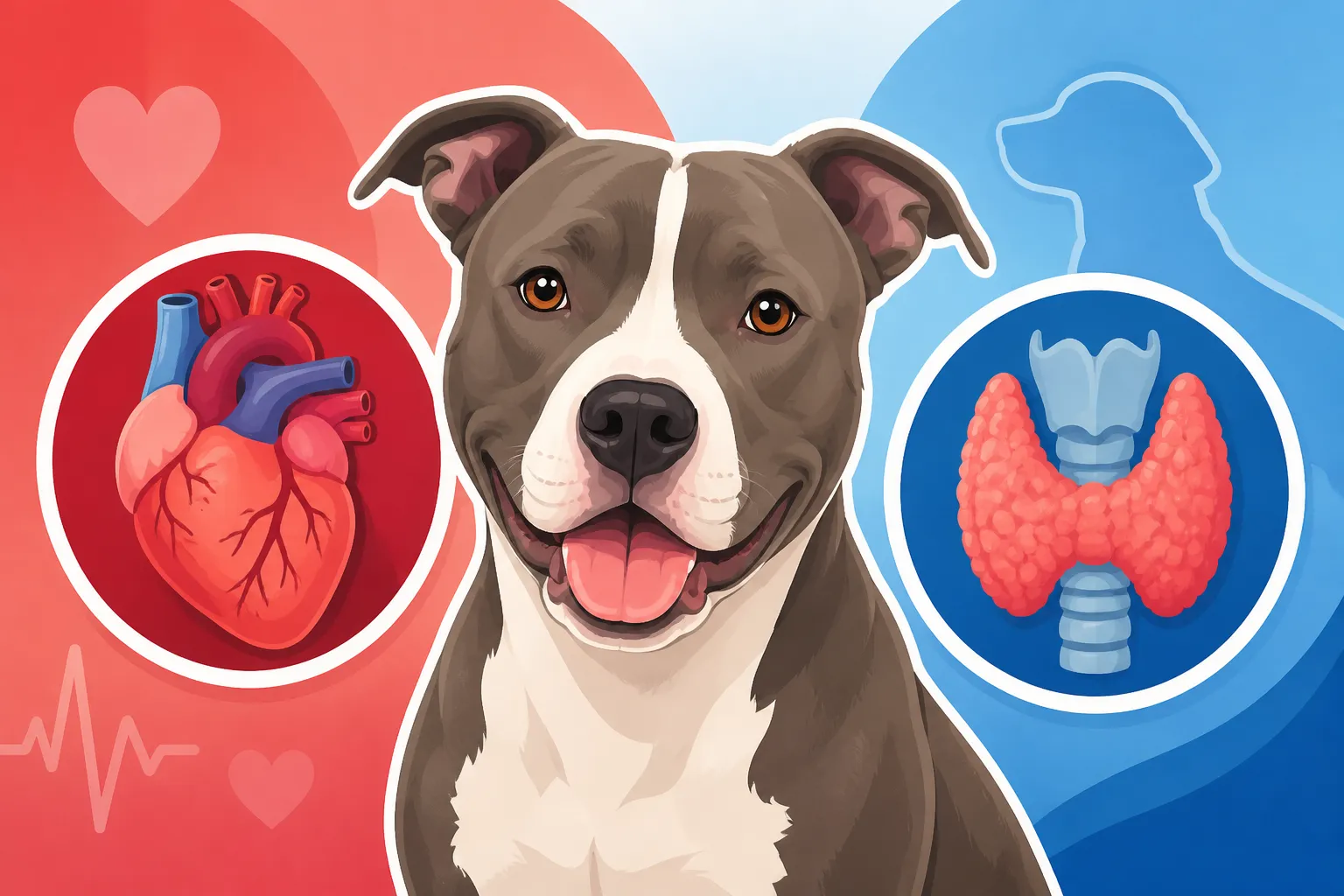
It’s heartbreaking to see our powerful, vibrant Pit Bulls slow down, become lethargic, or show signs of illness. Often, these subtle changes can point to underlying heart or thyroid conditions, which, left untreated, can severely impact their quality of life and even shorten their lifespan. This comprehensive guide will walk you through recognizing the signs, understanding the common conditions, and navigating the diagnostic and treatment paths for Pit Bull heart and thyroid health.
Understanding Heart Conditions in Pit Bulls
Pit Bulls are known for their athleticism and robust build, but unfortunately, like many breeds, they can be predisposed to certain heart conditions. These can be present from birth (congenital) or develop later in life (acquired). Understanding these conditions is the first step toward advocating for your dog's health.
Common Congenital Heart Defects
Pit Bulls, particularly American Pit Bull Terriers and American Staffordshire Terriers, are unfortunately predisposed to certain congenital heart defects, with aortic stenosis (AS) being one of the most significant. This condition involves a narrowing of the aorta, the main artery carrying blood from the left side of the heart to the rest of the body. Imagine a garden hose with a kink in it – the heart has to work much harder to pump blood through that constricted opening. This extra strain can lead to the heart muscle thickening over time, reducing its efficiency and leading to eventual heart failure.
Pups born with severe AS might show signs early, such as stunted growth, exercise intolerance, or even collapse during vigorous play. Milder cases might not be obvious until later in life, sometimes only being detected during a routine vet check-up when a heart murmur is heard. The severity of the narrowing dictates the long-term prognosis, but vigilance is key. If your vet hears a heart murmur during a Pit Bull Puppy Vaccination and Parvovirus appointment, it's crucial to follow up with further diagnostics.
While AS takes the spotlight, other congenital issues like pulmonic stenosis (narrowing of the artery leading to the lungs) or ventricular septal defects (holes in the heart wall) can also occur. These conditions disrupt normal blood flow, forcing the heart to overcompensate. Early detection, often through specialized cardiac exams, can help manage these issues before they become life-threatening. The genetic component means that responsible breeders should ideally be screening for these conditions in their breeding stock.
Acquired Heart Disease in Pit Bulls
Beyond what they're born with, Pit Bulls can develop acquired heart diseases later in life. Dilated cardiomyopathy (DCM) is a prime example. This is where the heart muscle becomes thin and weak, and the chambers enlarge, making it incredibly inefficient at pumping blood. Instead of a strong, coordinated squeeze, it's more like a weak, floppy balloon struggling to push liquid. This can lead to fluid accumulation in the lungs (pulmonary edema) or abdomen, a tell-tale sign of congestive heart failure.
Unlike the sometimes subtle signs of congenital issues, acquired heart disease often manifests with more noticeable symptoms. Owners might observe a persistent cough, particularly at night or after exercise, unusual lethargy, reduced appetite, or even fainting spells. A dog that used to love playing fetch might suddenly seem winded after just a few throws. If you notice your dog slowing down or coughing, especially if they are an older Pit Bull, it's time for a vet visit. This could be related to Congestive Heart Failure in an Older Pit Bull.
While DCM is a significant concern, other issues like chronic valvular disease (leaky heart valves) can also affect Pit Bulls. Regular veterinary check-ups are essential, as your vet can listen for changes in heart sounds or rhythms. Catching these conditions early, even if your dog seems outwardly healthy, can make a huge difference in managing the disease and extending their comfortable life. Investing in pet insurance like Healthy Paws can be incredibly helpful for covering the ongoing costs of managing such chronic conditions.
Diagnostic Tools and Procedures
When a heart condition is suspected, your veterinarian will start with a thorough physical exam. Listening to your Pit Bull's heart with a stethoscope – a process called auscultation – is often the first step to detecting a heart murmur or abnormal rhythm. They might also check pulses in the femoral arteries and listen to lung sounds for any crackles or fluid accumulation. This initial assessment helps them decide if further cardiac investigation is warranted, especially if A Heart Murmur Heard at a Pit Bull Checkup is noted.
If a murmur or other signs are present, your vet will likely recommend more advanced diagnostics. This typically includes chest X-rays to assess heart size and lung fields for fluid, and an electrocardiogram (ECG) to evaluate the heart's electrical activity and rhythm. The gold standard for diagnosing specific heart conditions, especially congenital defects like Aortic Stenosis in a Pit Bull Puppy, is an echocardiogram. This is an ultrasound of the heart that allows a veterinary cardiologist to visualize the heart's structure, measure blood flow, and assess valve function in real-time.
Blood tests might also be part of the workup, sometimes including specific cardiac biomarkers like NT-proBNP, which can indicate heart stress. Once a diagnosis is made, regular follow-up appointments, often involving repeated X-rays or echocardiograms, are crucial to monitor the progression of the disease and adjust medication as needed. This proactive approach ensures your Pit Bull receives the best possible care throughout their journey, maximizing their comfort and lifespan.
Navigating Thyroid Conditions in Pit Bulls
While perhaps less dramatic than heart disease, thyroid conditions can significantly impact a Pit Bull's overall health and vitality. Hypothyroidism, where the thyroid gland doesn't produce enough hormones, is a relatively common endocrine disorder in dogs, and Pit Bulls are no strangers to it.
Understanding Hypothyroidism
The thyroid gland, located in the neck, acts like the body's metabolic thermostat. It produces hormones, primarily T3 and T4, which regulate nearly every bodily function, from metabolism and energy levels to skin health and body temperature. When this gland doesn't produce enough of these vital hormones, the condition is called hypothyroidism, and it's surprisingly common in Pit Bulls, just like many other breeds.
In dogs, hypothyroidism is most often caused by autoimmune destruction of the thyroid gland, meaning the dog's own immune system mistakenly attacks and destroys the thyroid tissue over time. Less commonly, it can be due to atrophy of the gland or even certain medications. The gradual onset means symptoms can be subtle at first, making it easy to miss until the disease is quite advanced. This is why understanding Hypothyroidism and a Thinning Pit Bull Coat or other subtle signs is so important.
A sluggish thyroid impacts the entire body. Metabolism slows down, leading to weight gain despite no change in diet. The skin and coat suffer, becoming dry, flaky, and sometimes leading to hair loss or a "rat tail" appearance on the tail. Dogs often become lethargic, mentally dull, and intolerant to cold. It’s a systemic issue that can make your otherwise active Pit Bull feel perpetually tired and unwell, impacting their usual zest for life.
Symptoms and Diagnosis of Thyroid Issues
The symptoms of hypothyroidism can be wide-ranging and often mimic other conditions, which can make diagnosis tricky. Common signs include unexplained weight gain even if your Pit Bull is on the same food and exercise routine (a sign discussed in A Pit Bull Gaining Weight on the Same Food), lethargy, intolerance to cold, and a dull, dry, or thinning coat. Some dogs might also develop recurrent skin infections, ear infections, or display changes in behavior, such as becoming more sluggish or even aggressive due to feeling unwell.
If your vet suspects hypothyroidism, they'll typically start with a blood test. A basic thyroid screen might check total T4 levels. However, to get a complete picture, a full thyroid panel is usually recommended. This includes measuring total T4, free T4, T3, and thyroid-stimulating hormone (TSH) levels, along with autoantibodies. This comprehensive panel helps differentiate true hypothyroidism from other conditions that might temporarily depress thyroid hormone levels. Knowing When a Pit Bull Thyroid Panel Is Worth Running is key to avoiding misdiagnosis.
Because many symptoms overlap with other health issues, your vet might also run other blood tests to rule out conditions like Cushing's disease or certain skin allergies. It's a process of elimination sometimes, ensuring that the diagnosis is accurate and that your Pit Bull gets the right treatment for their specific problem. Remember, a definitive diagnosis relies on specific blood markers, not just symptoms alone, especially since some physical signs can be subtle under a muscular build.
Managing Thyroid Conditions
The good news is that hypothyroidism is highly treatable. Management typically involves lifelong daily medication, specifically a synthetic thyroid hormone replacement called levothyroxine (L-thyroxine). This medication effectively replaces the hormones your Pit Bull's body isn't producing, restoring their metabolism to a healthy state. It's crucial that this medication is given consistently, usually twice a day, on an empty stomach for optimal absorption.
Once treatment begins, your vet will schedule follow-up blood tests, typically 4-8 weeks later, to check the thyroid hormone levels and ensure the medication dosage is correct. It's not uncommon for the dosage to be adjusted a few times in the initial months until the ideal level is reached. After that, monitoring usually occurs every 6-12 months. This close management is vital because too little medication won't resolve symptoms, and too much can lead to an overactive thyroid state, which presents its own problems.
Owners often report significant improvements within weeks of starting treatment. You'll notice your Pit Bull regaining their energy, their coat becoming healthier and growing back, and any weight gain starting to reverse. While it's a lifelong commitment, managing hypothyroidism allows your Pit Bull to live a full, happy, and symptom-free life. It’s a perfect example of how early diagnosis and consistent treatment can drastically improve outcomes and restore your dog's zest for life.
Genetic Predispositions and Screening for Pit Bulls
Understanding the genetic lottery your Pit Bull won—or didn't win—is crucial for proactive health management. Both heart and thyroid conditions can have a hereditary component, making screening and informed choices vital for these dogs.
Breed-Specific Genetic Risks
It's a sad truth that certain breeds carry genetic baggage, and Pit Bulls are no exception when it comes to heart and thyroid conditions. As we discussed, aortic stenosis has a strong hereditary component in these dogs. While not every Pit Bull will develop these issues, the genetic blueprint passed down from parents can significantly increase their risk. This makes understanding the lineage and health history of your Pit Bull incredibly important, especially if you're bringing home a puppy.
The term "Pit Bull" itself encompasses several breeds, including American Pit Bull Terriers, American Staffordshire Terriers, and sometimes Staffordshire Bull Terriers or mixes. Each of these can have slightly different predispositions, but the overarching "Pit Bull type" often shares common genetic vulnerabilities due to their shared ancestry and breeding practices over generations. This makes generalized recommendations about screening all the more critical for these powerful dogs.
If you adopted your Pit Bull from a shelter, it can be challenging to know their full genetic history. However, for those acquiring a puppy from a breeder, asking detailed questions about the health of the parents and previous litters is paramount. A responsible breeder will be transparent about any history of heart or thyroid disease in their lines and should provide documentation of health screenings for their breeding stock, proving their commitment to health.
Importance of Breeder Screening
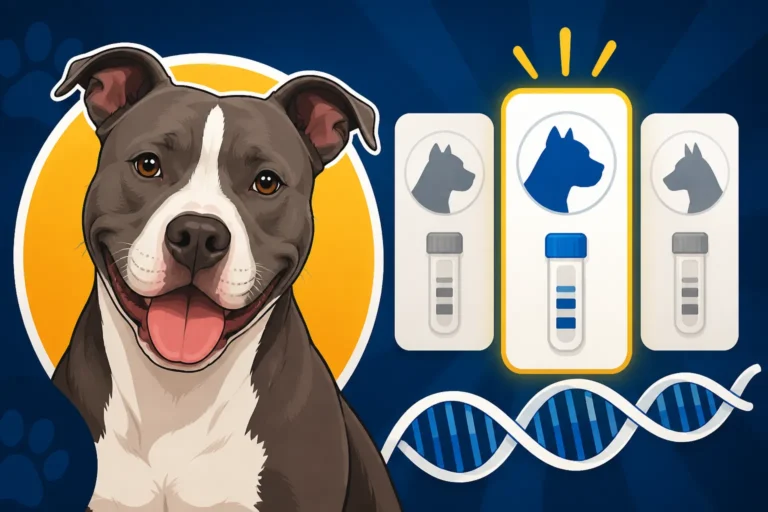
For anyone considering adding a Pit Bull to their family, especially from a breeder, understanding What Testing a Pit Bull Breeder Should Have Done is non-negotiable. Ethical breeders take proactive steps to minimize the incidence of hereditary diseases. For heart conditions, this means having their breeding dogs undergo regular cardiac evaluations by a board-certified veterinary cardiologist. These evaluations often include an echocardiogram to detect conditions like aortic stenosis before a dog is bred.
Similarly, breeding dogs should be screened for thyroid function. While hypothyroidism often develops later in life, some forms can have a genetic component. Regular thyroid panels on breeding animals can help identify lines that might be prone to the condition, allowing breeders to make informed decisions to reduce its prevalence in future generations. A breeder should be able to provide documentation from organizations like the Orthopedic Foundation for Animals (OFA) for cardiac and thyroid clearances, ensuring transparency and trust.
Don't just take a breeder's word for it. Always ask for verifiable documentation of health clearances. Reputable breeders will be proud to share these records, demonstrating their commitment to producing healthy puppies. This isn't just about avoiding future vet bills; it's about giving your future companion the best possible start in life and avoiding unnecessary suffering. The initial investment in a well-bred dog often pays dividends in reduced healthcare costs down the line.
Early Detection and Regular Check-ups
Even if your Pit Bull comes from extensively screened parents, regular veterinary check-ups throughout their life are crucial for early detection. For puppies, the vet will listen carefully for heart murmurs during their initial vaccination appointments, such as for Pit Bull Puppy Vaccination and Parvovirus. Any suspicion of a murmur should prompt further investigation with a cardiologist. Early detection of congenital issues can sometimes allow for interventions that improve long-term outcomes.
As your Pit Bull grows, annual wellness exams become your primary tool for monitoring their overall health. During these visits, your vet will perform a thorough physical, including auscultating the heart and lungs, palpating the thyroid area, and discussing any changes you've observed at home. These regular check-ins are where subtle signs of developing heart or thyroid issues, like a change in coat quality or a slight heart rhythm abnormality, can first be noticed. It's important for them to get a comprehensive exam yearly, including bloodwork, especially as they age, as discussed in The Bloodwork an Old Pit Bull Should Have.
As owners, you are your Pit Bull's best advocate. Pay close attention to any changes in their energy levels, appetite, weight, breathing, or coat quality. If your once energetic dog is suddenly reluctant to play, or if their coat seems unusually dry and sparse, don't hesitate to contact your vet. You know your dog best, and your observations are invaluable in helping your veterinary team catch potential problems early. Remember, proactive care is always better than reactive crisis management when it comes to long-term health.
Lifestyle and Management for Optimal Health
Beyond genetic predispositions, a Pit Bull's daily life, from what they eat to how much they exercise, plays a huge role in supporting their heart and thyroid health. Small, consistent efforts in lifestyle management can make a world of difference.
Dietary Considerations for Heart and Thyroid Health
Just like humans, a Pit Bull's overall health, including their heart and thyroid function, is heavily influenced by their diet. A high-quality, balanced diet rich in appropriate proteins, healthy fats, and essential vitamins and minerals is the foundation. Avoid generic, filler-heavy foods. Look for diets specifically formulated for active, muscular breeds if your Pit Bull fits that description, and consult with your vet or a veterinary nutritionist if you have concerns about specific dietary needs or restrictions.
For Pit Bulls diagnosed with heart disease, dietary modifications often become a cornerstone of their management plan. Vets may recommend prescription diets specifically formulated to support cardiac health, which are typically lower in sodium to help manage fluid retention and often contain added omega-3 fatty acids and L-carnitine, which are beneficial for heart muscle function. Similarly, for dogs on thyroid medication, maintaining a stable diet is important, though specific thyroid diets are not usually necessary beyond general good nutrition.
While the internet is full of recommendations for various supplements, it's crucial to discuss any supplements with your vet before introducing them. Some supplements can interact with medications or even be detrimental, especially for dogs with pre-existing heart or thyroid conditions. For instance, certain kelp-based supplements, while sometimes touted for thyroid health, can contain inconsistent levels of iodine, which could potentially complicate thyroid management. Stick to veterinary-approved guidance.
Exercise and Weight Management
Pit Bulls are naturally muscular and athletic dogs, and regular exercise is vital for maintaining their overall health, including cardiovascular fitness and a healthy metabolism. However, for dogs with diagnosed heart conditions, exercise needs to be carefully managed. Your vet or cardiologist will provide specific guidelines, which might involve limiting strenuous activity, ensuring shorter, more frequent walks, and avoiding exercise in extreme weather. Pushing a dog with a heart condition too hard can be dangerous.
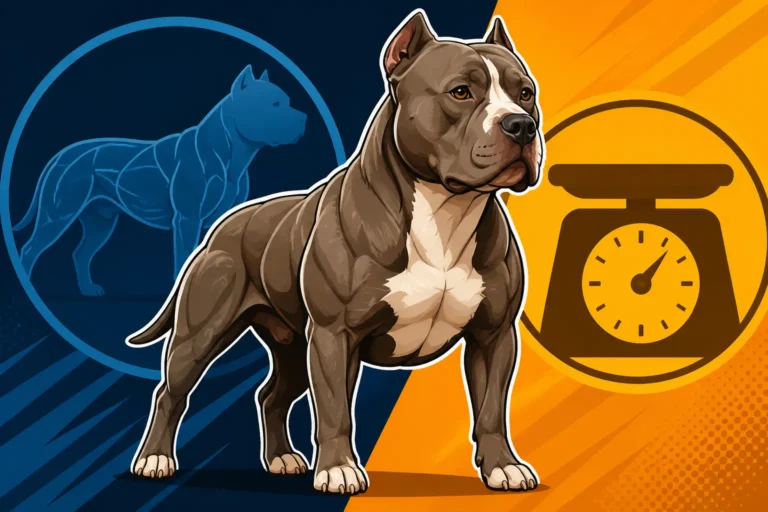
Maintaining a healthy weight is one of the single most impactful things you can do for your Pit Bull's heart and thyroid health. Obesity puts immense strain on the heart, exacerbating existing conditions and increasing the risk of developing new ones. For dogs with hypothyroidism, weight gain is a common symptom, and while medication will help, continued vigilance with diet and exercise is crucial to get them back to a healthy Pit Bull Weight and Muscle on a Working Frame. This is why articles like Pit Bull Obesity and Joint Strain are so relevant.
It can be tricky to tell if a muscular Pit Bull is overweight, as their solid build can hide excess fat. Regularly performing a body condition score check by feeling their ribs (you should be able to feel them easily but not see them) and observing their waistline is important. Your vet can show you how to accurately assess your Pit Bull's body condition and help you develop a safe weight loss plan if needed, ensuring they maintain their powerful physique without excess strain.
Stress Reduction and Environmental Factors
Stress can take a toll on a dog's body, potentially impacting physiological processes, including heart rate and hormone balance. For Pit Bulls, who thrive on routine and stability, a calm and predictable home environment can contribute positively to their overall well-being. This is especially true for dogs managing chronic health conditions. Ensuring they have a safe, quiet place to retreat, consistent daily schedules, and positive interactions can minimize stress, making them feel more secure and less anxious.
Environmental factors, particularly extreme temperatures, can significantly impact Pit Bulls with heart or thyroid conditions. Dogs with heart conditions may struggle to regulate their body temperature or cope with the added strain of heat or cold. Hypothyroid dogs might be more sensitive to cold due to their slowed metabolism. During hot summers, keep walks short and during cooler parts of the day, and always provide ample fresh water. In winter, consider warm coats for short-coated Pit Bulls during outdoor excursions to keep them comfortable.
Beyond diet and exercise, ensuring your Pit Bull receives consistent preventative care contributes to their overall health. This includes year-round parasite control for fleas, ticks, and heartworm, regular dental care, and up-to-date vaccinations. While these don't directly treat heart or thyroid conditions, they prevent additional stressors or illnesses that could complicate existing health issues, ensuring your dog's immune system isn't overtaxed and that they can focus their energy on battling their primary condition.
Medication and Treatment Options
A diagnosis of heart or thyroid disease means your Pit Bull will likely need medication, often for life. Navigating these treatment plans effectively is paramount to their long-term health and comfort.
Pharmacological Interventions for Heart Disease
Once a Pit Bull is diagnosed with heart disease, particularly if they are showing signs of congestive heart failure, medication becomes essential. The goal of these medications isn't to cure the underlying condition but to manage symptoms, slow progression, and improve quality of life. Common heart medications include diuretics (like Furosemide) to reduce fluid buildup, ACE inhibitors (like Enalapril or Benazepril) to relax blood vessels and reduce the heart's workload, and sometimes positive inotropes (like Pimobendan) to improve heart muscle contraction.
It's critical to understand that every Pit Bull's heart condition is unique, and their treatment plan will be highly individualized. A veterinary cardiologist will tailor the medication regimen based on the specific diagnosis (e.g., aortic stenosis vs. dilated cardiomyopathy), the severity of the disease, and how well your dog responds. What works for one dog might not be suitable for another, emphasizing the importance of expert veterinary care and careful observation.
Consistency is key with heart medications. Missing doses or giving them irregularly can lead to a worsening of symptoms and a decline in your Pit Bull's health. Owners often find it helpful to set alarms or use pill organizers to ensure medications are given on time, every time. Regular follow-up appointments and diagnostic tests are crucial to monitor how well the medications are working and to adjust dosages as the disease progresses. Pet insurance, such as Healthy Paws, can be invaluable in helping cover these ongoing medication and specialist consultation costs.
Thyroid Hormone Replacement Therapy
For hypothyroidism, the treatment is straightforward and highly effective: synthetic thyroid hormone replacement. Levothyroxine is the medication of choice and is typically given once or twice daily. This essentially provides the body with the hormones that the thyroid gland is failing to produce, restoring normal metabolic function. The difference it can make in a dog's energy levels and overall well-being is often dramatic and quickly noticeable.
Just like heart medications, consistency with levothyroxine is paramount. It's usually best given on an empty stomach, about 30-60 minutes before a meal, to ensure optimal absorption. Giving it with food can interfere with absorption, leading to fluctuating hormone levels. Establishing a strict routine, perhaps first thing in the morning and last thing at night, helps ensure maximum efficacy and consistent hormone levels throughout the day.
With consistent levothyroxine administration and regular monitoring, Pit Bulls with hypothyroidism can lead completely normal, healthy lives. It's a testament to modern veterinary medicine that a chronic endocrine disorder can be so effectively managed. The transformation from a lethargic, overweight dog with a poor coat to a vibrant, energetic companion can be truly remarkable, restoring their typical energetic demeanor.
Monitoring and Adjusting Treatment
Managing chronic heart or thyroid conditions isn't a "set it and forget it" situation. Regular re-evaluations are crucial. For heart patients, this might involve repeat chest X-rays to check for fluid, follow-up echocardiograms to assess heart function, and blood pressure monitoring. For hypothyroid dogs, regular blood tests to check thyroid hormone levels (often called a "recheck thyroid panel") are essential to ensure the dose of levothyroxine is still appropriate.
Be vigilant for any changes in your Pit Bull's condition. If a heart patient starts coughing more, becomes more lethargic, or has difficulty breathing, their medication likely needs adjustment. Similarly, if a hypothyroid dog starts to regain weight, becomes sluggish again, or develops a poor coat, their levothyroxine dose may need to be increased. Always communicate these observations to your vet promptly, as you are their primary caregiver and know them best.
Your veterinary team, which might include a general practitioner and specialists like a cardiologist or internal medicine expert, will be your partners in managing these conditions. Don't hesitate to ask questions, voice concerns, and stay actively involved in your Pit Bull's care. Their expertise combined with your diligent observation at home creates the best possible outcome for your beloved companion. This collaborative approach is what ensures long-term success.
Prognosis and Long-Term Care
Receiving a diagnosis of a chronic heart or thyroid condition can be daunting, but understanding the prognosis and committing to long-term care can ensure your Pit Bull maintains a good quality of life for as long as possible.
Living with a Heart Condition
A diagnosis of a heart condition, especially one like Heart Disease in a Pit Bull, can feel overwhelming, but it's important to remember that many dogs live happy, fulfilling lives for years with proper management. The focus shifts from "cure" to maximizing their quality of life, minimizing symptoms, and slowing disease progression. This often means adjusting expectations about activity levels and being diligent with medication and monitoring, prioritizing their comfort and well-being.
It’s crucial to have open conversations with your vet or cardiologist about the specific prognosis for your Pit Bull's condition. While some congenital heart defects can be surgically corrected, many heart diseases are progressive. Understanding the likely course of the disease and potential complications allows you to make informed decisions about care and to appreciate the good days. Regular check-ups, potentially every 3-6 months, are typically required for ongoing management, which can be covered by a good pet insurance plan from providers like Healthy Paws.
Dealing with a chronically ill pet can be emotionally and financially draining. Don't hesitate to lean on your veterinary team for support and advice. Many online communities and support groups exist for owners of dogs with heart disease, offering a space to share experiences and coping strategies. Remember you're not alone, and resources are available to help you and your Pit Bull navigate this journey, ensuring you have the emotional fortitude to continue providing dedicated care.
Long-Term Outlook for Thyroid Patients
The long-term outlook for Pit Bulls diagnosed with hypothyroidism is generally excellent, provided they receive consistent and appropriate treatment. Once the correct dosage of levothyroxine is established, most dogs will show a complete resolution of symptoms and can lead a normal lifespan. It truly is one of the most gratifying conditions for vets to treat because the improvement in the dog's demeanor, energy levels, and physical health is often so dramatic and evident.
While the prognosis is good, it's essential to remember that hypothyroidism is a lifelong condition requiring continuous medication. There's no "cure" in the sense that the thyroid gland will magically start working again. However, with daily pills, your Pit Bull will likely experience no adverse effects from the condition. It simply becomes a routine part of their daily care, similar to giving them their meals, without impacting their overall happiness or activity.
Even with a stable dose, periodic blood tests (usually once or twice a year) are necessary to ensure the thyroid hormone levels remain within the therapeutic range. These rechecks allow your vet to make any necessary adjustments to the medication as your Pit Bull ages or if their other health needs change. This simple monitoring ensures that their "metabolic thermostat" stays perfectly tuned, allowing them to remain energetic and maintain a healthy Pit Bull Weight and Muscle on a Working Frame.
When to Seek Specialist Care
While your general practice veterinarian can manage many heart and thyroid conditions, there are times when specialist care is highly beneficial, if not essential. For complex congenital heart defects, rapidly progressing acquired heart disease, or cases that aren't responding well to standard medication, a board-certified veterinary cardiologist offers advanced expertise and diagnostic capabilities, such as advanced echocardiography or interventional procedures. They can provide the most precise diagnosis and cutting-edge treatment options.
Similarly, while rare, some hypothyroid cases can be tricky to manage, or a dog might present with unusual symptoms. If your Pit Bull isn't responding to levothyroxine as expected, or if there's any uncertainty in the diagnosis, an internal medicine specialist can provide further insight. They can rule out other endocrine disorders or unusual causes of thyroid dysfunction, ensuring your dog gets the most accurate diagnosis and effective treatment plan.
Specialists have dedicated training, equipment, and experience in specific areas, allowing for a deeper understanding of rare presentations or challenging cases. They work in conjunction with your primary vet, providing a higher level of care when needed. While specialist visits can be more expensive, the investment can be priceless in terms of accurate diagnosis, optimal treatment, and ultimately, a better outcome for your Pit Bull. Having pet insurance, like the plans offered by Healthy Paws, can significantly alleviate the financial burden of specialist consultations and advanced diagnostics.
Preparing for Future Health Challenges
Being prepared for potential health challenges is a hallmark of responsible Pit Bull ownership. From maintaining meticulous records to planning for their senior years, foresight can make all the difference.
Comprehensive Health History and Records
No matter how old your Pit Bull is, maintaining a comprehensive health history is invaluable. This includes vaccination records, annual exam notes, any diagnoses, medications, and even subtle behavioral changes you've noticed over the years. If you ever move, switch vets, or need to see a specialist, having all this information readily available ensures continuity of care and helps new practitioners quickly get up to speed on your dog's unique health profile, avoiding redundant tests or missed details.
If you have a puppy, keep detailed records of its early life, including breeder information, parents' health clearances, and any early vet visits. This historical data can be vital in understanding potential genetic predispositions later on, particularly for conditions like Pit Bull Hip Dysplasia Showing at One to Two Years or the heart and thyroid issues we've discussed. Even an adopted rescue dog benefits from any available history from the shelter or previous owners.
Whether you prefer a digital file or a physical binder, the key is organization and accessibility. Many veterinary clinics now offer online portals where you can access your Pit Bull's records, making it easier to share information. Taking notes after each vet visit about discussions and recommendations is also a good habit, ensuring you remember key instructions and observations.
The Role of Pet Insurance
Let's be real: managing chronic conditions like heart disease or even the ongoing costs of hypothyroidism can add up quickly. Pet insurance, such as Healthy Paws, is something every Pit Bull owner should seriously consider. It acts as a financial safety net, helping to cover unexpected veterinary bills, emergency visits, diagnostics like echocardiograms, ongoing medications, and specialist consultations. It helps you focus on getting your Pit Bull the best care, rather than worrying solely about the cost.
Not all pet insurance policies are created equal, so it's vital to do your research. Look for plans that cover hereditary and congenital conditions, which are highly relevant for Pit Bulls and the conditions we've discussed. Be aware of waiting periods and pre-existing condition clauses. Enrolling your Pit Bull when they are young and healthy is often the best strategy to ensure coverage for potential future ailments, maximizing the benefit of your investment.
While pet insurance is a fantastic tool, it's just one piece of the puzzle. It empowers you to make medical decisions based on what's best for your dog, not just what you can afford out-of-pocket. When faced with a complex diagnosis, knowing that a significant portion of the costs could be reimbursed allows you to explore all available treatment options, including specialist care, without the immediate financial burden, granting you peace of mind during stressful times.
Long-Term Planning and End-of-Life Considerations
As your Pit Bull enters its senior years, their needs will change. Heart and thyroid conditions, or other age-related issues, may become more prevalent. Proactive planning for Caring for a Pit Bull in Its Second Decade means discussing changes in diet, exercise, and potential mobility aids with your vet. Regular senior wellness exams, often including comprehensive bloodwork, are recommended to catch age-related problems early, as highlighted in The Bloodwork an Old Pit Bull Should Have.
Sometimes, despite our best efforts, chronic conditions progress to a point where quality of life diminishes. Having honest, empathetic conversations with your veterinarian about your Pit Bull's comfort, pain management, and overall happiness is a crucial, albeit difficult, part of long-term care. These discussions are about ensuring your beloved companion lives with dignity and without unnecessary suffering, always prioritizing their comfort above all else.
The ultimate act of love for a pet is ensuring their peace. Knowing The Hardest Call a Pit Bull Owner Makes is incredibly tough, but having thought through these possibilities and discussed them with your vet can provide clarity during an emotionally charged time. Focusing on their comfort, love, and ensuring their last moments are peaceful is the final, most profound way we care for our Pit Bulls, honoring the incredible bond you share.
| Condition | Common Symptoms | Pit Bull Predisposition | Diagnostic Methods | Typical Treatment |
|---|---|---|---|---|
| Aortic Stenosis (AS) | Heart murmur, exercise intolerance, lethargy, collapse (severe cases) | High (American Pit Bull Terriers, AmStaffs) | Echocardiogram, ECG, chest X-ray | Medication to manage symptoms, sometimes balloon valvuloplasty (rare) |
| Dilated Cardiomyopathy (DCM) | Coughing, lethargy, weakness, exercise intolerance, fluid retention, difficulty breathing | Moderate | Echocardiogram, ECG, chest X-ray, blood tests (cardiac biomarkers) | Diuretics, ACE inhibitors, Pimobendan |
| Hypothyroidism | Weight gain, lethargy, cold intolerance, dry/thinning coat, recurrent skin/ear infections | Moderate to High (common in many breeds including Pit Bull types) | Comprehensive thyroid panel (T4, free T4, TSH, autoantibodies) | Lifelong synthetic thyroid hormone (Levothyroxine) |
Disclaimer
This article is intended for informational purposes only and does not constitute veterinary advice. Always consult with a qualified veterinarian for any health concerns or before making any decisions about your Pit Bull's care.