Pit Bull Rescue and Breed Advocacy Groups
It can be incredibly disheartening to see the sheer number of loving, loyal Pit Bull type dogs filling shelters, often overlooked or facing unfair restrictions simply because of how they look. Many wonderful dogs are desperate for a second chance, and thankfully, dedicated organizations are working tirelessly to change their fate. This guide delves into the vital work of Pit Bull rescue and breed advocacy groups, explaining their missions, the challenges they face, and how they make a real difference for these deserving dogs and their human companions.
Understanding the Landscape of Pit Bull Rescue
The journey for many Pit Bull type dogs often begins with a rescue organization. These groups are on the front lines, literally saving lives and providing a bridge between a dog's past difficulties and a brighter future. It's a challenging, emotionally taxing, but profoundly rewarding endeavor that often relies heavily on the dedication of volunteers and donations.
Why Pit Bulls Often Need Rescue
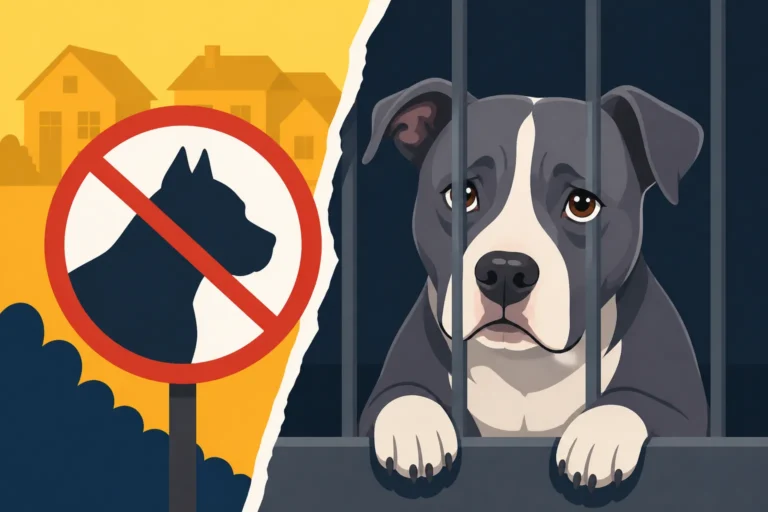
The unfortunate reality is that Pit Bull type dogs disproportionately make up the population in shelters across the country. There are several overlapping reasons for this, often rooted in societal perceptions and misunderstandings rather than individual dog behavior. For one, breed-specific legislation (BSL) in certain areas, even if it's slowly being repealed in places like Florida, still forces many families to surrender their beloved companions when they move or when new laws are enacted. Imagine having to choose between your home and your dog – it's a heartbreaking situation that many Pit Bull owners face. Furthermore, the stigma surrounding the "Pit Bull" label means that these dogs often wait longer for adoption than other breeds, increasing their risk of euthanasia in overcrowded facilities. Many well-meaning owners, perhaps unprepared for the breed's strength or the societal judgment they might encounter, also find themselves overwhelmed, leading to surrenders. Factors like Why Housing Rules Send Pit Bulls to Shelters play a huge role, limiting where families can live with their dogs.
Beyond legislative and social pressures, Pit Bulls often end up in rescue due to common dog owner challenges, sometimes exacerbated by their breed characteristics. For example, a strong, athletic dog might struggle with Pit Bull Leash Pulling at Fifty Pounds if not properly trained, leading to frustration for owners who then feel unable to manage their pet in public. Uncontrolled allergies can lead to chronic skin issues, and the cost of veterinary care can quickly become overwhelming for families, leading to difficult decisions about surrender. Pit Bull Skin Allergies and the Atopy Pattern is a common issue that, if left unmanaged, can significantly impact a dog's quality of life and an owner's budget.
The Role of Dedicated Pit Bull Rescues
Dedicated Pit Bull rescue organizations step in where others often cannot or will not. Their primary mission is to save Pit Bull type dogs from euthanasia in shelters, provide them with veterinary care, rehabilitation, and ultimately, find them loving, permanent homes. These groups are often breed-specific, meaning they focus solely on Pit Bulls, American Staffordshire Terriers, Staffordshire Bull Terriers, and sometimes American Bullies, giving them a deep understanding of the unique needs and challenges these dogs face. They often work closely with municipal shelters, pulling dogs from "euthanasia lists" and transporting them to safety, sometimes across state lines to areas with fewer breed restrictions or higher adoption rates.
The work of these rescues goes far beyond simply housing dogs. They invest heavily in each animal, often providing extensive medical treatment for injuries, illnesses, or neglected conditions. This can include everything from basic vaccinations and spay/neuter surgeries to complex orthopedic procedures for conditions like Pit Bull Hip Dysplasia Showing at One to Two Years or extensive dermatological care for severe allergies. Behavior assessment and modification are also crucial components, as many rescue dogs may have come from neglectful or abusive situations, or simply lack basic training. These rescues help them learn manners, build confidence, and become ready for adoption, often relying on a network of experienced foster homes and certified trainers.
Navigating the Challenges of Foster-Based Networks
Many Pit Bull rescue groups operate entirely through foster networks, meaning they don't have a physical shelter facility. Instead, dogs live in the homes of volunteers until they find their forever families. This model has incredible benefits: dogs receive individualized attention, learn what it's like to live in a home environment, and their personalities can truly blossom. Foster parents can provide detailed insights into a dog's quirks, preferences, and challenges, making it easier to match them with the right adoptive family. A foster home can help a Pit Bull puppy learn Pit Bull Puppy Biting That Draws Blood is not okay and redirect that energy to appropriate chewing.
However, running a foster-based rescue is not without its significant challenges. The number of dogs a rescue can save is directly limited by the number of available foster homes. There's a constant need for new volunteers willing to open their homes and hearts to a dog in need, often with varying degrees of behavioral or medical issues. The emotional toll on foster parents can also be immense, as they invest time and love into a dog only to say goodbye when it's adopted. Additionally, coordinating vet appointments, transport, training sessions, and adoption events across a distributed network of foster homes requires immense organizational skill and dedicated volunteers. Despite these hurdles, the foster model remains incredibly effective for giving Pit Bulls a stable, loving environment as they await their permanent homes.
The Mission of Breed Advocacy Organizations
While rescue groups focus on individual dogs, breed advocacy organizations zoom out to address the systemic issues that impact Pit Bulls. Their work is equally vital, aiming to change hearts, minds, and laws to create a more equitable world for these dogs.
Challenging Misconceptions and Stereotypes
Perhaps the most fundamental mission of Pit Bull advocacy groups is to dismantle the pervasive myths and negative stereotypes surrounding the breed. For decades, Pit Bulls have been unfairly branded as inherently aggressive, dangerous, and unpredictable. These labels are often fueled by sensationalized media reports, outdated information, and a general lack of understanding about dog behavior and genetics. Advocacy groups actively work to counteract this narrative by providing accurate information, sharing positive stories, and highlighting the true nature of these dogs: often affectionate, loyal, and incredibly resilient. They aim to inform the public that Why Pit Bull Is a Type and Not a Breed is a crucial distinction, as many different breeds and mixes fall under the umbrella term.
A significant part of this effort involves educating the public on what constitutes a "Pit Bull" and how unreliable visual identification can be. They emphasize that temperament is shaped by individual genetics, upbringing, training, and socialization, not solely by breed. By showcasing the countless Pit Bulls thriving as family pets, therapy dogs, and even search and rescue heroes, these groups challenge the notion that these dogs are inherently dangerous. They often point to reputable temperament studies, such as those conducted by the American Temperament Test Society (ATTS), which show Pit Bull type dogs consistently passing at rates comparable to or even higher than many other popular breeds. Understanding What Pit Bull ATTS Testing Does Not Measure is also important to set realistic expectations.
Advocating for Responsible Ownership and Legislation
Beyond dispelling myths, breed advocacy organizations are staunch proponents of responsible dog ownership for all breeds, including Pit Bulls. They believe that focusing on owner behavior, rather than breed, is the most effective way to promote public safety and animal welfare. This includes advocating for universal practices such as spay/neuter, microchipping, proper socialization, and consistent training. They emphasize that any dog, regardless of breed, can pose a risk if not raised and managed responsibly.
A major pillar of their advocacy is fighting against breed-specific legislation (BSL), which bans or restricts certain breeds, often Pit Bulls, based on appearance alone. They argue that BSL is ineffective, costly, and discriminatory, failing to enhance public safety while punishing responsible dog owners and leading to the euthanasia of countless adoptable dogs. Instead, these groups advocate for breed-neutral dangerous dog laws that focus on a dog's individual behavior and an owner's accountability. They actively lobby lawmakers, participate in public awareness campaigns, and support legal challenges to BSL. For example, they highlight successes in cities that have repealed such bans, like How Denver's Pit Bull Ban Was Repealed in 2020, demonstrating that focusing on responsible ownership yields better results for communities and dogs alike.
Educating the Public and Promoting Positive Images
To truly change perception, advocacy groups invest heavily in public education. They create resources, host events, and utilize social media to share stories, facts, and training tips. This might involve creating brochures on Socializing a Pit Bull Puppy Thoroughly or demonstrating how positive reinforcement can help manage a strong dog. They work to showcase Pit Bulls in a positive light, highlighting their intelligence, trainability, and affectionate nature. You'll often see them sharing photos of Pit Bulls excelling in dog sports, snuggling with children (under supervision, of course), or serving as invaluable companions.
These organizations also collaborate with other animal welfare groups, veterinarians, and trainers to amplify their message and ensure consistency in their educational outreach. They often provide free or low-cost training workshops, spay/neuter clinics, and educational materials to the community. By continuously promoting accurate information and positive interactions, advocacy groups chip away at the negative stereotypes, slowly but surely paving the way for a future where Pit Bulls are judged on their individual merits rather than outdated prejudices.
How Rescue and Advocacy Groups Support Pit Bull Owners
For those who already own or are considering adopting a Pit Bull, these organizations offer a wealth of support, proving invaluable in navigating the unique challenges and responsibilities that can come with owning these dogs.
Resources for Training and Behavior Support
One of the most common challenges for Pit Bull owners, especially those new to the breed, can be managing their strength, energy, and sometimes their "dog selectivity." Rescue and advocacy groups understand this deeply and provide crucial resources. They often have lists of Pit Bull-experienced trainers who use positive, reward-based methods, helping owners build a strong bond with their dog and address any behavioral concerns. Many even offer discounted training classes or scholarships for adopters, recognizing that good training is an investment in both the dog's future and public perception. Knowing The Cost of a Pit Bull Puppy Course upfront can make a huge difference for new owners.
These groups frequently publish guides and articles on common Pit Bull behaviors, offering practical advice on topics like Pit Bull Leash Manners and Physical Strength, Pit Bull Bite Inhibition and Mouthing, or understanding What Dog Selectivity Means in a Pit Bull. They might organize workshops on muzzle training, showing owners how to safely and positively condition their dog to wear a muzzle, not as a punishment, but as a responsible management tool for certain situations. By empowering owners with knowledge and tools, these groups help ensure that Pit Bulls are well-behaved, confident, and ambassadors for their type.
Assistance with Medical Costs and Care
As mentioned, Pit Bulls can be prone to certain health conditions, with skin allergies and joint issues being quite common. The ongoing costs associated with managing conditions like Pit Bull Skin Allergies and the Atopy Pattern can quickly become prohibitive for many families. Rescue and advocacy groups often step in to help. Many rescues cover initial medical expenses for their adopted dogs, sometimes even offering a period of post-adoption support for specific conditions. They can also connect owners with veterinary resources, including low-cost clinics for routine care, spay/neuter services, and emergency funds for unexpected surgeries.
Some advocacy groups even have specific programs designed to help owners manage chronic conditions, offering advice on diet, supplements like those found on Chewy, and medication management. They understand that a healthy dog is a happy dog, and an owner who feels supported in providing that care is less likely to surrender their pet. They might provide information on Joint Support for a Heavily Muscled Pit Bull or Immunotherapy Costs Across a Pit Bull's Life, helping owners plan for long-term health needs. This financial and informational support is critical for maintaining the health and well-being of Pit Bulls in their forever homes.
Connecting Owners with Pit Bull-Friendly Resources
Due to breed restrictions and lingering stigma, finding Pit Bull-friendly housing, insurance, and even certain public spaces can be a significant hurdle for owners. Advocacy groups often maintain extensive databases and networks of resources. They can provide lists of apartment complexes, landlords, and homeowners insurance carriers that do not discriminate against Pit Bulls, helping families avoid the heartache of having to rehome their pet due to housing issues. This is especially helpful given the difficulty of Getting Home Insurance With a Pit Bull.
They also act as a hub for connecting owners with other Pit Bull enthusiasts, fostering a sense of community and mutual support. This might include organizing meetups, advocating for Pit Bull presence in dog parks or public events, and promoting positive representation. Beyond this, they can recommend specific products, such as durable toys or appropriate harnesses available through retailers like Chewy, that are well-suited to the strength and activity levels of Pit Bulls. By providing these connections and resources, these groups help create a more welcoming and manageable environment for Pit Bull owners, making it easier for them to keep their beloved dogs.
Finding and Supporting Pit Bull Rescue and Advocacy Groups
If you're looking to adopt a Pit Bull, volunteer your time, or contribute financially, it's essential to connect with reputable organizations. Their tireless work relies on community engagement and support.
Identifying Reputable Organizations
When seeking out a Pit Bull rescue or advocacy group, whether for adoption or to offer support, it's crucial to do your homework to ensure they are reputable and ethical. A good starting point is to look for transparency in their operations. Do they have a clear mission statement? Is their contact information readily available? Do they openly share their adoption processes, veterinary care protocols, and financial information (e.g., as a registered non-profit)? Beware of groups that seem evasive or prioritize rapid adoptions without thorough vetting.
Reputable rescues will have a comprehensive adoption application process, including interviews, home visits (virtual or in-person), and veterinary reference checks. They should be able to provide detailed information about the dog's history, known medical issues, and temperament, ideally based on observation in a foster home. They'll also provide support post-adoption and have clear policies for what happens if an adoption doesn't work out. For advocacy groups, look for clear goals, evidence-based arguments against BSL, and a focus on responsible ownership rather than simply promoting a breed without acknowledging its specific needs. Checking if they are part of larger, recognized animal welfare networks can also be a good indicator.
Ways to Contribute to Their Efforts
There are numerous ways to support Pit Bull rescue and advocacy, whether you have time, money, or resources to spare. Fostering is one of the most impactful ways to help; by opening your home, even temporarily, you directly save a dog's life and give them the chance to thrive in a home environment. Many rescues provide all necessary supplies, including food, crates, and veterinary care, making it an accessible way to help. Other volunteering opportunities include transporting dogs, assisting at adoption events, helping with administrative tasks, or even using your skills in photography, social media, or grant writing.
Financial donations are always vital. Running a rescue is expensive, with costs covering everything from veterinary bills to food (which you can often purchase in bulk from retailers like Chewy), training, and transport. Even small, regular donations add up. Consider setting up a monthly contribution to your favorite organization. Beyond direct financial aid, you can donate supplies like leashes, collars, blankets, toys, or high-quality dog food. Spreading awareness on social media, advocating in your local community, and simply being a responsible, well-trained Pit Bull owner also contribute significantly to their mission. Every little bit helps these groups continue their critical work.
Local vs. National Organizations
When looking to get involved, you'll find both local and national Pit Bull rescue and advocacy groups. Both play important, yet distinct, roles. Local rescues, often smaller and volunteer-run, are deeply embedded in their communities. They typically work with local shelters, understand the specific challenges and needs of dogs in their immediate area, and can provide more personalized adoption and foster support. Supporting a local rescue means your efforts directly impact dogs and communities you can see and interact with. Their intimate knowledge of local veterinarians, trainers, and resources can be a huge benefit to adopters.
National organizations, on the other hand, often have a broader reach and greater resources. They might focus more heavily on large-scale advocacy efforts, lobbying at state or federal levels against breed-specific legislation, conducting research, or running major public education campaigns. While they may not directly handle as many individual adoptions, their systemic work creates a more favorable environment for Pit Bulls across wider regions. Many national groups also provide resources and support to smaller local rescues. Consider which type of organization aligns best with your desire to contribute – whether you prefer hands-on involvement with individual dogs locally or want to support broader policy and awareness changes.
The Impact of Rescue and Advocacy on Pit Bull Futures
The work of Pit Bull rescue and advocacy groups isn't just about saving dogs today; it's about shaping a better future for the entire type. Their efforts have profound and lasting impacts on individual dogs, public perception, and legislative landscapes.
Improving Adoption Rates and Outcomes
One of the most tangible impacts of dedicated Pit Bull rescue groups is the direct improvement in adoption rates and overall outcomes for these dogs. As mentioned earlier, Pit Bulls often face longer waits in shelters. Rescues actively pull these dogs, giving them more time, individualized attention, and targeted training that they wouldn't receive in an overwhelmed municipal facility. By placing dogs in foster homes, they not only free up space in shelters but also allow the dogs to decompress, show their true personalities, and learn valuable household manners. This dramatically increases their adoptability.
Furthermore, these groups often conduct thorough evaluations and matching processes, striving to place each dog in a home that is truly a "forever" home. They provide post-adoption support and guidance, which helps adopters navigate any transitional challenges and builds confidence in their new family member. This dedication to careful placement and ongoing support significantly reduces the likelihood of a dog being returned to the shelter, creating more successful and lasting adoptions. The result is fewer Pit Bulls languishing in shelters and more thriving in loving homes.
Shifting Public Perception Over Time
While deeply ingrained stereotypes take time and consistent effort to change, Pit Bull advocacy groups are undeniably making strides in shifting public perception. Through their continuous education, positive media campaigns, and celebration of responsible Pit Bull ownership, they are slowly but surely chipping away at the negative image. More and more, people are encountering well-behaved, friendly Pit Bulls in their communities, and hearing inspiring stories of their loyalty and resilience. This direct experience and positive exposure are powerful antidotes to fear and misinformation.
The increased visibility of Pit Bulls as therapy dogs, search and rescue dogs, and beloved family pets in mainstream media also contributes to this shift. Organizations like Best Friends Animal Society and the ASPCA, who partner with many smaller rescues, consistently advocate for breed-neutral laws and responsible ownership, influencing public opinion at a broader level. As a result, in many areas, the conversation around Pit Bulls is moving away from fear and toward understanding, empathy, and a recognition of individual temperament over breed labels. This change in perception is critical for reducing discrimination in housing, insurance, and public spaces, ultimately creating a safer and more welcoming world for Pit Bulls.
The Long Road Ahead for the Breed
Despite the significant progress made by rescue and advocacy organizations, the road ahead for Pit Bull type dogs remains a long one. Breed-specific legislation, though decreasing in prevalence, still exists in many municipalities, continuing to separate families from their pets and contributing to shelter overcrowding. The stigma, while lessening, hasn't completely disappeared, and many Pit Bull owners still face judgment and misunderstanding. There's also the ongoing challenge of responsible breeding practices; unfortunately, some individuals continue to breed Pit Bulls without proper health testing or consideration for temperament, adding to the number of dogs in need. What Testing a Pit Bull Breeder Should Have Done is an article that goes into great detail about responsible breeding.
The sheer volume of Pit Bulls entering shelters also means that resources for rescue and advocacy groups are constantly stretched thin. The need for foster homes, financial donations, and dedicated volunteers is never-ending. However, the passion and commitment of these organizations, combined with the growing number of people willing to open their hearts and homes to these dogs, offers immense hope. With continued effort, education, and advocacy, the vision of a future where Pit Bulls are simply seen as individual dogs, each with their own unique personality and potential, can become a widespread reality. Until then, these groups will continue to be the unwavering champions for a type of dog that deserves every chance at a happy life.
Disclaimer
This article is for general informational purposes only and does not constitute professional advice. Laws, prices and regulations vary by location and change over time. Consult a qualified professional for guidance on your specific situation.