What a DNA Panel Says About a Pit Bull
It's incredibly frustrating when you have a beloved dog that everyone calls a "Pit Bull," but you're not entirely sure what that even means for their health, behavior, or even your ability to find housing. The term "Pit Bull" itself is a source of so much confusion and stigma, and trying to get a clear answer about your dog's actual background can feel like navigating a maze. This comprehensive guide will walk you through exactly what a canine DNA panel can and cannot tell you about a dog identified as a Pit Bull type, helping you gain clarity and confidence in understanding your furry family member.
The Nuance of Canine DNA Testing for Pit Bull Types
When you decide to get a DNA test for your dog, you're hoping for a definitive answer, especially if your pup carries the "Pit Bull" label. However, the world of canine genetics, particularly concerning Pit Bull type dogs, is a little more complex than simply getting a "yes" or "no" on a breed identification. It's crucial to understand how these tests work and their inherent limitations before you even swab your dog's cheek.
How Dog DNA Tests Function
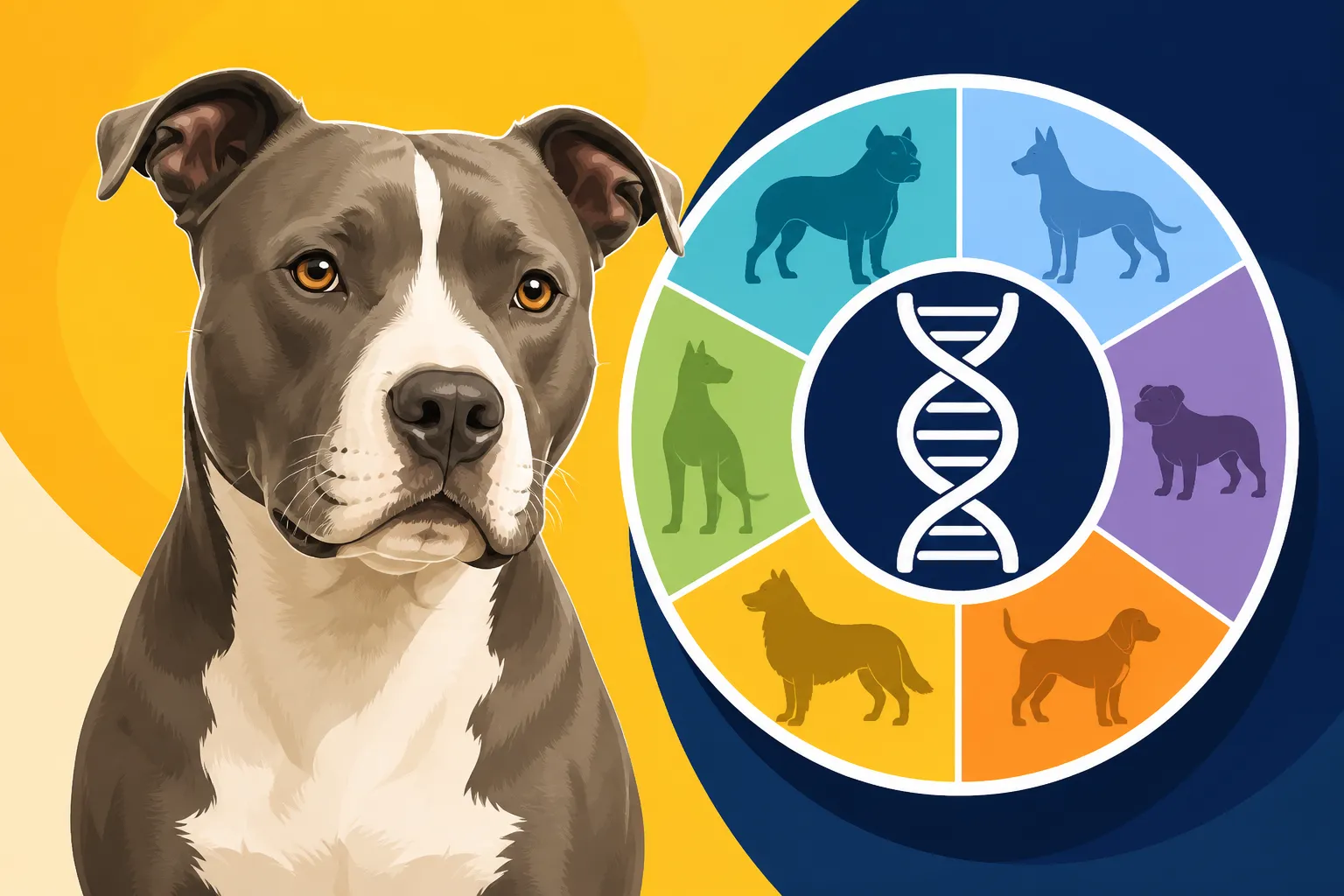
Canine DNA tests, whether you buy them online from a retailer like Chewy or directly from a testing company, operate by analyzing your dog's genetic code, usually from a simple saliva swab. They look for specific markers in the DNA that are associated with different breeds. Essentially, they compare your dog's genetic blueprint against a massive reference database of known purebred dogs. Think of it like a puzzle: they take your dog's genetic pieces and see which purebred puzzles those pieces fit into, calculating percentages of ancestry from different breeds. The more markers a test analyzes and the larger and more diverse its reference database, the more precise and comprehensive its results are likely to be.
What "Pit Bull" Means to a DNA Test
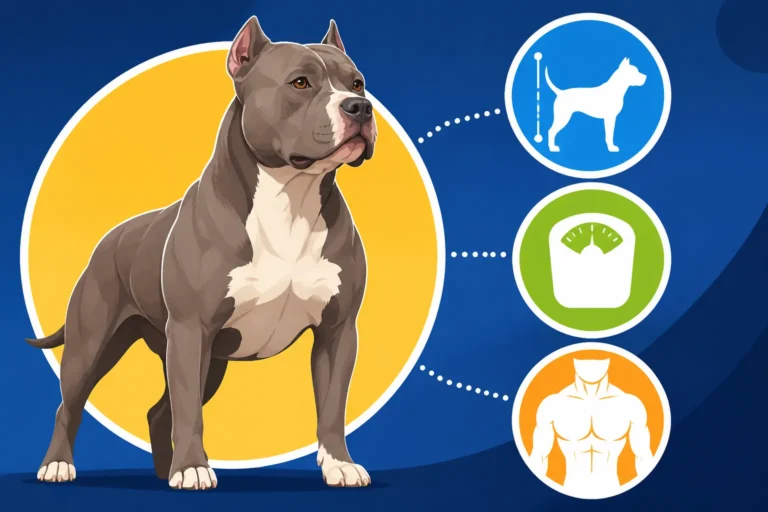
Here's where the primary confusion lies for many Pit Bull owners. The term "Pit Bull" isn't a single, officially recognized breed by major kennel clubs like the American Kennel Club (AKC). Instead, it's a common umbrella term used to describe a type of dog with certain physical characteristics, which can include several distinct breeds. Because of this, a DNA test won't typically return a result that simply says "100% Pit Bull." Instead, it will break down the percentages of the individual breeds that contribute to that "Pit Bull" look and lineage. This can be a revelation for owners, helping them to truly grasp Why Pit Bull Is a Type and Not a Breed rather than a singular entity. It helps explain why dogs that visually appear similar can have very different genetic makeup, and why the term can be so broadly applied.
Decoding Your Dog's Breed Report
Once your dog's DNA test results come back, you'll likely receive a detailed report showing percentages of various breeds. This is where the real insight begins, allowing you to see the individual threads that weave together to form your unique "Pit Bull" type dog. Understanding these components is key to appreciating their heritage.
Common Pit Bull Type Ancestries
When a dog is visually identified as a "Pit Bull," their DNA panel often reveals a combination of specific breeds that are frequently associated with the "type." The most common purebred dogs that contribute to what we call "Pit Bulls" include:
- American Pit Bull Terrier (APBT): This is the foundational breed of the Pit Bull type, recognized by the United Kennel Club (UKC). They are known for their athleticism, strong will, and deep loyalty.
- American Staffordshire Terrier (AmStaff): Recognized by the AKC, the AmStaff shares a common ancestry with the APBT, diverging somewhat in their breeding history. You might find a high percentage of AmStaff, especially if your dog has a more compact, muscular build. Delving into How AmStaffs and APBTs Split in the 1930s can offer fascinating historical context here.
- Staffordshire Bull Terrier (Staffie): A smaller, but equally robust and affectionate British breed, often contributing to the genetic makeup of larger Pit Bull types, or appearing as the dominant breed in a smaller "Pit Bull" looking dog.
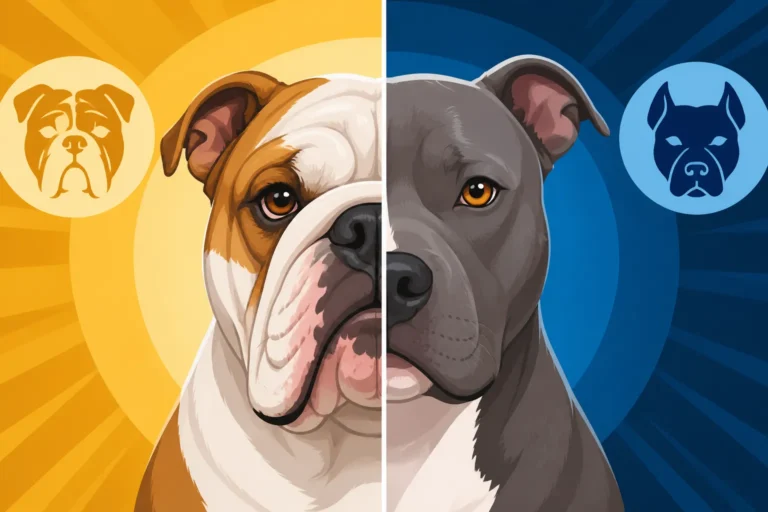
- American Bulldog: While visually distinct, American Bulldogs can sometimes be found in the genetic mix, especially in larger, more powerfully built "Pit Bull" types.
- Boxer: Surprisingly, Boxers can also show up in the ancestry, adding to the athletic build and sometimes the brachycephalic (shorter-nosed) features seen in some Pit Bull types.
Your report might show a mix of these, for example, 40% American Pit Bull Terrier, 30% American Staffordshire Terrier, 15% Boxer, and 15% "Mixed Breed." This blend of breeds is what ultimately creates the physical and temperamental traits we commonly associate with the "Pit Bull" umbrella. It’s a vivid illustration of The Three Breeds People Call Pit Bulls and how they intermingle in many beloved companions.
Interpreting the Percentages and "Mixed Breed" Components
The percentages provided in your DNA report are not just arbitrary numbers; they indicate the relative genetic contribution of each identified breed. A dog with 50% American Pit Bull Terrier and 50% American Staffordshire Terrier will likely exhibit characteristics from both, possibly leaning towards one depending on the specific genes inherited. When you see "Mixed Breed" or a small percentage of many different breeds, it indicates a diverse genetic background, often found in rescue dogs or those from less structured breeding programs. It means your dog's ancestors were a combination of many different types, and while the test can't pinpoint every single one, it paints a picture of a broad genetic heritage. This diversity can sometimes bring unique strengths and reduce the likelihood of certain breed-specific genetic issues, though it doesn't eliminate them entirely.
Here’s a simplified breakdown of how different breeds contribute to the "Pit Bull" appearance:
| Ancestry Identified | Common Visual Traits Contributed | Common Temperamental Traits |
|---|---|---|
| American Pit Bull Terrier (APBT) | Muscular, broad head, strong jaw, powerful build | Loyal, athletic, tenacious, can be dog-selective |
| American Staffordshire Terrier (AmStaff) | Stocky, slightly heavier bone, shorter muzzle, deep chest | Confident, good-natured, eager to please, high pain tolerance |
| Staffordshire Bull Terrier (Staffie) | Compact, very muscular, "bully" head, often with a wide grin | Affectionate, "nanny dog" reputation, spirited, agile |
| Boxer | Brachycephalic (smooshed) face, expressive eyes, sleek coat | Playful, energetic, intelligent, protective |
| American Bulldog | Larger, more substantial build, often with a wider chest | Strong-willed, powerful, protective, sometimes aloof |
This table helps put the percentages into perspective, giving you a better understanding of what each component might mean for your individual dog.
Beyond Breed: Health and Trait Insights from DNA
A canine DNA panel offers much more than just a family tree; it can be an invaluable tool for understanding your dog's potential health predispositions and unique physical traits. This information empowers you to be a more proactive and informed owner, tailoring care to your dog's specific needs.
Genetic Health Screenings
Many DNA tests include a comprehensive health screening component, looking for markers linked to various genetic diseases. For Pit Bull type dogs, this can be particularly insightful. For example, some tests screen for conditions like Pit Bull Cerebellar Ataxia and the DNA Test, a neurological disorder seen in certain lines. Other common concerns that might be screened for include certain heart conditions, eye diseases, or metabolic disorders. While not every condition under the sun is covered, and a clear result doesn't guarantee lifelong health, it gives you a crucial heads-up. If a test flags a predisposition to something like Pit Bull Hip Dysplasia Showing at One to Two Years or Hypothyroidism and a Thinning Pit Bull Coat, you can then work with your vet to implement early detection strategies, preventative care, or specific dietary management. This proactive approach can make a world of difference in your dog's long-term well-being. It’s also important to remember that these screenings are part of a larger picture that should also include What Testing a Pit Bull Breeder Should Have Done if you're ever considering getting a puppy from a reputable source.
Trait Information
Beyond health, DNA tests can predict a variety of fascinating physical and behavioral traits. You might learn about your dog's adult size estimate, ideal weight range, coat type (e.g., shedding levels), and even potential for certain characteristics like ear shape or tail carriage. While many of these are visually obvious, confirming them genetically can be a fun bonus. For example, knowing your dog is genetically predisposed to a certain coat type might inform your grooming routine, helping you choose the right brushes or shampoos, perhaps even stocking up on specific grooming aids from Chewy. Some tests even offer insights into potential exercise drive or drug sensitivities, which can be useful discussions to have with your veterinarian. This trait information is often secondary to the breed and health data, but it adds another layer to your understanding of your individual companion.
The Practical Impact of a DNA Result for a Pit Bull Owner
Receiving your dog's DNA results can be exciting, but it's important to temper expectations, especially concerning the practical implications of the "Pit Bull" label. While the genetic information is incredibly valuable for understanding your individual dog, the societal perception and regulations surrounding Pit Bull types can often override scientific definitions.
Navigating Breed-Specific Regulations
One of the most challenging aspects of owning a Pit Bull type dog is dealing with breed-specific legislation (BSL), which can impact everything from housing to insurance. Unfortunately, a DNA test proving your dog is, for example, 30% American Staffordshire Terrier and 20% Boxer, rather than "100% Pit Bull" (which isn't a single breed anyway), often doesn't change a landlord's or insurer's policy. Many policies and laws are based on visual identification, or a general "Pit Bull type" umbrella, rather than precise genetic lineage. Even if your test shows minimal "Pit Bull" ancestry, if your dog looks like a Pit Bull, you might still face challenges. This is a tough pill to swallow for many owners who invest in testing hoping for a definitive legal loophole. It's why resources like Whether a DNA Test Gets a Pit Bull Insured and What a Landlord Looks At Before Refusing a Dog become crucial reading material. The key takeaway here is that while your dog's DNA might tell a different story, the prevailing regulations often operate on visual cues and broad definitions.
Clarifying Shelter Labels vs. Genetic Reality
Many dogs adopted from shelters are labeled as "Pit Bull" or "Pit Bull mix" based on visual assessment by staff. Interestingly, DNA studies have repeatedly shown that visual identification of Pit Bull type dogs is notoriously inaccurate. A dog that looks like a Pit Bull might have no discernible Pit Bull ancestry, or conversely, a dog that doesn't overtly look like one might have significant percentages of Pit Bull breeds. Your DNA test can shed light on this discrepancy, confirming or refuting the initial shelter label. This information can be incredibly empowering for owners, offering a factual basis to discuss their dog's true heritage. It helps articulate Why a Pit Bull Label Rarely Matches the DNA and can sometimes open doors to better understanding from community members, even if it doesn't immediately change policy.
Enhancing Your Understanding and Care for Your Dog
Perhaps the most profound impact of a DNA panel is the deeper understanding it provides of your individual dog. Knowing their ancestral breeds can give you insight into their inherent drives, exercise needs, and even potential quirks. For instance, if your dog shows a high percentage of a breed known for its intelligence and desire to work, you might be inspired to try advanced training, puzzle toys, or even dog sports. If there's a strong Boxer component, you'll understand why they might be more playful and energetic. This knowledge helps you tailor their environment, training, and enrichment activities more effectively, leading to a happier, healthier, and better-behaved companion. For example, if you learn your Pit Bull type dog has a strong working breed component, you might realize that they thrive on more rigorous exercise and mental stimulation, influencing your choices for durable toys or food puzzles which you can easily find on Chewy. This can greatly assist in achieving Training a Pit Bull to a Higher Standard Than Other Dogs, as you're leveraging their natural predispositions. Ultimately, a DNA panel provides you with a personalized guidebook for your dog, allowing you to meet their needs more precisely and lovingly.
Disclaimer
This article is for general informational purposes only and does not constitute professional advice. Laws, prices and regulations vary by location and change over time. Consult a qualified professional for guidance on your specific situation.