Pit Bull Dental Disease and Hard Chewing
It's incredibly frustrating when you dedicate so much care to your beloved Pit Bull, only to discover a silent enemy lurking in their mouth: dental disease. Many of us don't realize that our strong-jawed companions, with their love for robust chewing, are particularly susceptible to painful tooth fractures and gum infections that can impact their overall health and happiness. This comprehensive guide will delve deep into why Pit Bulls face unique dental challenges, how to spot the early warning signs, and crucially, how to protect their pearly whites through smart care and safe chewing choices.
The Unique Challenges of Pit Bull Teeth and Jaws
When you look at a Pit Bull, one of the first things you notice is their powerful build, and that raw strength extends right into their jaws. This incredible design, while a hallmark of the breed, also sets them up for a specific set of dental vulnerabilities that owners need to be aware of from day one. It's not just about what they chew, but how they're built to chew it.
Built for Power: Understanding Pit Bull Jaw Mechanics
Pit Bulls, encompassing breeds like the American Pit Bull Terrier, American Staffordshire Terrier, and Staffordshire Bull Terrier, are renowned for their strong bite force. Their skull structure and musculature are designed for gripping and holding, giving them an impressive chewing capability that far surpasses many other breeds. This isn't just an anecdotal observation; studies on bite force consistency show these dogs are built for serious work. While this power is fantastic for various activities, it also means that what might be a safe chew toy for a smaller or less powerful dog can become a dental hazard for a Pit Bull. Their powerful jaws can inflict damage on their own teeth if they encounter materials that are too hard or non-yielding. It's a double-edged sword: their strength is a defining characteristic, but it requires us, as responsible owners, to be extra vigilant about dental protection.
Common Dental Conditions Exacerbated by Breed Traits
Given their powerful jaws and sometimes intense chewing habits, Pit Bulls often present with certain dental issues more frequently or severely than other breeds. The most common culprit we see is fractured teeth, particularly the molars and premolars at the back of the mouth, which bear the brunt of their chewing force. These fractures can expose the sensitive pulp chamber of the tooth, leading to extreme pain, infection, and potential abscesses. Beyond fractures, the sheer mechanical stress from constant, aggressive chewing can contribute to faster wear and tear on the tooth enamel, making teeth more susceptible to other problems down the line. It's not uncommon to see a healthy, active Pit Bull whose enthusiasm for a certain chew toy has inadvertently led to a significant dental injury.
Why Pit Bulls are Prone to Certain Dental Issues
Beyond their powerful bite, Pit Bulls can also be prone to other dental woes that are common across many breeds but can be compounded by their nature. For instance, like many dogs, they can develop periodontal disease, where plaque and tartar accumulate, leading to gum inflammation, receding gums, and eventually bone loss around the teeth. Because some Pit Bulls are prone to Pit Bull Skin Allergies and the Atopy Pattern, they might also be predisposed to other inflammatory conditions, including those affecting the mouth. A dog constantly itching and scratching may also be experiencing discomfort in other areas, and dental pain can easily be overlooked. Furthermore, their enthusiasm for life, sometimes leading to rough play or grabbing at inappropriate objects, can result in accidental dental trauma. The combination of genetic predisposition for strong jaws and an owner's choice of chews creates a unique set of circumstances that requires specific attention to their oral health.
Recognizing the Subtle Signs of Dental Disease
Dental pain in dogs, especially stoic breeds like Pit Bulls, can be incredibly difficult to spot. They can't tell us when their mouth hurts, and their natural instinct is often to hide discomfort, making them masters of masking pain. As owners, we need to become detectives, looking for the small, often indirect clues that something isn't right with their teeth or gums.
Beyond Bad Breath: Early Warning Signals
Everyone expects bad breath from a dog, but truly foul, persistent odor is almost always a sign of underlying dental disease. It's not just "dog breath"; it's the smell of infection and bacteria thriving in their mouth. However, there are much subtler signs that often appear before the stench becomes unbearable. You might notice your Pit Bull showing a slight reluctance to chew on their favorite hard toy, or perhaps they're taking longer to finish their meals. Maybe they're tilting their head unusually when they eat, or they've started dropping food more often. It could even manifest as excessive drooling or a change in saliva consistency. Some owners report seeing their dog rub their face against furniture or paw at their mouth, subtle gestures indicating discomfort. These aren't always obvious, which is why routine checks are so important. A great way to stay on top of these things is to follow a regular A Weekly Toothbrushing Routine for a Pit Bull to become intimately familiar with their mouth.
How Chewing Habits Change with Pain
One of the most telling indicators of dental pain in a Pit Bull is a change in their chewing habits. A dog who once enthusiastically gnawed on robust toys might suddenly lose interest or pick them up only to drop them quickly. You might observe them being pickier with their treats, opting for softer options, or avoiding one side of their mouth when chewing. If your Pit Bull is usually a champion chewer but starts to shy away from their favorite bully stick, it's a huge red flag. It's not just about toys either; sometimes, a dog with a sore tooth will refuse kibble and only eat wet food, or they might swallow kibble whole rather than chewing it, which can lead to other digestive issues. If you notice your Pit Bull seems to be dealing with Pit Bull Dental Disease and Hard Chewing, it's important to consider that pain might be the root cause of these shifts in behavior. These changes can be so gradual that you might not even register them as significant until the problem has progressed.
Visual Cues and What to Look For
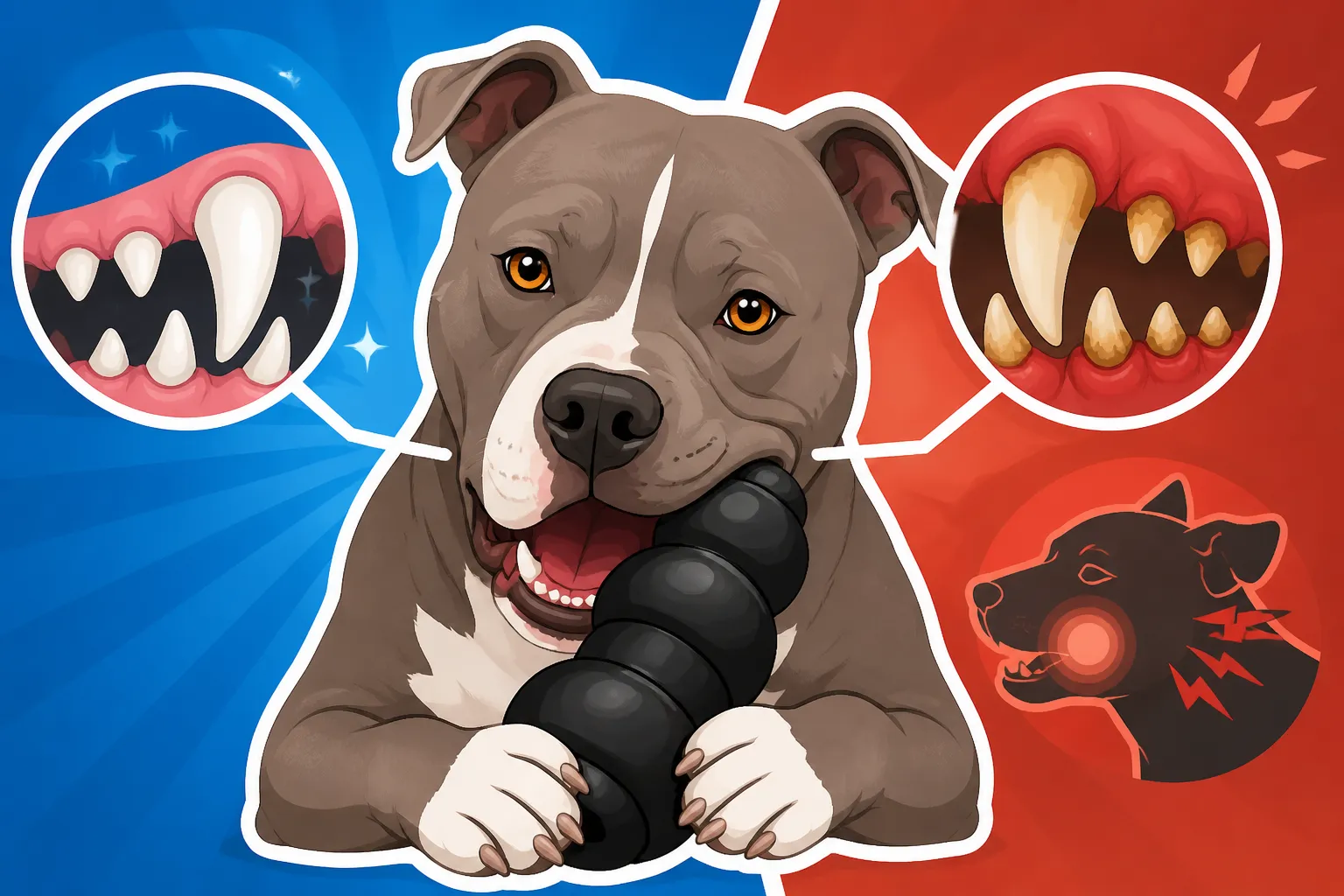
While internal pain can be hard to spot, there are often visual cues if you know where to look. Gently lifting your Pit Bull's lips and examining their teeth and gums regularly can give you a heads-up. Look for redness or swelling of the gums, especially where the gum meets the tooth. You might see visible tartar buildup, which appears as a yellowish-brown crust on the tooth surface; this is a clear sign that Tartar Building on Pit Bull Molars needs attention. Bleeding gums, missing teeth, or teeth that appear loose are serious indicators. Keep an eye out for fractured or broken teeth, which might show a dark spot (exposed pulp) or simply an irregular edge. Sometimes, you'll see a small lump or swelling on the jawline, which could indicate a tooth root abscess. Even subtle changes in tooth color, from healthy white to a duller shade, can be a sign of underlying issues. Don't underestimate What a Pit Bull's Breath Says About Its Teeth – a truly bad odor is almost always linked to visible problems. If you notice any of these, it’s time for a vet visit, not a wait-and-see approach.
The Perils of Hard Chewing and Inappropriate Toys
Pit Bulls love to chew. It's a natural, healthy behavior that helps keep their teeth clean, provides mental stimulation, and satisfies an innate urge. However, this powerful urge, combined with their incredible jaw strength, means that many common chew toys and treats can actually cause more harm than good, leading to painful and expensive dental injuries. It's a conundrum many Pit Bull owners face: how to satisfy their dog's chewing needs without risking their dental health.
The Dangers of Indestructible Chews
The market is flooded with products marketed as "indestructible" or "power chewer" approved. While the intent is good, the reality can be quite different for a Pit Bull. Materials like natural bones (especially cooked ones), antlers, hooves, nylon bones, and even certain very hard plastics can be too rigid and unyielding for a Pit Bull's powerful jaws. Instead of wearing down, these materials are often stronger than the dog's tooth enamel. When a Pit Bull chomps down with full force on an object that doesn't give, the tooth is often the one that breaks. This commonly results in slab fractures, where a portion of the tooth, usually a premolar or molar, breaks off, exposing the sensitive pulp chamber. This is not just uncomfortable; it's extremely painful and a direct entryway for bacteria, leading to infection. As responsible owners, we have to recognize that "indestructible" often translates to "tooth-breaking" for our powerful chewers. Many of us have been there, watching our dog happily gnawing, only to find a chipped tooth later, and it's heartbreaking. It's a hard lesson learned, but vital for their long-term health.
The Link Between Chewing and Fractured Teeth
It's almost inevitable that a Pit Bull that loves to chew on inappropriate items will eventually end up with a fractured tooth. The force they can exert, especially when highly motivated by a new or favorite chew, is immense. Think of it like this: if you hit a rock with a hammer, either the rock breaks, or the hammer breaks. With a Pit Bull and an overly hard chew, their teeth are the hammers, and sometimes they're the ones that give way. These fractures are not always obvious at first glance. Sometimes only a small chip is visible, but even then, the crack might extend below the gum line or into the pulp. Other times, a significant portion of the crown can break off, leaving a raw, sensitive surface. These types of injuries are precisely why veterinarians often warn against anything that you can't indent with your thumbnail or that you wouldn't want to hit your knee with. Many owners learn this the hard way after an emergency vet visit to deal with Pit Bull Broken Teeth From Hard Chewing, which can be incredibly upsetting and costly.
Selecting Safe and Satisfying Chews
So, what can a Pit Bull chew on safely? The key is to provide chews that are durable enough to withstand their power but flexible enough not to damage their teeth. Look for items that have some "give" when compressed. Rawhide alternatives, specifically those made from digestible starches or compressed vegetable matter, can be good choices, provided they are appropriately sized and supervision is maintained to prevent choking. Quality rubber toys from brands like Kong, West Paw, or Nylabone (specifically their flexible rubber lines, not the hard nylon) are excellent options. These are designed to be chewed repeatedly, satisfy the urge, and still protect those powerful teeth. Always ensure the toy is too large for your Pit Bull to swallow whole. Edible chews should be soft enough to bend or break easily but long-lasting enough to provide satisfaction. Even though the temptation to buy a long-lasting, rock-hard bone is strong, it's far better to opt for something that will wear down or break into smaller, safe pieces. Finding Chews That Do Not Crack Pit Bull Teeth is essential.
Here's a quick guide to help you choose:
| Chew Category | Safe Options for Pit Bulls | Risky/Unsafe Options for Pit Bulls |
|---|---|---|
| Rubber Toys | Durable, flexible rubber toys (e.g., Kong Extreme, West Paw Zogoflex toys, Goughnuts) | Hard plastic toys that don't give |
| Edible Chews | Dental chews designed to be flexible/chewy, digestible rawhide alternatives, bully sticks | Real bones (cooked or raw, especially weight-bearing), antlers, hooves, nylon bones, ice cubes |
| Dental Products | Tooth-friendly chews with VOHC (Veterinary Oral Health Council) seal | Overly hard dental chews |
| Puzzle Toys | Rubber puzzle toys that dispense kibble or treats | Puzzle toys made of hard, rigid plastic that can splinter or fracture teeth |
Proactive Dental Care Strategies for Pit Bulls
Preventative care is always better than reactive treatment, especially when it comes to dental health. With Pit Bulls, this proactive approach is non-negotiable if you want to keep their teeth healthy, pain-free, and avoid costly interventions down the line. It's about building a consistent routine that incorporates both at-home efforts and professional veterinary support.
Establishing a Consistent Home Care Routine
The single most effective thing you can do at home for your Pit Bull's dental health is to brush their teeth regularly. Yes, it sounds daunting, but with patience and positive reinforcement, most dogs can learn to tolerate it. Aim for daily brushing using a dog-specific toothbrush and enzymatic toothpaste (never human toothpaste!). Start slowly, introducing the brush and paste as a positive experience, maybe just touching their teeth at first, then gradually increasing the time and coverage. Brushing helps remove plaque before it hardens into tartar, which is the primary driver of periodontal disease. Beyond brushing, incorporating VOHC-approved dental chews and water additives can provide additional support, though they are never a substitute for brushing. Even wiping down their teeth with a dental wipe a few times a week is better than nothing. Regular at-home care not only keeps their mouth healthier but also familiarizes you with their oral cavity, making it easier to spot issues early. It also means less struggle when it comes time for professional cleaning.
Professional Dental Cleanings and Their Importance
No matter how diligent you are with home care, professional dental cleanings under anesthesia are an essential part of a Pit Bull's oral health regimen. Just like humans need dental hygienists, dogs need veterinary dental specialists. During a professional cleaning, the vet or vet tech can thoroughly scale away tartar above and below the gum line, where most of the damage occurs. They also polish the teeth to smooth the surface, making it harder for plaque to adhere again. Crucially, anesthesia allows for a comprehensive oral exam, including dental X-rays, which are vital for identifying problems hidden below the gum line, such as abscesses, bone loss, or unerupted teeth. This is where many significant issues, like the early stages of Pit Bull Hip Dysplasia Showing at One to Two Years are often first detected, or where hidden dental disease can be seen before it becomes critical. Your vet can advise on the ideal frequency for these cleanings, but for many Pit Bulls, once a year or every two years is a good baseline, especially as they age. Think of it as preventative maintenance for their entire body, not just their mouth.
Nutritional Approaches to Dental Health
While diet alone cannot prevent dental disease, it plays a supporting role. Some kibbles are specifically formulated with a larger, more abrasive texture designed to scrape plaque off teeth as the dog chews, though their effectiveness can vary greatly depending on the dog's chewing style. Look for foods approved by the VOHC for tartar control. Beyond specific kibbles, ensuring your Pit Bull receives a balanced diet with adequate vitamins and minerals is crucial for overall gum and tooth strength. Some owners explore options like Whether a Raw Diet Suits a Pit Bull, believing it can contribute to better dental health, but this approach requires careful balancing to avoid nutritional deficiencies and potential bacterial contamination. If your Pit Bull has a sensitive stomach, switching to a new dental diet might be a challenge, so always discuss any dietary changes with your vet. Ultimately, no food can replace brushing and professional cleanings, but a good diet provides the foundation for healthy tissues throughout the mouth.
Dealing with Advanced Dental Issues and Costs
Despite our best efforts, sometimes dental disease progresses, or an unfortunate accident leads to significant oral health problems. When this happens, it's not just about managing pain; it's often about surgical intervention, and that can bring with it a whole new set of concerns, especially regarding costs. Understanding these possibilities upfront can help you prepare.
Common Surgical Interventions for Severe Disease
When dental disease reaches an advanced stage, or if a tooth is fractured severely, extraction is often the most humane and necessary course of action. This might sound drastic, but removing a diseased or broken tooth eliminates the source of pain and infection, which can significantly improve your Pit Bull's quality of life. Extractions, especially of larger molars, can be complex, often requiring surgical techniques like gum flaps and bone removal, followed by careful suturing. In some cases of fractured teeth, if the fracture is clean and caught early, a root canal or vital pulpotomy (similar to human dentistry) might be an option to save the tooth, though these procedures are often performed by specialist veterinary dentists and can be more expensive. Oral masses, which can sometimes appear due to chronic irritation or be cancerous, may also require surgical removal and biopsy. No one wants their dog to undergo surgery, but for dental issues, it's often the quickest and most effective path to lasting relief.
The Financial Reality of Pit Bull Dental Care
The costs associated with advanced dental care for a Pit Bull can be a significant shock for many owners. A routine professional cleaning, which includes anesthesia, monitoring, scaling, polishing, and sometimes X-rays, can range from a few hundred to over a thousand dollars, depending on your location and the clinic. If extractions are necessary, especially for multiple teeth or complicated molars, the bill can quickly climb into the thousands. Root canals or specialist procedures can easily reach $2,000 to $4,000 per tooth. This financial burden, unfortunately, leads some owners to delay or forgo necessary treatment, which only prolongs their dog's pain and can lead to more severe systemic health issues. While a Pit Bull Dental Cleaning Schedule is a great starting point, understanding potential advanced costs is equally important. These aren't just "vet bills"; they're investments in your Pit Bull's comfort and longevity. When you're considering What a Pit Bull Costs a Year With Allergies, remember to factor in potential dental expenses too, as they can be just as impactful.
Exploring Pet Insurance for Dental Procedures
Given the potential costs, pet insurance can be a real lifesaver for Pit Bull owners when unexpected dental issues arise. Many pet insurance policies, such as those offered by Healthy Paws, cover dental disease treatment, including extractions, root canals, and treatment for fractured teeth, as long as the condition isn't pre-existing. It's important to read the policy details carefully, as some plans might only cover accidents (like a broken tooth from trauma) but not illnesses (like periodontal disease), or they might require proof of regular veterinary dental care for coverage. Some policies also offer a wellness rider that can help cover routine dental cleanings. Enrolling your Pit Bull in a good pet insurance plan while they are young and healthy is crucial, as any dental issue that occurs before enrollment or during the waiting period will likely be considered pre-existing and excluded from coverage. While Pit Bull Pet Insurance and Breed Exclusions are a concern for some breeds, many reputable providers, like Healthy Paws, offer excellent coverage for Pit Bulls, which can significantly ease the financial stress of unforeseen dental emergencies. Don't wait until you're facing a $3,000 bill to start thinking about it!
Disclaimer
The information provided in this article is for general informational purposes only and is not a substitute for professional veterinary advice. Always consult with a qualified veterinarian for any health concerns or before making any decisions related to your Pit Bull's care.