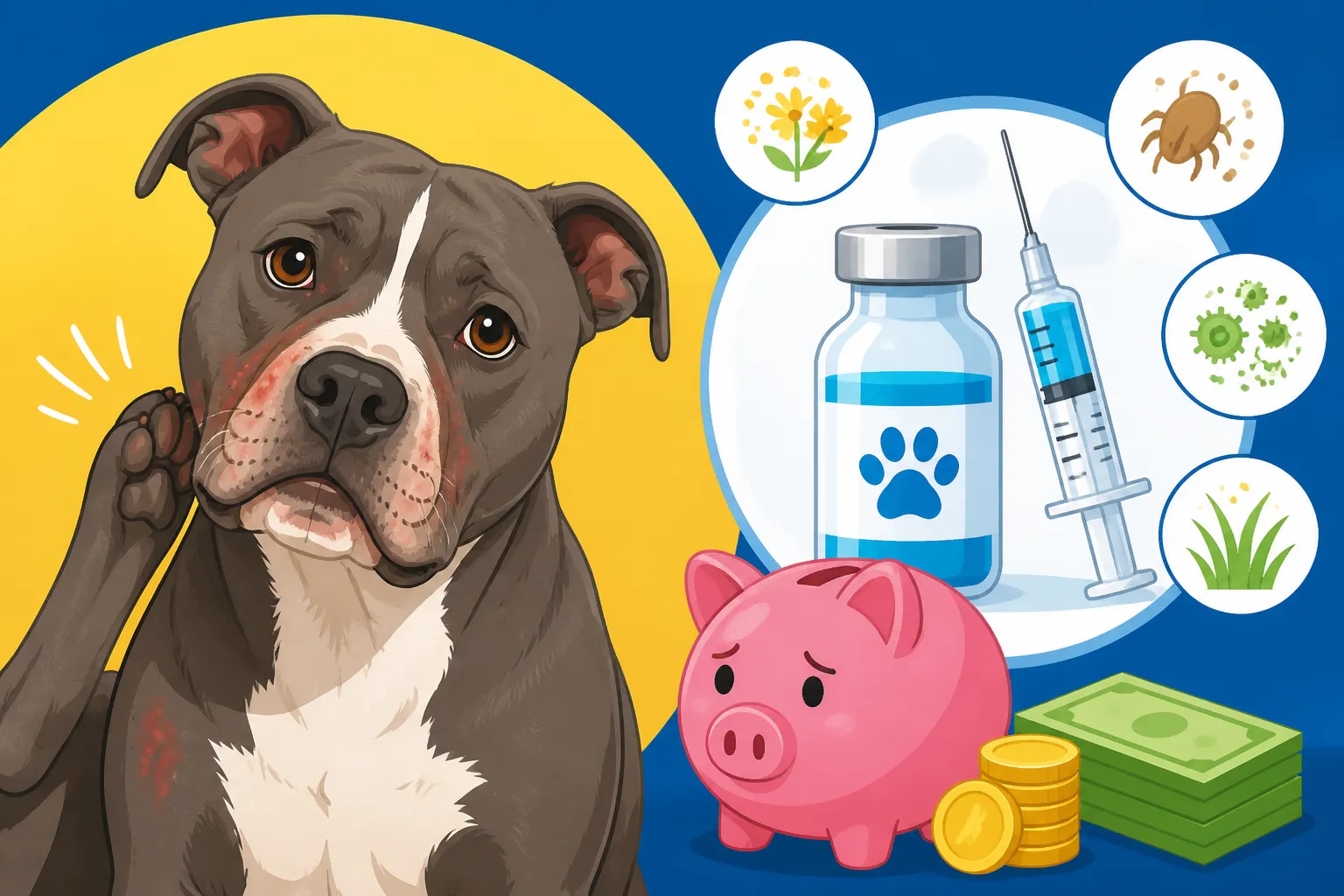
What Allergy Shots Cost a Pit Bull Owner
There’s nothing quite as heartbreaking as watching your beloved Pit Bull suffer through constant itching, scratching, and skin irritation. You’ve likely tried everything – special foods, medicated shampoos, even oral medications – only for the relief to be temporary or incomplete. When your vet finally suggests allergy shots, a sense of hope, mixed with a healthy dose of anxiety about the cost, can set in. This comprehensive guide aims to demystify the financial commitment involved in providing your Pit Bull with allergy immunotherapy, detailing the testing, treatment, and long-term expenses you might encounter.
Deciphering Pit Bull Allergies and the Immunotherapy Solution
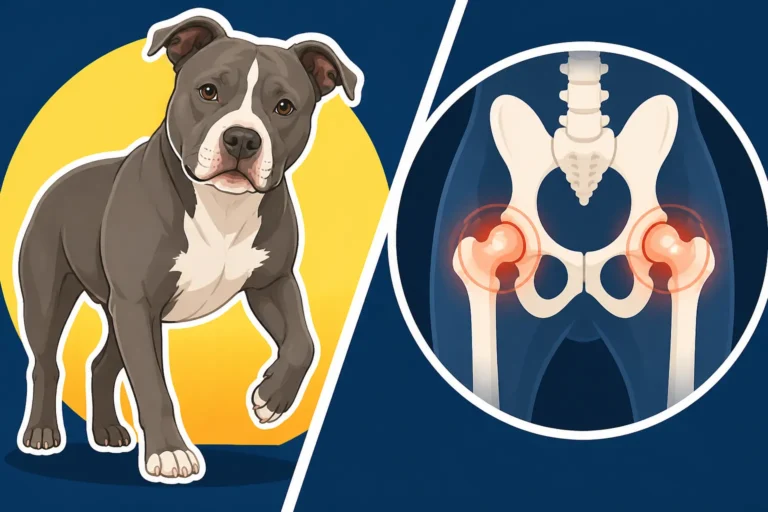
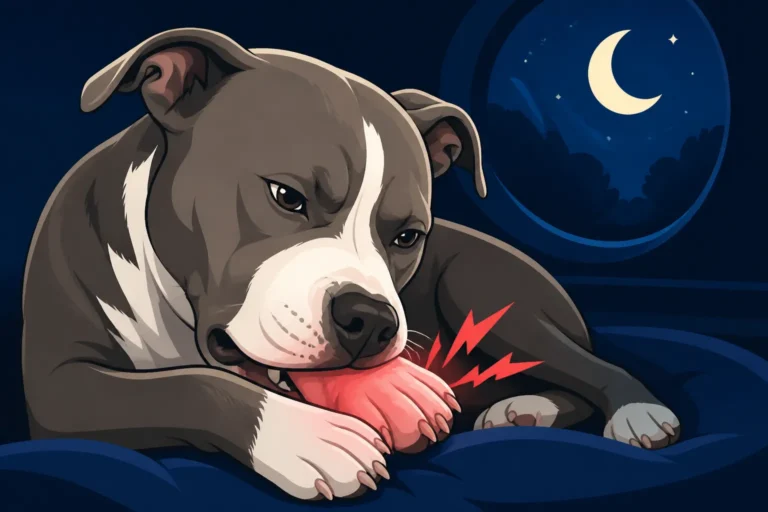
Before we dive into the numbers, it's crucial to understand what we're actually treating when we talk about allergy shots for Pit Bulls. Many Pit Bulls are prone to environmental allergies, often referred to as atopy or atopic dermatitis. This isn't just a minor annoyance; it's a chronic, often debilitating condition where their immune system overreacts to common environmental substances like pollens, dust mites, or molds. The relentless itching can lead to secondary skin infections, hot spots, and general misery for your dog, and sleepless nights for you. You might recognize the frustrating cycle of a Pit Bull Atopy and Seasonal Itching or struggle with Pit Bull Paw Licking and Chewing that just doesn't seem to go away.
Traditional allergy management often involves symptomatic relief: anti-itch medications like Apoquel or Cytopoint, steroids, antibiotics for infections, and frequent medicated baths. While these can offer much-needed comfort, they don't address the root cause of the allergy. Immunotherapy, or allergy shots, works differently. It's a long-term solution that aims to desensitize your Pit Bull's immune system to the specific allergens causing the problem. By gradually exposing them to tiny, increasing amounts of these allergens, the body learns to tolerate them rather than react to them defensively. This shift can lead to a significant reduction in symptoms, sometimes even eliminating the need for daily medications. It's a journey, not a quick fix, but for many Pit Bull owners, it represents the best chance for sustained relief.
Why Immunotherapy is Considered for Chronic Allergies
When your Pit Bull's allergies are chronic, severe, or don't respond well to conventional symptomatic treatments, your veterinarian will likely discuss immunotherapy as the next step. The goal isn't just to stop the itching temporarily but to modify the immune response for lasting relief. Imagine the frustration of constantly cleaning up after a scratching Pit Bull, or dealing with the stress of repeated vet visits for infections. Immunotherapy offers the potential to break this cycle, improving your Pit Bull's quality of life and, frankly, your own peace of mind.
It’s an investment in their long-term health and comfort. While the upfront costs and ongoing commitment can seem daunting, many owners find that over time, the reduced need for emergency vet visits, expensive medications, and medicated shampoos can actually make it a more cost-effective solution than continuous symptomatic management. Plus, there's the invaluable benefit of seeing your Pit Bull finally comfortable in their own skin.
Understanding How Allergy Shots Work
Allergy shots, technically known as allergen-specific immunotherapy (ASIT), involve giving your Pit Bull small, controlled doses of the allergens they are sensitive to. These allergens are identified through specific allergy testing, which we'll discuss next. The treatment is typically administered as subcutaneous injections, meaning under the skin, usually by the owner at home after initial training from the vet. The schedule starts frequently, often daily or every other day, and gradually tapers down to maintenance injections, which might be given every week or every few weeks.
The process takes time, often several months, before you start seeing noticeable improvements. It requires consistency and patience, but the long-term benefits for a Pit Bull suffering from Pit Bull Skin Allergies and the Atopy Pattern can be profound. It’s about retraining their immune system, and that's not something that happens overnight. Some dogs may also respond well to sublingual immunotherapy (SLIT), which involves giving drops under the tongue instead of injections. While the mechanism is similar, the administration method can be a game-changer for owners who aren't comfortable with needles, though SLIT often requires more frequent administration.
The Essential First Steps: Allergy Testing Costs
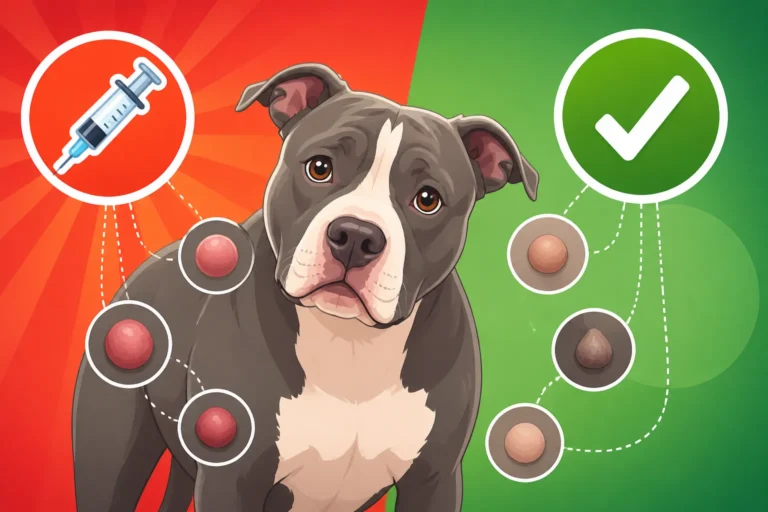
You can't treat an allergy without knowing what your Pit Bull is allergic to. This is where allergy testing comes in, and it represents the first significant financial outlay in the immunotherapy journey. There are two primary types of tests: intradermal skin testing (IDST) and serum (blood) testing. Both have their pros and cons, and your vet will help you decide which is best for your Pit Bull.
Intradermal Skin Testing
Often considered the "gold standard" for accuracy, intradermal skin testing involves injecting tiny amounts of various allergens just under your Pit Bull's skin. This is usually performed by a veterinary dermatologist or a specially trained general practitioner. Your Pit Bull will need to be lightly sedated, and a patch of hair on their side will be shaved. The dermatologist then observes the skin for reactions (redness, swelling) at each injection site, indicating sensitivity to a particular allergen.
The cost for intradermal skin testing can range significantly, typically between $400 and $800. This fee usually includes the sedation, the dermatologist's time, the allergy panel itself, and the interpretation of the results. Because it's a specialized procedure, it might not be available at every vet clinic, potentially requiring travel to a veterinary dermatology specialist. The accuracy and detail of the results are a major benefit, as they pinpoint the exact allergens, which is crucial for compounding an effective immunotherapy vaccine.
Serum Blood Testing
An alternative to skin testing is serum allergy testing, which involves taking a blood sample from your Pit Bull and sending it to a specialized lab. The lab then analyzes the blood for antibodies (specifically IgE) to a wide range of common environmental allergens. This method is less invasive than skin testing, doesn't require sedation, and can be performed by any general practice vet.
The cost for serum allergy testing usually falls between $250 and $500. While it's generally more affordable and convenient, some vets argue it might be slightly less accurate or sensitive than intradermal testing for certain allergens. However, for many owners and Pit Bulls, it's a perfectly viable and effective starting point. Brands like Spectrum Labs and Nextmune offer these types of diagnostic services. Your vet will recommend the most appropriate option based on your dog's specific situation and their own clinical experience. Regardless of the method, this diagnostic step is non-negotiable for anyone considering long-term allergy treatment. Many owners find that investing in comprehensive Pit Bull Skin Allergy Testing is the key to finally getting answers.
The Ongoing Costs of Allergy Shots
Once your Pit Bull's specific allergens are identified, a custom immunotherapy vaccine is formulated. This is where the ongoing costs begin, and they can vary significantly based on the type of immunotherapy, your vet's pricing, and how your Pit Bull responds over time. This is where the main query of "What Allergy Shots Cost a Pit Bull Owner" truly comes into play.
Initial Vaccine Vial and Training
The very first step after testing is getting your initial set of allergy vials. These are custom-compounded based on your Pit Bull's unique allergy profile. Your vet will also provide thorough training on how to administer the injections safely and effectively at home. This training is crucial and usually included in the initial setup fee.
The cost for the initial set of allergy vials (which typically lasts several months) and the necessary training session can range from $200 to $400. This covers the medication itself and ensures you’re comfortable with the administration process. This is not a one-time charge, as these vials will need to be refilled periodically. Remember, adherence to the schedule is key to success, so mastering the injection technique is important.
Maintenance Vials and Regular Check-ups
After the initial phase, your Pit Bull will typically move to a maintenance schedule, which usually means injections every 7-14 days. This involves purchasing refill vials as needed. A typical vial might last anywhere from 6 to 12 months, depending on the concentration and dose required for your Pit Bull.
The cost for these refill vials generally ranges from $150 to $300 per vial. Over a year, this could amount to $150 to $600 just for the medication itself. Beyond the medication, regular follow-up appointments with your veterinarian are vital. These check-ups allow your vet to monitor your Pit Bull's progress, adjust the dosage if necessary, and address any new concerns or side effects. These visits might be quarterly or biannually and typically cost $50 to $150 per visit, depending on your clinic and what's included (e.g., examination only, or examination plus additional consultations). So, annually, factor in an additional $100 to $600 for vet check-ups. Overall, considering these components, the annual cost for ongoing immunotherapy, excluding testing, can realistically fall between $250 and $1200. For a more detailed look at the financial commitment, check out Immunotherapy Costs Across a Pit Bull's Life.
Comparing Allergy Shots (Subcutaneous) vs. Allergy Drops (Sublingual)
While allergy shots are the most common form of immunotherapy, allergy drops (sublingual immunotherapy or SLIT) are another option, especially for dogs who are difficult to inject or whose owners prefer a needle-free approach. The cost structure is slightly different.
| Feature | Allergy Shots (Subcutaneous) | Allergy Drops (Sublingual) |
|---|---|---|
| Administration | Injections under the skin (1-2x/week) | Drops under the tongue (1-2x/day) |
| Initial Vials | $200 – $400 | $200 – $400 |
| Refill Vials | $150 – $300 (lasts 6-12 months) | $100 – $250 (lasts 2-4 months) |
| Annual Medication | $150 – $600 | $300 – $1500 |
| Vet Visits | $100 – $600 (annually for monitoring) | $100 – $600 (annually for monitoring) |
| Total Annual Cost (excluding testing) | $250 – $1200 | $400 – $2100 |
| Convenience | Less frequent dosing, requires needles | More frequent dosing, needle-free |
| Success Rate | ~60-80% effectiveness | ~50-70% effectiveness |
As you can see, while initial costs for drops might seem lower per vial, the more frequent refills can make the annual medication cost higher than for shots. It’s a trade-off between needle aversion and potentially higher recurring costs. Discuss both options thoroughly with your vet to determine which is best for your Pit Bull and your lifestyle.
Factors Influencing the Total Cost
The numbers above are estimates, and the actual cost you face as a Pit Bull owner will depend on a variety of factors. It's never a one-size-fits-all situation, and being aware of these variables can help you budget more effectively.
Geographic Location and Veterinary Practice
Just like human healthcare, veterinary costs can vary significantly depending on where you live. Vet clinics in major metropolitan areas, for instance, often have higher overheads, leading to higher prices for services, testing, and medication compared to rural areas. The type of clinic also plays a role; a specialty veterinary dermatology clinic might charge more for testing and consultations than a general practice clinic offering immunotherapy.
Before embarking on immunotherapy, it’s always a good idea to call around to a few different veterinary practices in your area, or even within a reasonable driving distance, to compare pricing for allergy testing and immunotherapy vials. This is especially true if you live in an area with a strong competitive market or, conversely, very few specialists. Some vets might even offer a package deal for initial testing and the first set of vials. Don't be afraid to ask for a detailed breakdown of all potential costs, from the initial diagnostic work to the long-term medication refills and follow-up appointments.
Severity of Allergies and Treatment Duration
The complexity and severity of your Pit Bull's allergies can also impact the cost. If your dog is allergic to a vast number of environmental allergens, the custom vaccine might be more complex to formulate, potentially affecting the initial vial cost. More severe allergies might also require higher concentrations or more frequent dosing during the initial phases, leading to quicker depletion of vials and more frequent refills.
Immunotherapy is a long-term commitment. While some dogs show improvement within a few months, it can take up to a year or even longer to see the full benefits. Most Pit Bulls will require immunotherapy for the rest of their lives to maintain their improved condition. This means budgeting for these costs year after year. There's also the possibility that your Pit Bull's allergies might change over time, requiring retesting and reformulation of the vaccine, adding to the overall lifetime cost. However, for many, the quality of life gained makes it worthwhile, helping them avoid the constant battle of Whether a Pit Bull Allergy Ever Goes Away.
Ancillary Treatments and Medications
Even with successful immunotherapy, some Pit Bulls may still require occasional ancillary treatments, especially during peak allergy seasons or flare-ups. This could include short courses of oral anti-itch medications like Apoquel or Cytopoint, antibiotics for secondary bacterial infections, or antifungal medications for yeast overgrowth. These medications come with their own costs, which need to be factored into your overall allergy management budget.
While immunotherapy aims to reduce the need for these symptomatic treatments, it doesn't always eliminate them entirely, especially in the initial stages. Think of it as a comprehensive approach: the allergy shots work on the underlying cause, while other medications provide comfort when symptoms do break through. This combined strategy can provide the most relief for your Pit Bull, but it will also add to the overall financial commitment.
Managing the Financial Burden of Pit Bull Allergy Shots
The costs associated with allergy shots for your Pit Bull can certainly add up, making it a significant financial decision for any owner. However, there are several strategies and resources available to help you manage this burden and ensure your Pit Bull gets the care they need.
Pet Insurance Coverage
Pet insurance can be an absolute lifesaver when it comes to chronic conditions like allergies. Many comprehensive pet insurance policies will cover the costs of allergy testing and immunotherapy, provided the allergies are not considered a pre-existing condition before you enrolled your Pit Bull. This is a critical point: if your Pit Bull showed signs of allergies before you purchased the policy, or during the waiting period, the treatment might not be covered.
It’s essential to thoroughly review different pet insurance plans and their specific terms regarding chronic conditions and breed-specific exclusions. Some providers, like Healthy Paws, are known for their comprehensive coverage, but policies can vary widely. Make sure to ask direct questions about allergy testing, immunotherapy vials, and specialist vet visits. Enrolling your Pit Bull as early as possible, ideally before any allergy symptoms appear, gives you the best chance of coverage. Exploring Pit Bull Pet Insurance and Breed Exclusions is a vital step for any owner considering long-term care.
Payment Plans and Veterinary Credit Options
Many veterinary clinics understand that large veterinary bills can be a strain, and they often offer various payment solutions. Don't hesitate to discuss payment plans directly with your vet's office manager. They might allow you to pay for expensive procedures or medication refills in installments.
Another popular option is veterinary credit cards, such as CareCredit. These cards are specifically designed for healthcare expenses and often offer deferred interest options for a certain period if the balance is paid in full within that timeframe. This can be a great way to spread out the cost of initial testing or a large medication refill without incurring immediate interest. However, always read the terms and conditions carefully to avoid high interest rates if you can't pay off the balance in time.
Budgeting and Savings Strategies
If pet insurance isn't an option or only covers a portion of the costs, proactive budgeting and saving can make a huge difference. Consider setting up a dedicated savings account specifically for your Pit Bull's healthcare needs. Even putting away a small amount each month can accumulate over time and ease the financial shock of large veterinary bills. You might consider adjusting your monthly budget to allocate funds towards potential allergy treatments. For example, if you spend a certain amount on pet toys or gourmet treats, perhaps you can reallocate some of that towards a health savings fund.
Having a clear understanding of What a Pit Bull Costs a Year With Allergies can help you plan. Think about creating a detailed budget that includes estimated costs for initial testing, annual medication refills, and regular vet visits. This foresight allows you to be prepared when those bills come due. For many owners, the peace of mind knowing they can afford to keep their Pit Bull comfortable makes the financial planning well worth the effort.
Considering Other Allergy Management Options
While immunotherapy targets the root cause, it's not the only tool in the allergy management toolbox. For some Pit Bulls, a combination of strategies might be necessary, and some options might be more cost-effective depending on the individual case. For example, Medicated Baths for a Pit Bull With Atopy can provide symptomatic relief and help manage secondary infections, often at a lower recurring cost than daily medication.
Dietary changes, such as a Limited Ingredient Diets for an Itchy Pit Bull, might be explored if food allergies are suspected alongside environmental ones, though this often involves an intensive and strict food trial. Topical treatments, supplements like omega-3 fatty acids, and environmental control (e.g., air purifiers, frequent dusting) can also play a role. Discuss all available options and their associated costs with your veterinarian. A holistic approach, balancing effectiveness with affordability, is often the most sustainable path for long-term allergy management. While Healthy Paws and other insurers can help, knowing all your options is empowering.
Disclaimer
The information provided in this article is for general informational purposes only and does not constitute veterinary medical advice. Always consult with a qualified veterinarian for any health concerns or before making any decisions about your Pit Bull's medical care or treatment plan. Costs mentioned are estimates and can vary based on location, clinic, and individual circumstances.