An Eight Week Food Trial on an Itchy Pit Bull
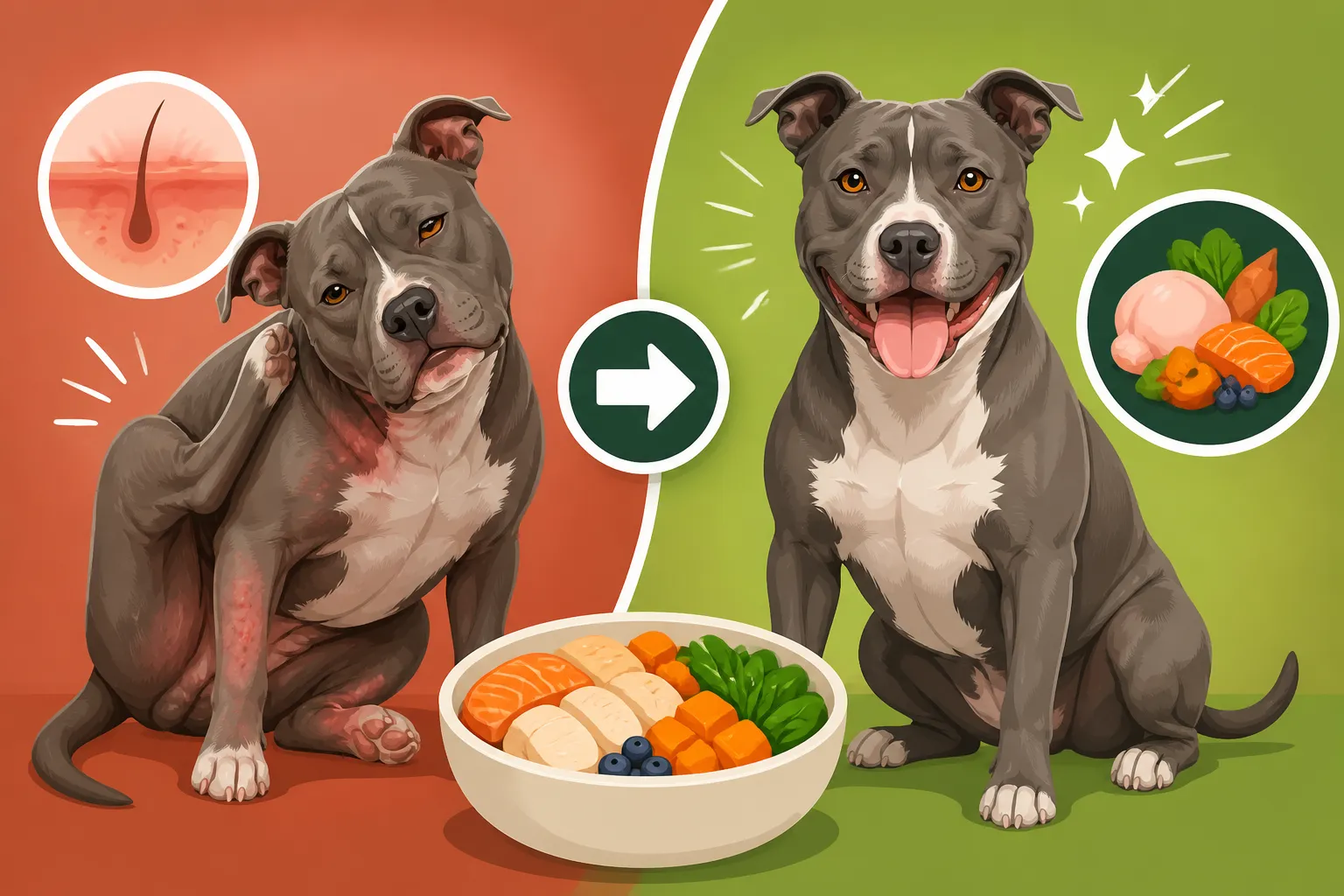
Many Pit Bull owners face the incredibly frustrating challenge of a dog that just can't stop itching, leading to constant scratching, red skin, and visible discomfort. This persistent irritation often points to underlying allergies, and one of the most effective, yet often misunderstood, ways to pinpoint the cause is through a meticulous eight-week food trial. This comprehensive guide will walk you through every step of conducting a successful food elimination diet, helping you bring much-needed relief to your beloved Pit Bull.
Understanding Why Your Pit Bull Is So Itchy
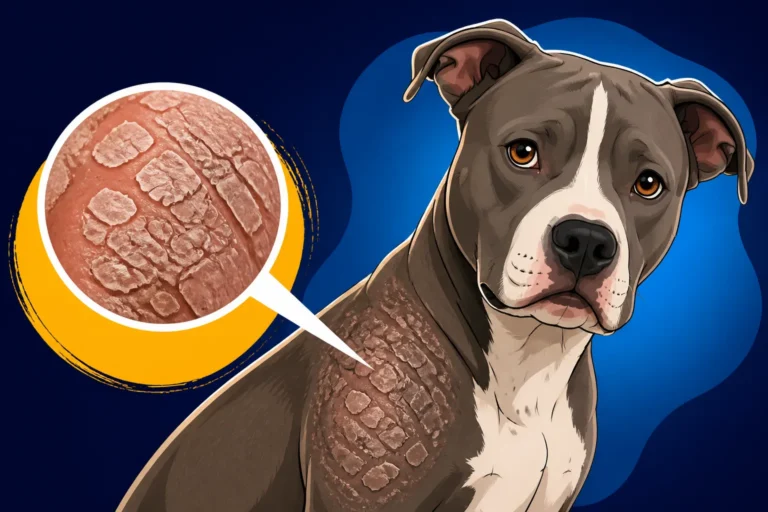
It's heartbreaking to see your Pit Bull constantly scratching, chewing their paws, or rubbing their face raw against the carpet and furniture. You've probably tried everything – different shampoos, diligent flea and tick preventatives, even just hoping the problem would magically disappear. Many owners feel completely lost when their beloved bully can't get comfortable, and it's a completely valid feeling. This persistent discomfort isn't just annoying; it can lead to secondary skin infections, open sores, and a real drop in quality of life for your dog, and frankly, for you too, as you watch them suffer day in and day out.
While many things can make a Pit Bull itchy, like environmental allergens (pollen, dust mites, mold) which often contribute to Pit Bull Skin Allergies and the Atopy Pattern, or even parasites like fleas, food allergies are often a huge and overlooked culprit. It's easy to assume it's just "bad luck" or that your Pit Bull simply has "sensitive skin," but diet plays a massive, foundational role in skin health. Unlike seasonal environmental allergies that might flare up and down with the changing seasons, food-related itching can be year-round, making it particularly frustrating and difficult to pinpoint without a structured approach. We commonly see signs like Pit Bull Paw Licking and Chewing as a tell-tale symptom, alongside generalized skin rashes, recurring ear infections, or even gastrointestinal upset.
Preparing for the Ultimate Elimination Diet
Let's be unequivocally clear: an eight-week food trial is a significant commitment. This isn't a quick fix, and it demands strict, unwavering adherence. What you're essentially doing is pressing a complete reset button on your Pit Bull's dietary intake, introducing only novel or specially hydrolyzed protein sources to see if their body reacts differently. This means absolutely no cheating, no sneaking table scraps under the table, no random treats from well-meaning neighbors, and no flavored medications unless explicitly approved by your veterinarian. Every single morsel that enters your dog's mouth for these eight weeks must be accounted for and be part of the designated trial food. This might sound daunting, and it definitely requires discipline, but the potential payoff – a comfortable, itch-free Pit Bull – is absolutely worth the effort. Think of it as a deep, scientific investigation into your dog's biology to truly understand what's causing their chronic discomfort.
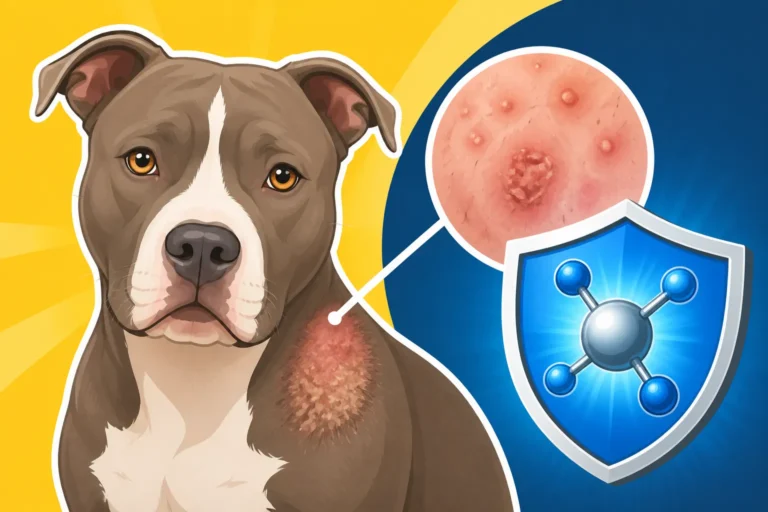
Choosing the right food for this critical trial isn't about just picking a "grain-free" or "sensitive stomach" option off the pet store shelf. For a truly effective elimination diet, you need either a novel protein source (meaning something your dog has never eaten before in any form, such as kangaroo, alligator, venison, or duck, assuming they haven't had it) or a hydrolyzed protein diet. Hydrolyzed proteins are fascinating because they've been broken down into such tiny molecular fragments that the immune system doesn't recognize them as potential allergens, effectively bypassing the allergic response. Your veterinarian is your absolute best friend and guide during this crucial selection process. They can recommend specific prescription diets, such as those from Royal Canin, Purina Pro Plan Veterinary Diets, or Hill's Prescription Diet, all of which are specifically formulated for this rigorous purpose. These specialized foods are designed to be complete and balanced, ensuring your Pit Bull receives all the necessary nutrients without you having to worry about deficiencies during the trial. It's important to understand that many common over-the-counter "limited ingredient" diets often contain trace amounts of common allergens like chicken or beef in their ingredient lists, even if not explicitly stated on the front, or cross-contamination can occur during manufacturing. This is precisely why strict veterinary guidance and professional-grade diets are crucial for a successful outcome, especially when considering Food Allergies Behind Pit Bull Itching.
Executing the Eight-Week Food Trial Flawlessly
Once you've diligently chosen your prescription novel protein or hydrolyzed diet with your vet, the rule for the next eight weeks is exquisitely simple: nothing else. Absolutely nothing outside of the prescribed food and plain water. This includes all forms of treats, flavored dental chews, rawhides, pig ears, any human food whatsoever (even tiny crumbs), and certainly no licking up stray bits from the floor or sidewalk. If your Pit Bull requires treats for training or enrichment, you'll need to use small pieces of their new kibble, or your vet might approve specific single-ingredient treats made from the novel protein source if it's available. This period is incredibly tough, especially if your Pit Bull is accustomed to a diverse treat repertoire, but consistency is the single most important factor for success. Every single slip-up, no matter how small, has the potential to restart the clock on the trial, pushing back the day your dog might finally find lasting relief. This phase is often the most challenging part of the entire process, requiring unwavering vigilance and cooperation from every member of your household.
Beyond just the food bowl, you need to meticulously consider all potential sources of contamination. If you have other pets in the household, they should ideally be on the same trial food to eliminate risk, or at the very least, you must implement strict measures to ensure your itchy Pit Bull has absolutely no access to their food. Wash food bowls daily with hot, soapy water to remove any residual allergens. Consider adapting your routine for walks if your dog habitually sniffs and licks things off the ground; perhaps stick to paved areas rather than heavily trafficked grassy parks where they might pick up stray food particles. During this intense period, it's also a wise idea to ensure their general environment is as clean and allergen-free as possible, minimizing other irritants that could potentially confuse the trial results. For instance, if you also suspect your Pit Bull is battling Pit Bull Atopy and Seasonal Itching, maintaining regular wipe-downs and potentially continuing Medicated Baths for a Pit Bull With Atopy might still be necessary to control environmental triggers while you rigorously isolate the food component. Furthermore, managing secondary skin issues like Yeast Infections in Pit Bull Skin Folds or Pit Bull Pyoderma and Antibiotic Courses is vital during the trial, as lingering infections can also cause itching and make it harder to assess the diet's impact.
Keep a detailed journal throughout these eight weeks. Seriously, document everything. Note down the exact day you started the new food, daily itching levels (perhaps on a consistent scale of 1-10), any observations of redness, new skin lesions, paw chewing frequency, ear scratching, and even changes in their energy levels or stool quality. Taking weekly pictures of problematic skin areas can also provide invaluable visual evidence of progress. This meticulously detailed record will be absolutely invaluable when you review the trial with your veterinarian. Sometimes, improvement can be subtle and gradual, and looking back at your comprehensive notes and photos can reveal positive trends you might otherwise miss in the day-to-day. Remember, it often takes a few weeks for old allergens to completely clear out of your dog's system and for the inflammatory response to calm down, so don't expect instant, miraculous changes within the first few days. This is precisely why "eight weeks" isn't just a random number; it's the typical timeframe scientifically determined to be necessary to see a significant, measurable change in a dog with food allergies.
| Category | Allowed During Trial (with vet approval) | Strictly Forbidden During Trial |
|---|---|---|
| Main Food | Prescription novel protein or hydrolyzed diet | Previous kibble, store-bought "sensitive" foods, any other kibble |
| Treats | Small pieces of trial kibble, single-ingredient novel protein treats (vet-approved) | All other treats, dental chews, rawhides, pig ears, flavored dental sticks |
| Medications | Unflavored medications, or flavored only if strictly necessary and explicitly vet-approved | Flavored medications without vet clearance, supplements not approved |
| Water | Fresh, clean water (filtered if you suspect tap water issues) | Flavored water, communal water bowls (e.g., dog parks), puddles outside |
| Other Exposures | None | Table scraps, licking plates, dropped human food, other pet's food, compost, garbage access |
Interpreting Results and Moving Forward
After eight long weeks of unwavering dedication and strict adherence, it's finally time to critically assess the situation. Has your Pit Bull's itching significantly decreased? Is their skin noticeably less red, are their ears less inflamed and itchy, have they stopped the relentless chewing of their feet? If you observe a marked and consistent improvement, this is a strong and incredibly positive indicator that food allergies were indeed a significant contributing factor to their discomfort. This moment, seeing your dog finally get some genuine relief, is often the most rewarding part of the entire challenging process. Don't be too discouraged if they're not 100% "cured" or completely symptom-free; often, food allergies are just one piece of a larger puzzle, especially if concurrent environmental allergies (atopy) are also at play, or if there's an unresolved Pit Bull Ear Infections and Allergy Links. This is where reviewing your meticulously detailed journal with your veterinarian becomes absolutely crucial; during this time, it’s not uncommon to need follow-up vet visits and further diagnostics, and having a comprehensive pet insurance plan from a provider like Healthy Paws can provide peace of mind for these ongoing diagnostic steps, helping to manage unexpected expenses.
If your Pit Bull showed significant improvement on the elimination diet, the next crucial step (if you're emotionally prepared, and your vet strongly recommends it) is the "rechallenge" phase. This involves slowly reintroducing single ingredients from their old diet, one by one, over short periods, to pinpoint the exact culprit(s). For example, you might introduce a small amount of cooked chicken as a treat for a week and meticulously observe your dog for any return of symptoms. If the itching, redness, or paw chewing returns, you've very likely found a primary trigger! You then immediately stop the chicken, allow them to recover back on the trial food, and after a period of symptom resolution, you try another ingredient. This systematic phase definitively confirms the food allergy and provides invaluable information, allowing you to build a safe, diversified, and comfortable diet for your Pit Bull long-term. Be warned, though: witnessing the return of itching, even temporarily, can be disheartening for both you and your dog, but it provides undeniable, actionable answers that can guide future dietary choices.
Once you've successfully identified the offending ingredients (or confirmed that the novel/hydrolyzed diet works best for your Pit Bull), you and your veterinarian can work together to create a sustainable, long-term diet plan. This might mean sticking indefinitely to the prescription diet that provided relief, or carefully finding an over-the-counter food that strictly avoids the identified allergens. Always be incredibly diligent about reading ingredient labels – manufacturers sometimes change formulations without much fanfare. For ongoing care, remember that unexpected vet visits for allergy flare-ups or new prescriptions can certainly add up over time. Many owners find immense value in pet insurance, and a provider like Healthy Paws can help manage the costs associated with chronic conditions, though it's important to remember that policies typically exclude pre-existing conditions. Understanding Prescription Diet Costs for an Allergic Pit Bull and other related expenses is vital for responsible budgeting. If you're dealing with a complex mix of food and environmental issues, your vet might also suggest adjunctive treatments like allergy shots (immunotherapy) or long-term oral medications, which can be costly, so researching options like What Allergy Shots Cost a Pit Bull Owner can be very helpful for planning. When you're dealing with chronic issues like allergies, the financial burden can be significant. It's why many savvy Pit Bull owners look into pet insurance early, before conditions develop, to potentially cover future treatments, with companies like Healthy Paws offering various plans to explore. Remember, managing allergies is often a lifelong journey for a Pit Bull, but a successful food trial gives you invaluable tools and knowledge to make that journey much smoother and more comfortable for your beloved companion, offering the best chance for their skin to heal and stay healthy, avoiding the "whether a Pit Bull allergy ever goes away" conundrum.
Disclaimer
The information provided in this guide is for general informational purposes only and does not constitute veterinary advice. Always consult with a qualified veterinarian for any health concerns or before making any decisions related to your Pit Bull's health, diet, or treatment plan.