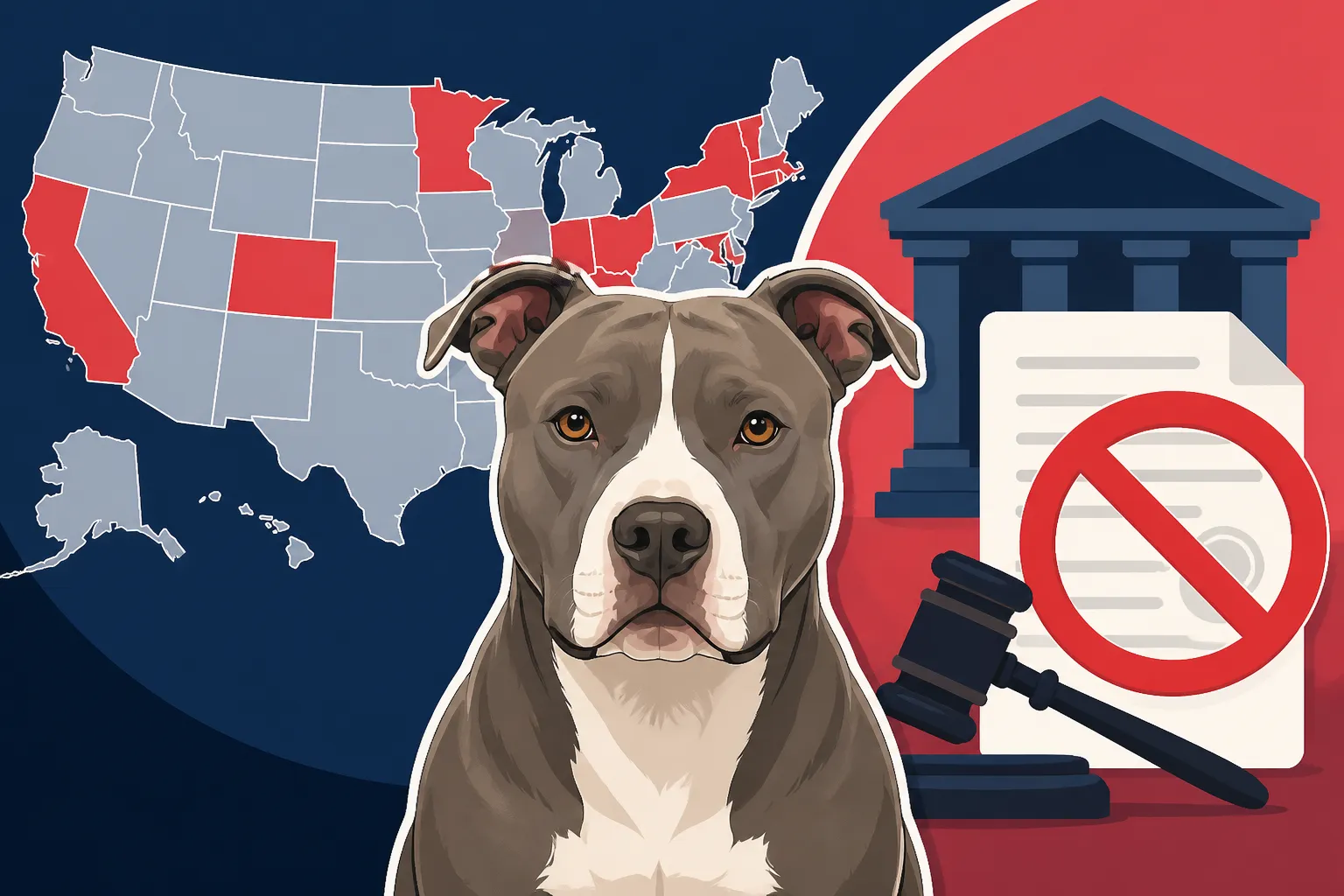
Where Pit Bull Legislation Still Applies
The landscape of breed-specific legislation (BSL) can feel like a minefield for Pit Bull owners and those hoping to adopt one of these wonderful dogs. It's incredibly frustrating to navigate a patchwork of laws that can differ wildly from one town to the next, leaving you worried about where you can live, travel, or even walk your beloved companion. This comprehensive guide aims to demystify these confusing regulations, detailing where Pit Bull legislation still applies across the United States, what these laws entail, and how you can best prepare and advocate for your furry family member.
Understanding Breed-Specific Legislation and Pit Bulls
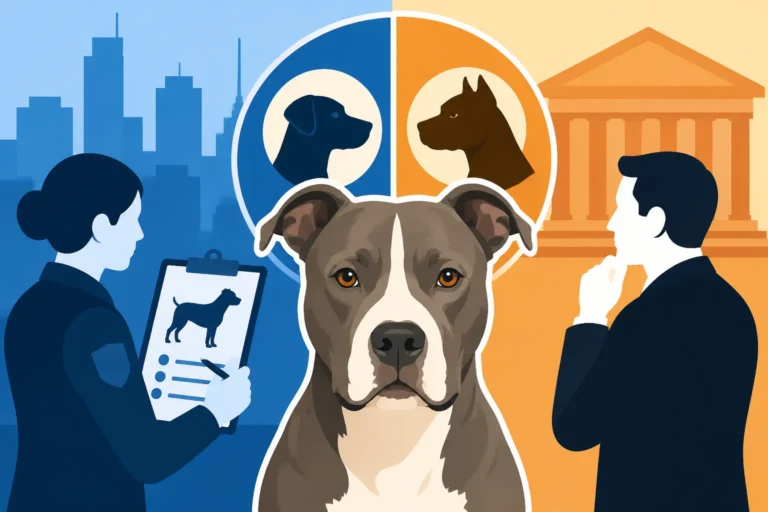
Breed-Specific Legislation, or BSL, is a type of law that prohibits or restricts specific dog breeds based on the belief that certain breeds are inherently dangerous. While these laws are often enacted with good intentions—to enhance public safety—they have been widely criticized for their effectiveness and fairness, particularly when it comes to "Pit Bull-type" dogs. The term "Pit Bull" itself is a broad umbrella, often encompassing American Pit Bull Terriers, American Staffordshire Terriers, Staffordshire Bull Terriers, and sometimes even mixes with a similar appearance. This broad definition adds another layer of complexity, as a dog might be labeled a Pit Bull based on appearance alone, regardless of its actual genetic makeup or temperament.
What BSL Actually Means for Dog Owners
For you, as a dog owner, BSL can mean anything from outright bans that force you to relocate or surrender your pet, to strict regulations that dictate how you can keep and walk your dog. Imagine finding your dream home, only to discover the city or county has a law against owning your type of dog. It's a heartbreaking situation that many Pit Bull owners have faced. These laws can make it incredibly difficult to secure housing, get Homeowners Carriers That Refuse Pit Bulls, or even find Boarding Kennels That Accept Pit Bulls when you travel. The emotional and financial toll can be immense, creating an environment of fear and uncertainty for responsible pet parents. It’s not just about compliance; it’s about the constant worry that your dog might be deemed "illegal" through no fault of its own, or yours.
Why Pit Bulls Are Often Targeted
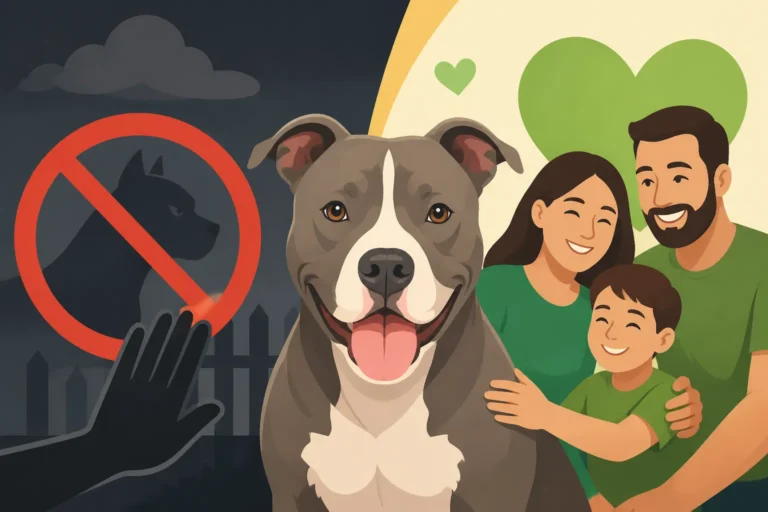
The historical context of why Pit Bulls are targeted is complex, rooted in past media sensationalism, misinformation, and their historical association with dog fighting. Despite countless studies and expert opinions pointing to individual dog behavior and responsible ownership as the true determinants of safety, the "Pit Bull" label has unfortunately become synonymous with aggression for some. This societal perception, fueled by anecdotes rather than data, has led to a knee-jerk reaction in many communities to ban or severely restrict these dogs. It's frustrating because, as any Pit Bull owner knows, these dogs are often incredibly loving, loyal, and gentle family members. The persistent myth of the "Pit Bull nanny dog" often conflicts with the fear-driven narratives, creating a confusing public image that directly impacts legislation.
The Legal Landscape: A Patchwork of Rules
The legal landscape surrounding BSL is anything but uniform across the United States. There's no federal law banning or regulating Pit Bulls, leaving it up to individual states, counties, and municipalities to set their own rules. This results in a confusing "patchwork" of regulations, where a Pit Bull might be perfectly legal and celebrated in one town, yet strictly prohibited in another just a few miles down the road. This variation means that thorough research is essential for anyone considering adopting a Pit Bull or for current owners planning a move or even a road trip. Understanding this disparate legal environment is the first crucial step in responsible Pit Bull ownership.
States Where BSL for Pit Bulls is Prohibited or Restricted
Thankfully, there's a growing movement to repeal BSL, with many states taking proactive steps to prevent local governments from enacting or enforcing breed-specific bans. These state-level protections are a huge win for Pit Bull owners, offering a layer of security against localized discrimination.
States with Pre-Emptive Laws
A significant number of states have adopted "pre-emptive" laws, meaning the state legislature has passed a law that prohibits its cities and counties from enacting breed-specific legislation. This effectively makes BSL illegal at the local level within those states. For example, states like Florida recently made headlines for Why Florida Removed Its Pit Bull Bans, with a new state law taking effect that prevents local governments from enforcing breed-specific ordinances. Other states such as Arizona, Colorado (which repealed its state-level ban on Pit Bulls in 2020), Massachusetts, and Pennsylvania have similar statewide prohibitions. These laws are a testament to the hard work of advocates who understand that responsible pet ownership, not breed, should be the focus. This shift acknowledges the scientific consensus that BSL is ineffective and often leads to the unjust targeting of well-behaved dogs.
How State Laws Override Local Ordinances
When a state passes a pre-emptive BSL law, it overrides any existing or future local ordinances that might attempt to ban or restrict specific breeds. This means that even if a city or county within that state previously had a Pit Bull ban, the state law makes that local ban unenforceable. It's a powerful tool for consistency and fairness, preventing a situation where crossing a city limit could turn your perfectly legal dog into a prohibited animal. However, it's important to remember that some state pre-emption laws might have grandfather clauses, allowing existing bans to remain for a period or under certain conditions. Always double-check the specifics of the law in your particular state, as the devil is often in the details.
What This Means for Owners in Protected States
For Pit Bull owners living in states with pre-emptive BSL laws, it offers a great deal of peace of mind. You generally don't have to worry about individual cities or counties within that state enacting a ban that could force you to move or relinquish your dog. This can make finding Renters Insurance That Accepts a Pit Bull or negotiating Lease Clauses That Name Pit Bull Type Dogs much easier, as landlords are less likely to face conflicting local ordinances. It also promotes a more consistent approach to dog control, focusing on dangerous individual animals rather than entire breeds. However, even in these states, responsible ownership practices remain paramount. All dogs, regardless of breed, benefit from good training, socialization, and proper management. If you're looking to adopt, knowing which states have these protections can significantly broaden your options and reduce potential future headaches related to housing or travel.
Cities and Counties Still Enforcing Pit Bull Bans
Despite the positive trend towards state-level pre-emption, many cities and counties across the United States continue to enforce breed-specific legislation against Pit Bulls. These are often long-standing ordinances that have proven difficult to overturn, often due to entrenched local politics or historical incidents that shaped public perception.
Specific Examples of Remaining Local Bans
While the list is constantly changing, some of the most well-known areas with active Pit Bull bans or severe restrictions include cities within certain states like Ohio, Iowa, Missouri, and Kansas. For a long time, Miami-Dade County in Florida famously had a Pit Bull ban, which was finally repealed when the state's pre-emption law took effect in 2024. This change was a huge victory, but it highlights how deeply rooted these bans can become. Other places, such as specific towns in Arkansas or rural communities in states without pre-emptive laws, might still have outright prohibitions. These areas often require careful research, as the laws can be very specific, sometimes targeting "any dog resembling a Pit Bull" rather than formally recognized breeds. For example, some jurisdictions might have stricter rules for Pit Bulls regarding licensing, registration, or even the type of containment required.
Common Restrictions in Banned Areas
Where outright bans aren't in place, cities and counties often impose strict ownership requirements. These can be incredibly burdensome and costly for Pit Bull owners. Common restrictions include:
- Mandatory Muzzling: Requiring Pit Bulls to wear a muzzle whenever they are outside the owner's property, even on a leash. This means you need to get your dog used to a comfortable, safe basket muzzle, which can take time and patience. It also raises questions about Whether a Muzzle Makes a Pit Bull Look Worse in public perception.
- Special Licensing and Registration: Owners may be required to pay higher annual licensing fees, register their dog with the city as a "dangerous" or "regulated" breed, and provide proof of spay/neuter.
- Liability Insurance: Many laws mandate that Pit Bull owners carry a specific amount of liability insurance, often $100,000 or more, to cover potential damages caused by their dog. Finding Pit Bull Pet Insurance and Breed Exclusions that meet these requirements can be a challenge.
- Secure Enclosures: Requirements for high-fenced yards, reinforced kennels, or even specific gate locks to prevent escape.
- Signage: Displaying "Beware of Dog" or "Dangerous Dog" signs on the property.
- Microchipping: Mandatory microchipping for identification, especially in areas like Denver, which previously had a ban and now has specific microchip rules for Denver's Microchip Rules for a Pit Bull following its repeal.
These restrictions, while framed as safety measures, can make everyday life with a Pit Bull incredibly challenging and expensive. For instance, the need for specialized gear might lead owners to check sites like Chewy for sturdy, compliant muzzles and secure harnesses.
The Ongoing Fight for Repeal
The fight to repeal BSL is a continuous and often uphill battle waged by passionate advocates, rescue organizations, and responsible Pit Bull owners. Grassroots efforts, legal challenges, and public education campaigns are all part of this movement. Organizations like the ASPCA and the American Veterinary Medical Association (AVMA) consistently speak out against BSL, citing its ineffectiveness and unfairness. Success stories, like the repeal in Denver after decades of a ban, and the statewide pre-emption in Florida, offer hope and momentum. These victories are often the result of tireless community organizing, education of local lawmakers, and presenting compelling evidence that focuses on individual dog behavior and effective, breed-neutral dangerous dog laws.
Common Types of Pit Bull Legislation
Understanding the different categories of BSL can help owners anticipate the challenges they might face. It's not always a blanket ban; sometimes it's a series of restrictive rules that can feel almost as prohibitive.
Outright Bans and Forced Relocation
An outright ban means that Pit Bulls, or dogs identified as Pit Bull-type, are simply not allowed within a particular jurisdiction. If you own a Pit Bull and move into an area with a ban, you could be forced to surrender your dog, move out of the area, or face severe fines and legal action. This is one of the most devastating forms of BSL, as it puts owners in an impossible situation: choose between their beloved pet and their home. The emotional toll of The Hardest Call a Pit Bull Owner Makes is immense, and for many, it leads to desperate attempts to find a new home or, tragically, surrender their dog to an already overburdened shelter system. It's a scenario that underlines the urgent need for comprehensive, breed-neutral laws focusing on behavior rather than appearance.
Strict Ownership Requirements and Permits
Many areas that don't have outright bans instead implement strict ownership requirements. These often involve a mandatory permit or registration process for Pit Bulls, which can include:
- Proof of Spay/Neuter: Ensuring all Pit Bulls are sterilized to prevent unwanted litters.
- Photo Identification: Requiring updated photographs of the dog for municipal records.
- Annual Renewals: Often, these permits need to be renewed yearly, sometimes with additional fees and inspections.
- Home Inspections: Some jurisdictions may require an animal control officer to inspect the property to ensure secure containment.
These permits are not just about paperwork; they often come with significant costs, contributing to What a Pit Bull Costs to Adopt or Buy and maintain. The annual fees, combined with required insurance and potential property modifications, can make Pit Bull ownership financially inaccessible for many, even if they are otherwise responsible. This bureaucratic hurdle adds stress and often creates an unspoken bias against owning these dogs.
Mandatory Muzzling and Leash Laws
Beyond permits, many jurisdictions impose strict handling requirements. Mandatory muzzling in public spaces, even fenced-in dog parks, is common in areas with BSL. This requires careful Muzzle Training Every Pit Bull Should Have to ensure the dog is comfortable and safe. Furthermore, leash laws can be much stricter for Pit Bulls, sometimes requiring leashes to be a certain length or mandating that only an adult of a specific age can walk the dog. These laws can significantly impact a Pit Bull's ability to socialize and exercise naturally, often contributing to behavioral issues if not managed very carefully. It also adds an extra layer of scrutiny and potential judgment from the public when you're simply trying to take your dog for a walk.
Navigating Life with a Pit Bull Under BSL
Living with a Pit Bull, especially in areas with BSL, requires proactive planning, responsible pet ownership, and a strong commitment to advocacy. It's not just about enjoying your dog; it's about safeguarding its place in your family and community.
Checking Local Laws Before Moving or Traveling
This cannot be stressed enough: always research local laws meticulously before you move or travel with your Pit Bull. A simple stopover in a restrictive county could lead to unexpected trouble. Websites for animal control, municipal codes, and local government provide the most accurate information. If you're planning a permanent move, consulting with a local animal attorney or contacting breed-specific rescue groups in the new area can offer invaluable insights. Don't rely solely on general online searches; specific towns can have unique rules. Being prepared means you won't face the devastating surprise of discovering your beloved pet is suddenly unwelcome or even illegal. It's also wise to check for Traveling and Moving With a Pit Bull resources that outline state-by-state rules.
The Importance of Responsible Ownership and Training
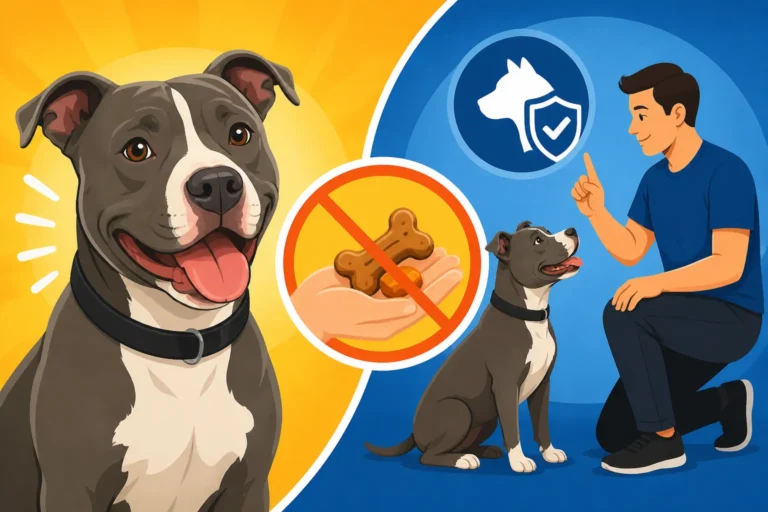
Regardless of where you live, responsible Pit Bull ownership is paramount. This goes beyond basic care and extends to rigorous training and socialization. A well-behaved, confident Pit Bull is your best ambassador against breed stereotypes. Investing in Pit Bull Training and Certification Costs is not just about manners; it's about proving your dog is a valued, non-threatening member of society.
- Consistent Training: Start early with puppy classes, focusing on obedience, impulse control, and polite greetings. Continued training throughout their life keeps them mentally stimulated and reinforces good habits. You might find high-value training treats on sites like Chewy, which can be a game-changer for focus.
- Socialization: Exposing your Pit Bull puppy to a variety of sights, sounds, people, and appropriate dog interactions in a positive, controlled manner helps them grow into well-adjusted adults.
- Management: Always adhere to leash laws, supervise interactions with children and other animals, and ensure your property is securely fenced. Knowing Why a Pit Bull Should Not Be Off Leash in Public is critical for their safety and public perception.
- Health Care: Regular vet check-ups, vaccinations, and parasite prevention are crucial for overall well-being. Keeping a Pit Bull in top shape, with a healthy diet (perhaps from Ollie, a fresh food delivery service that focuses on quality ingredients) and plenty of exercise, contributes to a stable temperament.
By being a model owner, you not only ensure your dog's happiness but also contribute to a positive public image for Pit Bulls, subtly working against the very legislation that targets them.
Documentation and Advocacy for Your Pit Bull
Beyond personal responsibility, active advocacy is key. Keep meticulous records of your Pit Bull's health, training certificates, microchip information, and any Canine Good Citizen (CGC) or therapy dog titles they may achieve. A Canine Good Citizen and Why It Matters for a Pit Bull provides tangible proof of your dog's good behavior and your commitment to training. These documents can be crucial if you ever need to challenge a breed determination or convince a landlord or insurer. Joining local or national Pit Bull advocacy groups, participating in responsible pet owner events, and speaking positively about your experiences can also help change hearts and minds within your community. Your voice, backed by a well-behaved dog, can be a powerful force against discriminatory laws.
The Impact of Legislation on Pit Bull Owners and Shelters
The ripple effects of BSL extend far beyond a simple "yes" or "no" to dog ownership. They create a complex web of challenges for individuals and organizations alike, often leading to tragic outcomes for innocent animals.
Challenges for Adopters and Current Owners
For potential adopters, BSL can severely limit their choices, making it nearly impossible to welcome a Pit Bull into their home if they live in a restricted area. This often means driving long distances to shelters outside their immediate area or choosing a different breed entirely. Current owners face even more acute challenges. A job transfer, a change in housing, or even a landlord's sudden policy change can turn a stable living situation into a crisis. The pressure to find housing that accepts their dog can be overwhelming, especially when Apartment Complexes That Ban Pit Bulls Outright are common.
Moreover, obtaining adequate insurance can be a nightmare. Many insurance companies have breed restrictions, either refusing coverage or significantly increasing premiums if you own a Pit Bull. While some insurers are becoming more breed-neutral, many still have Insurers With No Pit Bull Breed Restriction in their policies. This added financial burden, on top of already managing What a Pit Bull Costs a Year With Allergies or other health issues, can make Pit Bull ownership unsustainable for some families.
Strain on Animal Shelters and Rescues
BSL places an immense strain on animal shelters and rescue organizations. When owners are forced to surrender their Pit Bulls due to housing restrictions or inability to comply with strict laws, shelters become overwhelmed. Pit Bulls already face longer waits for adoption and higher euthanasia rates due to stigma; BSL exacerbates this problem. Shelters in areas with bans might refuse to take in Pit Bulls to avoid legal issues, leaving owners with even fewer options. This leads to overcrowded facilities, increased stress on staff, and ultimately, more adoptable dogs losing their lives. Rescue groups often step in to transport Pit Bulls from high-kill shelters in BSL areas to more welcoming communities, a costly and labor-intensive effort. Understanding Why Shelter Pit Bulls Wait Longer helps shed light on this unfortunate reality.
Financial Burdens on Pit Bull Families
The costs associated with BSL are often overlooked but can be substantial. Beyond increased insurance premiums and permit fees, owners might incur expenses for:
- Specialized equipment: Mandated muzzles, stronger leashes, or even custom-built secure kennels.
- Legal fees: If an owner decides to challenge a breed determination or a local ordinance, legal costs can quickly skyrocket.
- Relocation expenses: The cost of moving to a new area specifically to keep their dog can be prohibitive.
- Vet care: While not directly BSL-related, owners must budget for routine care, and potentially for managing Pit Bull Skin Allergies and the Atopy Pattern, which can be costly. Pet insurance from providers like Healthy Paws can help offset unexpected vet bills, but even then, some policies might have breed exclusions or higher premiums.
These financial strains can push loving families to their breaking point, forcing them to make impossible decisions about their pets. It's a cruel irony that laws meant to protect public safety often end up punishing responsible pet owners and jeopardizing the welfare of countless animals.
| State/City Example | BSL Status | Common Restrictions (if applicable) | Notes |
|---|---|---|---|
| Florida (State) | Pre-empted (No BSL allowed) | None at state level, local bans unenforceable | State law effective 2024, repealing local bans like Miami-Dade. |
| Iowa (State) | No Pre-emption (Local BSL possible) | Varies by city; some cities have bans. | Cities like Fairfield, Sioux City, Fort Dodge have BSL. |
| Ohio (State) | No state-wide ban, some pre-emption | Previously had state BSL, now allows local. | State removed blanket "vicious dog" label for Pit Bulls, but allows local BSL. |
| Denver, CO (City) | Repealed | Previously: Permit, microchip, liability insurance, training. | Ban repealed in 2020, now focuses on responsible owner behavior. |
The Argument Against Breed-Specific Legislation
For decades, animal welfare organizations, veterinary associations, and dog behavior experts have argued strenuously against BSL. Their collective stance is clear: BSL is ineffective, unfair, and ultimately fails to enhance public safety.
Effectiveness of BSL in Reducing Bites
One of the primary arguments against BSL is its demonstrated ineffectiveness in reducing dog bites or enhancing public safety. Numerous studies and real-world analyses have shown that communities that implement BSL do not experience a significant reduction in dog bite incidents. Instead, they often see a shift in the types of dogs involved in bites, as owners of restricted breeds may simply switch to other powerful breeds or avoid licensing their dogs, pushing them underground. The focus on breed ignores the myriad factors that contribute to dog bites, such as:
- Lack of socialization and training: Dogs without proper exposure and education are more likely to react defensively.
- Neglect and abuse: Dogs that are mistreated or ignored are at higher risk of developing behavioral problems.
- Poor supervision: Unsupervised dogs, regardless of breed, pose a greater risk.
- Intact status: Unneutered male dogs are statistically more likely to be involved in bite incidents.
- Tethering and isolation: Dogs kept in isolation or chained often develop frustration and aggression.
True public safety comes from comprehensive, breed-neutral dangerous dog laws that target specific behaviors and responsible ownership practices, rather than discriminating against an entire group of dogs based on appearance. For instance, laws requiring spay/neuter, proper containment, and swift action against any dog demonstrating dangerous behavior are far more effective.
Focus on Owner Behavior, Not Breed
Experts consistently emphasize that a dog's behavior is primarily a product of its environment, training, genetics, and individual personality, not solely its breed. While genetics can influence certain traits, it's the combination of these factors, coupled with responsible ownership, that truly shapes a dog. The American Veterinary Medical Association (AVMA) states that breed is a poor predictor of individual dog aggression. A Pit Bull raised with love, proper socialization, and consistent training is far less likely to be dangerous than a dog of any breed that is neglected, abused, or poorly managed.
Therefore, effective dog control policies should focus on promoting responsible pet ownership for all dogs. This includes mandating licensing, enforcing leash laws, requiring spay/neuter, providing resources for training and behavior modification, and implementing "dangerous dog" laws that penalize any dog that acts aggressively, regardless of breed. This approach ensures accountability from owners and addresses the root causes of problematic dog behavior.
Legal Challenges and Expert Opinions
BSL has faced, and continues to face, significant legal challenges. Advocates argue that these laws violate due process, are discriminatory, and fail to distinguish between responsible and irresponsible owners. Expert opinions from canine behaviorists, veterinarians, and animal control professionals overwhelmingly support breed-neutral legislation. Organizations like the National Canine Research Council compile extensive data demonstrating the ineffectiveness of BSL and promoting alternative, more effective approaches to dog bite prevention. The trend toward state pre-emption laws and the repeal of local bans, such as How Denver's Pit Bull Ban Was Repealed in 2020, directly reflects this growing consensus among experts and a more informed public. These legal and scientific arguments are slowly but surely chipping away at outdated, fear-based legislation, paving the way for a future where all dogs are judged as individuals.
Disclaimer
Please remember that laws regarding breed-specific legislation are constantly changing. While every effort has been made to provide accurate and up-to-date information, local ordinances and state laws can be complex and are subject to revision. Always consult with local authorities, legal professionals, or animal welfare organizations for the most current and specific information pertaining to your area. This guide is for informational purposes only and does not constitute legal advice.