A House Trained Pit Bull Having Accidents Again
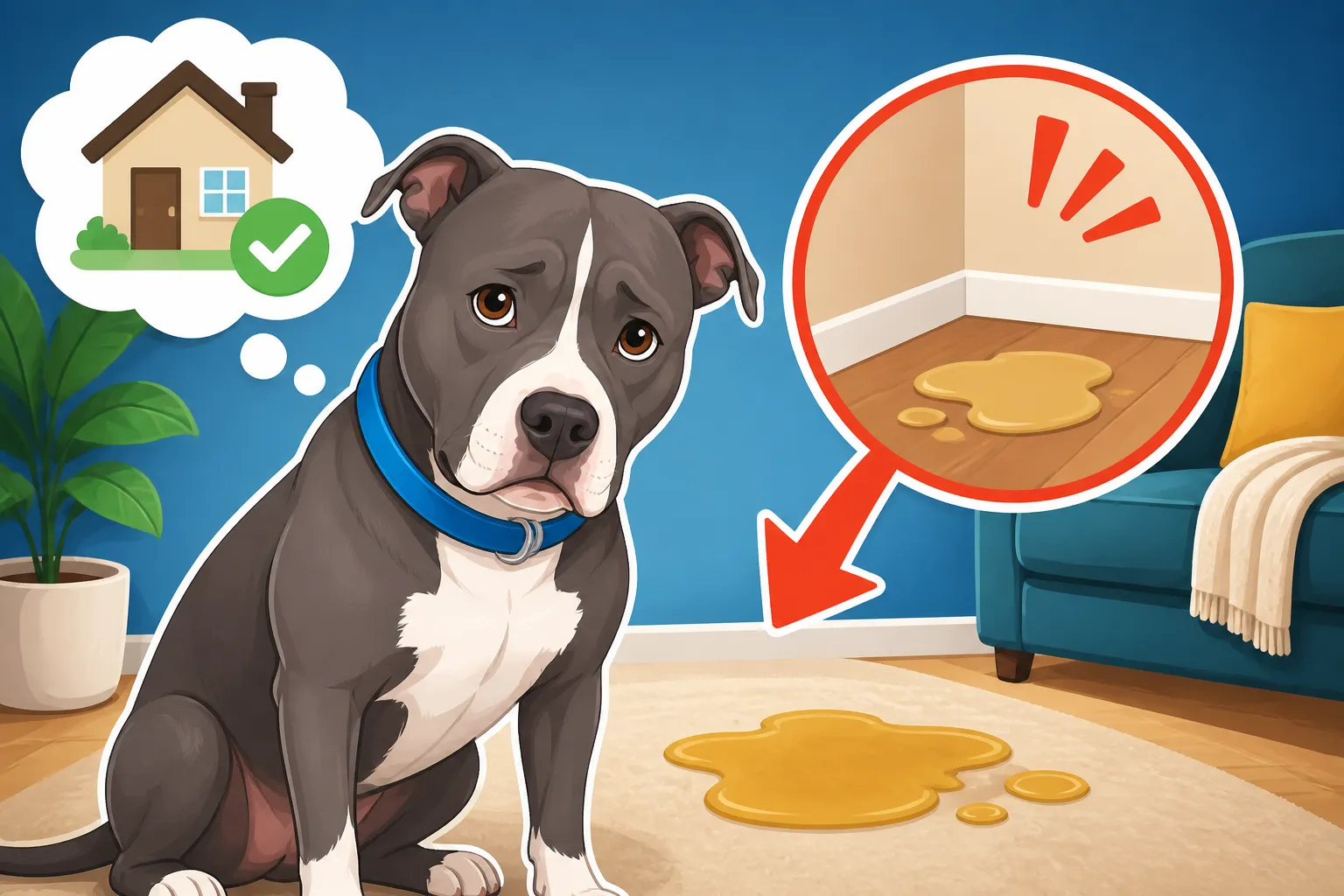
It's incredibly frustrating when your otherwise perfectly house-trained Pit Bull suddenly starts having accidents in the house. You've been through the puppy stage, celebrated the triumphs of a clean home, and now you're back to scrubbing floors and wondering what went wrong. This guide aims to unravel the mystery behind those unexpected puddles and piles, offering clear, actionable steps to identify the root cause and get your beloved Pit Bull back on track.
Ruling Out Medical Reasons for Accidents
When a previously house-trained dog starts having accidents, the absolute first step is always a trip to the vet. It’s not about judgment; it’s about making sure your Pit Bull isn’t in pain or suffering from an underlying health issue. Their sudden change in habits is often their only way of telling you something is wrong. Don't skip this step, even if you're convinced it's "just a behavior problem." You'd be surprised how many seemingly behavioral issues have a medical foundation.
Urinary Tract Issues and Infections
Urinary tract infections (UTIs) are incredibly common and can affect any dog, including our sturdy Pit Bulls. A UTI makes it difficult, if not impossible, for your dog to hold their bladder as long as they usually would. They might feel a constant urge to urinate, leading to accidents even soon after being let outside. You might notice them straining to pee, passing only small amounts, or even having discolored or strong-smelling urine. Sometimes, they'll lick their privates excessively. This isn't them being "naughty"; it's discomfort. Other urinary issues could include bladder stones or even certain types of growths, which can cause similar symptoms. A vet can easily diagnose a UTI with a urine sample and prescribe antibiotics, bringing quick relief.
Systemic Illnesses: Diabetes, Kidney Disease, and More
Beyond simple infections, several more systemic health conditions can manifest as inappropriate urination or defecation. Diabetes, for example, often leads to increased thirst and thus increased urination. If your Pit Bull is suddenly drinking bowls dry faster than usual and needing to go out constantly, diabetes could be a factor. Kidney disease can also impact their ability to concentrate urine, leading to more frequent and larger volumes. Sometimes, conditions that cause pain or discomfort, such as Pit Bull Hip Dysplasia Showing at One to Two Years or severe arthritis, can make it painful for your dog to get into a squatting position or to even make it outside in time. This is especially true for older Pit Bulls. Similarly, a dog suffering from Pit Bull Heart and Thyroid Conditions might experience weakness or other symptoms that indirectly lead to accidents. It’s crucial for your vet to do a thorough examination and possibly blood tests to check for these broader health concerns.
Age-Related Changes and Cognitive Decline
As our Pit Bulls age, just like us, their bodies and minds can change. An older Pit Bull might experience incontinence due to weakening bladder muscles or a decline in cognitive function, often referred to as Canine Cognitive Dysfunction (CCD). This is similar to dementia in humans. A dog with CCD might forget their house-training rules, become disoriented in familiar rooms, or simply lose awareness of the need to eliminate. They might even soil their bed without seeming to realize it. If your older Pit Bull is also showing other signs like staring blankly, pacing more at night, or acting confused, it’s worth discussing A Pit Bull Confused in Rooms It Knows and senior cognitive decline with your vet. For older dogs, it might also be that they simply can't hold it as long as they used to, or they take longer to get up and move, especially if they have Arthritis in a Pit Bull at Seven. These aren't intentional acts, but rather symptoms of aging that require understanding and adjustments from us, their loving owners. Caring for a Pit Bull in Its Second Decade offers more insights into managing an aging Pit Bull.
Behavioral and Environmental Factors Contributing to Accidents
Once medical issues are safely ruled out by your vet, it's time to put on your detective hat and examine the behavioral and environmental aspects of your Pit Bull's life. Dogs are creatures of habit and sensitive to change, and sometimes a shift in their world can throw their entire routine off, leading to seemingly random accidents.
Stress, Anxiety, and Insecurity
Our Pit Bulls, for all their tough exteriors, can be quite sensitive souls. Stress, anxiety, or feelings of insecurity can absolutely lead to house-soiling. Think about it: have there been any major changes recently? A new baby, a new pet, a move to a new home, a change in your work schedule, or even a different member of the household moving in or out? These can all be huge stressors.
Separation anxiety is another big one. If your Pit Bull is having accidents primarily when left alone, accompanied by destructive chewing (maybe on something like a favorite couch cushion, not just a sturdy chew toy), excessive barking, or attempts to escape, it's likely anxiety. They're not doing it out of spite; they're genuinely distressed. This often presents as house-soiling because they cannot control their bladder or bowels when in a panic. You might notice puddles by the door or crate. Understanding Why a Pit Bull That Screams When You Leave can provide more context on this specific type of anxiety. It’s a cry for help, not an act of defiance.
Changes in Routine or Environment
Consistency is paramount for a well-house-trained dog, especially for a smart and routine-driven breed like a Pit Bull. Even subtle changes can throw them off. Has their potty schedule shifted? Are you going out later, or coming home earlier/later? Has their food changed, perhaps altering their digestion and bowel movements? Have they been getting less outdoor time or shorter walks? Maybe you've changed your cleaning products, and the scent is causing them confusion or aversion in their usual potty spots.
Consider environmental factors too. Is the weather drastically different? Some dogs, particularly those with shorter coats like many Pit Bulls, might be less inclined to go outside if it's pouring rain, snowing heavily, or extremely cold, leading to them holding it too long indoors. Whether a Pit Bull Feels Cold in Winter is a real consideration. Also, has access to their usual potty spot changed? Maybe a new fence went up, or a new dog is now visiting the yard next door, making them uncomfortable. All these seemingly small things can add up to a big problem.
Marking or Attention-Seeking Behaviors
Sometimes, house-soiling can be a form of communication or a behavioral habit. If you're finding small amounts of urine in vertical places, like on furniture legs or walls, especially from an intact male (though females can mark too), it might be territorial marking. This is distinct from a full-blown accident and is often driven by a perceived need to establish boundaries, particularly if there are new animals in the vicinity or if guests have been in the home.
Less commonly, but certainly possible, is attention-seeking. If your Pit Bull gets a lot of attention (even negative attention, like yelling) when they have an accident, they might start to associate the two. They learn that a puddle equals you rushing to them, even if you’re angry. This is rare in truly house-trained dogs but can develop if a dog feels neglected or doesn't have other ways to get your focus. However, always rule out medical and anxiety issues before jumping to this conclusion. Most dogs prefer to keep their den clean, so an accident is usually not a deliberate act to annoy you.
Addressing the Problem: Steps and Solutions
Once you’ve had that crucial vet visit and started identifying potential non-medical triggers, it’s time to implement a plan. Addressing house-training regression requires patience, consistency, and a multi-faceted approach.
The All-Important Vet Check-Up
Seriously, I can't stress this enough. Before you scold, before you retrain, before you assume it's behavioral, talk to your vet. This is the number one most important step. Your vet will perform a physical exam, likely check a urine sample (urinalysis), and possibly recommend blood work to check for those systemic issues like diabetes or kidney disease. They might even suggest X-rays if they suspect bladder stones or other structural problems.
If a medical issue is found, addressing it will often resolve the accidents. For instance, antibiotics for a UTI can clear up the problem within days. For chronic conditions, your vet might prescribe medication, dietary changes, or other management strategies. Once the medical side is handled, you might still need a quick refresher course in house-training, but at least you’ll know your Pit Bull isn’t suffering silently. Don't forget to inquire about How Often a Ten Year Old Pit Bull Needs Checking if your dog is entering their senior years, as proactive care can catch issues early.
Revisiting Housetraining Fundamentals
Whether it's a slight medical issue that's now resolved or a purely behavioral one, sometimes a step back to basics is all that's needed. Think of your Pit Bull as a puppy again, but with a much faster learning curve.
- Strict Potty Schedule: Take your Pit Bull out frequently and on a very predictable schedule. First thing in the morning, after every meal, after waking from a nap, before bedtime, and at least every couple of hours in between. Praise and reward heavily when they go outside.
- Supervision and Confinement: When you can't actively supervise your Pit Bull indoors, they should be in a confined space where they're unlikely to have an accident. This could be a crate that’s just large enough for them to stand up, turn around, and lie down comfortably (dogs generally don't like to soil their sleeping area). Alternatively, a dog-proofed room with easy-to-clean floors, or even tethered to you, can work. The Crate a Pit Bull Cannot Break Out Of is a great resource if you need to upgrade your crating situation for a strong Pit Bull.
- Clean Accidents Thoroughly: Use an enzymatic cleaner specifically designed for pet odors. Regular household cleaners might remove the stain for you, but they often leave behind odors that only your dog can detect, which can encourage them to soil that spot again. Products available on Amazon are often excellent for this purpose, ensuring no lingering scent cues.
- Positive Reinforcement: When your Pit Bull eliminates outside, throw a party! Use high-value treats and enthusiastic verbal praise. Make it the most exciting thing in the world to pee or poop outdoors. Never punish them for accidents inside; this only teaches them to fear you and hide their accidents, making the problem harder to solve.
You might even consider a refresher course in obedience or specific house-training techniques. Online platforms like BAXTER & Bella offer virtual coaching and resources that can help you re-establish good habits with positive reinforcement, even if you’re just looking for tips on Getting a Pit Bull Puppy Clean in the House for an adult dog.
Managing the Environment for Success
Beyond direct training, making your home environment conducive to success is vital.
- Consistent Access: Ensure your Pit Bull has consistent and easy access to their designated outdoor potty area. If you use a dog door, make sure it’s always accessible and clean. If you let them out in the yard, be consistent about opening the door.
- Weather Protection: If cold or rain is an issue, consider a rain slicker or a warm coat for short-coated Pit Bulls during inclement weather. Make the outdoor experience as comfortable as possible. Even a covered area in the yard can help. Whether a Pit Bull Feels Cold in Winter is a crucial consideration.
- Enrichment: For stress and anxiety, ensure your Pit Bull is getting enough mental and physical stimulation. A bored or anxious Pit Bull is more likely to engage in undesirable behaviors. This could mean more walks, puzzle toys, training sessions, or even something like Indoor Trick Work for a Bored Pit Bull. Consider giving them a Chew Toys That Hold Up to a Pit Bull to occupy them when you’re busy.
- Address Anxiety Triggers: If separation anxiety is the culprit, consult with your vet or a certified professional dog trainer. This often involves specific desensitization and counter-conditioning protocols, and sometimes, anti-anxiety medication in conjunction with behavior modification.
Prevention and Long-Term Management
Once you've identified the cause of your Pit Bull's house-training regression and started to see improvements, the goal shifts to maintaining those good habits and preventing future mishaps. This requires ongoing vigilance and a commitment to their well-being.
Consistency is Key
I can't emphasize this enough: consistency in routine is your best friend when it comes to a house-trained Pit Bull. Dogs thrive on predictability. Stick to a consistent feeding schedule, as this directly impacts their elimination schedule. If you feed at the same times each day, you’ll have a better idea of when they’ll need to go outside. Similarly, maintain a regular potty schedule. Even if they don't always go, offering the opportunity at consistent intervals reinforces the habit.
This consistency extends to your interactions, too. If you’re home more often now, don't suddenly reduce their outdoor time when your schedule changes again. Gradually transition them. If your work schedule is unpredictable, consider a trusted dog walker or a doggy daycare for those days when you can’t maintain their routine yourself. Remember, The Daily Exercise a Pit Bull Actually Needs also plays into their overall well-being and stress levels, which in turn affects their behavior.
Proactive Health Management
Regular veterinary check-ups are essential for preventing health issues that could lead to house-training regression. For younger Pit Bulls, annual check-ups are usually sufficient. As they enter their senior years, perhaps around seven or eight years old, your vet might recommend twice-yearly visits. These proactive check-ups can catch issues like UTIs, early signs of kidney disease, or developing arthritis before they become severe enough to cause accidents.
Discuss any subtle changes you notice with your vet – increased thirst, changes in appetite, decreased activity, or anything out of the ordinary, even if it seems minor. Early detection and intervention are always best. This kind of diligent monitoring ties into the larger picture of Pit Bull Lifespan Across Twelve to Sixteen Years, ensuring their golden years are as comfortable as possible. Be mindful of their weight, too, as Pit Bull Obesity and Joint Strain can make it harder for them to move, potentially leading to accidents if they can't get outside quickly.
Enrichment and Mental Stimulation
A mentally and physically stimulated Pit Bull is generally a happier, better-behaved Pit Bull. Boredom and pent-up energy can manifest in many undesirable ways, including anxiety and, subsequently, house-soiling. Ensure your Pit Bull is getting plenty of exercise appropriate for their age and fitness level. This doesn't always mean intense running; it can be regular walks, playtime in the yard, or even indoor games.
Beyond physical exercise, mental enrichment is crucial. Pit Bulls are intelligent and enjoy having a "job" to do. Incorporate puzzle toys, scent work games (hiding treats for them to find), or regular training sessions into their day. Teaching them new tricks or reinforcing existing commands keeps their minds active. Brands found on Amazon often have a wide selection of durable puzzle toys that can stand up to a Pit Bull’s strong jaws. Even just 15-20 minutes of dedicated training or interactive play can make a huge difference in their overall behavior and reduce anxiety that might lead to accidents. Indoor Enrichment for a Pit Bull offers more fantastic ideas to keep their minds engaged.
When to Seek Professional Help
Sometimes, despite your best efforts, the problem persists. If you’ve worked with your vet to rule out medical causes, consistently applied retraining techniques, and made environmental adjustments, but your Pit Bull is still having accidents, it’s time to call in a professional behaviorist or certified dog trainer.
An experienced professional can observe your Pit Bull in their home environment, identify subtle cues you might be missing, and develop a tailored behavior modification plan. They can help address deep-seated anxiety, marking behaviors, or even more complex issues. Do not feel like a failure if you need to reach out for this kind of support; it shows you're a dedicated owner committed to solving the problem for your Pit Bull. They are specialists who can provide insights and strategies that we, as owners, might not be equipped to implement on our own. It's an investment in your Pit Bull's happiness and your peace of mind.
Final Thoughts
A house-trained Pit Bull having accidents again is a challenge, no doubt, but it’s a solvable one. Remember, your Pit Bull isn't being spiteful or trying to upset you. Their behavior is a signal, a way for them to communicate a problem they can’t express in words. By patiently and systematically investigating medical possibilities, evaluating behavioral triggers, and consistently applying positive reinforcement, you can help your Pit Bull regain their confidence and get back to being the clean, happy companion you know and love.
Disclaimer
This article is for general informational purposes only and does not constitute professional advice. Laws, prices and regulations vary by location and change over time. Consult a qualified professional for guidance on your specific situation.