Food Allergies Behind Pit Bull Itching
There's nothing quite as heartbreaking for a Pit Bull owner as watching their beloved companion suffer from relentless itching. You see them scratching, licking their paws, rubbing their face raw on the carpet, and generally looking miserable, and you feel utterly helpless. Often, when external factors like fleas or environmental allergies have been ruled out, the insidious culprit behind your Pit Bull's constant discomfort might just be a food allergy. This guide is here to walk you through understanding, identifying, and managing food allergies in your Pit Bull, helping you bring much-needed relief to your itchy friend.
Understanding Why Pit Bulls Itch So Much
It's a common lament among Pit Bull owners: "My dog just won't stop itching!" And it’s true, Pit Bulls, like many other bulldog-type breeds, are unfortunately predisposed to a range of skin issues. When you see your dog constantly scratching, it's not just an annoyance; it's a sign that something is fundamentally irritating their system. While environmental factors often get the blame, a significant portion of chronic itching can actually be traced back to what's in their food bowl.
The Frustrating Cycle of Constant Itching
Imagine having an itch that you just can't relieve, day in and day out. That's often the reality for a Pit Bull suffering from chronic skin irritation. You'll notice obsessive scratching, licking, and chewing, particularly on their paws. Many owners describe their dogs relentlessly working at their feet, sometimes to the point where the skin becomes raw and inflamed. If you've ever found yourself wondering why your Pit Bull is always spending time Pit Bull Paw Licking and Chewing or even A Pit Bull Chewing Its Feet Through the Night, a food allergy could very well be at the root of this frustrating cycle. This constant trauma to the skin breaks down its natural barrier, making it even more susceptible to secondary infections from yeast and bacteria, which only intensifies the itch.
This isn't just a minor inconvenience; it significantly impacts your dog's quality of life and your own peace of mind. Sleepless nights for both of you, endless cleaning, and the emotional toll of seeing your dog in discomfort can be overwhelming. It can feel like you're constantly fighting a losing battle, trying one remedy after another with little lasting success. The emotional bond with your Pit Bull makes their suffering even harder to bear, driving you to seek answers and effective solutions.
Common Causes Beyond Food
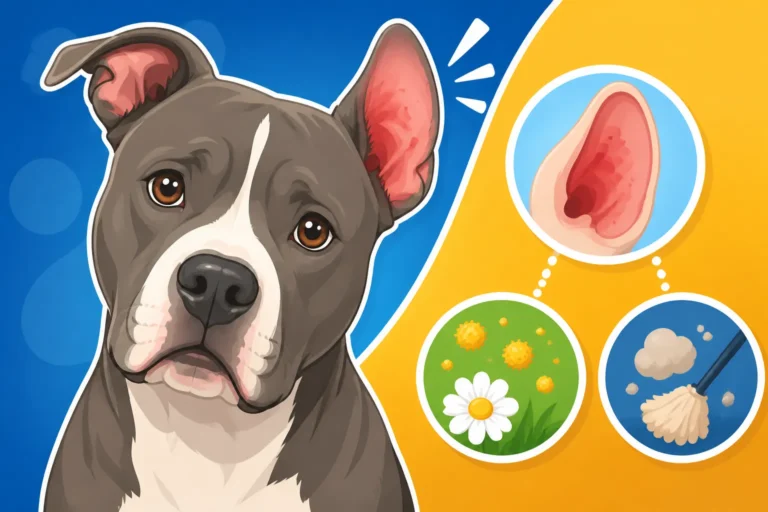
Before we dive deep into food allergies, it’s crucial to understand that itching in Pit Bulls can stem from several sources. Environmental allergies, often referred to as atopy, are a huge one. These are triggered by things like pollen, dust mites, and molds, leading to seasonal or year-round itching. If your Pit Bull starts scratching around the same time every year, or after being outside in certain conditions, you might be dealing with Pit Bull Skin Allergies and the Atopy Pattern. These often manifest similarly to food allergies, which can make diagnosis tricky.
Parasites are another big contender. Fleas, even a single bite, can cause an allergic reaction in some dogs, leading to widespread itching. Mites, such as Demodex or Sarcoptes, can also cause intense irritation and hair loss. Regular preventative care is essential to rule out these external pests. Lastly, bacterial or yeast infections, often secondary to the initial itching, can create a self-perpetuating cycle of discomfort. These infections require specific treatments, but if the underlying cause (like an allergy) isn't addressed, they’ll just keep coming back.
How Food Allergies Manifest in Pit Bulls
Unlike a fleeting itch from a mosquito bite, food allergies in Pit Bulls tend to be chronic and persistent. The body mistakenly identifies a protein in the food as a threat, launching an immune response that primarily targets the skin, but can also affect other systems. It’s not always obvious, and the symptoms can often mimic other allergic conditions, making it a real detective job for you and your vet.
Skin Symptoms to Watch For
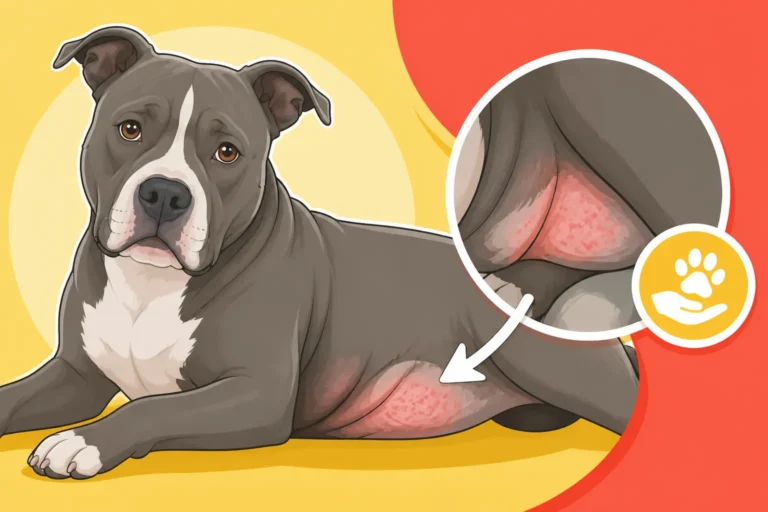
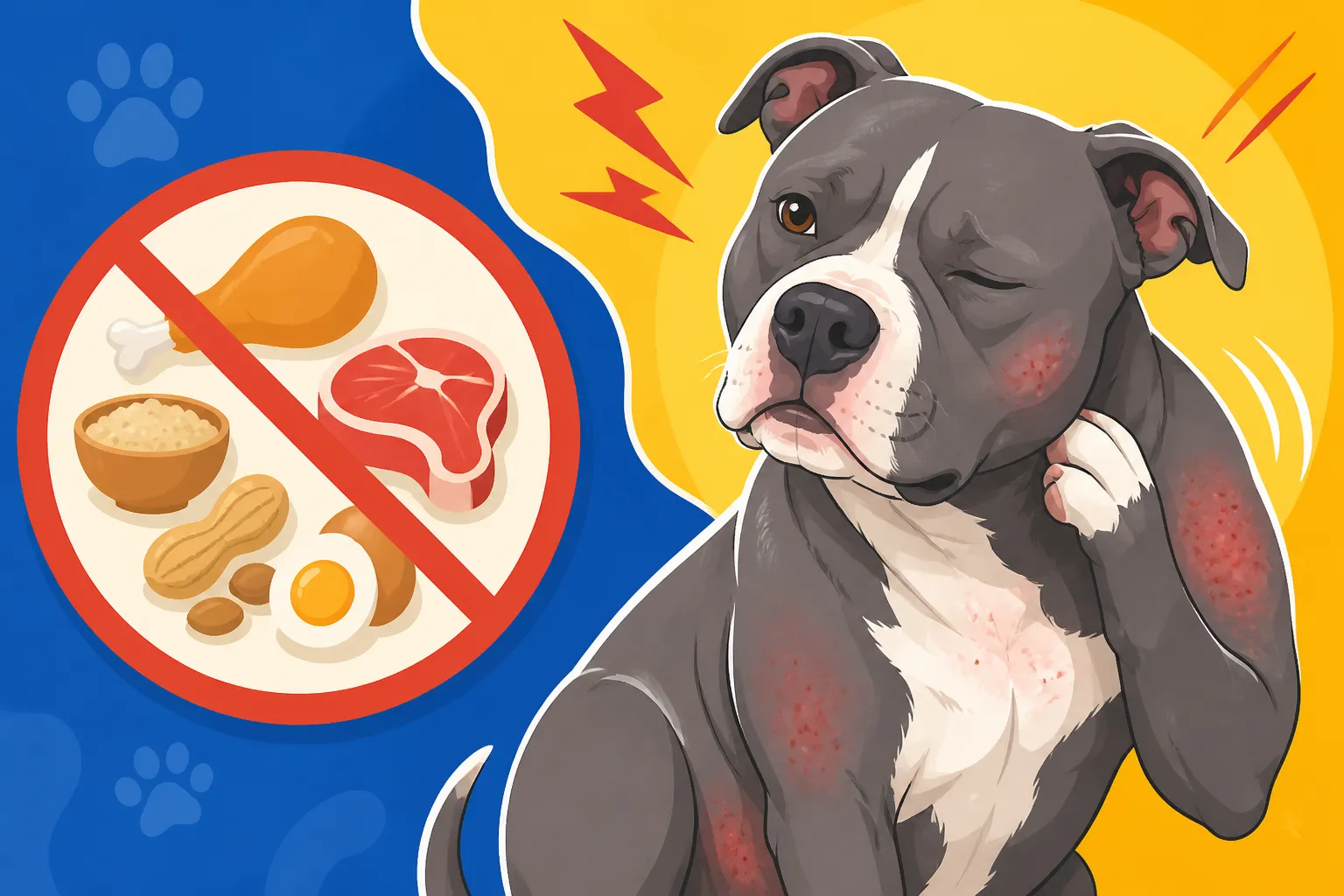
The skin is usually the first and most visible battleground for a food allergy. You might notice generalized redness, especially in areas like the armpits, groin, and between the toes. A rash might develop, sometimes bumpy or pustular, particularly on the belly. Pit Bull Skin Fold and Belly Irritation is a common complaint, as these warm, moist areas are prime real estate for irritation and subsequent yeast infections. The constant licking and chewing can lead to raw, weeping sores known as hot spots, which can appear almost overnight and quickly become infected. Learning to spot Pit Bull Hot Spots and Secondary Infection is vital for early intervention.
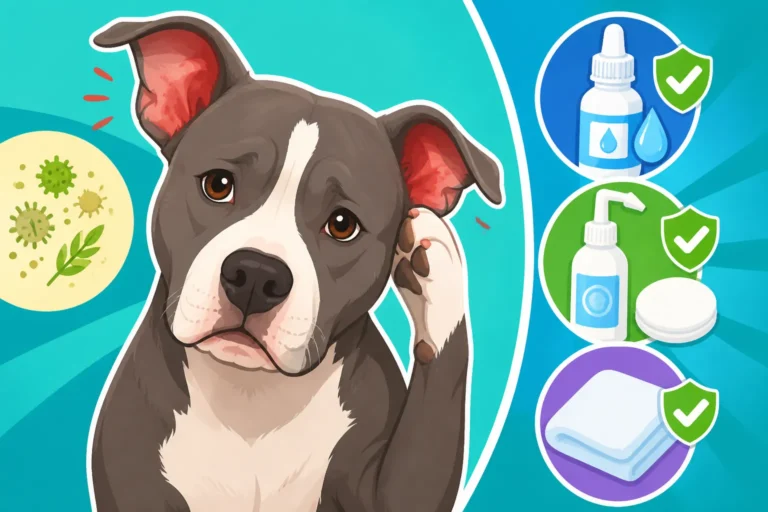
Another tell-tale sign of a food allergy often goes straight to their ears. If your Pit Bull experiences recurrent ear infections, with redness, dark waxy discharge, and a foul odor, and other causes have been ruled out, a food allergy could be the silent trigger. It's incredibly frustrating when you're constantly cleaning ears and administering drops, only for the infection to return a few weeks later. This cyclical pattern of inflammation and infection is a strong indicator of an underlying issue. Many owners struggling with Pit Bull Ear Infections and What Drives Them find that dietary changes can make a profound difference.
Digestive and Other Less Obvious Signs
While skin issues are predominant, food allergies aren't always just skin deep. Your Pit Bull might also show gastrointestinal signs, which often get overlooked or attributed to other causes. Chronic soft stools, diarrhea, vomiting, or excessive gas can all be indicators. Some dogs might experience a reduced appetite or even weight loss if their digestive system is constantly inflamed. It's a cruel irony that the very thing meant to nourish them is making them sick from the inside out.
Beyond the skin and gut, other subtle signs can sometimes point to a food allergy. Chronic anal gland issues, where the glands become impacted or infected frequently, can be related to inflammation in the digestive tract. Some Pit Bulls might exhibit changes in coat quality, becoming dull or greasy, even with regular grooming. Others might have chronic paw infections that don't respond well to antibiotics. These less obvious symptoms, when combined with persistent itching, paint a clearer picture that it's time to investigate a food allergy. For a deeper dive into these varied symptoms, you might find more information in our article on Pit Bull Food Allergy Signs Beyond the Skin.
The Gold Standard: The Food Elimination Diet
When it comes to diagnosing a food allergy, there's a lot of misinformation out there. While blood or saliva tests claim to identify food sensitivities, most veterinary dermatologists agree that these tests are largely unreliable for true food allergies. The tried and true, scientifically validated method remains the food elimination diet, also known as a food trial. It's not easy, but it’s the most accurate way to get answers.
Planning a Proper Eight-Week Food Trial
Embarking on a food elimination diet is a commitment, pure and simple. It involves feeding your Pit Bull a novel protein source—one they have never eaten before—or a hydrolyzed protein diet for a strict period, typically eight to twelve weeks. A novel protein might be something exotic like kangaroo, venison, or duck, while hydrolyzed diets contain proteins broken down into such small pieces that the immune system doesn't recognize them as allergens. The key is absolute strictness: no other treats, no table scraps, no flavored medications, no flavored toys, no sneaking bites of kibble from another pet's bowl. If they get even a crumb of the old food, you essentially have to start over. This can be the hardest part, especially with a food-motivated Pit Bull who’s used to variety.
Your veterinarian will guide you on choosing the right diet, whether it's a prescription hydrolyzed food like Purina Pro Plan Veterinary Diets HA Hydrolyzed Canine Formula or Royal Canin Hydrolyzed Protein, or a carefully selected limited ingredient commercial diet. It’s crucial to select a diet with ingredients that are truly novel to your dog. Many pet foods claim to be "limited ingredient," but might contain hidden common allergens. For example, a "salmon and potato" diet might still contain chicken fat or other derivatives. This is where your vet's expertise is invaluable. Expect to commit to at least Eight Weeks of Nothing Else for an Itchy Pit Bull, and often longer to see full resolution of symptoms.
Reintroduction and Identifying Triggers
The goal of the elimination diet isn't just to make the itching stop; it's to identify what caused it in the first place. Once your Pit Bull's symptoms have completely resolved (or significantly improved) after the strict trial period, you begin the reintroduction phase. This is where you systematically add back one old food ingredient at a time, usually one new protein source every 7-10 days, and meticulously observe your dog for a return of symptoms. For instance, you might introduce a small amount of cooked chicken to their novel protein diet. If, within a few days, the itching, redness, or GI upset returns, you've found a culprit.
If symptoms reappear, you immediately remove that ingredient and wait for the dog to clear up again before trying another. This slow, careful process allows you to isolate the specific proteins or carbohydrates that are triggering the allergic reaction. It's incredibly important to maintain a detailed log of everything your Pit Bull eats and any symptoms they show. While tedious, this structured reintroduction is the only way to definitively identify the offending ingredients, which will then allow you to select a long-term diet that keeps your Pit Bull happy and itch-free.
Navigating Dietary Options and Ingredients
Once you understand the process of an elimination diet, the next hurdle is understanding pet food itself. The world of dog food can be overwhelming with countless brands, ingredients, and marketing claims. Knowing what to look for and what to avoid is crucial for a Pit Bull with food allergies.
Deciphering Pet Food Labels and Common Allergens
Reading pet food labels can feel like decoding a secret language. Manufacturers often use tricky terms, and "chicken meal" or "beef by-product" can hide a multitude of sins if your dog is allergic to these common proteins. The most frequent food allergens in dogs include beef, dairy, chicken, wheat, soy, lamb, and eggs. It’s not necessarily that these ingredients are inherently "bad," but rather that dogs are repeatedly exposed to them, making them more likely to develop an allergy over time.
When examining a food label, always look at the first few ingredients, as these make up the bulk of the food. Be wary of generic terms like "meat meal" or "animal fat" unless you know the specific animal source. For a Pit Bull with suspected food allergies, you need a clear, concise ingredient list. This often means scrutinizing even the smallest details. Many owners benefit from familiarizing themselves with What to Check on a Pit Bull Food Bag to ensure they're making informed choices and not inadvertently reintroducing an allergen.
Here’s a simplified table comparing common allergens to potential novel protein alternatives:
| Common Allergen Source | Potential Novel Protein Alternatives |
|---|---|
| Chicken (meat, meal, fat) | Duck, Venison, Kangaroo, Pork, Rabbit |
| Beef (meat, meal, fat) | Lamb, Bison, Fish (Salmon, Whitefish) |
| Dairy (milk, cheese, yogurt) | Goat's Milk (often better tolerated), plant-based milks |
| Wheat (flour, gluten) | Rice, Oats, Quinoa, Sweet Potato, Lentils, Peas |
| Soy (meal, oil, lecithin) | Sunflower oil, Coconut oil, other plant-based oils |
| Eggs | Quail eggs (if chicken eggs are the issue), other protein sources |
Exploring Novel Protein and Hydrolyzed Diets
For Pit Bulls with confirmed food allergies, you'll primarily be looking at two main types of specialized diets: novel protein diets and hydrolyzed protein diets. Novel protein diets feature a protein source your dog has never been exposed to before, which significantly reduces the chance of an allergic reaction. Brands like Natural Balance Limited Ingredient Diet, especially their sweet potato and fish formula, or Hill's Prescription Diet d/d with venison, are popular choices for providing a clean slate. The idea is to find a protein and carbohydrate combination that your dog has not encountered, thus minimizing the likelihood of an immune response.
Hydrolyzed protein diets, on the other hand, take common protein sources (like chicken or soy) and break them down into microscopic fragments. These fragments are so small that the dog's immune system doesn't recognize them as allergens, effectively "hiding" the protein from the allergic response. These are typically prescription diets available only through your veterinarian, such as Purina Pro Plan Veterinary Diets HA or Royal Canin Hydrolyzed Protein. These diets offer a highly reliable option for diagnosis and long-term management because of their rigorously controlled manufacturing processes, which prevent cross-contamination with other proteins. Understanding Limited Ingredient Diets for an Itchy Pit Bull is key to making the best choice for your dog.
Managing Your Pit Bull's Food Allergy Long-Term
Successfully diagnosing a food allergy is a huge step, but it's just the beginning. Long-term management requires consistency, vigilance, and often, a holistic approach to your Pit Bull's health. It’s about building a sustainable routine that keeps them comfortable and happy.
Consistent Diet Management and Treats
Once you've identified the trigger foods and settled on a suitable diet, consistency is paramount. This means feeding only the approved food, avoiding all table scraps, and being incredibly selective about treats. Many seemingly innocuous treats contain common allergens like chicken, beef, or wheat. You might need to make your own treats using ingredients from your dog's approved diet, or find single-ingredient treats like dehydrated sweet potato or specific novel protein jerky. Even certain dental chews or flavored medications can derail all your hard work. Always read labels meticulously.
It can be tough, especially when well-meaning friends or family offer "just a bite" to your Pit Bull. Educating everyone who interacts with your dog about their strict dietary needs is essential for their well-being. This might involve keeping a special bag of approved treats for guests to offer, or simply kindly declining any outside food. This ongoing vigilance ensures your Pit Bull remains free from discomfort and prevents a relapse of symptoms, keeping their skin healthy and calm. For further tips on managing treats within a strict diet, consider our article on Treats Small Enough for Repeated Pit Bull Training which offers ideas for low-calorie, single-ingredient options.
Supporting Skin Health Alongside Diet
While diet is the cornerstone of managing food allergies, supporting your Pit Bull's skin health from the outside is also crucial. Regular bathing with a gentle, hypoallergenic shampoo can help soothe irritated skin, remove environmental allergens (which can exacerbate food allergy symptoms), and maintain a healthy skin barrier. For dogs with secondary infections, your vet might prescribe medicated shampoos. Knowing when and how often to give Medicated Baths for a Pit Bull With Atopy can be a game-changer in controlling their skin issues.
Supplements can also play a supportive role. Omega-3 fatty acids, found in fish oil, are fantastic for reducing inflammation and promoting a healthy skin barrier. Probiotics can help support gut health, which is often compromised in dogs with food allergies, and can indirectly improve skin conditions. Always consult your vet before adding any supplements to your dog's regimen, as they can advise on appropriate dosages and ensure there are no contraindications. Products containing ceramides or other skin barrier repair ingredients can also be beneficial in strengthening your Pit Bull's natural defenses against irritants. More information on beneficial supplements can be found in Omega Oils for Pit Bull Skin and Coat.
Financial Realities and Support
Let’s be honest, managing chronic conditions like food allergies in a Pit Bull can be expensive. From specialized diets to ongoing vet visits, the costs can add up quickly, sometimes feeling overwhelming. It's a reality many pet owners face, and it's important to be prepared.
The Costs Associated with Food Allergy Management
The initial diagnostic phase, particularly a vet-supervised food trial, will involve consultations with your veterinarian, and potentially follow-up visits to monitor progress. The prescription hydrolyzed or novel protein diets themselves are often more expensive than standard commercial kibble due to their specialized ingredients and manufacturing processes. These are not one-time purchases; they become a recurring line item in your budget for the foreseeable future. If your Pit Bull experiences secondary infections, you'll also incur costs for antibiotics, antifungals, or other medications, not to mention medicated shampoos or topical treatments.
While formal allergy testing for food allergies is often deemed unreliable by dermatologists, environmental allergy testing, which may be needed to rule out other causes, can also be costly. Even routine check-ups for an allergic dog might be more frequent than for a healthy one. These expenses, while necessary for your dog’s comfort, can put a significant strain on your finances. It’s not just the big bills, but the consistent, smaller costs that accumulate over time.
Considering Pet Insurance for Chronic Conditions
Given the ongoing nature of food allergies, many Pit Bull owners find immense value in pet insurance. While policies vary, a good pet insurance plan can significantly offset the costs of diagnosis, prescription diets, medications, and veterinary visits related to chronic conditions. Companies like Healthy Paws offer comprehensive plans that often cover unexpected illnesses and accidents, which can be a lifesaver when dealing with something like a food allergy that requires continuous management. It's definitely worth looking into during your Pit Bull's younger, healthier years before any chronic conditions arise, as most policies consider existing conditions pre-existing and won't cover them.
When researching pet insurance, pay close attention to the details. Look at what percentage of vet bills they cover, what your deductible will be, and importantly, any breed-specific exclusions or limitations. While Pit Bulls are sometimes unfairly targeted by homeowners insurance, many pet insurance providers, including Healthy Paws, do not have breed restrictions for health coverage. Understanding Pit Bull Pet Insurance and Breed Exclusions is crucial for making an informed decision. Investing in a solid policy can provide peace of mind and ensure you can always afford the best care for your itchy Pit Bull, without having to choose between their health and your budget.
Disclaimer
Please note that the information provided in this article is for educational purposes only and should not be considered a substitute for professional veterinary advice. Always consult with a qualified veterinarian for any health concerns or before making any decisions about your Pit Bull's medical care or diet.