Pit Bull Belly Rash and Contact Allergy
It’s incredibly frustrating, isn't it? You spot that tell-tale redness on your beloved Pit Bull's belly, and your heart sinks. The incessant licking, the discomfort, and the visible irritation make you desperate to figure out what's going on and how to make it stop. This comprehensive guide is here to unravel the mystery of Pit Bull belly rashes caused by contact allergies, offering clear insights into identification, common triggers, and effective management strategies to bring relief to your furry friend.
Understanding Contact Allergies in Pit Bulls
Seeing your Pit Bull's skin flare up, especially on their delicate belly, can be alarming. It’s a common issue, and understanding why it happens is the first step toward finding a solution.
What Exactly Is a Contact Allergy?
Imagine touching something that makes your own skin itchy and red, like poison ivy or a harsh cleaning chemical. A contact allergy in your Pit Bull is essentially the same thing. It’s a direct, localized immune system reaction to a specific substance that has come into physical contact with their skin. Unlike a food allergy or even environmental allergies that can manifest systemically, contact dermatitis tends to show up precisely where the irritant touched them.
Pit Bulls, with their short, often sparse coats and sometimes naturally sensitive skin, can be particularly susceptible to these kinds of reactions. Their skin barrier might not be as robust against certain chemicals or plant materials, leading to quicker and more pronounced irritation. It's a common misconception that all skin issues are related to diet or widespread environmental factors, but sometimes the answer is literally right under their nose – or rather, their belly. If you've ever dealt with other widespread skin issues, you might appreciate how distinct this can be from something like Pit Bull Skin Allergies and the Atopy Pattern, which often presents more broadly.
Why the Belly Is a Common Spot for Rashes
Think about how your Pit Bull interacts with the world. They sniff the ground, roll in the grass, flop down on carpets, or snooze on various surfaces around the house. Their belly is often the most exposed and least protected part of their body, making it a prime target for contact allergens. While their back and sides might have a bit more fur to act as a barrier, the belly often has very fine, short hair or is even mostly bare, leaving the skin vulnerable.
When your Pit Bull lies down, especially in warmer weather or after exercise, that belly skin is pressed directly against whatever surface they choose. This direct, prolonged contact allows irritants from grass, specific plants, floor cleaners, or even certain fabrics in bedding to transfer to and react with their skin. Adding to this, some Pit Bulls have natural skin folds on their belly or groin area, which can trap moisture, heat, and allergens, creating a perfect storm for irritation and even secondary infections. It’s a delicate area that needs extra attention and consideration when troubleshooting skin problems.
Identifying the Signs of a Pit Bull Belly Rash
Catching a contact allergy early is crucial for quick relief and preventing the issue from escalating. Knowing what to look for, both visually and behaviorally, can make all the difference.
Visual Symptoms to Look For
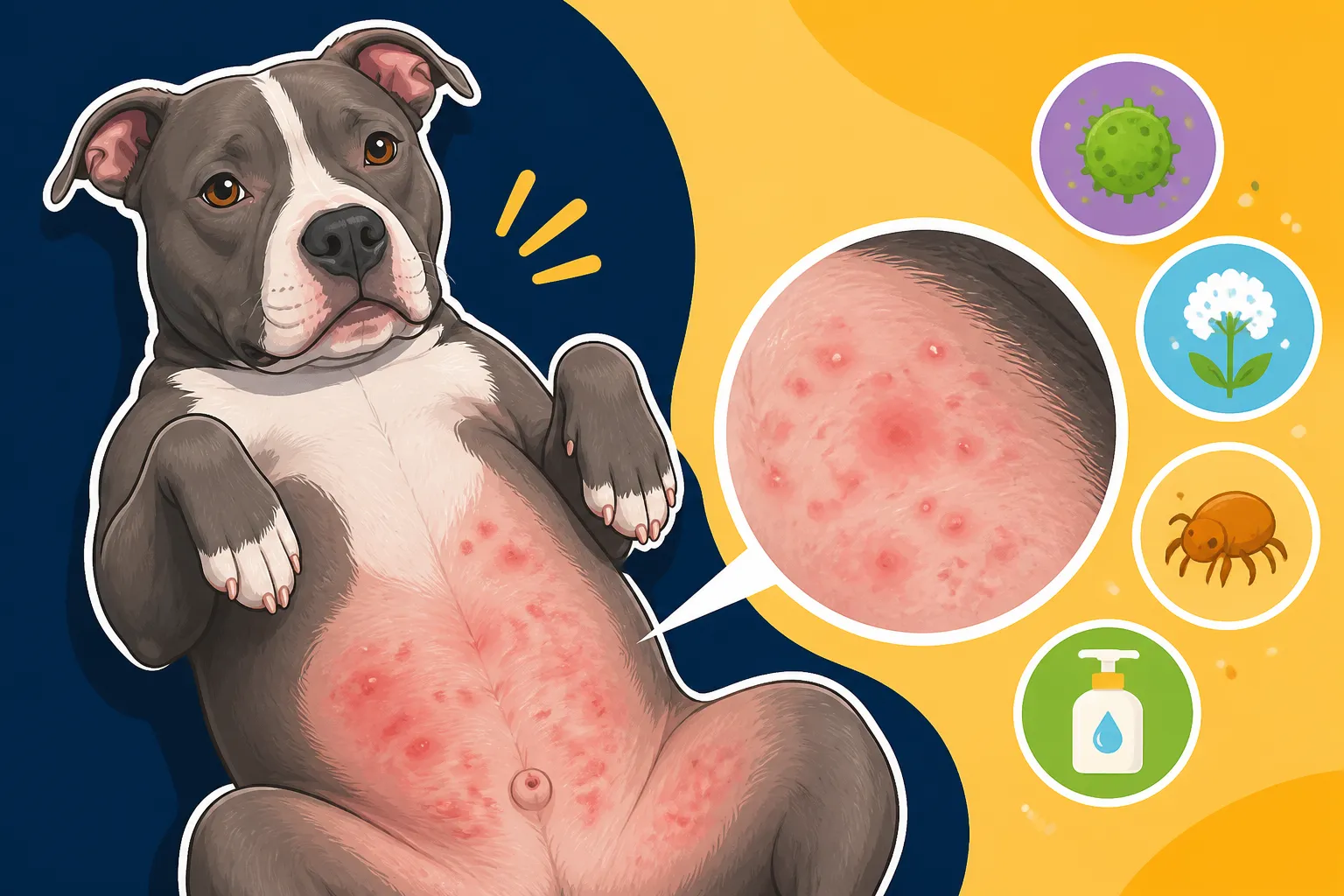
When you first notice something amiss on your Pit Bull’s belly, it’s usually the visual changes that grab your attention. The most obvious sign is redness – a flush across the skin that wasn't there before. This can range from a light pink to a deep, angry red. You might also see small red bumps, often called papules, which can progress to pustules (little pus-filled bumps) if a secondary bacterial infection starts to take hold. In more severe or chronic cases, the skin can become thickened, leathery, and even develop dark patches, a condition known as hyperpigmentation.
You might also notice crusting or scabbing, particularly if your Pit Bull has been licking or chewing the area excessively. Hair loss, or alopecia, is another common symptom, either due to the inflammation itself or from your dog physically pulling out hair attempting to relieve the itch. Sometimes, these rashes can mimic other common skin woes like Pit Bull Hot Spots and Secondary Infection, which are usually round, moist, and very painful, or Yeast Infections in Pit Bull Skin Folds, which often have a greasy feel and a distinctive odor. That's why a careful look and sometimes a vet's trained eye are so important.
Behavioral Clues From Your Pit Bull
Beyond what you see, pay close attention to how your Pit Bull is acting. Their behavior can provide vital clues to their discomfort. The most common behavioral symptom is relentless licking, chewing, or even scratching at the affected belly area. They might do this subtly, or you might catch them vigorously gnawing at their skin, especially when they think you’re not looking. This constant self-trauma can quickly worsen the rash, break the skin, and invite opportunistic bacteria or yeast to set up shop, leading to secondary infections. If you've seen them doing this, you'll know what I mean when I mention Pit Bull Paw Licking and Chewing, which is often a related symptom of irritation.
You might also notice a change in their sleeping or resting habits. A Pit Bull with a sore, itchy belly might be restless, constantly shifting positions, or trying to lie in unusual ways to avoid putting pressure on the irritated skin. They might be more vocal than usual if the area is painful, letting out whimpers or even growling softly if you try to touch their belly. Some dogs might become withdrawn or exhibit a decreased appetite due to discomfort. These behavioral changes are your dog’s way of communicating that something is definitely wrong and they need your help.
Common Culprits Behind Pit Bull Contact Allergies
Once you’ve identified the signs, the detective work begins: what’s causing this rash? Contact allergies are all about direct exposure, so you need to think about what your Pit Bull's belly comes into contact with daily.
Environmental Triggers Around the House
Our homes are filled with potential irritants, many of which we don't even think about. For Pit Bulls, whose bellies are often low to the ground and less protected by fur, these everyday items can be major culprits. Think about your cleaning routine: are you using harsh floor cleaners, carpet deodorizers, or heavy-duty laundry detergents? Residues from these products can linger on floors, rugs, and bedding, and when your Pit Bull lies down, that residue comes into direct contact with their sensitive belly skin. Switching to hypoallergenic, pet-safe cleaning products and detergents (many brands like Seventh Generation or Puracy offer these) can often make a huge difference.
Beyond cleaning products, consider the materials your dog spends time on. Some dogs can react to specific synthetic fabrics in their beds or on upholstery. Even certain types of carpet fibers or their backing materials can be irritating. If you've recently changed their bedding or brought a new rug into the house, that could be a clue. Remember, it's not always an obvious chemical; sometimes, it's the subtle everyday exposures that are the hardest to pinpoint.
Outdoor Irritants and Seasonal Factors
The great outdoors, while wonderful for our dogs, can also be a minefield for contact allergies. Grass is often one of the biggest offenders for Pit Bulls. While we often think of grass allergies as being related to inhaled pollen, some dogs have a direct contact reaction to certain types of grass, weeds, or even specific pollens clinging to the blades. After a romp in the park or a leisurely walk, if your Pit Bull's belly consistently flares up, grass is a strong suspect.
Beyond grass, consider other surfaces. Hot pavement can cause irritation or even burns, but the chemicals used to treat concrete or asphalt can also be a problem. Mulch or wood chips in landscaping can contain irritating compounds or resins that transfer to the skin. And let's not forget seasonal factors: in spring and summer, pollen counts are high, clinging to everything. In winter, de-icing salts and other chemicals used on sidewalks and roads can be extremely irritating if they come into contact with your dog's skin, especially in less protected areas like the belly and paws. That's why it's a great idea to regularly wipe down their paws after walks, and the belly too, as covered in topics like Wiping Pit Bull Paws After Grass.
Diagnosis and Management Strategies
Once you suspect a contact allergy, the next steps involve confirming the diagnosis and then implementing both immediate relief measures and long-term prevention strategies. It’s a team effort between you and your vet!
Working With Your Veterinarian
As much as we try to be armchair detectives for our furry friends, a visit to the veterinarian is non-negotiable when dealing with a persistent or severe belly rash. Self-diagnosis, while well-intentioned, can lead to misdirected treatments and prolonged discomfort for your Pit Bull. Your vet will start with a thorough physical examination, carefully inspecting the rash and looking for other signs of skin irritation or secondary infections. They'll also want to discuss a detailed history: when did the rash start? Have there been any changes in your home, yard, or your dog's routine? What cleaning products do you use? What kind of bedding does your dog sleep on? This information is gold for narrowing down potential culprits.
To rule out other common skin issues, your vet might perform some diagnostic tests. This could include skin scrapings to check for mites, like those that cause demodectic mange, which can look similar to allergies. Cytology, which involves collecting a sample from the skin surface and examining it under a microscope, can identify secondary bacterial or yeast infections that often accompany contact allergies. Sometimes, a fungal culture might be done if ringworm is suspected. Once other conditions are ruled out, the process often turns to an "elimination trial" – systematically removing potential irritants from your dog's environment one by one to see if the rash improves. This requires patience and consistency, but it's often the most effective way to pinpoint the exact allergen. Without proper testing, you might be treating the wrong thing, so topics like Skin Scrapings That Confirm Pit Bull Mange are really important for understanding other potential causes.
Immediate Relief and Long-Term Prevention
Bringing your Pit Bull relief from an itchy, painful belly rash is the top priority. For immediate soothing, your vet might recommend specific medicated baths. Gentle, hypoallergenic shampoos, or those with ingredients like chlorhexidine (for bacterial infections) or miconazole (for yeast) can help clean the skin, reduce inflammation, and address secondary infections. Products like Douxo S3 Pyo or similar veterinary-grade medicated shampoos are often very effective. These routines are similar to what you might do if your Pit Bull has atopic dermatitis, as discussed in Medicated Baths for a Pit Bull With Atopy or Medicated Shampoo Routines for a Pit Bull.
Topical treatments, such as steroid creams or sprays prescribed by your vet, can significantly reduce redness and itching in the short term. Natural soothers like aloe vera or coconut oil can be applied cautiously, but always ensure they are safe if licked and won't exacerbate the problem. An Elizabethan collar (e-collar) might be necessary temporarily to prevent your Pit Bull from continuously licking and chewing, allowing the skin to heal. For longer-term prevention, the goal is to minimize or eliminate contact with the identified allergen. This could mean switching to pet-safe, hypoallergenic cleaning products for your home, using dog-specific laundry detergents for their bedding, and even placing washable barriers like sheets over furniture where your dog rests. When outside, consider using doggy shirts or belly wraps to create a physical barrier between their sensitive skin and grass or other environmental irritants. Always wipe down their belly and paws thoroughly after outdoor excursions. While not a direct treatment for contact allergies, remember that underlying sensitivities, like those sometimes caused by Food Allergies Behind Pit Bull Itching, can make dogs more prone to skin issues, so a holistic approach to their health is always beneficial.
When to Consider Pet Insurance
Dealing with chronic or recurring skin issues, like contact allergies in Pit Bulls, can be a significant financial strain. Between the initial vet visits for diagnosis, potential skin scrapings and cultures, ongoing medicated shampoos, topical treatments, and sometimes even systemic medications like Apoquel or Cytopoint (for which you can learn more in Apoquel and Cytopoint for an Itchy Pit Bull), the bills can add up quickly. This is where pet insurance can be a real game-changer.
Companies like Healthy Paws offer comprehensive pet insurance plans that can cover a large percentage of these eligible veterinary costs. Having insurance means you can make decisions about your Pit Bull’s care based on what’s best for their health, rather than solely on your budget. For example, if your vet recommends advanced allergy testing or specialized treatments, a plan from Healthy Paws can significantly reduce your out-of-pocket expenses. It's crucial, however, to enroll your pet before any symptoms of a chronic condition appear, as pre-existing conditions are typically not covered. So, if your Pit Bull is currently healthy, now might be the perfect time to explore options like Healthy Paws to safeguard against future unexpected health issues, ensuring you're prepared for whatever comes your way in their Pit Bull Lifespan Across Twelve to Sixteen Years.
| Symptom Feature | Contact Allergy (Belly Rash) | Atopic Dermatitis (Environmental Allergy) | Food Allergy | Flea Allergy Dermatitis |
|---|---|---|---|---|
| Primary Location | Belly, groin, paws, muzzle (where contact occurs) | Paws, ears, face, armpits, groin, belly | Paws, ears, face, groin, perianal area | Base of tail, inner thighs, belly |
| Appearance | Redness, bumps, pustules, crusts, hair loss (localized) | Redness, intense itching, thickened skin, secondary infections | Redness, intense itching, ear infections, GI upset | Intense itching, red bumps, scabs, hair loss (often patchy) |
| Itch Level | Moderate to Severe, localized | Intense, generalized, often seasonal | Moderate to Severe, year-round | Extremely intense, often sudden onset |
| Onset | Often acute, tied to specific exposure | Usually starts between 1-3 years of age, seasonal or year-round | Any age, year-round | Any age, sudden with flea exposure |
| Other Symptoms | Rarely systemic | Ear infections, paw licking, secondary infections | Ear infections, paw licking, vomiting/diarrhea | "Flea dirt," visible fleas (sometimes) |
| Diagnosis Key | Elimination/challenge, patch test | Intradermal skin test, IgE blood test | Elimination diet trial (8-12 weeks) | Finding fleas/flea dirt, response to flea control |
Disclaimer
The information provided in this article is for educational and informational purposes only and does not constitute veterinary advice. Always consult with a qualified veterinarian for any health concerns or before making any decisions related to your pet's health and treatment.