The Hip and Thyroid Results a Pit Bull Should Have
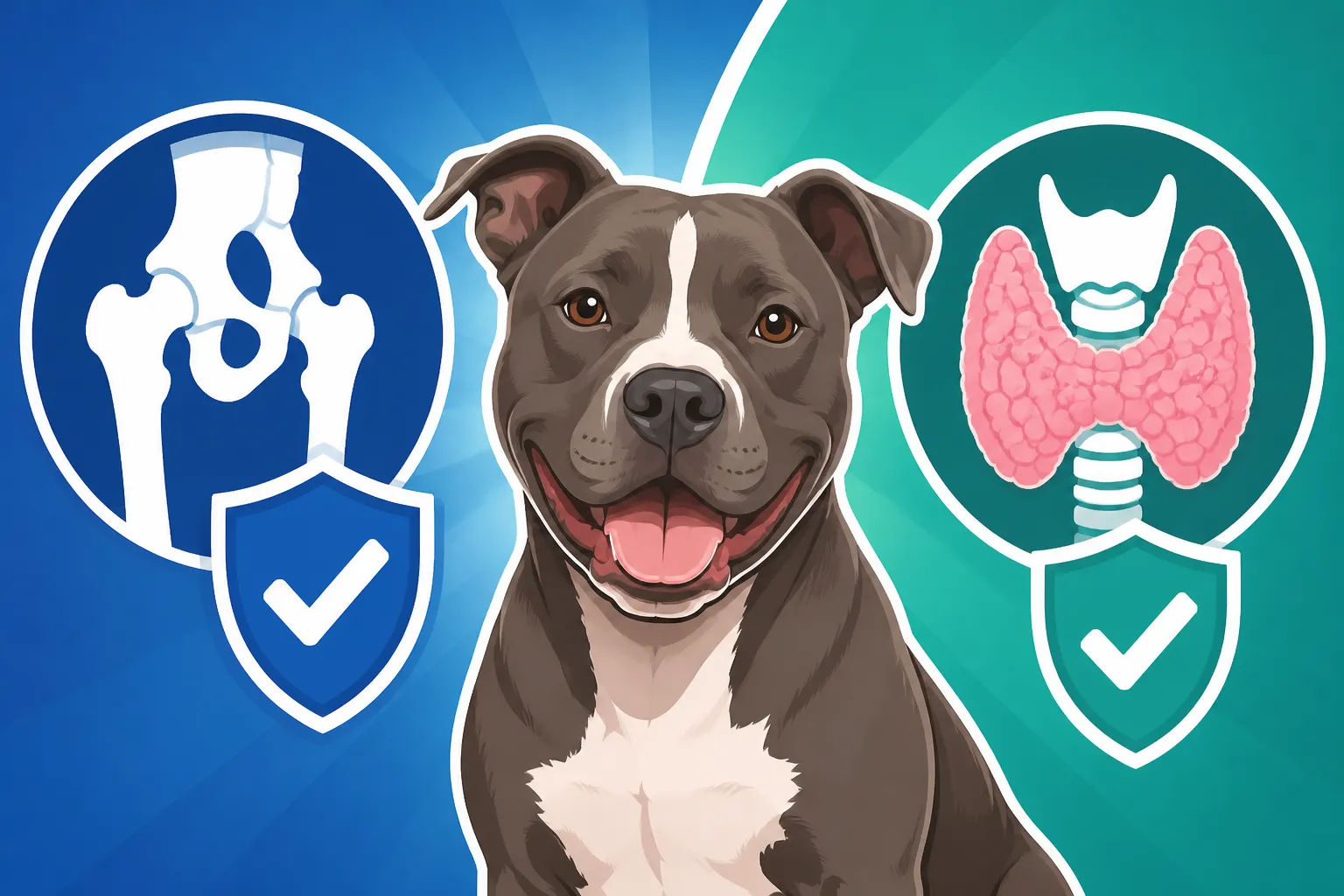
It's incredibly frustrating when you're trying to do everything right for your Pit Bull, but the sheer volume of health information out there, often conflicting or overly technical, leaves you feeling lost. You want to ensure your beloved companion has the best possible start and a long, healthy life, and that often begins with understanding what health tests truly matter. This guide is all about cutting through that noise, helping you understand the essential hip and thyroid results a Pit Bull should have, and why these records are so vital for their well-being.
Understanding Hip Health in Pit Bulls
When you've got a Pit Bull, you're looking at a dog built for power and athleticism. Those strong legs and powerful gait are part of what makes them so magnificent. But that very strength can sometimes mask underlying structural issues, particularly in their hips. It's a common worry for many Pit Bull owners, and for good reason—hip problems can severely impact their quality of life.
Understanding Canine Hip Dysplasia in Pit Bulls
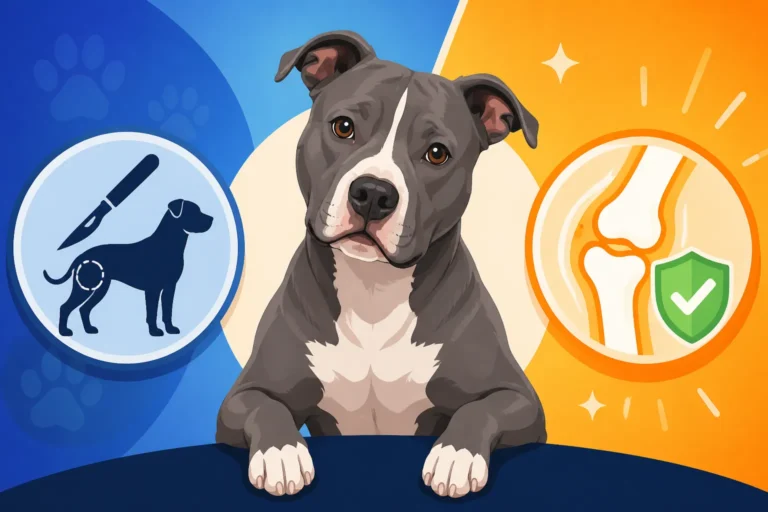
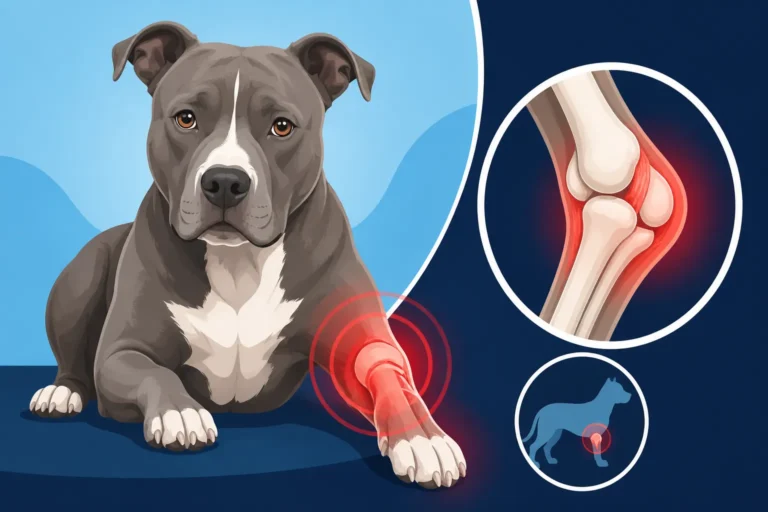
Hip dysplasia is one of those terms that can make any dog owner's heart sink. Essentially, it's a condition where the hip joint, which is a ball-and-socket joint, doesn't form correctly. Instead of fitting snugly, the ball (femoral head) and socket (acetabulum) are loose, leading to instability, grinding, and eventually, painful arthritis. Because Pit Bulls are so active and muscular, they often compensate for discomfort, making it harder to spot the early signs. You might not see obvious limping until the condition is quite advanced, which is why preventative screening is so crucial. A dog with hip dysplasia might show subtle signs like reluctance to jump, a slight change in gait, or difficulty getting up after resting. While it has a strong genetic component, environmental factors like rapid growth, excessive exercise as a puppy, and nutrition can also play a role. Understanding the genetic predisposition is key, as conditions like Pit Bull Hip Dysplasia Showing at One to Two Years can begin to manifest surprisingly early.
OFA and PennHIP Evaluations: The Gold Standards
When it comes to assessing hip health, there are two primary methods that veterinarians and reputable breeders rely on: the Orthopedic Foundation for Animals (OFA) evaluation and the University of Pennsylvania Hip Improvement Program (PennHIP). Both aim to give you a clear picture of your dog's hip conformation, but they approach it differently.
OFA certification involves taking a single X-ray of your dog's hips in a specific position after they are 24 months old. This X-ray is then reviewed by a panel of three independent veterinary radiologists who assign a grade: Excellent, Good, Fair (all considered passing), or Borderline, Mild, Moderate, or Severe (all considered dysplastic). The OFA's strength lies in its long history and extensive database, offering a standardized approach. It's a go-to for many breeders seeking to ensure their breeding stock has structurally sound hips. Knowing What an OFA Hip Grade Says About a Pit Bull can be incredibly informative.
PennHIP, on the other hand, is a more recent and often considered more sensitive method. It involves taking three separate X-rays, including a "distraction view" that measures the laxity or looseness of the hip joint. This can be done as early as 16 weeks of age, offering a much earlier predictor of future hip health. The results are presented as a Distraction Index (DI), a numerical score that compares your dog's hip laxity to other dogs of the same breed. A lower DI score indicates tighter, healthier hips and a lower likelihood of developing hip dysplasia. Many believe PennHIP offers a more precise measurement of laxity, which is a primary indicator of hip dysplasia risk. For anyone considering PennHIP Testing for a Pit Bull, understanding this early assessment capability is a huge benefit.
Here’s a quick comparison of these two crucial hip health evaluation methods:
| Feature | OFA Evaluation | PennHIP Evaluation |
|---|---|---|
| Minimum Age | 24 months (for final certification) | 16 weeks |
| Number of Views | 1 X-ray view | 3 X-ray views (including distraction) |
| Result Type | Qualitative grade (Excellent, Good, Fair, etc.) | Quantitative Distraction Index (DI) score |
| Predictive Value | Assesses current hip conformation | Predicts susceptibility to hip dysplasia |
| Primary Focus | Breeders seeking official certification | Early detection of hip laxity and future risk |
Interpreting Results and Proactive Management
So, you've got the results in hand. What do they mean for your Pit Bull? If you're looking at OFA results, a "Good" or "Excellent" rating is what you want to see for breeding dogs, indicating tight, well-formed hips. For PennHIP, a DI score closer to 0 is ideal, meaning very little laxity. These results give you a strong indication of your dog's genetic predisposition and joint health. If you're acquiring a puppy, responsible breeders should provide proof of these screenings for both parents. If they don't, it's a huge red flag.
Even with clear hip results, proactive management is always wise, especially for an active breed like a Pit Bull. Maintaining a healthy weight is paramount, as extra pounds put significant strain on joints. Ensuring appropriate exercise that builds muscle without excessive impact during growth can also help. Think swimming or controlled leash walks rather than intense, uncontrolled jumping or rough play sessions during their formative months. While good hip scores significantly reduce the risk of genetic hip dysplasia, they don't make a dog immune to injury or age-related arthritis. Staying informed about The First Hip Signs in a Two Year Old Pit Bull is always a good idea, as vigilance is key to early intervention.
When those unexpected bumps in the road happen, having a plan in place can be a lifesaver. Pet insurance, like what Healthy Paws offers, can be incredibly beneficial for covering unforeseen orthopedic issues or other health concerns that might pop up later, regardless of initial screening results. While pre-existing conditions are typically excluded, getting insurance early can provide a safety net for future, unpredicted problems.
Navigating Thyroid Health for Pit Bulls
Beyond the structural integrity of their hips, another vital aspect of your Pit Bull's overall health lies in a tiny gland in their neck: the thyroid. Thyroid conditions, particularly hypothyroidism, are more common in dogs than many owners realize, and Pit Bulls, like several other breeds, can be predisposed. The symptoms can be subtle and easily brushed off, making proper testing even more critical.
The Silent Threat of Hypothyroidism in Pit Bulls
Hypothyroidism occurs when the thyroid gland doesn't produce enough thyroid hormones. These hormones are like the master regulators of your dog's metabolism, affecting everything from energy levels to skin health and weight. When production dips, the ripple effect throughout the body can be significant, yet the onset is often gradual, making it a "silent" threat. You might just notice your energetic Pit Bull slowing down a bit, attributing it to age or a change in routine. It's a common trap to fall into, and it's frustrating because you want to know what's really going on.
Common symptoms can include unexplained weight gain despite no change in diet or exercise, lethargy or a noticeable decrease in energy, a dull or thinning coat, dry skin, and sometimes even a tendency to feel cold more easily. They might also develop recurrent skin infections, which can be particularly tricky to diagnose if you're already dealing with something like Pit Bull Skin Allergies and the Atopy Pattern. It's easy to dismiss these signs individually, but together, they paint a picture that your vet should investigate. If you've ever found yourself asking, "Why is my Pit Bull gaining weight on the same food?" or noticing a dry, flaky coat, hypothyroidism could be the culprit.
Comprehensive Thyroid Panel: More Than Just T4
Diagnosing hypothyroidism isn't as simple as checking one blood value. While a total T4 (thyroxine) level is a good starting point, it's not the whole story. Many factors can influence a T4 reading, including other illnesses, medications (like steroids), or even stress. This is why responsible breeders and veterinarians recommend a full thyroid panel when you're considering When a Pit Bull Thyroid Panel Is Worth Running.
A comprehensive thyroid panel will typically include:
- Total T4 (TT4): The total amount of thyroxine in the blood.
- Free T4 (fT4): The unbound, active form of thyroxine. This is often a more accurate indicator as it's less affected by non-thyroidal factors.
- Total T3 (TT3) & Free T3 (fT3): Levels of triiodothyronine, another thyroid hormone.
- Thyroid-Stimulating Hormone (TSH): Produced by the pituitary gland, TSH stimulates the thyroid. If the thyroid isn't working, TSH levels typically rise to try and "kickstart" it.
- Thyroglobulin Autoantibodies (TgAA): These antibodies attack the thyroid gland itself. Their presence indicates autoimmune thyroiditis, which is the most common cause of hypothyroidism in dogs.
Looking at all these values together provides a much clearer picture of your Pit Bull's thyroid function. A low fT4 combined with a high TSH is a strong indicator of primary hypothyroidism. For breeds susceptible to autoimmune thyroiditis, like Pit Bulls, checking for TgAA is particularly important, even if current hormone levels are normal, as it can indicate an early stage of the disease. This type of thorough testing is part of understanding Pit Bull Heart and Thyroid Conditions in their full context.
Managing Hypothyroidism and Its Impact
The good news about hypothyroidism is that it's highly manageable with daily medication. Typically, dogs are prescribed a synthetic thyroid hormone, levothyroxine, which replaces the hormones their body isn't producing. Once treatment begins, you'll often see a remarkable improvement in symptoms within weeks: increased energy, weight stabilization, and a healthier coat. However, it's a lifelong commitment, requiring regular blood tests to monitor hormone levels and adjust medication dosage as needed.
While the cost of medication itself is usually not exorbitant, the initial diagnostic testing and ongoing monitoring can add up. This is where comprehensive pet insurance like Healthy Paws can truly make a difference for a chronic condition. While pre-existing conditions are typically not covered, if you enroll your Pit Bull before any thyroid issues emerge, subsequent diagnosis and lifelong medication for hypothyroidism would be eligible for coverage. This highlights the value of proactive testing, even before symptoms appear. Understanding Hypothyroidism and a Thinning Pit Bull Coat and getting ahead of it with proper care can make all the difference in your dog's long-term comfort and well-being.
Beyond the Basics: Other Vital Health Records
While hip and thyroid results are cornerstones of Pit Bull health, they are by no means the only pieces of the puzzle. A truly comprehensive health history from a reputable source, whether a breeder or a rescue, gives you invaluable insight and empowers you to provide the best possible care throughout your dog's life. It's about looking at the whole picture, not just individual snapshots.
The Importance of a Full Health History from a Breeder or Rescue
When you bring a Pit Bull into your home, whether it's a bouncy puppy or a loving rescue, you're investing in a lifetime of companionship. That investment should come with as much transparency as possible regarding their health background. A truly responsible breeder will not just tell you about hip and thyroid health; they'll proactively volunteer information about a host of other health screenings and genetic tests relevant to their specific lines. This might include:
- Elbow Dysplasia: Another orthopedic condition, similar to hip dysplasia, but affecting the elbow joints. For a powerful, active breed like a Pit Bull, Pit Bull Elbow Dysplasia and Front End Lameness can be just as debilitating as hip issues.
- Cardiac Health: Screenings for heart conditions like Aortic Stenosis, which can be present in some Pit Bull lines.
- NCL-A (Neuronal Ceroid Lipofuscinosis Type A): This is a devastating neurological disorder that can affect American Staffordshire Terriers, a breed often categorized under the "Pit Bull" umbrella. Responsible breeders of AmStaffs will test for this, and knowing Pit Bull Cerebellar Ataxia and the DNA Test status of a dog's parents is critical.
- Eye Conditions: While less common than orthopedic issues, certain eye conditions can be genetic.
For rescue dogs, a comprehensive history can be harder to come by, and that's a frustrating reality. However, a good rescue organization will provide all available veterinary records, detail any known health issues or observed symptoms, and be transparent about their own vetting processes. Always ask for whatever health information exists, no matter how limited. This information is a part of What a Pit Bull Health History Should Cover, allowing you to make educated decisions.
Understanding the Implications of Genetic Conditions
Knowing about potential genetic conditions isn't about bracing for the worst; it's about being prepared and proactive. If you know your Pit Bull comes from a line with a predisposition to certain issues, you and your veterinarian can be more vigilant in monitoring for symptoms, implement preventative measures earlier, and have a plan in place should a condition manifest. For example, if you know there's a history of hip dysplasia, you might adjust their exercise regimen, introduce joint supplements earlier, and pay closer attention to any subtle changes in gait.
Genetic conditions can, unfortunately, be expensive to manage. Surgical interventions for severe hip or elbow dysplasia can run into the thousands of dollars. Lifelong medication for conditions like hypothyroidism, while individually affordable, accumulates over a decade or more. Understanding these implications helps you budget, plan, and discuss options with your vet without feeling blindsided. It also reinforces why going to a reputable breeder who conducts thorough health screenings, as outlined in What Testing a Pit Bull Breeder Should Have Done, is so critical. It's an investment that pays off in fewer heartache-inducing vet bills down the line.
Empowering Yourself with Knowledge and Proactive Care
Ultimately, having access to comprehensive health results and understanding what they mean empowers you as a Pit Bull owner. It transforms you from a reactive participant in your dog's health journey to a proactive partner. It means you can ask informed questions of your veterinarian, seek specialized care if needed, and make lifestyle choices that support your dog's specific genetic predispositions.
Regular veterinary check-ups are always vital, but they become even more powerful when you can provide a detailed health history. Your vet can use this information to tailor preventive care, recommend specific screenings, and keep an eye on potential areas of concern. This holistic approach, from ensuring appropriate exercise to considering proper nutrition for a Pit Bull Weight and Muscle on a Working Frame, can add years of happy, healthy life to your Pit Bull. Remember, prevention and early detection are almost always less costly and less stressful than treating advanced disease.
Having pet insurance, like Healthy Paws, can offer incredible peace of mind when it comes to long-term health management. While conditions identified before enrollment are typically excluded, it provides a crucial safety net for new conditions that develop. Knowing you have support for future unexpected illnesses or injuries allows you to focus on getting your Pit Bull the best care, without the added stress of crushing financial decisions. This kind of planning helps ensure your Pit Bull is well cared for, potentially even well into Caring for a Pit Bull in Its Second Decade.
Disclaimer
The information provided in this guide is for general informational purposes only and is not a substitute for professional veterinary advice, diagnosis, or treatment. Always seek the advice of your veterinarian or other qualified health provider with any questions you may have regarding a medical condition.