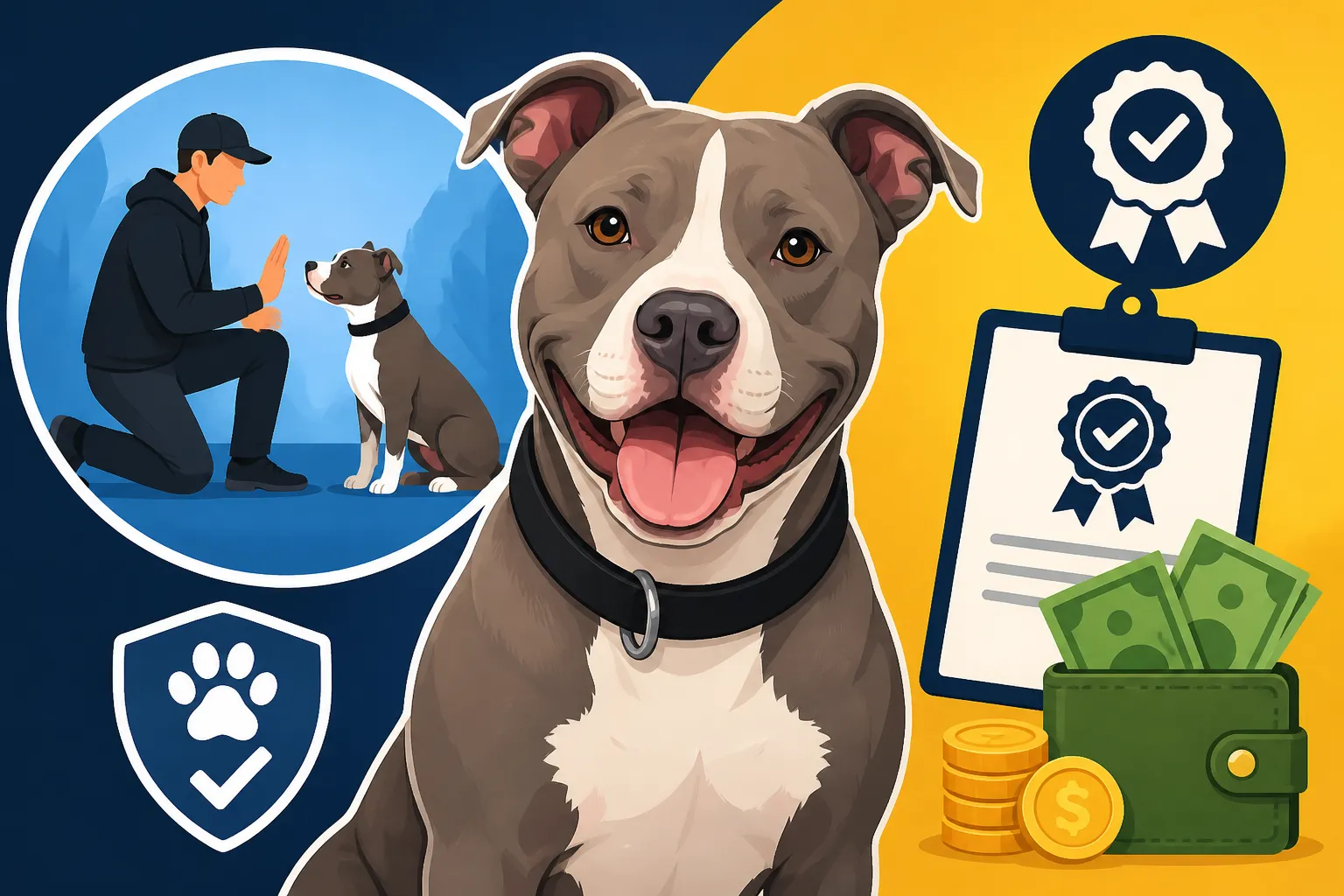
Pit Bull Training and Certification Costs
Let's be honest, living with a Pit Bull type dog can sometimes feel like you're under a microscope. Every wag of their tail, every excited greeting, and especially every training hiccup, seems to be judged by a different, stricter standard than for other breeds. This guide is here to walk you through the very real costs, both financial and in terms of effort, that go into properly training and certifying your Pit Bull, helping you navigate the unique challenges and celebrate the incredible potential of these dogs.
Why Training is a Non-Negotiable for Pit Bull Owners
Owning a Pit Bull isn't just about providing food, shelter, and love; it often comes with an unspoken responsibility to be an ambassador for the breed. This isn't fair, of course, but it's the reality many of us face. From skeptical neighbors to restrictive housing policies, the world can sometimes feel stacked against these wonderful dogs. That's why solid training isn't just a suggestion; it's practically essential for a harmonious life.
The Societal Expectations Placed on Pit Bulls
It's a frustrating truth that Pit Bulls often get less benefit of the doubt than other breeds. While any dog can benefit from training, a Pit Bull’s training is often scrutinized more closely by the general public. People might jump to conclusions based on outdated stereotypes or sensationalized media reports, and unfortunately, a single misstep can reinforce those negative perceptions. This creates immense pressure on owners to ensure their dogs are not just well-behaved, but exemplary. It’s a burden, but one that dedicated Pit Bull owners often willingly take on to protect their dogs and challenge misconceptions. We all wish our dogs could simply be dogs, but with a Pit Bull, you’re often fighting an uphill battle of perception, making impeccable manners a powerful tool. This constant societal judgment means that Training a Pit Bull to a Higher Standard Than Other Dogs becomes less of a choice and more of a necessity for many.
How Training Opens Doors to Housing and Public Acceptance
Imagine trying to find a new apartment or a vacation rental, only to be met with "no Pit Bulls allowed" clauses. It's a heartbreaking reality for many owners. However, a well-trained, certified Pit Bull can sometimes be the key to unlocking these doors. Showing landlords, insurance companies, or even skeptical family members proof of your dog's excellent manners through certifications like the Canine Good Citizen (CGC) can make a huge difference. It provides tangible evidence that your dog is a responsible member of the community, not a statistic. Think about it: a landlord might be hesitant to allow a generic "Pit Bull," but if you can present a certificate that says your specific dog has passed a rigorous temperament and obedience test, it changes the conversation entirely. This proactive approach can literally broaden your options for living and traveling with your beloved companion, reducing the strain that The Cost of a Pit Bull Reputation places on daily life.
Enhancing the Bond and Ensuring Safety for Everyone
Beyond public perception, training is fundamentally about building a strong, clear line of communication with your dog. When your Pit Bull understands what you're asking and trusts your guidance, your bond deepens exponentially. It also ensures safety for everyone – your dog, your family, and the wider community. A dog that comes when called, sits politely for greetings, and can calmly walk past distractions is a joy to live with and a safer presence in any environment. This isn't just about preventing problems; it's about creating a truly fulfilling relationship where both you and your Pit Bull feel understood and secure. Knowing your dog will respond reliably means you can relax and enjoy more experiences together, from strolls in the park to visits with friends.
Breaking Down the Costs of Different Training Formats
When you decide to embark on your Pit Bull's training journey, you'll quickly realize there's a smorgasbord of options, each with its own price tag and benefits. Understanding these different formats is crucial for making an informed decision that fits both your budget and your dog's individual needs. No two dogs, or owners for that matter, learn the same way, so finding the right fit is key.
Group Classes: A Budget-Friendly and Social Option
Group classes are often the first step for many new dog owners, and for good reason. They're generally the most affordable option, typically ranging from $120 to $300 for a 6-8 week course. These classes are fantastic for socializing your Pit Bull puppy or adult dog in a controlled environment, exposing them to other dogs and people in a positive way. You'll work on foundational cues like sit, stay, come, and leash manners alongside other dog owners and their pups.
The main benefit here is the cost-effectiveness and the built-in socialization opportunities. Your Pit Bull gets to learn to focus on you even with distractions present, which is an invaluable skill. However, the downside can be less individualized attention. If your Pit Bull has a specific behavioral challenge, like intense Pit Bull Leash Pulling at Fifty Pounds or severe shyness, a group setting might not be enough to fully address it without additional private support. But for general obedience and a good dose of confidence-building, group classes through local humane societies, pet store chains like PetSmart or Petco, or independent training facilities are an excellent starting point.
Private, One-on-One Sessions for Tailored Guidance
If your Pit Bull has specific challenges, or if you prefer a more customized learning experience, private lessons are worth considering. These sessions are usually conducted in your home or at a trainer's facility, allowing the trainer to focus entirely on your dog and your unique household dynamics. The cost for private lessons can vary significantly, usually falling between $75 to $200 per hour-long session, with packages often available at a slightly reduced rate (e.g., 5 sessions for $400-$800).
The biggest advantage of private lessons is the tailored approach. A good trainer can quickly identify the root cause of behaviors like anxiety, reactivity, or even nuanced issues like resource guarding, and develop a plan specifically for you and your dog. They can also work on real-world scenarios, like politely greeting visitors at your front door or managing distractions in your neighborhood park. This personalized attention can be incredibly effective, especially for dogs who might be overwhelmed in a group setting or those with more complex needs. The investment is higher, but the progress can be faster and more targeted. It's often the best route if you're looking to quickly tackle a specific issue, or if you want intensive guidance on Finding a Trainer Experienced With Pit Bulls who understands the breed's nuances.
Board and Train Programs: Convenience at a Premium
Board and train programs involve sending your Pit Bull to live with a professional trainer for a period, usually 2-6 weeks, where they receive intensive, consistent training. This option is by far the most expensive, typically ranging from $1,500 to $6,000 or more, depending on the duration and the trainer's expertise.
The primary appeal of board and train is the convenience for owners and the rapid progress often seen in dogs. Your dog gets immersed in a structured environment, learning new behaviors and having old habits reshaped by a professional daily. When your dog returns home, the trainer will usually provide transfer sessions to teach you how to maintain the training. However, it's not without its drawbacks. It means time away from your beloved companion, and the success heavily relies on your commitment to continuing the training at home. If you don't reinforce what the trainer has taught, those new behaviors can quickly fade. It's also crucial to thoroughly vet these programs, ensuring they use humane, positive reinforcement methods, as some less reputable facilities might resort to harsh techniques.
Online and Self-Guided Resources: A DIY Approach
For the truly budget-conscious or those who prefer to learn at their own pace, there's a wealth of online resources. From free YouTube videos and articles to paid online courses and apps, these options can cost anywhere from free to $100-$300 for a comprehensive course.
The benefit here is flexibility and affordability. You can learn at home, on your schedule, and pause or replay lessons as needed. Many online courses offer structured curricula that guide you through basic obedience, trick training, or even address common behavioral issues. Brands like Chewy offer a wide array of training supplies, from clickers to long lines, making it easy to stock up for your at-home training adventures. However, the downside is the lack of immediate, personalized feedback. If you're struggling to understand why your Pit Bull isn't getting a particular command, or if a behavior escalates, you won't have a professional there to correct your technique or offer on-the-spot advice. This option requires a high degree of self-motivation and the ability to critically assess your own progress and your dog's responses.
The Investment in Core Obedience Skills and Behavior Modification
Regardless of the format you choose, the core of any good training program for a Pit Bull revolves around building essential obedience skills and, when necessary, addressing specific behavioral challenges. This foundational work is critical not only for your dog's manners but also for their overall well-being and your peace of mind.
Puppy Classes and Early Socialization Costs
Bringing home a Pit Bull puppy is an exciting time, and starting early with training is paramount. Puppy classes are designed for dogs typically between 8-16 weeks of age and focus on foundational skills, safe socialization, and addressing common puppy behaviors like nipping and potty training. These courses usually run for 4-6 weeks and cost between $100 and $250.
The real value here isn't just the "sit" and "stay" commands, but the crucial socialization aspect. During these formative weeks, exposing your Pit Bull puppy to a variety of sights, sounds, people, and other puppies in a positive, controlled environment is invaluable. It helps them develop into confident, well-adjusted adults. A puppy class can lay the groundwork for a dog that is comfortable in various situations, reducing the likelihood of fear-based reactivity down the line. Trainers often provide guidance on house-training, crate training, and basic manners, giving you the tools to shape your puppy's behavior from the start. This early intervention is essential for Socializing a Pit Bull Puppy Thoroughly and setting them up for a lifetime of success.
Mastering Basic and Advanced Obedience
Once your Pit Bull has graduated from puppy class (or if you adopted an older dog without prior training), the next step is typically basic obedience. These classes, or private sessions, build upon the foundation, refining cues like sit, stay, down, come, and loose-leash walking. They also introduce more complex commands and increase the level of distraction. Costs for basic obedience group classes typically fall in the $150-$300 range for a 6-8 week course, while advanced classes might be similar or slightly higher. Private sessions for these skills would be in the $75-$200 per hour range.
Advanced obedience takes these skills to the next level, focusing on reliability under higher distraction, longer durations, and greater distances. This is where your Pit Bull learns to truly ignore squirrels or other dogs on a walk, or stay put while you answer the door. Mastering these skills provides both you and your Pit Bull with a sense of control and confidence in virtually any situation. It empowers you to give your dog more freedom while ensuring they remain responsive and well-mannered. Many facilities offer different levels, progressing from beginner to advanced, often with a focus on preparing for certification tests.
Tackling Specific Behavioral Challenges and Reactivity
Sometimes, despite your best efforts, your Pit Bull might develop specific behavioral challenges. This could range from resource guarding, excessive barking, separation anxiety, or reactivity towards other dogs or people. These issues are often more complex and require specialized intervention, typically through private sessions with a certified professional dog trainer or even a veterinary behaviorist. These services can be considerably more expensive. Expect to pay $100 to $300 per private session, and a behaviorist consultation can cost anywhere from $300 to $600 for an initial assessment, with follow-up sessions extra.
Addressing these issues isn't a quick fix; it often involves a multi-faceted approach including management strategies, counter-conditioning, and desensitization. For example, if your Pit Bull shows Pit Bull Dog Selectivity and Multi-Dog Homes, a trainer might guide you through careful introductions and management protocols. This is where the investment truly pays off, as unresolved behavioral problems can significantly impact your dog's quality of life and your household's harmony. It's not just about stopping an unwanted behavior, but understanding its root cause and helping your dog feel more comfortable and secure in their environment.
Certification Programs: Proving Your Pit Bull's Good Manners
For many Pit Bull owners, training isn't just about managing daily life; it's about showcasing their dog's incredible temperament and dispelling myths. Certification programs offer a formal way to do just that, providing objective proof of your Pit Bull's good manners and reliability. These programs can also open doors to more public access and even volunteer opportunities.
Canine Good Citizen CGC Test Preparation and Fees
The American Kennel Club (AKC) Canine Good Citizen (CGC) program is widely recognized as the gold standard for dog manners. It involves a 10-step test that assesses a dog's ability to behave politely in everyday situations, such as accepting a friendly stranger, walking through a crowd, and reacting appropriately to distractions. The test itself usually costs $10 to $20 to take, and passing earns your dog a valuable certificate.
Preparation for the CGC, however, is where the real investment lies. Many training facilities offer specific CGC prep classes, typically $150-$250 for a 6-week course. These courses focus on refining the specific skills needed for the test, ensuring your Pit Bull is confident and ready. A CGC title is more than just a piece of paper; it's a testament to your Pit Bull's excellent training and temperament. Many landlords, insurance companies, and even some communities look favorably upon dogs with a CGC certification, potentially easing breed restrictions. It's a fantastic way to proactively demonstrate your dog's good nature and showcase that Canine Good Citizen Testing With a Pit Bull is a worthwhile endeavor.
Therapy Dog Certification: Giving Back with Your Pit Bull
If your Pit Bull has a particularly calm, gentle, and outgoing temperament, becoming a certified therapy dog might be an incredible path for them. Therapy dogs visit hospitals, nursing homes, schools, and disaster areas, providing comfort and affection to those in need. Organizations like Therapy Dogs International (TDI) or Pet Partners have their own certification processes. The fees for these evaluations can range from $50 to $150, often requiring annual renewals or membership fees.
Beyond the evaluation fee, the significant cost comes in the prerequisite training. Most therapy dog organizations require your dog to first pass the AKC CGC test as a foundational step. Then, you'll need to ensure your Pit Bull is comfortable with all sorts of medical equipment, strange sounds, and being approached by people of all ages and abilities. This often means more advanced obedience training and specialized preparation, which could involve additional private sessions or specific workshops, adding hundreds of dollars to your overall training budget. The reward, however, is immeasurable: the joy your Pit Bull brings to others is truly priceless, but the journey to get there is an investment in time, training, and money.
The Significant Investment of Service Dog Training
Service dogs, unlike therapy dogs, are trained to perform specific tasks to assist individuals with disabilities. This is a highly specialized field, and the training is incredibly intensive and expensive. While some individuals train their own service dogs, many opt to work with established organizations. The cost of a fully trained service dog can range from $15,000 to $50,000, and sometimes even higher.
If you choose to owner-train, your costs will be spread out over a longer period but will still be substantial. This includes extensive private training sessions with a specialized trainer (often $150-$300 per hour), public access training, specialized equipment, veterinary care, and certifications for specific tasks. While the Americans with Disabilities Act (ADA) doesn't specify dog breeds for service work, the public perception challenges for Pit Bulls can add an extra layer of difficulty, requiring even more impeccable public manners and task reliability. This is a profound commitment, both financially and emotionally, but for those who need them, service dogs are life-changing partners. It's important to understand the full scope of this commitment before embarking on such a demanding and rewarding path.
Ongoing Education and Enrichment Beyond Basic Training
Training isn't a one-and-done event, especially not for a smart, energetic Pit Bull. It's a lifelong journey of learning, reinforcing, and exploring new ways to engage their minds and bodies. Think of it as investing in their continuing education and personal development, which is just as important as their initial schooling.
Dog Sports and Advanced Activities: Mental and Physical Challenges
Pit Bulls are intelligent, athletic, and often possess a strong drive to work and please. Channeling this energy into dog sports and advanced activities can be incredibly rewarding for both of you. Options include agility, flyball, dock diving, obedience trials, rally obedience, scent work, and even weight pull. Initial introductory classes for these sports typically cost $150-$300 for a 6-8 week session. As you progress to advanced levels, enter competitions, or require specialized coaching, these costs can increase.
Beyond class fees, there are often equipment costs. For example, if you get into agility, you might invest in your own practice jumps or tunnels. For scent work, you'll need essential oils and specialized containers. While some activities, like basic Indoor Trick Work for a Bored Pit Bull, can be taught with minimal expense, dedicated sports require consistent financial and time investment. These activities not only provide excellent physical exercise but also stimulate your Pit Bull's mind, building confidence and strengthening your bond. It's a fantastic way to prevent boredom and destructive behaviors that can arise from an under-exercised or under-stimulated dog.
Refreshing Skills and Addressing Age-Related Needs
Just like humans, dogs can forget things if they don't practice. It's a good idea to periodically "refresh" your Pit Bull's obedience skills, especially if it's been a while since they've been in a formal class. Some trainers offer refresher courses or workshops for a lower fee (e.g., $50-$100 for a single workshop). As your Pit Bull ages, their needs will also change. An older dog might develop arthritis or lose some hearing, requiring adjustments to their training and environment. You might need to teach new, modified cues or re-evaluate their exercise routine.
For example, a senior Pit Bull might benefit from gentle scent work games or puzzle toys to keep their mind sharp, rather than intense physical activity. You might invest in softer beds or ramps to help them navigate the house. While not strictly "training costs," adapting to an aging dog's needs often involves new purchases or slight shifts in how you interact and what you encourage them to do. This commitment to their comfort and continued mental engagement throughout their entire life is a profound aspect of responsible ownership, highlighted in topics like Caring for a Pit Bull in Its Second Decade.
Essential Training Gear and High-Value Reward Costs
No training journey is complete without the right tools! Beyond class fees, you'll have ongoing costs for training gear and high-value rewards.
- Leashes and Collars: A good quality, secure leash and collar or harness are essential. For a strong Pit Bull, you might invest in a durable leather leash (around $30-$60) or a well-fitting front-clip harness (like those from Chewy, typically $20-$40) to help manage pulling. Regular flat collars are also needed, often $10-$25.
- Treats: Treats are the lifeblood of positive reinforcement training. You'll need a steady supply of high-value treats that truly motivate your Pit Bull. While kibble can work for some, many Pit Bulls benefit from softer, smellier options. Bags of training treats can range from $5 to $20+, and you'll go through a lot of them! If your dog has allergies, you might opt for limited ingredient treats or even fresh food options from services like Ollie, which can be pricier but highly motivating.
- Chew Toys and Puzzle Feeders: To prevent destructive chewing and provide mental stimulation outside of formal training, indestructible chew toys (e.g., Kongs, Nylabones) and puzzle feeders are vital. These can range from $10 to $50 each, and you'll want a variety.
- Crate: A sturdy crate, especially a metal one that a strong Pit Bull can't easily break out of, is a significant upfront cost, often $70-$200.
- Clicker/Pouch: A clicker is a precise communication tool, typically just a few dollars. A treat pouch, to keep rewards handy, is usually $10-$30.
These aren't one-time purchases; many items will need replacing over time. Factor these ongoing expenses into your overall training budget to ensure you always have what you need to keep your Pit Bull engaged and rewarded. Remember, using High-Value Treats That Hold a Pit Bull's Focus can make a huge difference in training success.
Financial Considerations and Long-Term Value of Training
The costs associated with Pit Bull training and certification can definitely add up, leading many owners to wonder if it's all truly worth it. However, when you look at the bigger picture, the financial considerations often reveal that investing in proper training is one of the wisest decisions you can make for your dog and your wallet in the long run.
Budgeting Strategies for Pit Bull Training
Creating a realistic budget for your Pit Bull's training is crucial. Start by assessing your financial capacity and your dog's immediate needs. Are you bringing home a puppy that needs basic socialization, or an adult rescue with specific behavioral issues?
Here’s a simple table to help you visualize potential costs:
| Training Type | Typical Duration | Estimated Cost Range (USD) | Notes |
|---|---|---|---|
| Puppy Socialization Class | 4-6 weeks | $100 – $250 | Essential for early development. |
| Basic Obedience Group Class | 6-8 weeks | $150 – $300 | Covers fundamental commands & manners. |
| Private Training Session (per hr) | 1 hour | $75 – $200 | For specific issues or personalized guidance. |
| Board & Train Program | 2-6 weeks | $1,500 – $6,000+ | Intensive, but requires owner follow-through. |
| CGC Test Fee | Single Test | $10 – $20 | Certification to prove good manners. Prep classes extra. |
| Therapy Dog Certification | Single Test | $50 – $150 | Requires CGC & specialized temperament; annual fees may apply. |
| Dog Sports Class (e.g., Agility) | 6-8 weeks | $150 – $300 | Advanced engagement, mental & physical stimulation. |
| Training Treats (monthly) | Ongoing | $10 – $30 | High-value rewards are key for motivation. |
| Durable Toys/Chews (annual) | Ongoing | $50 – $150 | Prevents destructive behavior, provides enrichment. |
Consider setting aside a small amount each month specifically for dog training and enrichment, much like you would for veterinary care or food. Look for trainers who offer payment plans or package deals, which can make the cost more manageable. Some local shelters or rescue groups might also offer discounted training classes, especially for adopted dogs. Don't forget that What a Pit Bull Costs a Year With Allergies can also impact your overall budget, so consider all factors.
The Return on Investment: Preventing Future Problems
While the upfront costs of training can seem significant, think about it as an investment that prevents potentially much larger expenses down the road. An untrained Pit Bull is more likely to:
- Damage property: Destructive chewing, digging, or scratching due to boredom or anxiety can lead to hundreds or thousands of dollars in repairs to your home or belongings.
- Cause injury: An uncontrolled dog that jumps on guests, pulls violently on the leash, or gets into altercations with other dogs can lead to medical bills (for humans or other animals), legal fees, and even fines.
- Be surrendered to a shelter: Behavioral issues are one of the leading reasons dogs are relinquished, which is heartbreaking for everyone involved and an outcome no owner wants.
A well-trained Pit Bull, on the other hand, is a joy to live with, less likely to cause damage, and generally safer in public. This means fewer vet bills from accidents, fewer repair costs for chewed furniture, and a much lower risk of liability issues. The peace of mind alone can be invaluable. Training is not just about teaching commands; it's about building a stable, confident dog who understands their place in the world and how to interact appropriately. This preventative approach saves you stress, heartache, and significant financial burdens in the long run.
Exploring Insurance and Assistance for Training Costs
You might be surprised to learn that some pet insurance plans or wellness programs can help with certain training-related costs. While full obedience classes are rarely covered by standard pet insurance policies, some more comprehensive plans or riders might cover behavioral modification consultations if a veterinarian refers your dog due to a diagnosed issue like anxiety or aggression. It's worth checking with providers like Healthy Paws or your current pet insurance to see if any of their offerings extend to behavioral interventions.
Additionally, some non-profit organizations or breed-specific rescues offer grants or financial aid for training, particularly for dogs adopted from shelters or those with severe behavioral issues that put them at risk. Don't be afraid to reach out to local Pit Bull rescue groups; they often have resources or know of programs that can help. While not a guarantee, exploring these options can provide much-needed relief if training costs become a barrier. Understanding the nuances of Pit Bull Pet Insurance and Breed Exclusions is important before relying on it for training.
Finding the Right Trainer and What to Expect from the Investment
Choosing the right trainer for your Pit Bull is arguably one of the most critical decisions you'll make in their training journey. A good trainer doesn't just teach your dog; they teach you how to effectively communicate with your dog. Given the public perception often associated with Pit Bulls, finding someone who understands and respects the breed is paramount.
Vetting Trainers Experienced with Pit Bulls
It's not enough for a trainer to be good with "dogs"; you need someone who specifically has experience working with strong, intelligent, and sometimes misunderstood breeds like Pit Bulls. Here’s what to look for:
- Positive Reinforcement Philosophy: Look for trainers who primarily use positive reinforcement methods – rewarding desired behaviors rather than punishing unwanted ones. This builds a strong, trusting relationship between you and your dog, which is especially important for Pit Bulls. Avoid trainers who rely heavily on force, pain, or fear-based techniques, as these can damage your dog's confidence and potentially exacerbate behavioral issues.
- Certifications and Education: Look for professional certifications such as Certified Professional Dog Trainer (CPDT-KA), Karen Pryor Academy Certified Training Partner (KPA CTP), or certifications from the Academy for Dog Trainers. These indicate a commitment to ongoing education and ethical practices.
- Experience with the Breed: Ask directly about their experience with Pit Bulls and similar strong working breeds. A trainer who understands their genetics, common personality traits, and the public scrutiny they face will be better equipped to help you.
- References and Testimonials: Ask for references from past clients, particularly those with Pit Bulls, or read online reviews. A reputable trainer will be happy to provide these.
Remember that Vetting a Trainer Before Booking a Pit Bull is a crucial step that can save you time, money, and potential heartache.
Questions to Ask Before Committing to a Program
Once you've narrowed down your choices, prepare a list of questions to ask prospective trainers during an initial consultation or phone call. This is your opportunity to ensure they're the right fit for you and your Pit Bull.
- "What methods do you primarily use, and why?" (Listen for explanations of positive reinforcement and force-free techniques).
- "What is your experience specifically with Pit Bulls or similar breeds?" (Gauge their understanding of breed-specific traits and challenges).
- "How do you handle difficult or aggressive behaviors?" (Ensure their approach aligns with humane, ethical practices).
- "What are your qualifications and certifications?"
- "Can I observe a class or speak to previous clients?"
- "What is your cancellation policy or refund policy for packages?"
- "What are the expected outcomes, and how will you measure progress?"
- "How do you involve the owner in the training process?" (A good trainer empowers you to be your dog's primary trainer).
Be wary of any trainer who guarantees immediate results, promises to "fix" your dog in a short amount of time with no owner involvement, or refuses to let you observe their methods. Training is a partnership, and you need to feel comfortable and confident in your trainer's approach.
Understanding Payment Structures and Guarantees
Trainer fees can be structured in several ways: per session, as a package (e.g., 5- or 10-session bundles), or as an upfront cost for a board and train program.
- Per Session: This offers flexibility but can be more expensive long-term if you need many sessions. It's great for an initial consultation or a specific problem you want to address quickly.
- Packages: Many trainers offer discounted rates for purchasing multiple sessions upfront. This often provides a good balance of cost-effectiveness and structured learning.
- Board and Train: This is typically a single, large upfront payment covering the entire duration of your dog's stay.
Regarding guarantees, be highly skeptical of any trainer who offers a "guarantee" of results, especially for complex behavioral issues. Dogs are living beings, not machines, and their behavior can be influenced by countless factors. A reputable trainer will guarantee their effort, their commitment to you and your dog, and their support throughout the process, but they cannot guarantee a specific outcome. They should, however, be able to articulate their methods and show you a path towards your goals. If a trainer seems too good to be true with their promises, they very likely are.
Disclaimer
The information provided in this guide is for general informational purposes only and does not constitute professional veterinary or behavioral advice. Always consult with a qualified veterinarian or certified professional dog trainer for any health concerns or behavioral issues specific to your Pit Bull. Training costs are estimates and can vary significantly based on location, trainer experience, and specific program details.