Pit Bull Temperament and the ATTS Results
It's incredibly frustrating when the world seems to have already made up its mind about your beloved Pit Bull, often based on fear and misinformation rather than actual experience. Many Pit Bull owners constantly feel the need to advocate for their dogs, explaining that their loyal, affectionate companions don't fit the aggressive stereotypes. This guide aims to cut through that noise by exploring Pit Bull temperament and diving deep into the objective data provided by the American Temperament Test Society (ATTS) to give you a clearer, more informed perspective.
Understanding Pit Bull Temperament Beyond the Myths
Let's be honest, the "Pit Bull" label carries a lot of baggage. For many years, these dogs have been unfairly painted with a broad brush, leading to widespread misunderstanding and even breed-specific legislation in some areas. As owners, we know the truth often differs wildly from the media narrative. Our dogs are often goofy, affectionate, and incredibly devoted family members, which makes the constant defense exhausting. This section will explore what temperament truly means, how it's often misconstrued for Pit Bulls, and why we need to look beyond anecdotal evidence.
What Temperament Actually Means in Dogs
When we talk about a dog's temperament, we're really discussing its innate disposition and character. It’s about how they naturally react to different situations, stimuli, and environments. Think of it as their personality blueprint – are they generally confident or shy? Calm or excitable? Patient or easily frustrated? It's not about training, per se, but rather the underlying tendencies that training builds upon. A well-socialized dog can have a naturally anxious temperament, for example, but still cope well with new experiences thanks to careful guidance.
For a long time, there's been a misconception that certain breeds are inherently "good" or "bad" based on vague notions of temperament. This ignores the vast individual differences within any breed and the enormous influence of genetics, early socialization, and ongoing training. A dog’s temperament is a complex tapestry, woven from both nature and nurture. Ignoring any part of that story does a disservice to the dog and its potential as a companion.
The core frustration for Pit Bull owners here is that their dogs are often judged on a perceived "breed temperament" that is divorced from reality. People see the powerful build, hear the outdated stories, and assume a certain aggressive disposition, even before meeting the dog. This preconceived notion is often much harder to overcome than any actual behavioral challenge your dog might present.
Challenging the Aggression Stereotype
The most pervasive and damaging stereotype about Pit Bulls is that they are inherently aggressive, especially towards humans or other animals. This myth has fueled bans, restricted housing options, and made adoption difficult for countless wonderful dogs. It’s a narrative that needs to be actively debunked, not just for the sake of the dogs, but for responsible dog ownership everywhere. The truth is, aggression is a complex behavior driven by many factors, including fear, poor socialization, lack of training, pain, or even underlying medical conditions. It is not, and never has been, an inherent trait of an entire group of dogs.
Many people confuse dog selectivity or a strong prey drive, which can be present in some Pit Bulls as in many other breeds, with unprovoked aggression. While a Pit Bull might not be suited for every dog park or multi-dog household, this doesn't equate to being a danger to society. Pit Bull Dog Selectivity Explained delves deeper into this important distinction. Responsible ownership means understanding these traits and managing them appropriately, rather than labeling an entire type of dog as dangerous.
In reality, many Pit Bulls thrive in families, showing immense patience with children (under proper supervision, of course, as with any dog) and deep loyalty to their owners. Their strong bond with people is actually one of their most defining and beloved characteristics. The idea that they are "nanny dogs" is a myth, but it stems from the observation of their loving nature. The challenge lies in helping the public see past the unfair reputation and recognize the individual dog in front of them.
The American Temperament Test Society ATTS
When it comes to debunking myths, objective data is a powerful tool. This is where the American Temperament Test Society (ATTS) comes into play. The ATTS provides a standardized, unbiased evaluation of a dog's temperament, offering a clearer picture than hearsay or fear-mongering. For Pit Bulls, these results are particularly significant, as they often challenge the very stereotypes that have plagued the type for decades. Understanding what the ATTS test measures and what its results actually indicate can be incredibly validating for Pit Bull owners.
What the ATTS Test Measures in a Pit Bull
The ATTS Temperament Test is designed to evaluate a dog's stability and composure when faced with a series of real-world scenarios. It's not a measure of obedience or trainability, but rather a snapshot of how a dog reacts to various stimuli, including visual, auditory, and tactile experiences, as well as encounters with strangers and unusual situations. The test aims to assess the dog’s reactions to things like strange approaches, unusual footing, sudden noises, and threatening situations.
During the test, dogs are led through a course by their handler, encountering different stations and scenarios. Evaluators observe how the dog responds to a friendly stranger, an indifferent stranger, an aggressive stranger (simulated, of course), a sudden loud noise, and odd surfaces. A dog passes if it shows no unprovoked aggression, panic, or extreme shyness. A stable, confident, and accepting reaction is the goal. What the ATTS Test Measures in a Pit Bull offers more specific insights into the various components.
It’s crucial to remember that the test is designed to be fair to all breeds, without bias. It looks for a consistent, reliable temperament, which means a dog that doesn't overreact or shut down under pressure. For Pit Bulls, this is a chance for them to demonstrate their inherent stability and confidence, often contrasting sharply with public perception.
Pit Bull Pass Rates Against Other Breeds
Here's where the data gets interesting, and often, quite surprising to those who hold onto negative stereotypes. Pit Bull type dogs, including the American Pit Bull Terrier and American Staffordshire Terrier, consistently show excellent pass rates on the ATTS test. In fact, their pass rates are often comparable to, and sometimes even higher than, many breeds traditionally considered "family friendly" or "non-aggressive."
For instance, looking at historical data, Pit Bull type dogs often achieve pass rates in the high 80s or even low 90s percentage range. To put that in perspective, breeds like Golden Retrievers and Labradors, while also having high pass rates, are often in a similar range. This objective data directly contradicts the narrative that Pit Bulls are inherently unstable or aggressive. It shows that a vast majority of tested Pit Bulls exhibit sound, stable temperaments under controlled, stressful conditions.
Here’s a simplified comparison table of historical ATTS pass rates for some popular breeds (actual percentages can vary slightly by year, but trends remain similar):
| Breed Type | Example Breeds | Approximate ATTS Pass Rate |
|---|---|---|
| Pit Bull Type | American Pit Bull Terrier, American Staffordshire Terrier | 87% – 92% |
| Retrievers | Golden Retriever, Labrador Retriever | 85% – 90% |
| German Shepherd Dog | German Shepherd Dog | 85% – 88% |
| Rottweiler | Rottweiler | 85% – 90% |
| Mixed Breed | Various | 80% – 85% |
This table clearly illustrates that Pit Bull type dogs perform remarkably well, demonstrating temperamental soundness that should, by all rights, challenge the negative perception. These numbers don't lie; they reflect dogs that are, on average, well-adjusted and capable of handling various stressors. The Pit Bull ATTS Pass Rate in the Latest Results goes into more detail about the specific numbers and their implications.
Interpreting ATTS Results for Your Pit Bull
While the overall ATTS pass rates for Pit Bulls are overwhelmingly positive, it's vital to interpret these results correctly. A high breed average doesn't guarantee every single dog will be a perfect angel, nor does it replace responsible ownership and training. The results offer valuable insight into the potential and general disposition of the type, but your individual dog's behavior will always be shaped by its unique experiences, genetics, and environment.
Why a Pit Bull Average Says Little About Yours
The ATTS provides statistics on breed averages, which are fantastic for dispelling stereotypes and advocating for the Pit Bull type as a whole. However, it's crucial to understand that an average is just that: an average. Your individual Pit Bull is not an average. They are a unique dog with their own personality, their own past experiences (especially true for rescue dogs), and their own genetic predispositions from their specific lineage.
Think of it like human statistics: on average, people of a certain demographic might have a particular height or income, but that doesn't tell you anything definitive about your neighbor. Similarly, while the ATTS data shows a strong foundation of stable temperaments within the Pit Bull type, it cannot predict how your dog will react to every single situation. A well-bred, well-socialized Pit Bull from a reputable background is likely to reflect those good averages, but even then, individuality shines through.
This means that while you can use the ATTS data to educate others and feel confident in the general disposition of the breed type, you should always assess and train your own dog based on their individual needs and quirks. Every dog is an individual journey, and generic labels, positive or negative, don't define them.
What Pit Bull Temperament Testing Cannot Predict
It's also important to understand the limitations of temperament tests. While the ATTS test is excellent for evaluating general stability, it can't predict every nuanced behavior or guarantee how a dog will act in complex, real-life situations over its entire lifespan. For example, the test assesses reactions to specific, controlled stimuli, but it doesn't replicate the intricate dynamics of living in a multi-dog household, the patience required with a toddler, or dealing with chronic pain.
The ATTS test also doesn't evaluate things like prey drive, resource guarding tendencies, or sensitivity to certain types of handling, which are all important aspects of a dog's overall behavior. These are behaviors that develop over time and are heavily influenced by socialization, training, and management. What Pit Bull Temperament Testing Cannot Predict expands on these limitations. It's not a crystal ball for every potential behavioral challenge.
Therefore, relying solely on a temperament test score – even a good one – is not enough. It should be seen as one piece of the puzzle, alongside responsible breeding practices, extensive socialization, consistent positive reinforcement training, and attentive ownership. Your Pit Bull's temperament is a living, breathing thing that you help shape every single day.
The Role of Genetics and Breeding in Temperament
While environment and training are undeniably powerful, we can't ignore the foundational role that genetics and responsible breeding play in shaping a Pit Bull's temperament. A dog isn't born a blank slate; they inherit certain predispositions from their parents and lineage. This is why choosing a reputable breeder or rescue organization that prioritizes good temperament is paramount, especially for a breed type that faces so much scrutiny.
Inherited Traits from Pit Bull Ancestors
Pit Bulls descend from tenacious bull-and-terrier crosses, originally developed for specific tasks. These ancestors were bred for gameness, strength, and a certain level of resilience. While the brutal "sport" of dog fighting is thankfully illegal and condemned, some of those inherited traits, such as physical power and a strong drive, can still manifest in modern Pit Bulls. However, it’s critical to distinguish between these drives and inherent aggression towards humans. Early breeders carefully selected against human aggression, as handlers needed to separate fighting dogs without being injured themselves. This historical context is often overlooked.
Today's responsible breeders focus on preserving the desirable traits of loyalty, confidence, and athleticism while actively selecting against any tendencies towards fearfulness or aggression. They understand that a stable temperament is crucial for dogs destined to be family companions. Knowing the lineage of your Pit Bull, whether through a registered breeder or even through an educated guess from a rescue, can provide some insight into potential predispositions, both good and those needing careful management.
It's a complex blend. The intelligence and drive that made their ancestors capable working dogs are the same traits that make modern Pit Bulls highly trainable and eager to please in appropriate contexts. The key is understanding these inherited building blocks and knowing how to channel them constructively through training and enrichment.
The Importance of Responsible Breeding for Stable Temperament
If you're considering bringing a Pit Bull puppy into your home, the importance of choosing a responsible breeder cannot be overstated. A good breeder prioritizes temperament above all else, selecting breeding pairs not just for good looks or impressive pedigrees, but for their sound and stable personalities. They will health test their dogs, sure, but they will also be transparent about the temperaments of the parent dogs and previous litters. What Testing a Pit Bull Breeder Should Have Done provides a comprehensive list of questions to ask.
A responsible breeder will expose their puppies to early socialization experiences, setting them up for success from day one. They will handle the puppies frequently, introduce them to various sounds and textures, and observe their individual personalities. This early intervention is critical in shaping a puppy's temperament. Conversely, a breeder who focuses only on "designer" colors or high prices, without regard for temperament or health, can inadvertently perpetuate undesirable traits, leading to dogs that are more challenging to live with.
For rescues, while you don't have the same insights into lineage, a good rescue organization will conduct thorough temperament assessments on their dogs before adoption. They'll spend time getting to know the dog's personality, how it interacts with people and other dogs, and what its triggers might be. This careful evaluation by experienced staff is their version of "responsible breeding" after the fact, ensuring a good match for adoptive families.
Socialization and Training: Shaping a Pit Bull's Behavior
While genetics provide a blueprint, socialization and training are the sculptors that shape a Pit Bull's behavior and solidify a stable temperament. These aren't optional extras; they are fundamental requirements for every Pit Bull owner. Given the public scrutiny these dogs face, a well-socialized and well-trained Pit Bull is not just a joy to live with, but also the best ambassador for its type.
The Critical Window of Puppy Socialization
The period between 3 and 16 weeks of age is often called the "critical socialization window" for puppies, and it's especially vital for Pit Bulls. During this time, puppies are most receptive to new experiences and are forming their opinions about the world. Exposing a Pit Bull puppy to a wide variety of sights, sounds, smells, people, and appropriate canine interactions during this time is paramount. This isn't just about meeting other dogs; it's about positive exposure to car rides, different floor textures, people in hats, children, vacuum cleaners, and so much more.
A well-socialized puppy learns that the world is a generally safe and interesting place, leading to a more confident and resilient adult dog. Neglecting this window can result in fear-based behaviors, reactivity, or shyness later in life, which can be much harder to overcome. Think of puppy classes as your first line of defense; they offer controlled, positive environments for early learning and exposure. Many reputable training centers offer puppy socialization classes, and some like BAXTER & Bella even offer online programs to help new owners navigate this crucial period from home.
Remember, socialization isn't just a one-time event; it's an ongoing process throughout a dog's life. Even after the critical window, continuing to provide positive new experiences will reinforce a confident and adaptable temperament. For a Pit Bull, whose actions are often under a microscope, a solid foundation of early, positive experiences is invaluable.
Positive Reinforcement Training for a Confident Pit Bull
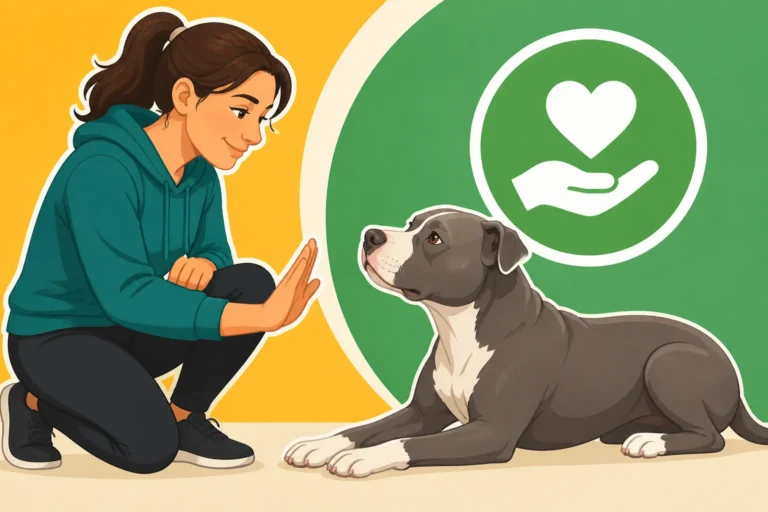
When it comes to training a Pit Bull, positive reinforcement is not just effective; it's essential for building a strong bond and fostering a confident, eager-to-please temperament. This method focuses on rewarding desired behaviors, making it more likely that your dog will repeat them, rather than punishing unwanted ones. It builds trust, makes learning enjoyable, and helps your Pit Bull feel safe and understood. Positive Reinforcement Training With a Pit Bull offers a deeper dive into these techniques.
Pit Bulls are intelligent and often highly motivated by food and praise, making them excellent candidates for positive reinforcement methods. Whether you're teaching basic manners like "sit" and "stay," or more advanced skills, consistent, reward-based training will yield the best results. Investing in a good treat pouch and high-value treats from places like Amazon can make your training sessions much more productive and enjoyable for both of you.
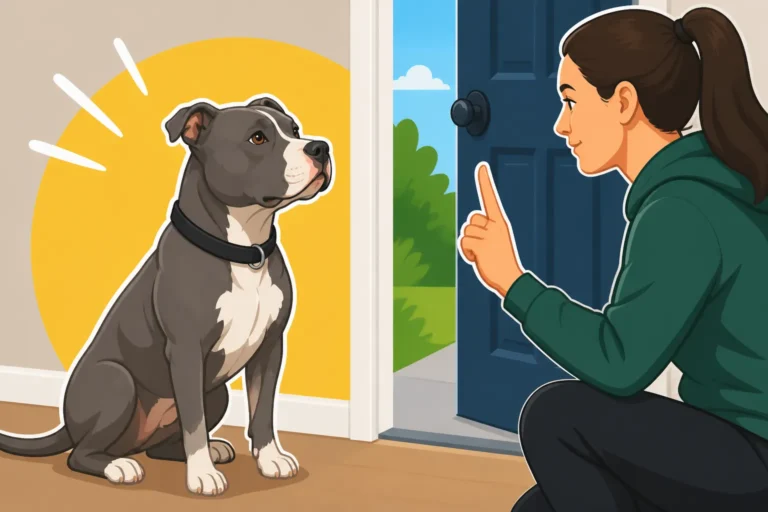
Beyond basic obedience, training builds crucial impulse control and provides mental enrichment, both of which are incredibly important for a powerful and intelligent breed type. A well-trained Pit Bull is a confident Pit Bull, secure in its understanding of expectations and its ability to please its owner. This confidence, born from consistent positive interactions, further reinforces a stable and reliable temperament.
Pit Bulls and Other Animals: Addressing Dog Selectivity
One of the most frequently discussed and misunderstood aspects of Pit Bull temperament is their interaction with other dogs and smaller animals. While many Pit Bulls can happily coexist with other pets, it’s a nuanced topic that requires understanding dog selectivity, not dismissing it as outright aggression.
Pit Bull Dog Selectivity Explained
Dog selectivity, sometimes referred to as dog-dog aggression by those unfamiliar with the terminology, is a trait where a dog shows intolerance or aggression towards certain other dogs, but not necessarily all dogs, or humans. This isn't unique to Pit Bulls; many breeds, especially those developed for guarding, hunting, or fighting, can exhibit this trait. For Pit Bulls, it's often a lingering genetic echo from their bull-baiting and dog-fighting past, where they were selectively bred for gameness against other canines, while paradoxically being bred for docility towards humans.
This means a Pit Bull might be perfectly friendly with some dogs, but react negatively to others, particularly those of the same sex or similar energy levels. It's not a blanket aggression, but rather a discerning social preference that requires careful management from owners. Ignoring this potential trait is irresponsible, but labeling all Pit Bulls as universally dog-aggressive is equally inaccurate and unfair. What Dog Selectivity Means in a Pit Bull provides an in-depth explanation of this complex behavior.
Understanding dog selectivity means recognizing that not every Pit Bull is destined for dog park frolics. It means being proactive in managing interactions, advocating for your dog, and providing safe, controlled socialization opportunities. It's about accepting your dog for who they are and setting them up for success, rather than forcing them into situations where they might fail.
Responsible Management in Multi-Dog Homes and Public
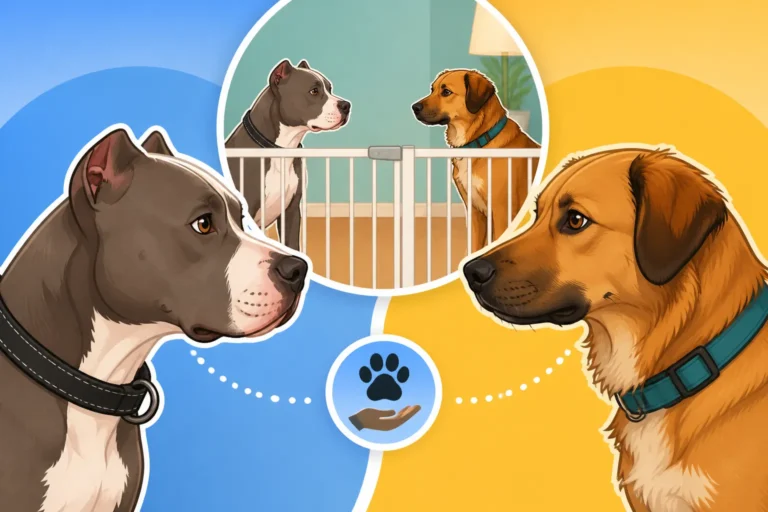
For Pit Bull owners, especially those with dog-selective individuals, responsible management is key to preventing incidents and ensuring everyone's safety and peace of mind. In multi-dog homes, this might involve careful introductions, supervision, separate feeding areas, and even "crate and rotate" schedules if necessary, particularly if living with another Pit Bull or similarly powerful breed. It's about creating a harmonious environment where all pets feel secure and boundaries are clear.
In public, it means understanding your dog's thresholds and advocating for them. If your Pit Bull is dog-selective, it’s best to avoid crowded dog parks and keep them on a secure leash with a comfortable, well-fitting harness (you can find many great options on Amazon for strong pullers). Teaching a reliable "leave it" and a strong recall are invaluable skills for navigating public spaces. Walking a Pit Bull Past Reactive Dogs covers practical strategies for these situations.
The goal isn't to change your dog's fundamental predispositions overnight, but to manage them intelligently and prevent issues. A dog-selective Pit Bull can still live a full, happy life with appropriate exercise, mental stimulation, and a dedicated owner who understands their needs. Their loyalty and affection towards their human family remain unwavering, even if their social circle is a bit smaller.
Beyond the Test: Building a Positive Public Image
While ATTS results provide crucial data, changing public perception around Pit Bulls requires more than just statistics. It demands ongoing advocacy, education, and, most importantly, responsible ownership that consistently showcases the true nature of these dogs. Every well-behaved Pit Bull out in the world is an ambassador, slowly but surely chipping away at decades of misinformation.
Advocating for Pit Bulls Through Education and Example
As Pit Bull owners, we often find ourselves in a unique position: we are constantly advocating for our dogs. This isn't just about correcting strangers on the street; it's about sharing accurate information, challenging myths, and demonstrating what a responsible Pit Bull owner looks like. Education is power, and knowing facts like the ATTS pass rates gives you solid ground to stand on when discussing breed temperament.
Beyond facts, leading by example is perhaps the most potent form of advocacy. A well-behaved, confident Pit Bull on a loose leash, greeting strangers politely (if appropriate), or calmly enjoying a walk, does more to change minds than any lecture. It allows people to see the individual dog, rather than the stereotype. Sharing positive stories and images of your Pit Bull living its best life also helps shift the narrative from fear to affection and respect. Many online communities and rescue organizations are dedicated to promoting positive Pit Bull imagery and information, creating a collective voice for these dogs.
It’s an uphill battle, no doubt, but every positive interaction and informed conversation contributes to a world where Pit Bulls are judged by their individual merits, not by outdated and unfair labels. Whether Pit Bull Advocacy Has Changed Outcomes explores the progress being made in this area.
Canine Good Citizen and Therapy Work for Pit Bulls
One of the most powerful ways to showcase a Pit Bull's excellent temperament and trainability is through programs like the American Kennel Club's Canine Good Citizen (CGC) test and even therapy dog work. The CGC program is a 10-step test that demonstrates a dog has good manners at home and in the community. It includes things like accepting a friendly stranger, sitting politely for petting, walking on a loose leash, and reacting calmly to distractions.
For a Pit Bull, achieving a CGC title isn't just a badge of honor; it's a tangible demonstration of their excellent temperament and training. It shows the public that these dogs are well-adjusted, responsive companions. Some insurance companies and landlords even offer benefits or waivers for dogs with CGC titles, recognizing the effort and responsibility of the owner. Getting a Pit Bull Ready for the CGC outlines the steps to prepare your dog.
Beyond CGC, many Pit Bulls excel as therapy dogs, visiting hospitals, nursing homes, and schools to provide comfort and joy. This is perhaps the ultimate testament to their gentle and loving nature towards people. A Pit Bull in a therapy vest, bringing smiles to faces, is an undeniable force for positive change in public perception. These programs provide structured avenues to demonstrate that Pit Bulls are not just "good dogs," but exceptional ones.
Lifelong Care and Temperament Shifts in Pit Bulls
Temperament isn't static; it can evolve throughout a dog's life, influenced by age, health, and life experiences. Understanding these potential shifts and providing consistent care can help ensure your Pit Bull remains a well-adjusted and happy companion from puppyhood through their senior years.
The Pit Bull Teenage Months and Beyond
Just like human teenagers, Pit Bull puppies go through an adolescent phase that can be… challenging. This typically happens between 6 months and 2 years of age, depending on the individual dog. During this time, they might test boundaries, "forget" previously learned commands, become more easily distracted, or show a surge in energy and confidence. This is also often when traits like dog selectivity might start to emerge. The Pit Bull Teenage Months offers strategies for navigating this period.
It's a critical period for continued training and socialization. Don't assume your well-behaved puppy will stay that way without consistent guidance. Doubling down on positive reinforcement, providing plenty of appropriate exercise and mental stimulation, and maintaining clear boundaries will help your Pit Bull mature into a well-balanced adult. Patience is definitely a virtue during these months!
As Pit Bulls enter adulthood (around 2-3 years old), their temperament generally stabilizes. They often become calmer and more settled, retaining their playful spirit but with less of the boisterous puppy energy. This is when their true, mature personality shines through, a testament to the foundation you’ve built.
When a Pit Bull's Manners Slip Because It Itches or Hurts
It's easy to overlook, but physical discomfort can significantly impact a dog's temperament and behavior. A Pit Bull that is suddenly reactive, snappish, or withdrawn might not be experiencing a temperament "change" in the true sense, but rather reacting to pain, itchiness, or illness. This is especially true for Pit Bulls, who are prone to skin allergies and joint issues. Pit Bull Skin Allergies and the Atopy Pattern is a common concern.
Imagine being constantly itchy from Pit Bull Atopy and Seasonal Itching or experiencing the dull ache of Arthritis in a Pit Bull at Seven. These chronic discomforts can understandably make a dog less tolerant of handling, less patient with other pets, or more prone to snapping. A normally gentle Pit Bull might react defensively if touched in a painful area.
If your Pit Bull's behavior suddenly shifts, especially towards irritability or withdrawal, the first step should always be a vet visit. Rule out underlying medical conditions before attributing the change to a "bad temperament." Addressing the physical discomfort can often resolve the behavioral issue, reminding us that a happy, healthy dog is much more likely to exhibit its best temperament.
Disclaimer
This article is for general informational purposes only and does not constitute professional advice. Laws, prices and regulations vary by location and change over time. Consult a qualified professional for guidance on your specific situation.