The Calorie Target for a Lean Pit Bull
It’s a common frustration for Pit Bull owners: you want your powerful, athletic companion to be lean and healthy, not overweight, but figuring out exactly how much food that entails can feel like a constant balancing act. These dogs carry a lot of muscle, which can easily hide excess fat, making it tough to know if you're hitting the sweet spot. This guide will walk you through understanding your Pit Bull's unique caloric needs to help them maintain that ideal, healthy physique for a long, active life.
The Challenge of Keeping a Pit Bull Lean
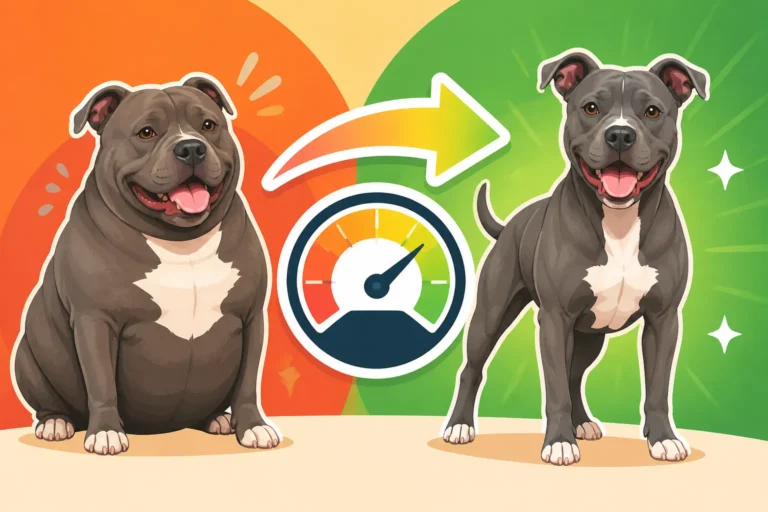
Anyone who shares their life with a Pit Bull knows these dogs are built differently. They often boast a broad chest, a muscular neck, and powerful hindquarters, giving them a naturally robust appearance. This impressive musculature, while a hallmark of the type, can sometimes mask a creeping layer of fat, making it difficult to assess their true body condition. You might look at your dog and think they're perfectly fine, even "big-boned," when in reality, they might be carrying a few extra pounds that could impact their long-term health.
The struggle is real because Pit Bulls are also highly food-motivated, and it’s so easy to fall into the trap of overfeeding or giving too many treats. We love to see them happy, and for many dogs, food equals happiness! But even a small excess in calories each day can add up over weeks and months, slowly shifting them from lean and athletic to a bit chunky. This isn't just about aesthetics; those extra pounds put unnecessary strain on their joints and organs, potentially shortening their vibrant lives.
It's about finding that sweet spot where they're fueled for their energy and muscle, but not accumulating unhealthy fat. The goal isn't to make them look starved or skinny, but rather to highlight their natural athleticism and ensure their joints, like those prone to Pit Bull Hip Dysplasia Showing at One to Two Years, are protected from undue stress.
Why Muscle Makes Pit Bull Weight Hard to Judge
Imagine trying to gauge a bodybuilder's fitness just by looking at their overall size. It’s tough, right? They're clearly muscular, but are they carrying too much body fat? It’s a similar conundrum with Pit Bulls. Their dense musculature can easily give a false impression of leanness, even if there's a layer of fat accumulating underneath. You can't just rely on the number on the scale, or even a casual glance.
What looks like solid muscle might actually be muscle plus a bit too much insulation. This is particularly true around their rib cage and abdomen. Many owners have been surprised during a vet visit when the doctor gently points out that their "big" dog is actually a few pounds overweight. This isn't a criticism, but a recognition of how challenging it is to properly assess body condition in a dog built like a Pit Bull. Telling Muscle From Fat on a Pit Bull becomes a crucial skill every owner needs to master.
Finding a Pit Bull's Waist Behind the Shoulders
The key to unlocking your Pit Bull's true body condition lies in getting hands-on and looking for specific indicators beyond overall size. One of the most telling signs of a healthy weight is the presence of a discernible waist. You should be able to see a tuck-up when looking at your Pit Bull from above, just behind their rib cage. It shouldn't be extreme, but it should be there.
Even more important is feeling for their ribs. You should be able to easily feel your dog’s ribs under a thin layer of skin and muscle without having to press hard. If you have to dig your fingers in, they're carrying too much weight. If the ribs are visibly protruding without any fat cover, they might be too thin. This tactile assessment provides a far more accurate picture than just a visual check, helping you avoid the pitfalls of misjudging their weight due to their muscular build.
Factors Influencing Your Pit Bull's Calorie Needs
Determining the precise calorie target for your Pit Bull isn't a one-size-fits-all situation. Just like people, every dog is an individual with unique requirements. There are several key factors that play a significant role in how many calories your Pit Bull needs to consume daily to maintain a healthy weight and energy level. Understanding these variables is the first step toward tailoring their diet perfectly.
Neglecting any of these factors can lead to either an underweight dog lacking energy or, more commonly, a steadily gaining Pit Bull that's at higher risk for conditions like Pit Bull Obesity and Joint Strain. It’s a dynamic equation that often changes throughout their lives, so regular reassessment is crucial.
Age and Life Stage
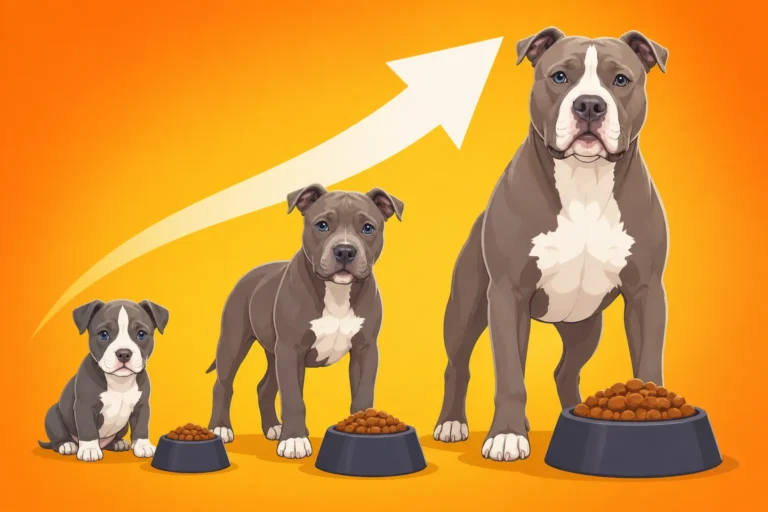
A Pit Bull puppy, for example, is a calorie-burning machine! They're growing at an incredible rate, developing bones, muscles, and organs, and their energy levels are usually through the roof. Puppies require significantly more calories per pound of body weight than adult dogs. This high demand tapers off as they approach maturity, typically around 12-18 months, when their growth plates close and their metabolism starts to settle.
Once they reach adulthood, their caloric needs stabilize, but they can fluctuate depending on their activity. As your Pit Bull enters their senior years, usually around seven or eight, their metabolism often slows down, and their activity levels might decrease. An older Pit Bull that is less active will require fewer calories to prevent weight gain. Adjusting their food intake to match these life stages is vital to prevent both underfeeding growing pups and overfeeding sedentary seniors. Caring for a Pit Bull in Its Second Decade often involves dietary changes.
Activity Level and Exercise Regimen
This is arguably the most significant factor influencing your Pit Bull's daily calorie needs. A Pit Bull that spends most of its day napping on the couch, enjoying short walks, will have vastly different energy requirements than one that accompanies you on daily runs, participates in dog sports, or works on a farm. These dogs are powerful athletes, and their exercise needs can be substantial.
A highly active Pit Bull, one that is truly working or engaging in vigorous, prolonged exercise like hiking, swimming, or agility, will naturally burn a lot more calories. Conversely, a Pit Bull with a more relaxed lifestyle needs fewer calories. It’s crucial to be honest about your dog’s actual activity level rather than what you wish it was, or what their breed could do. Overestimating their exercise means consistently overfeeding, and that's a direct path to weight gain. Pit Bull Exercise for a Powerful Athletic Dog can range from urban walks to intense sports.
Spay/Neuter Status
It's a well-documented phenomenon: dogs, including Pit Bulls, often experience a metabolic shift after being spayed or neutered. The removal of reproductive hormones can lead to a decrease in metabolic rate and an increase in appetite. This doesn't mean every spayed or neutered Pit Bull will gain weight, but it significantly increases their susceptibility.
If your Pit Bull has recently been spayed or neutered, it's wise to proactively reduce their daily caloric intake by about 10-20% and closely monitor their weight and body condition. It's often easier to prevent weight gain immediately after the procedure than to shed pounds once they've accumulated. Discuss this with your vet when you consider When to Neuter a Pit Bull Without Costing Joints.
Estimating Daily Calorie Targets
So, how do you actually figure out the right number? While I can't give you a precise calorie count for your specific dog, I can tell you the steps and considerations involved in getting to that number. It's a combination of starting with a baseline, adjusting for individual factors, and constant monitoring. Think of it as an ongoing conversation with your dog's metabolism.
It’s always a good idea to chat with your veterinarian about your Pit Bull's ideal weight and calorie needs, especially if they have any underlying health conditions. Your vet can provide personalized guidance based on their physical exam and your dog's medical history.
Basal Metabolic Rate and Resting Energy Requirement
At the core of any calorie calculation is your dog's Basal Metabolic Rate (BMR) or, more practically, their Resting Energy Requirement (RER). This is the number of calories your Pit Bull needs just to sustain basic bodily functions at rest – breathing, circulation, maintaining body temperature, and cell repair. It's the absolute minimum they need before you even consider movement or digestion.
There are formulas vets and pet nutritionists use to estimate RER based on a dog's lean body weight. For instance, a common one involves calculating (Weight in kg)^0.75 x 70. However, this is just a starting point, and it doesn't account for activity. For most active dogs, their daily caloric intake will be higher than their RER. The key here is to use their ideal weight for the calculation, not their current weight if they are overweight.
The Pit Bull Calorie Multiplier
Once you have an RER, you apply a multiplier based on your Pit Bull's life stage and activity level to get their actual daily energy requirement (DER). These multipliers are general guidelines and can vary slightly:
- Puppies (0-4 months): 3.0 x RER
- Puppies (4 months to adult): 2.5 x RER
- Intact Adult: 1.8 x RER
- Neutered/Spayed Adult: 1.6 x RER (This is where the metabolic slowdown often requires adjustment.)
- Weight Loss: 1.0 – 1.2 x RER (Requires significant reduction and vet supervision.)
- Weight Gain: 2.0 – 2.5 x RER (Often for underweight, recovering, or working dogs.)
- Active/Working Dog: 2.0 – 5.0 x RER (Highly variable depending on intensity and duration.)
- Senior/Less Active: 1.2 – 1.4 x RER (Adjust downwards as activity decreases.)
Again, these are starting points. Your 50-pound adult Pit Bull might need roughly 1000-1500 calories per day to maintain a lean weight, but a heavily muscled, highly active dog could easily need more. Always cross-reference with your veterinarian and the feeding guidelines on your chosen high-quality dog food.
| Factor | Typical Calorie Impact (Approximate) | Considerations |
|---|---|---|
| Puppy (growing) | Significantly higher than adult | Rapid growth, high metabolism; ensure balanced nutrition for growth. |
| Intact Adult | Moderate to High | Higher metabolism than neutered; varies with activity. |
| Neutered/Spayed Adult | Moderate (often slightly lower) | Metabolic slowdown common; monitor closely for weight gain. |
| Sedentary/Low Activity | Lower | Couch potatoes need less; avoid excess to prevent obesity. |
| Active/Working | High to Very High | Fuel for sustained exercise, muscle maintenance; may need more fat. |
| Senior (less active) | Lower | Metabolism slows, activity decreases; focus on joint health. |
| Weight Loss Program | Reduced by 10-20% from target | Must be vet-supervised; gradual and sustainable. |
| Weight Gain Program | Increased by 10-20% from target | For underweight dogs; focus on nutrient-dense food. |
Note: These are general guidelines. Individual Pit Bulls will vary based on genetics, specific activity, and health status. Always consult your veterinarian.
Monitoring Body Condition: More Than Just the Scale
While a number on the scale can be a helpful guide, it doesn’t tell the whole story, especially for a muscular breed like the Pit Bull. Far more critical is regularly assessing your dog's body condition score (BCS). This involves both visual inspection and hands-on palpation to determine how much fat cover your dog has. It's the most reliable way to know if your Pit Bull is truly lean and healthy, or if those muscles are hiding some extra fluff.
Regularly checking your dog’s BCS means you can make proactive adjustments to their diet and exercise, rather than waiting until significant weight gain or loss has occurred. This routine check-up should become as regular as their Pit Bull Dental Cleaning Schedule or ear care.
The Nine-Point Body Condition Scale
Most veterinarians and nutritionists use a 9-point body condition scoring system (some also use a 5-point scale). On a 9-point scale, a score of 4 or 5 is generally considered ideal for a lean, athletic Pit Bull. Here’s a quick breakdown of what you're looking for:
- Score 1-3 (Underweight): Ribs, spine, and pelvic bones are easily visible. Little to no fat cover. Muscle loss may be evident.
- Score 4-5 (Ideal): Ribs are easily palpable without excess fat cover. Waist is easily noted when viewed from above. Abdominal tuck is evident.
- Score 6-7 (Overweight): Ribs are palpable, but with slight excess fat cover. Waist is discernible but not prominent. Abdominal tuck may be minimal.
- Score 8-9 (Obese): Ribs are difficult to palpate due to heavy fat cover. No waist or abdominal tuck. Obvious abdominal distension.
For a Pit Bull, aiming for a lean 4 or 5 means you should clearly feel their ribs with minimal pressure, see a nice waist tuck when they stand, and their abdominal tuck should be evident from the side. This physique helps prevent issues like Arthritis in a Pit Bull at Seven by minimizing joint strain.
Getting Hands-On: Ribs, Waist, and Tuck
The best way to assess your Pit Bull's body condition is to get hands-on. Don't be afraid to feel your dog!
- Ribs: Gently run your palms over your Pit Bull’s rib cage. You should be able to feel each individual rib easily, almost like feeling the knuckles on your hand. There should be a thin layer of muscle and skin over them, but no thick cushion of fat. If you have to press hard to feel them, they're likely carrying too much weight. If they protrude sharply, they might be underweight.
- Waist: Stand directly over your Pit Bull and look down at their back. Behind their rib cage, there should be a noticeable inward curve or "waist." It might not be as dramatic as some sighthounds, but it should definitely be present. If their body from the ribs to the hips forms a straight line or even bulges out, they're likely overweight.
- Abdominal Tuck: View your Pit Bull from the side. The abdomen should tuck up slightly from the bottom of the rib cage to the groin, not hang low or be flat like a sausage. A clear tuck indicates proper muscle tone and an absence of excess abdominal fat.
By regularly performing these three simple checks, you can stay on top of your Pit Bull’s weight and adjust their food and exercise as needed, ensuring they maintain that optimal lean condition.
Smart Feeding Strategies for a Lean Pit Bull
Knowing the calorie target is one thing, but actually implementing it into your daily routine can be another challenge entirely. Pit Bulls are often enthusiastic eaters, and it's easy to accidentally sabotage their diet. The good news is that with a few smart strategies, you can ensure your powerful companion gets exactly what they need to stay lean, muscular, and full of vigor, without feeling deprived.
These strategies go beyond just picking the right food; they encompass how you feed, what you use for treats, and how you manage their overall intake. It's about creating a sustainable routine that supports their health.
Weighing Food for Accuracy
This might sound like an extra step, but it's perhaps the single most impactful change you can make to ensure accurate feeding. Scoops are notoriously inaccurate. A "cup" can vary wildly depending on how densely packed the food is, the shape of the scoop, and how level you make it. Over time, these small inconsistencies add up, easily leading to hundreds of extra calories a week.
Investing in a simple kitchen scale and weighing your Pit Bull's kibble (or fresh food) for each meal is the most precise way to control their caloric intake. Most quality dog foods will list calories per cup or per gram. By weighing, you ensure they're getting the exact amount needed to meet their daily calorie target. This precision is especially critical when trying to maintain a lean physique or during a weight loss journey. Many owners find weighing food to be a revelation in their dog's weight management. Why a Pit Bull Ration Should Be Weighed cannot be overstated.
Portion Control and Meal Timing
Once you know the exact amount your Pit Bull needs, consistent portion control is key. Instead of free-feeding (leaving food out all day), which almost always leads to overconsumption, divide their daily allowance into two or three measured meals. Two Measured Meals a Day for a Pit Bull is a common and effective approach. This allows for better digestion, helps regulate blood sugar, and gives you complete control over their intake.
For example, if your Pit Bull needs 1200 calories per day, and their kibble has 400 calories per cup, they'd get 3 cups total. You could split this into 1.5 cups for breakfast and 1.5 cups for dinner. Stick to a consistent meal schedule. Dogs thrive on routine, and knowing when their meals are coming can reduce anxiety and begging behaviors between feedings. This structure helps manage their appetite and ensures they're getting appropriate fuel throughout the day.
Choosing Healthy, Low-Calorie Treats
Treats are often the hidden calorie bombs in a Pit Bull's diet. We love to reward our dogs, but many commercial treats are surprisingly high in calories and fat. When you're aiming for a lean physique, every treat needs to count.
Opt for healthy, low-calorie options like small pieces of plain cooked chicken, green beans, carrots, or apple slices (without seeds). Even commercial treats can be healthy if you choose wisely; look for options that are minimally processed and list calories clearly. Consider breaking larger treats into tiny pieces to make them last longer and spread out the reward. Remember to factor all treats into your Pit Bull's daily caloric intake, especially during training sessions. You can find a great variety of healthy treats, or even measuring cups and scales, on sites like Chewy or Amazon. Ignoring treats is a surefire way to derail even the most carefully planned diet. Treats Small Enough for Repeated Pit Bull Training are ideal.
Common Pitfalls in Pit Bull Weight Management
Even with the best intentions, it's incredibly easy to make mistakes when managing your Pit Bull's weight. The pitfalls are often subtle, accumulating over time until you suddenly realize your lean, athletic companion has become a bit softer around the edges. Understanding these common traps can help you proactively avoid them and keep your Pit Bull in prime condition.
These aren't signs of bad ownership, but rather a reflection of how ingrained certain habits can become, and how subtly a few extra calories can add up for a dog.
Underestimating Treat Calories
This is perhaps the biggest culprit in gradual weight gain for many dogs, and Pit Bulls are no exception. A handful of training treats here, a few dental chews there, a bite of your dinner, and suddenly you've added hundreds of calories to their daily intake without even realizing it. Those "small" rewards quickly become significant.
For example, a common dental chew can contain over 100 calories, and if your Pit Bull gets one every day, that's almost 700 extra calories a week – equivalent to an entire extra meal for some dogs! It's vital to factor in every single calorie your Pit Bull consumes, including those from treats, chews, and food used for training. If you're struggling with weight, try reducing the amount of kibble in their bowl to offset the calories from treats, or switch entirely to non-caloric rewards like praise or a quick game of tug. What a Pit Bull Costs a Year With Allergies often includes diet changes, so staying on top of treat calories is crucial.
Not Adjusting Food After Spay/Neuter or Age
As discussed earlier, major life changes like spaying or neutering, or simply progressing into senior years, can drastically alter your Pit Bull's metabolic rate. Yet, many owners continue to feed the same amount of food they did when their dog was an intact, highly active young adult. This is a recipe for weight gain.
After a spay or neuter, anticipate needing to reduce your Pit Bull's food intake by 10-20% to prevent weight gain. Similarly, as your Pit Bull ages and naturally slows down, their body requires fewer calories to maintain weight. Continuing to feed the same portions will inevitably lead to excess fat. Regular body condition scoring and consulting with your vet will help you make timely adjustments. Adjusting Pit Bull Food After the Neuter is a critical step in preventing unwanted weight gain.
Misjudging "Active" vs. "Sedentary"
We all have an ideal image of our Pit Bull as a tireless athlete, but sometimes our reality doesn't quite match. A 30-minute walk around the block might feel like a good workout to us, but for a powerful Pit Bull, it might not be enough to burn off the calories of a high-energy diet. It's easy to overestimate how much exercise our dogs truly get, and therefore, how many calories they need.
Be realistic about your Pit Bull's actual activity level. Is your dog truly running for hours, or are they mostly lounging with bursts of play? If their activity is moderate, their calorie intake needs to reflect that. If they are truly a working dog or an intense sport dog, their needs will be higher, but most household pets fall into the moderate or even sedentary category. When in doubt, err on the side of feeding slightly less and monitoring their body condition. You can always increase if they start to get too lean. Consider how The Daily Exercise a Pit Bull Actually Needs compares to what your dog actually gets.
Strategies for Maintaining a Lean Weight Over Time
Maintaining a lean, healthy weight for your Pit Bull isn't a one-time fix; it's an ongoing commitment and a series of habits you build over their lifetime. It requires consistency, observation, and a willingness to adjust as your dog’s needs change. By implementing these long-term strategies, you can help ensure your Pit Bull enjoys optimal health, energy, and mobility for many happy years.
Remember, a lean physique not only looks great on a Pit Bull, but it also directly contributes to their longevity and quality of life, reducing the risk of numerous health issues.
Consistent Exercise and Mental Stimulation
Diet and exercise are two sides of the same coin when it comes to weight management. A Pit Bull thrives on activity, and consistent, appropriate exercise is fundamental to burning calories, building and maintaining lean muscle mass, and supporting overall health. This isn't just about physical exertion; mental stimulation is equally important. A bored Pit Bull can sometimes turn to food for comfort or seek out destructive behaviors if their mind isn't engaged.
Aim for a daily routine that includes a mix of structured walks, interactive play, and mental challenges. This could be fetch in the yard, a long walk on a hiking trail, puzzle toys, or even scent work games indoors. Tailor the intensity and duration to your Pit Bull's age and fitness level. Remember, even during a Pit Bull Skin Allergies and the Atopy Pattern flare-up, gentle exercise might still be possible, adapting to their comfort. Companies like Ollie often emphasize the importance of active lifestyles for dogs receiving their fresh food.
High-Quality, Nutrient-Dense Food
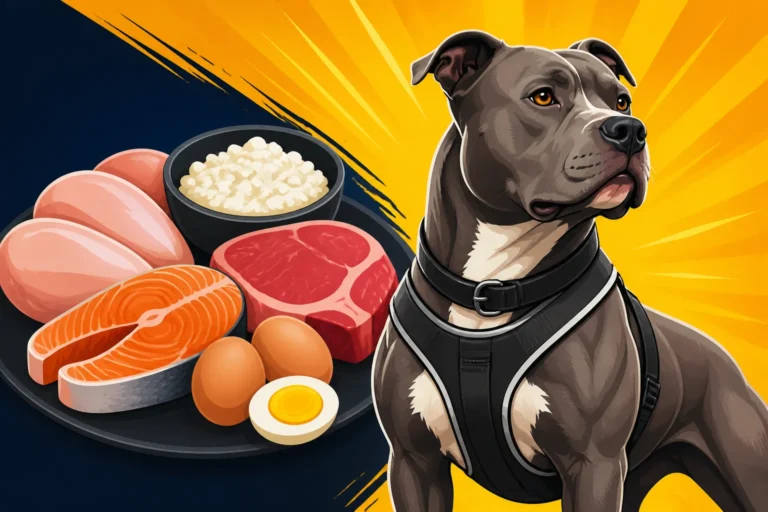
The type of food you feed your Pit Bull matters immensely. High-quality, nutrient-dense dog food provides all the necessary vitamins, minerals, protein, and healthy fats your Pit Bull needs without excessive fillers or empty calories. Look for foods with real meat as the first ingredient and a balanced protein-to-fat ratio appropriate for your dog's activity level.
Reading labels can be confusing, but focusing on ingredients and guaranteed analysis helps. If your Pit Bull is prone to allergies, a limited ingredient diet might be beneficial. Your veterinarian can offer guidance on specific brands or formulations that best suit your Pit Bull's individual needs. While pricing can vary, investing in good food is an investment in your dog's health, potentially preventing costly health issues down the line. Many reputable brands can be found on Chewy.
Regular Vet Check-ups and Professional Advice
Your veterinarian is your most valuable partner in maintaining your Pit Bull's ideal weight and overall health. During annual (or semi-annual for seniors) check-ups, your vet will perform a thorough physical examination, assess your Pit Bull's body condition, and discuss their diet and exercise routine.
Don't hesitate to ask questions or express concerns about your Pit Bull's weight. Your vet can help you calculate a precise calorie target, recommend specific foods, and guide you through a safe weight loss or maintenance plan if needed. They can also rule out any underlying medical conditions, such as Hypothyroidism and a Thinning Pit Bull Coat, that might contribute to unexplained weight gain. Establishing a good relationship with a vet who is comfortable with Pit Bulls is essential throughout their life.
Disclaimer
This article is for general informational purposes only and does not constitute professional advice. Laws, prices and regulations vary by location and change over time. Consult a qualified professional for guidance on your specific situation.