What a Pit Bull Health History Should Cover
Bringing a new Pit Bull into your life, whether it's a playful puppy or a deserving rescue, is an incredibly exciting journey. But let's be real, it often comes with a huge question mark: "What exactly am I getting myself into, health-wise?" Not knowing your dog's background can feel like flying blind, especially when common Pit Bull health concerns start to pop up. This guide is here to help you understand why a comprehensive health history is invaluable, what information you should be seeking out, and how to effectively manage and maintain those crucial records for your beloved companion.
Why a Detailed Health History Matters for Your Pit Bull
It's easy to dismiss a dog's past as irrelevant once they're happily settled in your home, but for Pit Bulls, especially, a thorough health history isn't just nice to have – it's absolutely vital. These incredible dogs, encompassing breeds like the American Pit Bull Terrier, American Staffordshire Terrier, and Staffordshire Bull Terrier, are known for their robust nature, but they do come with certain genetic predispositions and common ailments that, if understood early, can significantly improve their quality of life and potentially extend their time with you.
Understanding Breed-Specific Predispositions
Pit Bulls, like many purebred or common type dogs, are prone to certain health issues that can sometimes catch new owners off guard. Knowing if these issues run in their genetic line or have appeared in their past can be a game-changer. For example, many Pit Bulls are susceptible to Pit Bull Skin Allergies and the Atopy Pattern, which can manifest as persistent itching, redness, and skin infections. If you know your dog's parents or previous littermates suffered from this, you can be proactive with environmental management, diet, and early veterinary intervention, rather than waiting for severe symptoms to develop.
Similarly, joint problems like Pit Bull Hip Dysplasia Showing at One to Two Years are unfortunately common in these powerful, athletic breeds. A health history might reveal if a dog's parents were screened for hip and elbow dysplasia, or if the dog itself showed early signs of lameness or discomfort in a previous home. This knowledge empowers you to provide appropriate joint support, manage exercise, and plan for potential future treatments. Without this context, early signs might be dismissed, leading to more advanced and painful conditions later on.
Early Detection and Preventative Care
Imagine getting a new dog and knowing right away that they've had recurring Pit Bull Ear Infections and What Drives Them. Instead of waiting for a painful, smelly infection to flare up, you can start a routine of preventative ear cleaning and monitoring. This kind of foreknowledge allows you to be proactive, minimizing discomfort for your dog and potentially saving on emergency vet visits. Preventative care rooted in a solid health history means addressing potential problems before they become crises.
For puppies, a comprehensive history might highlight early issues like parasites or a particularly sensitive stomach, allowing you to tailor their diet and care from day one. For an adult rescue, it could reveal if they've ever experienced issues like bloat, a life-threatening condition for deep-chested breeds like some Pit Bulls. With this information, you can implement feeding strategies that reduce risk, like using a slow feeder or avoiding vigorous exercise immediately after meals.
Informing Future Veterinary Decisions
When you walk into the vet's office with your Pit Bull, having a detailed health history is like handing them a roadmap. It guides diagnoses, helps in selecting appropriate treatments, and even influences medication choices. For instance, if your dog has a history of adverse reactions to certain medications, that's crucial information for your vet. If they've had a previous surgery, understanding the details of that procedure can impact how your vet approaches new issues.
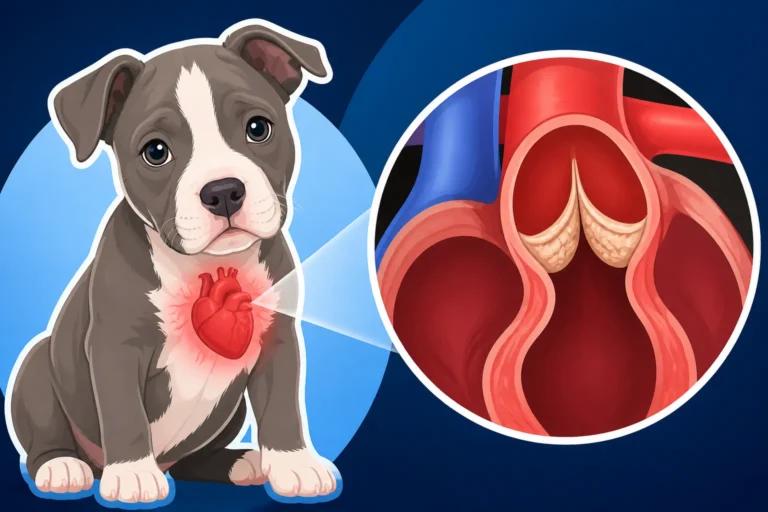
Think about managing chronic conditions. If your Pit Bull has a known history of Pit Bull Heart and Thyroid Conditions, your vet can establish a baseline, monitor progress more effectively, and adjust medications as needed, preventing serious complications. Without a history, the vet starts from scratch, which can mean more diagnostic tests, delays in treatment, and potentially less effective care. This thoroughness also becomes invaluable when considering things like pet insurance, as a clear medical history can help clarify pre-existing conditions, which major providers like Healthy Paws often factor into coverage.
Key Components of a Comprehensive Pit Bull Health History
So, what exactly should be in this magical health history? It's more than just a list of vet visits. It's a living document that paints a full picture of your Pit Bull's well-being from the moment they entered the world, covering everything from vaccinations to their quirky food preferences.
Vaccination and Parasite Control Records
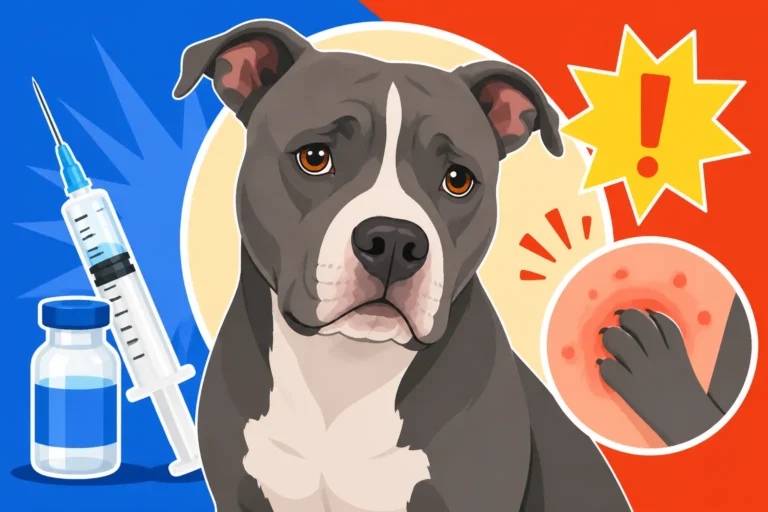
This is perhaps the most fundamental part of any dog's health history. You need a clear record of all vaccinations received, including core vaccines like distemper, parvovirus, adenovirus, and rabies, as well as any non-core vaccines relevant to your region, such as kennel cough or leptospirosis. Knowing the dates and types of vaccines ensures your Pit Bull remains protected and allows you to schedule boosters appropriately. It's especially critical for Pit Bull Puppy Vaccination and Parvovirus to ensure they have full immunity during their vulnerable early months.
Beyond vaccines, detailed records of deworming treatments (what was given, when, and for what parasites) and year-round parasite prevention, such as flea, tick, and Heartworm Cover Through a Pit Bull's Life, are essential. This helps your vet choose the most effective preventatives and track potential resistance issues. Many shelters or breeders will provide a puppy health record that outlines these initial steps, but it's your job to keep it updated.
Previous Illnesses, Injuries, and Surgeries
Any past medical event, no matter how minor it seemed, could hold clues for future health. This includes details of:
- Illnesses: Upper respiratory infections, gastrointestinal upsets, skin conditions, eye problems, or anything that required veterinary attention. What were the symptoms? What was the diagnosis? What treatment was given, and was it effective?
- Injuries: Any cuts, sprains, broken bones, or other trauma. How were they treated, and was there a full recovery? Were there any lasting effects? For a strong, active breed, injuries like a Cruciate Ligament Tears in a Muscular Pit Bull can be devastating, so knowing about any prior joint instability is key.
- Surgeries: Details on spay/neuter operations (including the age it was performed, which is particularly relevant for When to Neuter a Pit Bull Without Costing Joints), dental cleanings, tumor removals, or any orthopedic procedures. Anesthesia records, post-operative care, and recovery notes are all valuable.
Even seemingly small details, like a persistent cough a few months ago or an allergic reaction to a specific food, can be incredibly important for future diagnoses.
Diet, Weight, and Growth History
A Pit Bull's diet and weight history can tell you a lot about their metabolic health and potential for developing conditions like Pit Bull Obesity and Joint Strain. Document what they've been eating – brand, formula, and portion sizes – as changes can sometimes trigger digestive upset or allergic reactions. If they were on a special diet, why? Was it for allergies, weight management, or a sensitive stomach?
Regular weight records are crucial, especially for growing puppies to ensure they're developing at a healthy rate. For adult dogs, knowing their ideal weight and any fluctuations can indicate underlying health issues like thyroid problems or a lack of appropriate exercise. A sudden unexplained weight gain, even on the same food, could be a sign of a metabolic shift or A Pit Bull Gaining Weight on the Same Food. This information helps your vet tailor nutritional advice and exercise plans to maintain that powerful, muscular physique that Pit Bulls are known for.
Behavioral Notes and Socialization History
While not strictly medical, a Pit Bull's behavioral history is intrinsically linked to their overall well-being and can sometimes point to health issues. Notes on their temperament, how they interact with other dogs and people, and any anxieties or fears can be incredibly useful. For instance, a sudden change in behavior, such as increased irritability or pacing, might not just be a training issue; it could be a sign of pain, cognitive decline, or other underlying medical problems.
If your Pit Bull came from a shelter, any observations about their behavior in that environment—how they reacted to noises, other dogs, or new people—can help you manage their integration into your home. Knowing their socialization history as a puppy, for instance, can help predict how they might cope in various situations and if they might need extra support.
How to Gather and Maintain Your Pit Bull's Health Records
Collecting and keeping track of your Pit Bull's health records might seem like a daunting task, especially if you're dealing with multiple sources or starting with limited information. But with a little organization and persistence, you can build a comprehensive history that will serve your dog well for their entire Pit Bull Lifespan Across Twelve to Sixteen Years.
Obtaining Records from Previous Owners or Shelters
This is often the trickiest part. If you adopted from a reputable shelter or rescue, they should provide you with any existing medical records, including vaccination history, spay/neuter certificates, and notes on any treatments received during their stay. Don't be shy about asking for every scrap of paper they have; sometimes crucial details are tucked away in less obvious places. Major rescues are usually diligent about providing this, but smaller organizations might have less comprehensive documentation.
If you acquired your Pit Bull from a breeder, they should supply a health history for the puppy, including deworming and first vaccinations, as well as proof of health clearances for the parents (like hip and elbow scores, and genetic testing for conditions like cerebellar ataxia). A responsible breeder will be transparent and eager to share What Testing a Pit Bull Breeder Should Have Had Done. For private rehomings, it can be more challenging. Politely but firmly request all veterinary records. If records are sparse or non-existent, make an initial vet appointment as soon as possible to establish a baseline.
Creating Your Own Health Log
Even with excellent records from previous sources, you'll need to create your own ongoing health log. A simple binder or dedicated notebook works wonders. Divide it into sections:
- Vet Visits: Date, reason for visit, diagnosis, treatment, medications prescribed.
- Vaccinations: Vaccine type, date administered, next due date.
- Parasite Control: Product name, date administered, next due date (for flea/tick/heartworm).
- Weight Chart: Weekly or monthly weigh-ins.
- Diet Changes: Date, old food, new food, reason for change, any reactions.
- Behavioral Notes: Any unusual behaviors, anxieties, or training milestones.
- Medication List: Current medications, dosage, frequency, and reason.
This log becomes your central repository of information, making it easy to reference and share with any veterinary professional who cares for your Pit Bull.
Utilizing Digital Tools and Vet Portals
In our increasingly digital world, there are fantastic tools available to help manage your pet's health. Many veterinary clinics now offer online portals where you can access your Pit Bull's medical records, upcoming appointments, and even request prescription refills. Take advantage of these! They often keep records organized and easily searchable.
Beyond vet portals, there are various pet health apps like PetDesk, VitusVet, or even just a simple spreadsheet in Google Sheets or Excel, that allow you to log appointments, medications, and set reminders for preventatives. Services like Healthy Paws can also help you manage claims and keep track of covered treatments, streamlining the financial aspect of health management. These digital solutions can be invaluable for busy owners, ensuring no critical detail or due date slips through the cracks.
What to Look For and What Red Flags to Heed
When reviewing a Pit Bull's health history, it's not just about collecting the documents; it's about reading them critically. You're looking for patterns, inconsistencies, and potential warnings that could impact your dog's future. Understanding these red flags can save you heartache and expense down the line.
Gaps in Records and Vague Information
One of the biggest red flags is a sparse or incomplete health history. If there are long stretches with no vet visits, or if descriptions of illnesses are vague and lack detail, it's cause for concern. For example, if a record simply says "skin issue treated," without specifying if it was a bacterial infection, yeast, or an allergy, it leaves you without crucial information for future management. You should be especially wary if a puppy's records don't include dates for early deworming or first shots, as this can indicate a lack of proper initial care.
Similarly, if a previous owner or shelter can't provide basic information like when the dog was spayed/neutered or their approximate age, it suggests a lack of attention to their care. While some rescues genuinely don't know a dog's full past, reputable organizations will make every effort to get what they can and be transparent about any unknowns. When you encounter significant gaps, understand that you'll be starting from scratch with your vet to establish a health baseline for your Pit Bull.
Recurring Issues or Chronic Conditions
A health history that details recurring problems, even if seemingly minor, deserves extra attention. Frequent Pit Bull Ear Infections Every Few Months or repeated bouts of skin irritation could point to underlying allergies that need aggressive management. Knowing about these patterns early allows you to collaborate with your vet on a long-term strategy, rather than just treating symptoms as they appear.
Chronic conditions like arthritis, certain heart murmurs, or Hypothyroidism and a Thinning Pit Bull Coat will require ongoing management, medication, and regular vet check-ups. If the history indicates such conditions, you need to be prepared for a lifetime of dedicated care and potential medical expenses. This is where pet insurance from a provider like Healthy Paws can offer immense peace of mind, helping to mitigate the costs associated with chronic illness over your dog's lifetime. Understanding these needs upfront helps you decide if you're truly prepared for the commitment.
Breeding History and Genetic Screening
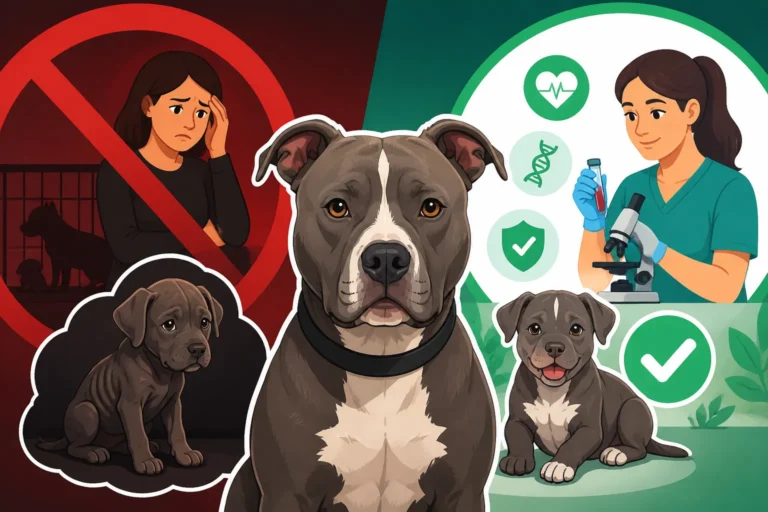
For Pit Bulls acquired from a breeder, the health history should extend beyond the individual dog to their parents and lineage. Responsible breeders perform genetic screening for common breed-specific conditions. For example, knowing if the parents were tested for hip and elbow dysplasia, or if they were clear of the gene for Pit Bull Cerebellar Ataxia and the DNA Test, is paramount. This insight into genetic health provides a clearer picture of your puppy's predispositions.
If the breeding history is unclear or non-existent, or if a breeder is unwilling to provide health clearances for parent dogs, it's a significant red flag. It means you're taking on a greater unknown in terms of potential genetic health issues. While a clear genetic history doesn't guarantee your Pit Bull will never face health challenges, it significantly reduces the likelihood of encountering preventable hereditary diseases, giving you and your dog a much better starting point.
Ultimately, a detailed health history isn't just paperwork; it's a profound act of care. It's the foundation upon which you build a lifetime of optimal health and happiness for your Pit Bull. By being diligent in gathering and maintaining these records, you empower yourself and your veterinary team to provide the best possible care, ensuring your strong, loving companion thrives for many years to come.
Disclaimer
The information provided in this guide is intended for educational purposes only and should not be considered a substitute for professional veterinary advice. Always consult with a qualified veterinarian for any health concerns or before making any decisions about your Pit Bull's medical care.