Anal Gland Trouble in an Allergic Pit Bull
There’s nothing quite as unsettling, or frankly, as stinky, as realizing your beloved Pit Bull is struggling with anal gland issues. It often starts with a bizarre scoot across the carpet, or a sudden, pungent odor that makes you wonder what on earth just happened. For many Pit Bull owners, this isn't just an isolated incident; it's a recurring nightmare often intertwined with the frustrating reality of managing their dog's allergies. This guide is here to unravel the complex relationship between your Pit Bull's allergies and those notoriously troublesome anal glands, offering practical advice and empathetic understanding to help you bring some relief to your furry friend.
Understanding Pit Bull Anal Glands and Their Purpose
Before we dive into the nitty-gritty of why these glands become such a pain, it’s helpful to understand what they are and what they’re supposed to do. It feels like one of those things no one tells you about until you're elbow-deep in the problem, right?
The Anatomy and Function of Anal Glands
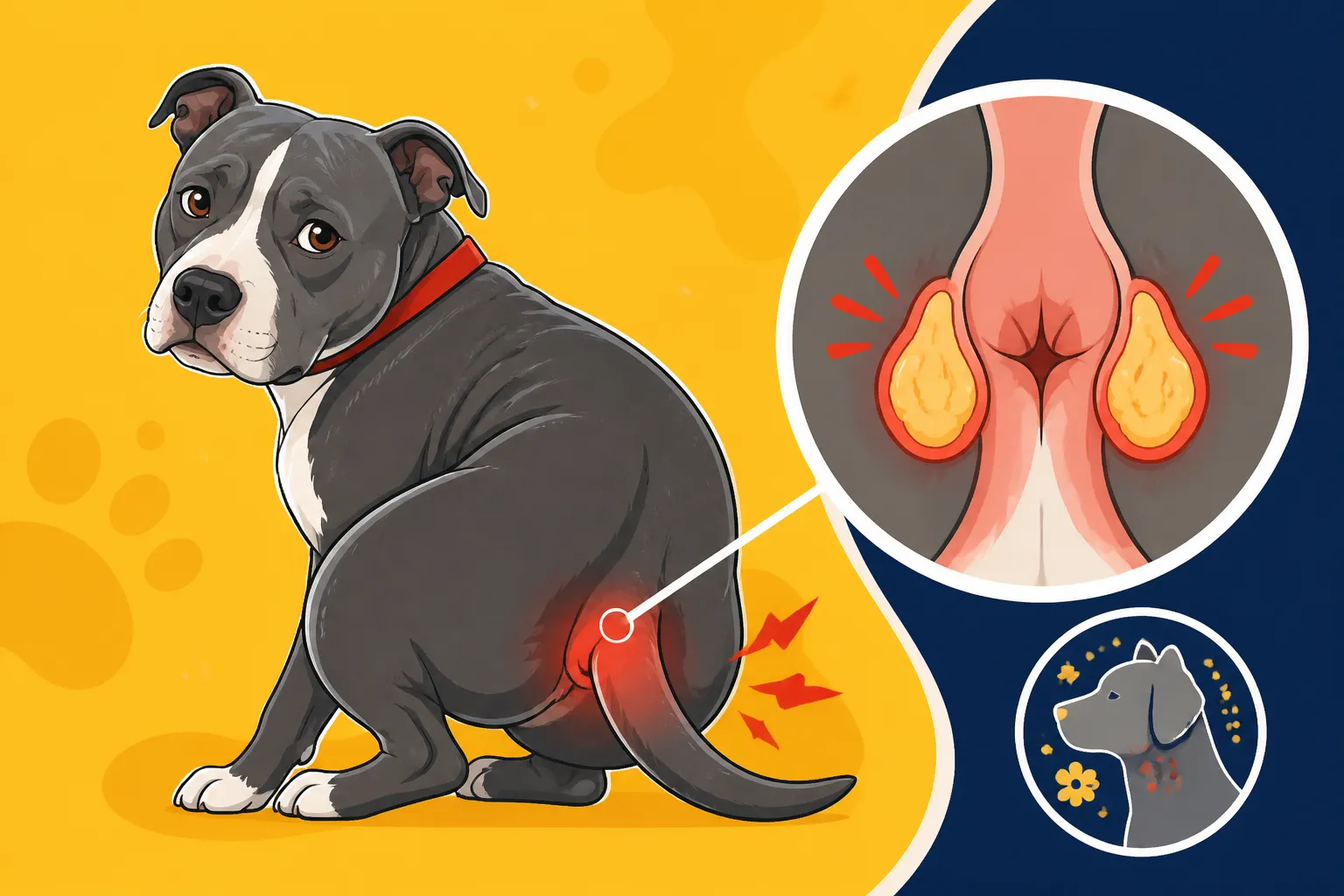
Nestled inside your Pit Bull's rectum, at about the four and eight o'clock positions, are two small sacs known as anal glands (or anal sacs). Each sac has a tiny duct that opens onto the surface of the anus. These glands produce a strong, oily, often fishy-smelling liquid. Think of it like a dog's unique scent signature. Every time your Pit Bull has a bowel movement, the pressure of the stool passing through the rectum usually helps to squeeze and express a little bit of this fluid out. This is why dogs sniff each other's rear ends – they're getting a whole load of information from those anal gland secretions!
Beyond scent marking, these glands play a role in communication among canines. When dogs greet each other, a quick sniff of the hindquarters reveals a lot about the other dog's identity, health, and even emotional state. It’s their social media profile, just… more aromatic. When things are working correctly, you rarely even notice they're there, and that's the ideal scenario for every Pit Bull owner.
Why Anal Gland Problems Occur
The primary reason anal glands become problematic is when they fail to express naturally. This non-expression can lead to a buildup of fluid, causing the glands to become impacted. Imagine a tiny sac that’s supposed to empty regularly, but the exit is blocked or the fluid inside becomes too thick. It gets uncomfortable, and quickly. The fluid can thicken into a pasty consistency, making it almost impossible for your dog to express them on their own. This impaction can then lead to inflammation, infection, or in severe cases, even rupture through the skin.
Several factors can contribute to this, including diet lacking sufficient fiber, soft stools that don't provide enough pressure for natural expression, obesity, and even genetics. For our muscular, often stocky Pit Bulls, the angle and pressure from passing stool can sometimes be less effective compared to other breeds, making them prone to these issues. But there's another, often overlooked, major player in this uncomfortable drama: allergies.
The Troubling Connection Between Allergies and Anal Gland Issues
This is where things get really frustrating for Pit Bull owners. You're already battling the itch, the constant licking, and maybe even Pit Bull Skin Allergies and the Atopy Pattern, and now this on top of it? It’s a cruel twist, but there’s a clear physiological link.
How Allergies Fuel Anal Gland Inflammation
When a Pit Bull suffers from allergies – be it environmental, food-related, or both – their entire body can react with inflammation. Think of inflammation as your dog's immune system sounding an alarm. For many dogs, this manifests as itchy skin, red ears, or Pit Bull Paw Licking and Chewing. But guess what? That same inflammatory response doesn't stop at the skin surface. It can also affect the delicate tissues surrounding the anal glands. The ducts that are meant to allow the fluid to exit can become swollen and narrowed, making it incredibly difficult for the glands to express naturally.
This means even if your Pit Bull is having perfectly normal bowel movements, the underlying inflammation from their allergies can still lead to impacted glands. It’s like a domino effect: allergies cause inflammation, inflammation narrows the ducts, the glands don't empty, and then you're dealing with the uncomfortable aftermath. This chronic inflammation can also alter the consistency of the fluid produced, making it even thicker and harder to express.
Common Allergens Contributing to the Problem
So, what kind of allergies are we talking about here? It usually falls into a few main categories that Pit Bulls are particularly susceptible to:
- Environmental Allergies (Atopy): These are seasonal or year-round sensitivities to things like pollen, dust mites, and mold. Just like humans get hay fever, dogs can experience intense itching and inflammation. If your Pit Bull starts scooting more frequently during certain times of the year, or when they've been spending more time outdoors, environmental allergens could be playing a major role. You might notice them rubbing their face on the carpet more often, or even A Pit Bull Rubbing Its Face on the Carpet after being outside.
- Food Allergies: This is a huge one for Pit Bulls, and it’s often overlooked. Certain proteins (like chicken, beef, dairy) or even grains can trigger an allergic reaction, leading to widespread inflammation, not just skin issues. If you suspect food allergies, you might also see gastrointestinal upset, like vomiting or diarrhea, alongside the itching and anal gland problems. An Eight Week Food Trial on an Itchy Pit Bull is often recommended to pinpoint these sensitivities.
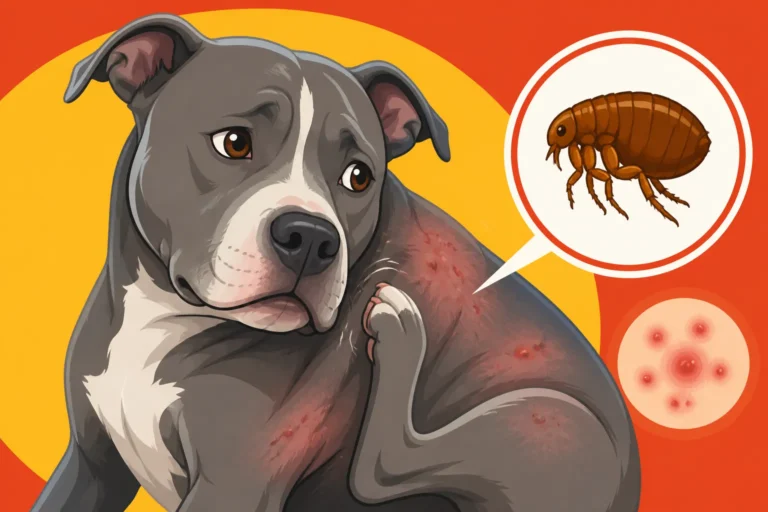
- Flea Allergy Dermatitis: Even a single flea bite can cause an intense allergic reaction in a sensitive dog, leading to severe itching, especially around the tail base and hindquarters. While less direct than environmental or food allergies, the constant itching and inflammation in the immediate area can certainly exacerbate existing anal gland issues. Regular, year-round parasite prevention is key here.
No matter the trigger, the consistent underlying inflammation is the common thread tying allergies to anal gland discomfort in your Pit Bull.
Recognizing the Cascade of Allergic Symptoms
It's not just the anal glands that are crying for help; your Pit Bull's whole body is often telling a story of allergic distress. If you’re seeing anal gland issues repeatedly, take a step back and look at the bigger picture. Are they also exhibiting other classic signs of allergies? These include persistent scratching, especially around the ears, face, and hindquarters, and a tell-tale A Pit Bull Chewing Its Feet Through the Night. You might also notice redness or irritation in their skin folds, particularly around their belly or armpits, indicative of Pit Bull Skin Fold and Belly Irritation.
Chronic ear infections are another huge red flag, as Pit Bull Ear Infections and Allergy Links are well-documented. The skin can also become greasy, develop a foul odor, or show signs of secondary infections like Yeast Infections in Pit Bull Skin Folds or bacterial pyoderma, which can sometimes appear as Pit Bull Hot Spots and Secondary Infection. If your dog is constantly uncomfortable from allergies, their immune system is working overtime, and every part of them, including those tiny anal glands, can bear the brunt of that constant inflammatory assault.
Spotting the Signs of Anal Gland Trouble in Your Pit Bull
As a Pit Bull owner, you become a master observer of your dog's quirks and habits. Learning to spot the subtle and not-so-subtle signs of anal gland trouble can save your dog a lot of discomfort and potentially prevent more serious issues.
Behavioral Indicators of Discomfort
The most common and often first sign owners notice is "scooting." This is when your Pit Bull drags their bottom along the ground – the carpet, the grass, even your nice rug. They're trying to relieve the pressure and discomfort by forcibly expressing those glands. While it looks comical, it's a clear cry for help.
Other behavioral cues include:
- Excessive licking or chewing around the tail base: Your dog might be constantly turning around to reach the area, even during quiet times.
- "Chasing" their tail: Not in a playful way, but with an intense, frantic effort to get at the source of irritation.
- Difficulty sitting or standing comfortably: They might shift their weight, or seem reluctant to lie down in their usual position.
- Reluctance to jump or climb: The discomfort can make these movements painful.
- Sudden yelps or signs of pain when touched near the tail or hindquarters.
If you see any of these behaviors, especially if they're persistent, it's a strong indicator that something is amiss with their anal glands.
Physical Clues and What They Mean
Beyond the behaviors, there are physical signs to look out for. The most obvious is that distinctive, pungent, fishy odor. This smell is often a clear indication that either the glands are expressing inappropriately (leaking) or they are severely impacted and the fluid is festering. It's a smell that's hard to ignore and even harder to forget.
Other physical clues include:
- Redness or swelling: Carefully examine the area around your Pit Bull’s anus. You might see visible swelling on one or both sides, or the skin might appear red and inflamed.
- Discharge: You might notice a brownish or yellowish discharge on their bedding, or even matted in the fur around their anus. This is the fluid that has either leaked out or been expressed, often involuntarily.
- Sore or raw skin: From all the licking and scooting, the skin can become irritated, raw, or even develop open sores.
- A firm lump: In severe cases of impaction, you might even be able to feel a firm, pea-sized or larger lump on either side of the anus. This is a very clear sign that the glands need immediate attention.
When to Seek Veterinary Attention
Honestly, if you're seeing any of these signs, it's always best to Emergency Signs That Cannot Wait in a Pit Bull and consult your veterinarian. Don't try to express them yourself unless you've been thoroughly trained by a vet. Improper expression can cause trauma, further inflammation, and even infection.
Your vet can accurately assess the situation, determine if the glands are simply full, impacted, or infected, and then express them safely. They can also rule out other conditions that might mimic anal gland issues, such as tumors or perianal fistulas. If infection is present, antibiotics might be necessary. For chronic issues, your vet can work with you to develop a long-term management plan, which should definitely include addressing the underlying allergies. Remember, preventative care, especially for a breed like the Pit Bull known for its sensitivities, can save a lot of pain and expense down the line. Many owners find that pet insurance, such as through Healthy Paws, can be a real lifesaver when dealing with ongoing allergic conditions and the associated costs, helping to cover vet visits and treatments.
Comprehensive Management and Prevention Strategies
Dealing with anal gland issues, especially in an allergic Pit Bull, requires a multi-faceted approach. It's not just about addressing the symptoms; it's about getting to the root cause.
Dietary Adjustments for Better Gland Health
One of the simplest yet most effective ways to support healthy anal gland function is through diet. The goal is to produce firm, bulky stools that naturally express the glands during defecation.
Here’s how diet can help:
- Increase Fiber: Fiber adds bulk to stool. You can do this by adding specific fiber supplements (like psyllium husk, canned pumpkin puree not pumpkin pie filling, or finely ground leafy greens) to your Pit Bull's regular food. Be sure to introduce fiber slowly to avoid digestive upset. Many commercial dog foods designed for sensitive stomachs also contain higher fiber levels.
- Maintain Hydration: Ensure your Pit Bull always has access to fresh, clean water. Good hydration helps keep stools appropriately moist and prevents them from becoming too hard, which can be difficult to pass and less effective at expressing glands.
- Consider a Limited Ingredient Diet (LID): If food allergies are suspected to be a contributing factor to the inflammation, an Limited Ingredient Food for a Pit Bull With Atopy can be incredibly beneficial. By eliminating common allergens, you reduce systemic inflammation that might be affecting the anal gland ducts. It often requires an Eight Weeks of Nothing Else for an Itchy Pit Bull to see real results, so patience is key. Brands like Royal Canin or Hill's offer prescription LIDs that your vet can recommend.
The Role of Regular Expression and Hygiene
Even with dietary changes, some allergic Pit Bulls may still need help.
- Manual Expression: For dogs prone to recurring issues, your vet might recommend regular manual expression. This can be done by a vet technician, a professional groomer, or, if you're comfortable and properly trained by your vet, even by you at home. The frequency will depend on your individual dog's needs, but for some, it might be every 3-4 weeks.
- Keep the Area Clean: After expression, or if you notice any leakage, gently clean the area around your Pit Bull’s anus with a mild, dog-safe wipe or warm water. This helps prevent irritation and secondary infections.
- Manage Weight: Ensuring your Pit Bull maintains a healthy weight is crucial. Pit Bull Obesity and Joint Strain can impact overall mobility and the effectiveness of natural anal gland expression. A lean, athletic body condition, as discussed in Feeding a Pit Bull to Keep Muscle Without Fat, allows for optimal body function, including proper bowel movements.
Addressing the Underlying Allergies
Ultimately, for an allergic Pit Bull, managing anal glands effectively means managing the allergies themselves. If you only treat the anal glands, the underlying inflammation will continue to cause problems.
- Veterinary Diagnosis and Treatment: Work closely with your vet to identify and manage your Pit Bull's specific allergies. This might involve Pit Bull Skin Allergy Testing (skin or blood tests), or the aforementioned food trials.
- Allergy Medications: Depending on the type and severity of allergies, your vet might prescribe medications. These could range from antihistamines for mild cases, to corticosteroids for acute flare-ups, or newer, targeted medications like Apoquel or Cytopoint. These treatments reduce the systemic inflammation that contributes to anal gland swelling and impaction.
- Immunotherapy: For environmental allergies, your vet might recommend allergy shots or oral drops (immunotherapy). This desensitizes your Pit Bull to the allergens over time, offering long-term relief and reducing the need for other medications. While it's a commitment, it can drastically improve your dog's quality of life and reduce the frequency of issues like anal gland problems.
- Omega-3 Fatty Acids: Supplements high in Omega-3s can help reduce inflammation throughout the body, including the skin and surrounding tissues of the anal glands. Look for high-quality fish oil supplements specifically formulated for dogs. This aligns with advice on Omega Oils for Pit Bull Skin and Coat.
- Regular Baths: For dogs with environmental allergies, Medicated Baths for a Pit Bull With Atopy can help remove allergens from their coat and soothe inflamed skin, again contributing to a reduction in overall body inflammation.
By tackling the allergies head-on, you're not just alleviating the itching and discomfort; you're also taking a significant step towards resolving those unpleasant and stubborn anal gland issues. Remember, a proactive and consistent approach, often supported by sound financial planning (which can be assisted by services like Healthy Paws for unexpected vet bills), is your best bet for keeping your Pit Bull happy and healthy.
Here's a quick summary table of common symptoms and solutions:
| Symptom Category | Specific Indicators | Potential Cause | Recommended Action |
|---|---|---|---|
| Behavioral | Scooting, tail chasing, excessive licking/chewing | Full/Impacted Anal Glands | Vet check for manual expression. Monitor for recurrence. |
| Difficulty sitting, pain response | Impacted/Infected Glands | Immediate vet visit. May require antibiotics or further treatment. | |
| Physical | Fishy odor, redness, swelling, discharge | Full/Impacted/Infected | Vet assessment. Cleaning the area. |
| Raw skin, sores, lumps | Infected/Ruptured Glands | Urgent vet attention. Could be serious infection requiring surgery. | |
| Allergy-Related | Persistent itching, paw licking, ear infections | Underlying Allergies | Discuss allergy testing and management with your vet (diet, medication, immunotherapy). |
| Gastrointestinal upset (vomiting, diarrhea) | Food Allergies | Consider a food trial with your vet. |
By understanding the connection between allergies and anal gland issues, and by implementing a comprehensive management plan, you can significantly improve your Pit Bull’s comfort and quality of life. It takes diligence and patience, but seeing your Pit Bull free from discomfort is worth every effort.
Disclaimer
The information provided in this article is for educational and informational purposes only and does not constitute veterinary advice. Always consult with a qualified veterinarian for any health concerns or before making any decisions about your pet's health or treatment plan.