A Pit Bull That Refuses Food for a Day
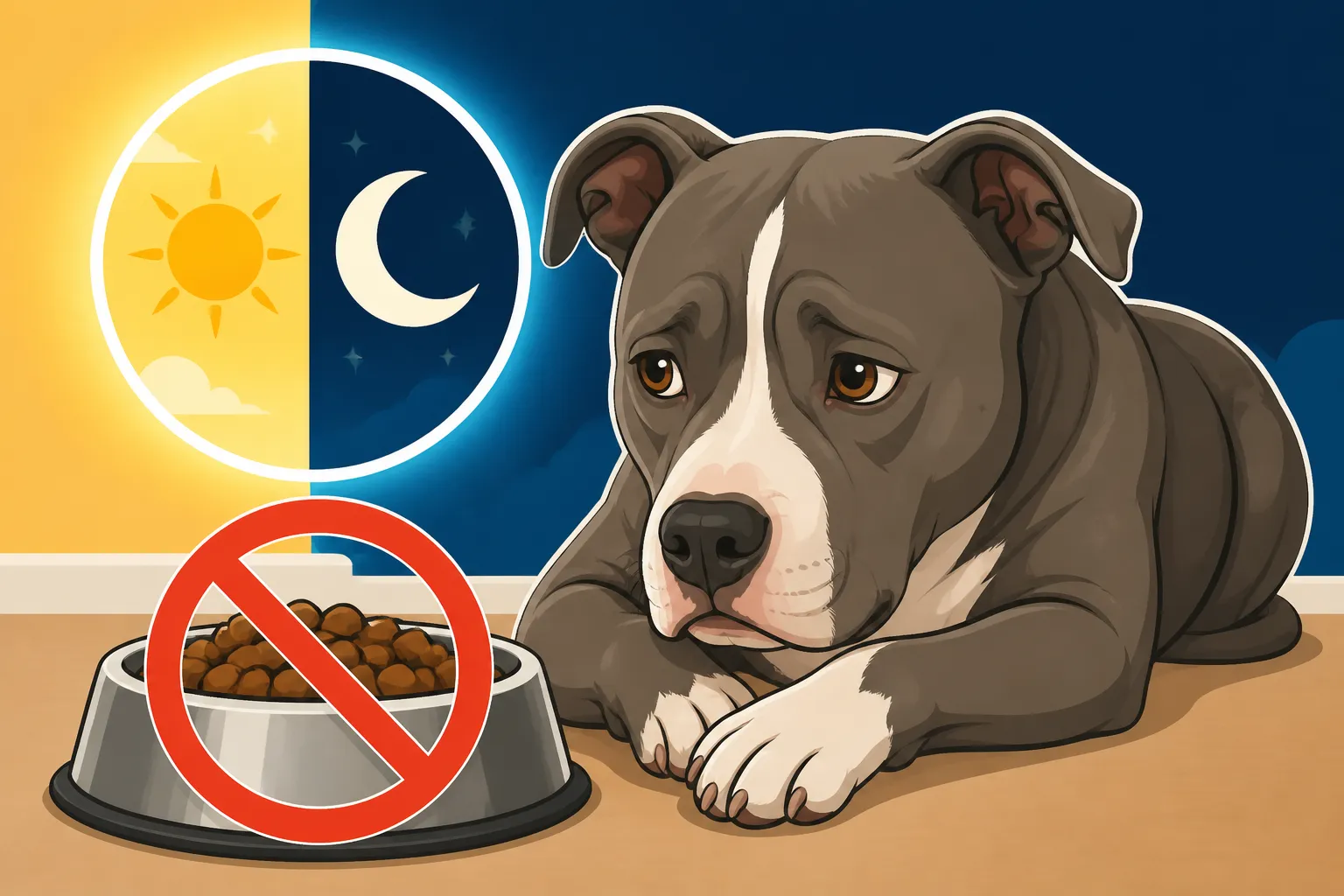
It’s incredibly unsettling when your usually enthusiastic Pit Bull, known for their robust appetite and energetic demeanor, suddenly turns their nose up at a meal. We all know that gut-wrenching feeling of a full food bowl sitting untouched, especially when it stretches into a full day. This guide is here to walk you through the reasons why your beloved Pit Bull might be refusing food for a day, helping you understand when it’s a minor blip and when it’s time to call the vet.
Is a Missed Meal Normal for Your Pit Bull?
While it’s natural to panic a little when your dog skips a meal, it’s helpful to understand what’s truly considered normal for Pit Bulls. These are generally very food-motivated dogs with hearty appetites, so a complete refusal of food, especially for an entire day, can definitely raise a red flag.
Understanding Normal Pit Bull Eating Habits
Most Pit Bulls are what we call "chow hounds." They love their food, often eating with gusto and looking for seconds. A healthy adult Pit Bull typically eats one to two meals a day, enthusiastically clearing their bowl within minutes. This strong feeding drive is often linked to their athletic build and high energy levels; they need those calories to maintain their muscle mass and fuel their day. When you see your Pit Bull skipping a meal or two, and especially if it turns into a whole 24-hour fast, it feels profoundly unusual for this breed. It goes against their very nature.
It’s important to distinguish between a dog who is simply being a bit picky or holds out for something better, versus one who genuinely feels unwell. A Pit Bull who might be picky usually still shows some interest, perhaps sniffing the food, nudging the bowl, or eventually eating a little bit later. However, a Pit Bull who completely ignores food, even high-value treats they normally adore, and shows no appetite whatsoever, is a cause for closer observation.
When a Skipped Meal Becomes a Concern
A single missed meal or a period of 12-24 hours without eating might not always be an emergency, but it should never be ignored. For younger, robust Pit Bulls, a brief food strike can sometimes resolve on its own, especially if related to a minor upset. However, for puppies, senior Pit Bulls, or those with underlying health conditions, even a day without food can be more serious due to their more fragile systems or slower recovery times.
It’s crucial to consider other accompanying symptoms. Is your Pit Bull just not eating, or are they also lethargic, vomiting, having diarrhea, or showing signs of pain? Are they drinking water normally? A dog who refuses food but is otherwise active, bright, and drinking water might just have a mild tummy ache or be reacting to a change in routine. But if the lack of appetite is coupled with other symptoms, or if it persists beyond 24 hours, it's time to take action. This is particularly true for smaller dogs or puppies, but even a sturdy Pit Bull can dehydrate quickly if they're also vomiting or having diarrhea, or simply not taking in fluids.
Common Reasons for a Day of Food Refusal
Sometimes, the reasons for a Pit Bull refusing food for a day are less serious and can be managed at home with careful observation. It’s always best to rule out these milder causes first.
Environmental Stress or Change
Pit Bulls, while often portrayed as tough, can be sensitive to changes in their environment or routine. Just like us, stress can curb their appetite. Have you recently moved? Had visitors? Is there a new pet in the house? Even a loud thunderstorm or new construction noises nearby can throw some dogs off their game. They might be too anxious or distracted to eat.
Consider if there's been any disruption to their usual schedule. Maybe you changed their feeding time, or perhaps their bowl is in a new, unfamiliar spot. Some Pit Bulls thrive on predictability, and even minor shifts can make them feel uneasy. If your Pit Bull seems otherwise well but is just a bit withdrawn or clingy, stress might be the culprit. Give them a quiet, safe space to eat, away from commotion, and try to restore their routine as much as possible. Sometimes, a calm presence and familiar surroundings are all they need to feel comfortable enough to eat again.
Mild Stomach Upset or Indigestion
A common reason for a temporary loss of appetite is a mild stomach upset. This could be due to eating something they shouldn't have, a sudden change in diet, or even just a bit of indigestion. Maybe they got into the trash, scarfed down some grass, or were given an unusual treat. These little dietary indiscretions can often lead to a day of feeling "off" and disinclined to eat their regular kibble.
You might notice very subtle signs alongside the food refusal, such as a soft stool, a little gas, or an occasional cough. Sometimes, dogs will even vomit bile on an empty stomach because they haven't eaten. If your Pit Bull has a sensitive stomach, even slight changes in their food can trigger this. For instance, if you've introduced a new brand of kibble or a different flavor too quickly, their digestive system might rebel. For a dog with a sensitive stomach, sticking to Feeding a Pit Bull With a Sensitive Stomach can be vital. If they're just experiencing mild upset, they might resume eating on their own once their stomach settles. Offering a bland diet, like boiled chicken and rice, in small amounts might help coax them back to food.
Pickiness or Food Aversion
Yes, even Pit Bulls can be picky! Sometimes, they simply don't like the food you're offering, especially if it's new or if they've become bored with their current diet. If you've been experimenting with different foods or offering a lot of treats lately, they might be holding out for something more exciting. They're smart, and they learn quickly that if they refuse their regular meal, something tastier might come along.
Food aversions can also develop if a dog has associated their food with a negative experience, perhaps feeling ill right after eating it once, or if the food itself has gone stale or rancid. Always check the expiration date and smell the food to ensure it's fresh. A Pit Bull that suddenly refuses a food they previously loved might be communicating that it's just not appealing anymore. Before you panic, consider if the food itself is the issue. If your Pit Bull is otherwise bright and active, try offering a small amount of a highly palatable, temporary alternative, like a little bit of plain cooked chicken or some wet dog food, to see if it sparks their interest.
Heat or Seasonal Changes
Dogs, especially those with short coats like Pit Bulls, can be affected by extreme temperatures. In the scorching heat of summer, a dog might lose their appetite, preferring to drink water and conserve energy rather than consume a big meal. Their bodies are working harder to stay cool, and heavy digestion can generate more internal heat, making them less inclined to eat.
Similarly, some dogs' appetites can fluctuate with the seasons, just like ours. If your Pit Bull spends a lot of time outdoors in warm weather, their activity levels might decrease, and consequently, their calorie needs might drop slightly, leading to less interest in food. Ensure they have constant access to fresh, cool water, and consider feeding during the cooler parts of the day. You might even find they prefer smaller, more frequent meals rather than one large one. However, if they are refusing water too, or showing signs of heatstroke, that's an immediate emergency.
When to Worry: Serious Health Concerns
While many instances of food refusal are minor, there are times when it signals a more serious underlying health issue. Recognizing these signs early can be critical for your Pit Bull's well-being.
Pain or Discomfort
Any form of pain or discomfort can cause a dog to lose their appetite. This could be anything from dental pain to joint discomfort, or internal organ issues. Imagine trying to enjoy a meal when you have a toothache or a throbbing headache – it’s just not appealing. For Pit Bulls, who are generally stoic, identifying pain can sometimes be tricky as they tend to hide it.
Common pain-related causes of food refusal include:
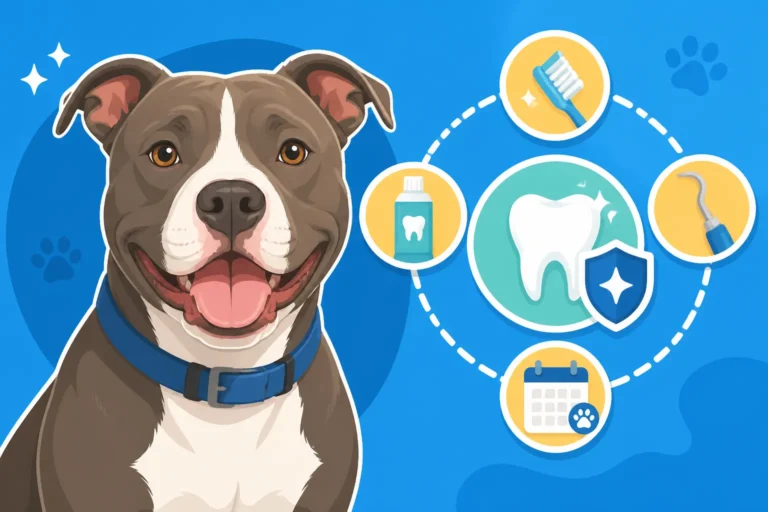
- Dental problems: A cracked tooth, gum disease, or an abscess can make chewing incredibly painful. If you notice your Pit Bull dropping food, chewing only on one side, or drooling excessively, it could be a sign of Pit Bull Dental Disease and Hard Chewing. Regular checks of What a Pit Bull's Breath Says About Its Teeth can offer clues.
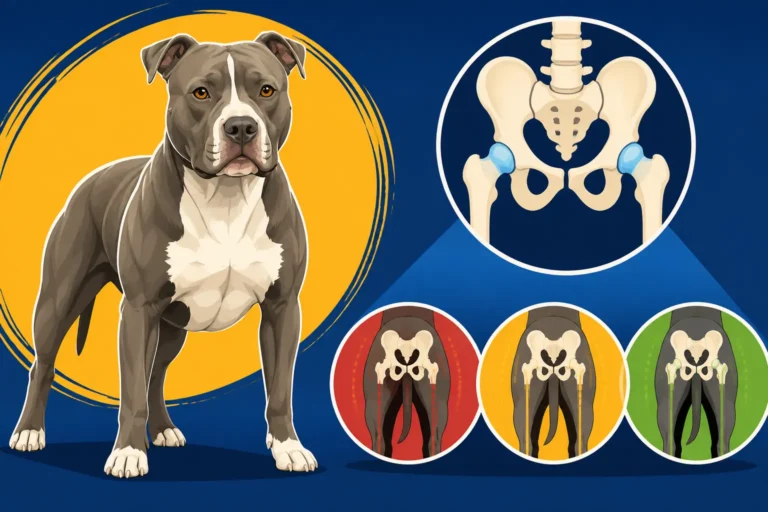
- Joint pain: Conditions like hip or elbow dysplasia, or even arthritis in an older Pit Bull, can make it uncomfortable to stand at a food bowl or bend down to eat. You might notice stiffness, limping, or reluctance to move.
- Back or neck pain: An injury or disc issue can cause significant discomfort, making it painful for them to lower their head to eat.
- Abdominal pain: This could be due to a range of issues, from gastrointestinal inflammation to more serious conditions. You might notice a hunched posture, sensitivity to touch around their belly, or restlessness.
If your Pit Bull is showing any signs of discomfort along with their refusal to eat, it's a good idea to consult your veterinarian. They can perform a thorough examination to pinpoint the source of the pain.
Gastrointestinal Issues Beyond Mild Upset
While mild stomach upsets often pass, more serious gastrointestinal problems can cause prolonged food refusal and require immediate veterinary attention. These aren't just about feeling a little "off"; they can be dangerous.
This category includes conditions like:
- Foreign Body Obstruction: If your Pit Bull has ingested a toy, a piece of clothing, or any non-food item that gets stuck in their digestive tract, it can cause severe pain, vomiting, and a complete loss of appetite. This is a life-threatening emergency.
- Pancreatitis: Inflammation of the pancreas can be extremely painful and lead to severe vomiting, diarrhea, lethargy, and a refusal to eat. It's often triggered by a high-fat meal.
- Inflammatory Bowel Disease (IBD): While often chronic, an acute flare-up of IBD can lead to severe appetite loss, vomiting, and diarrhea. Some Pit Bull Skin Allergies and the Atopy Pattern can also present with gastrointestinal symptoms.
- Parasites: A heavy parasite load, though less common in well-cared-for dogs, can cause digestive upset and appetite loss, sometimes leading to more severe issues like Pit Bull Puppy Diarrhea in the First Week.
- Bloat (Gastric Dilatation-Volvulus or GDV): This is an acute, life-threatening condition where the stomach fills with gas and can twist, cutting off blood supply. Deep-chested breeds like Pit Bulls can be susceptible. Symptoms include restlessness, unproductive retching, a distended abdomen, and extreme pain, often leading to total food refusal. This is an absolute emergency.
If you suspect any of these more serious GI issues, especially bloat, do not wait. Get your Pit Bull to an emergency vet immediately.
Systemic Illness or Organ Dysfunction
A lack of appetite is a very common symptom for almost any systemic illness affecting the body, not just the digestive system. When a dog feels unwell overall, food is often the last thing on their mind.
This could range from:
- Infections: Bacterial or viral infections (like kennel cough, leptospirosis, or even a simple fever) can cause lethargy and a complete loss of appetite.
- Kidney or Liver Disease: As these organs start to fail, toxins build up in the blood, leading to nausea, vomiting, and appetite suppression. You might notice increased thirst or urination, or changes in gum color.
- Cancer: Tumors, particularly those affecting the digestive system or causing generalized malaise, can result in weight loss and a decreased interest in food.
- Hormonal Imbalances: Conditions like hypothyroidism (though more likely to cause weight gain, not loss) or Addison's disease can lead to lethargy, weakness, and poor appetite. A Pit Bull Gaining Weight on the Same Food could be an early sign of a metabolic shift, but sudden refusal is more acute.
- Toxins or Poisons: Ingestion of household chemicals, certain plants, or toxic foods can cause a rapid decline in appetite, often accompanied by vomiting, diarrhea, tremors, or seizures.
If your Pit Bull's refusal to eat is accompanied by other worrying symptoms such as excessive lethargy, vomiting, diarrhea, trouble breathing, or A Pit Bull That Collapses Without Warning, these are Emergency Signs That Cannot Wait in a Pit Bull. Prompt veterinary diagnosis and treatment are essential. This is where having pet insurance like Healthy Paws can truly alleviate some of the financial stress of unexpected diagnostic tests and treatments.
Steps to Take When Your Pit Bull Won't Eat
When your Pit Bull refuses food for a day, it’s natural to feel helpless. But there are practical steps you can take, both at home and with your veterinarian, to address the situation.
Initial Observation and Home Management
Before you panic and rush to the vet, take a moment to observe your Pit Bull thoroughly. Gather as much information as you can, as this will be invaluable if you do need to see a vet.
Here’s what to look for and try at home:
- Assess their overall demeanor: Are they still playful, or are they withdrawn, lethargic, or restless? Are they interested in walks or toys?
- Check for other symptoms: Any vomiting (what does it look like?), diarrhea, coughing, sneezing, limping, or excessive panting?
- Monitor water intake: Are they drinking normally? Dehydration can quickly become a serious concern.
- Check their gums: Healthy gums are pink and moist. Pale, dry, or tacky gums can indicate dehydration or other issues.
- Take their temperature: A normal dog temperature is usually between 101 and 102.5°F (38.3 to 39.2°C). If you have a rectal thermometer and are comfortable using it, this can provide vital information.
- Offer bland food: If they are otherwise normal, try offering a small amount of a bland diet, such as plain boiled chicken (no skin, no bones, no seasoning) and white rice. Sometimes this is more appealing to an upset stomach than regular kibble.
- Try high-value treats: If they refuse their kibble, will they eat a tiny piece of cheese, a dollop of peanut butter, or another favorite high-value treat? If they refuse even their absolute favorites, it's a stronger indicator of a genuine lack of appetite.
- Ensure comfort: Make sure their eating area is quiet, clean, and accessible. If they're an older dog or experiencing joint pain, consider an elevated food bowl. An older Pit Bull may be An Old Pit Bull That Leaves Its Bowl due to discomfort or decreased senses.
If your Pit Bull shows any signs of distress beyond just skipping food, or if the food refusal goes past 24 hours without improvement, it's time to seek professional help.
When to Contact Your Veterinarian
Knowing when to transition from home observation to a vet visit is crucial. It’s always better to err on the side of caution.
You should contact your vet immediately if your Pit Bull:
- Refuses to eat for more than 24 hours, especially if they are a puppy, senior, or have known health issues.
- Is also vomiting repeatedly, especially if it contains blood or looks like coffee grounds.
- Has severe diarrhea, particularly if bloody or black and tarry.
- Is extremely lethargic, weak, or unresponsive.
- Shows signs of pain, such as whimpering, pacing, reluctance to move, or a hunched posture.
- Has a distended or painful abdomen, or is trying to vomit but nothing comes up (signs of bloat).
- Is refusing water or showing signs of dehydration (sunken eyes, sticky gums, loss of skin elasticity).
- Has a fever (above 103°F or 39.4°C).
- You suspect they have ingested a toxin or foreign object.
When you call the vet, be prepared to give them a clear timeline of when your Pit Bull stopped eating, any other symptoms you’ve observed, and what you’ve tried at home. This information will help them determine the urgency and what diagnostic steps might be needed. Pet insurance, such as through Healthy Paws, can be incredibly beneficial here, as vet visits for a dog that won't eat can quickly involve blood tests, X-rays, or ultrasounds to get to the bottom of the issue.
Diagnostic Tests and Treatment Options
Once at the veterinary clinic, your vet will perform a thorough physical examination. This is their chance to get hands-on and check for abnormalities that you might not have noticed at home, from gum color to abdominal tenderness.
Based on their initial findings, they may recommend a variety of diagnostic tests:
- Blood work: This can assess organ function (kidney, liver), check for infection (white blood cell count), and look for anemia or electrolyte imbalances.
- Urinalysis: To check kidney function, hydration status, and rule out urinary tract infections.
- Fecal examination: To check for intestinal parasites.
- X-rays (radiographs): To look for foreign bodies, signs of organ enlargement, or gas patterns indicative of bloat or obstruction.
- Ultrasound: Provides a more detailed view of internal organs, helping to identify inflammation, tumors, or fluid accumulation.
- Endoscopy or Biopsy: In chronic or complex cases, a scope may be used to visualize the GI tract, or tissue samples taken for further analysis.
Treatment will depend entirely on the diagnosis. It could range from simple dietary changes or medications for nausea, pain, or inflammation, to intravenous fluids for dehydration, or even surgery for obstructions or bloat. For dogs with chronic issues like Pit Bull Obesity and Joint Strain or other long-term ailments that contribute to poor appetite, the vet might also discuss long-term management plans. Remember, getting to the root cause quickly often leads to a faster and more successful recovery.
Long-Term Management and Prevention
Preventing future episodes of food refusal often comes down to maintaining good health practices and being observant of your Pit Bull's habits.
Consistent Diet and Feeding Practices
Maintaining a consistent, high-quality diet is one of the best ways to keep your Pit Bull's digestive system happy and their appetite strong. Sudden changes in food can easily upset their stomach, leading to a temporary refusal to eat.
- Choose a reputable food: Select a dog food appropriate for your Pit Bull's age, activity level, and any sensitivities. Discuss appropriate calorie targets, like How Many Calories a Fifty Pound Pit Bull Needs, with your vet or a certified veterinary nutritionist.
- Introduce new foods gradually: If you need to switch foods, do so over 7-10 days, slowly mixing increasing amounts of the new food with decreasing amounts of the old.
- Avoid table scraps: While tempting, human foods, especially rich or fatty ones, can cause significant digestive upset, including pancreatitis. Stick to dog-appropriate treats in moderation.
- Maintain a feeding schedule: Feeding at the same times each day helps regulate their digestive system and sets expectations.
- Store food properly: Keep kibble in an airtight container to maintain freshness and prevent it from going stale or attracting pests.
Regular Vet Check-ups and Preventative Care
Routine veterinary care is paramount in catching potential health problems before they become severe enough to cause a complete loss of appetite. Think of it as preventative maintenance for your best friend.
During annual (or more frequent for seniors) check-ups, your vet can:
- Perform a thorough physical exam: This includes checking their teeth, palpating their abdomen, listening to their heart and lungs, and assessing their overall body condition.
- Discuss diet and exercise: Ensure your Pit Bull is maintaining a healthy weight and getting appropriate Pit Bull Exercise After a Skin Flare or other conditions.
- Recommend routine screenings: Depending on your Pit Bull's age and breed predispositions, your vet might suggest blood work or other tests to monitor organ function and catch issues like Pit Bull Heart and Thyroid Conditions early.
- Address dental health: Regular dental check-ups can prevent painful issues like Pit Bull Dental Disease and Hard Chewing which are a common cause of appetite loss in older dogs.
- Update vaccinations and parasite control: Protecting against common illnesses and parasites helps maintain overall health and can prevent many causes of gastrointestinal upset.
These proactive steps can help ensure your Pit Bull stays healthy and happily devouring their meals for years to come. Remember, pet insurance like Healthy Paws can also offer peace of mind, covering a significant portion of unexpected veterinary bills should a serious issue arise, allowing you to focus on your Pit Bull's recovery without added financial strain.
What to Observe and When to Call the Vet
| Symptom | Severity | Recommended Action |
|---|---|---|
| No interest in one meal | Mild | Observe. Offer next meal as usual. Check for other symptoms. |
| Refusal for 24 hours, otherwise normal | Moderate | Offer bland diet. Ensure water intake. If no improvement, contact vet. |
| Refusal with lethargy, mild vomiting/diarrhea | Moderate to Severe | Contact vet within 12-24 hours. Monitor closely for worsening. |
| Refusal with severe vomiting (blood), profuse diarrhea, or distress | Severe (Emergency) | Immediate vet visit (ER). Do not wait. |
| Refusal with abdominal pain/distension (bloat signs) | Severe (Emergency) | Immediate vet visit (ER). This is life-threatening. |
| Refusal with extreme weakness, collapse, pale gums | Severe (Emergency) | Immediate vet visit (ER). |
| Refusal in a puppy or senior dog (especially with other signs) | Severe | Immediate vet visit or urgent vet call. |
Disclaimer
This article is intended for informational purposes only and does not constitute medical advice. Always consult with a qualified veterinarian for any health concerns or before making any decisions about your Pit Bull's health or treatment.