Whether a Raw Diet Suits a Pit Bull
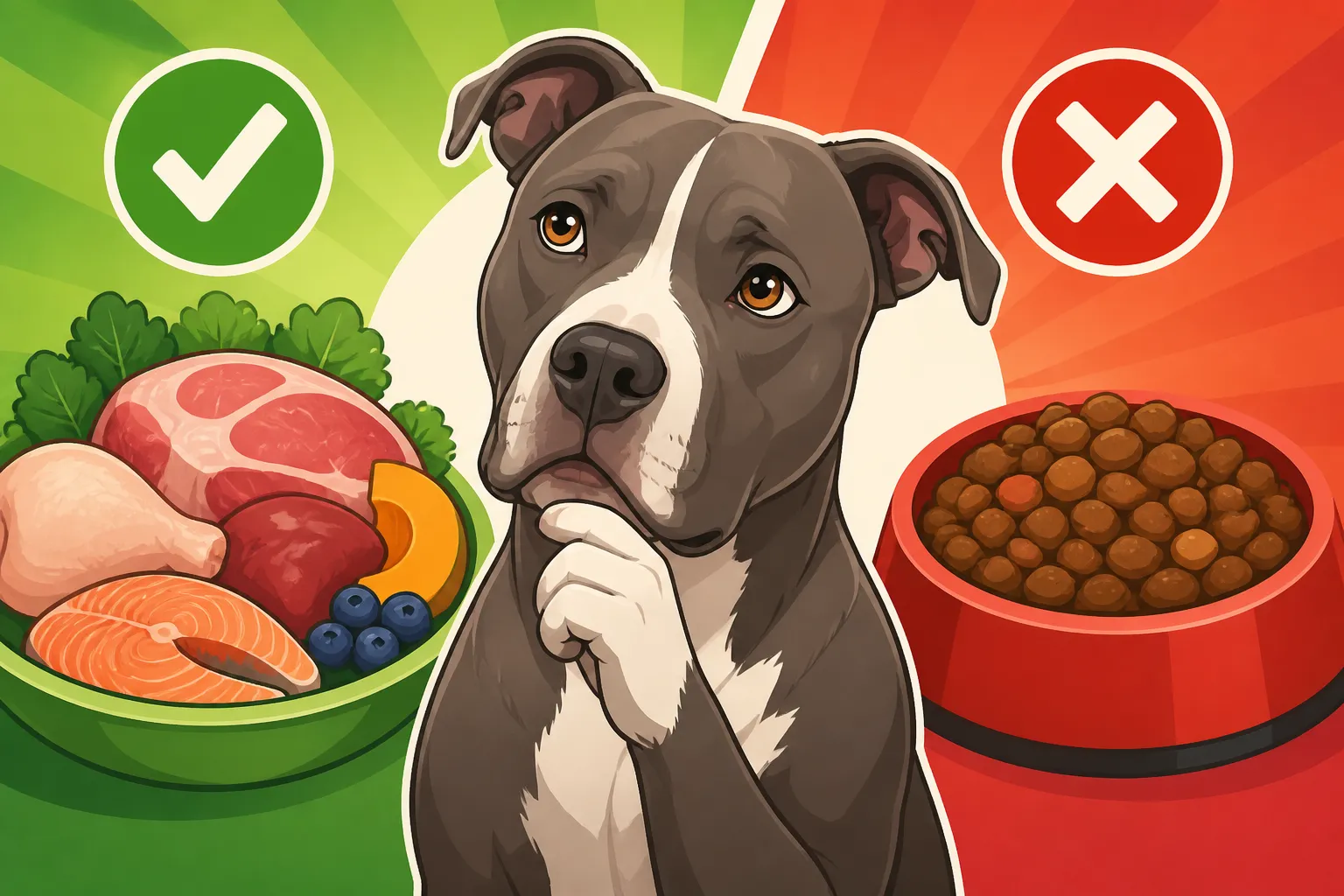
Deciding what to feed your beloved Pit Bull can feel like navigating a minefield of conflicting advice, especially when the topic of raw feeding comes up. Many owners are drawn to the idea of a "natural" diet, hoping to unlock peak health and vitality for their powerful companions, while others worry about safety and nutritional completeness. This guide will thoroughly explore whether a raw diet is truly suitable for a Pit Bull, weighing the potential benefits against the very real risks and practical considerations, so you can make an informed decision that feels right for you and your dog.
Understanding the Philosophy Behind Raw Feeding for Pit Bulls
The world of dog nutrition is vast and often passionate, and raw feeding stands out as one of the most debated topics. For Pit Bull owners, who are often deeply committed to their dogs' well-being and performance, the appeal of a raw diet can be particularly strong. It taps into an innate desire to provide the very best, mimicking what might be considered a dog's wild ancestry.
The "Ancestral Diet" Argument
At its core, the raw feeding philosophy often hinges on the concept of an "ancestral diet." The idea is that domestic dogs, despite thousands of years of evolution alongside humans, still possess the digestive system and nutritional requirements of their wild canine ancestors, like wolves. Proponents argue that commercial kibble, with its cooking process and often high carbohydrate content, deviates too far from this natural dietary blueprint. They suggest that a dog's body is simply not designed to process grains and heavily processed ingredients, and that feeding a diet closer to what a wild carnivore would eat – raw meat, organs, and bone – is inherently healthier.
For a powerful, athletic breed like a Pit Bull, this argument often resonates even more. Owners frequently observe their Pit Bulls exhibiting incredible strength and drive, characteristics that seem to align with a robust, natural diet. They might believe that a raw diet would naturally fuel this inherent athleticism, leading to better overall condition and performance. This perspective challenges the conventional wisdom that dry kibble is a complete and balanced solution for all dogs, pushing owners to question what exactly is in their dog's bowl.
Perceived Health Benefits for Athletic Breeds
Many Pit Bull owners who switch to or advocate for raw feeding report a range of impressive health improvements. These often include a shinier, softer coat and healthier skin, which is a big deal for a breed prone to Pit Bull Skin Allergies and the Atopy Pattern. They might also notice brighter eyes, cleaner teeth due to the chewing of raw bones, and a reduction in "doggy odor." Beyond the aesthetics, many claim improved digestion, characterized by smaller, firmer, and less odorous stools, indicating better nutrient absorption. This can be a huge relief for owners whose Pit Bulls struggle with loose stools or chronic digestive upset on conventional diets.
For a highly active and muscular breed like the Pit Bull, perceived benefits also extend to increased energy levels, improved stamina, and better muscle tone. Owners often describe their dogs as having more "pep in their step" and maintaining a leaner, more athletic physique. This ties into the idea that a diet rich in bioavailable protein and natural fats provides superior fuel for a dog's robust metabolism, helping them maintain their impressive Pit Bull Weight and Muscle on a Working Frame. There's a strong emotional component here too; seeing your dog thrive in such tangible ways can be incredibly validating for an owner seeking the best for their companion.
Different Approaches to Raw Feeding
It's important to understand that "raw feeding" isn't a single, monolithic approach; it encompasses several distinct methodologies. The most common distinctions are between DIY (Do It Yourself) raw and commercial pre-made raw diets. DIY raw typically involves owners sourcing individual ingredients – various cuts of muscle meat, organs, and raw meaty bones – and assembling meals themselves according to specific ratios. This often requires significant research, a deep understanding of canine nutritional needs, and careful calculation to ensure balance. Owners might follow models like BARF (Biologically Appropriate Raw Food or Bones And Raw Food), which includes a small percentage of fruits and vegetables, or the Prey Model Raw (PMR), which aims to replicate the diet of a wild prey animal, consisting almost entirely of meat, organs, and bone.
On the other hand, commercial raw diets offer convenience by providing pre-portioned, nutritionally complete meals. These are typically frozen and include a blend of meats, organs, and bones, often with added supplements, fruits, and vegetables to meet AAFCO (Association of American Feed Control Officials) guidelines for complete and balanced nutrition. Brands like Stella & Chewy's, Primal, and others offer these options, available through pet stores or online retailers like Chewy and Amazon. The choice between DIY and commercial raw often comes down to an owner's comfort level with nutritional science, their available time, and their budget, as both approaches have their own set of benefits and drawbacks.
Potential Benefits of a Raw Diet for Pit Bulls
Many Pit Bull owners explore raw feeding specifically because they are looking for solutions to common health complaints or simply want to optimize their dog's well-being. While scientific evidence is still growing and debated, anecdotal reports from owners often highlight several key areas of improvement.
Improved Digestion and Stool Quality
One of the most frequently cited benefits of a raw diet is a marked improvement in digestion. Owners often observe that their Pit Bulls produce smaller, firmer, and less odorous stools. This is attributed to the high digestibility of raw meat, organs, and bones compared to heavily processed kibble, which can contain fillers and ingredients that are harder for a dog's system to break down. When a dog's body can efficiently absorb nutrients, there's simply less waste material to excrete.
For Pit Bulls with chronic digestive issues, such as recurrent diarrhea, excessive gas, or even constipation, a raw diet can sometimes bring significant relief. The natural enzymes present in raw food, which are often destroyed by the high heat of kibble processing, are thought to aid in the digestive process. Many owners report a settling of sensitive stomachs, reducing incidents of vomiting or discomfort. This also means less time spent worrying about unexpected messes or constantly cleaning up after your dog, which is a practical benefit that can't be overstated. A balanced diet can certainly aid in digestive health, and you might find information on related topics like Feeding a Pit Bull With a Sensitive Stomach helpful.
Coat Health and Skin Condition
Pit Bulls are known for their short, sleek coats, and keeping their skin healthy is a common concern. Many raw feeders enthusiastically report that their dogs develop incredibly shiny, soft coats, with reduced shedding and less dry, flaky skin. This is often attributed to the high levels of essential fatty acids, such as Omega-3s and Omega-6s, found naturally in raw meats and certain dietary additions like fish oil. These fatty acids are crucial for skin barrier function and coat luster.
Beyond just shine, a raw diet is often explored by owners of Pit Bulls struggling with allergies or chronic skin irritation. While a raw diet isn't a magic cure-all for Pit Bull Skin Allergies and the Atopy Pattern (which can have many causes, including environmental factors), the reduction of common allergens found in commercial kibble, such as certain grains or protein sources, can sometimes lead to an improvement. Some believe that a more natural, less inflammatory diet helps reduce the overall allergic burden on the dog's system, leading to fewer flare-ups, less itching, and less of the frustrating Pit Bull Paw Licking and Chewing that can plague the breed. This can make a significant difference in the comfort and quality of life for an itchy Pit Bull.
Energy Levels and Muscle Tone
Pit Bulls are naturally powerful, energetic, and muscular dogs. Owners often find that a raw diet seems to enhance these inherent traits. Anecdotal evidence suggests that dogs on a raw diet display more sustained energy throughout the day, without the "sugar highs" and crashes that some attribute to carbohydrate-heavy kibble. This consistent energy can be particularly beneficial for dogs involved in sports, training, or just those with a high drive for daily activity. When it comes to fueling a dog for serious exertion, you want a diet that supports their natural athleticism. For insights into ensuring your Pit Bull gets the right fuel, consider reading Feeding a Pit Bull to Keep Muscle Without Fat.
Furthermore, many raw feeding advocates report that their Pit Bulls develop and maintain superior muscle tone. The high-quality, bioavailable protein in raw meat provides the building blocks for strong muscles, while the lack of excessive carbohydrates can help prevent unnecessary fat accumulation. This can contribute to a leaner, more defined physique, which is often highly desired for the breed. If your Pit Bull is already maintaining a healthy Pit Bull Weight and Muscle on a Working Frame, a raw diet may be seen as a way to further optimize their physique and overall physical prowess, though careful management of calories remains key to prevent obesity, as discussed in Pit Bull Obesity and Joint Strain.
Significant Risks and Challenges of Raw Feeding
While the purported benefits of raw feeding can sound appealing, it's crucial to approach this dietary choice with a realistic understanding of the significant risks and practical challenges involved. These aren't just minor hurdles; they can impact your dog's health, your family's health, and your wallet.
Bacterial Contamination and Public Health Concerns
Perhaps the most significant and widely recognized risk associated with raw feeding is bacterial contamination. Raw meat, just like raw meat intended for human consumption, can harbor bacteria such as Salmonella, E. coli, Listeria, and Campylobacter. While dogs can often carry these bacteria without showing signs of illness, they can shed them in their feces, saliva, and on their fur. This poses a direct public health risk to humans, particularly children, the elderly, pregnant women, and immunocompromised individuals, who can become seriously ill from contact with these bacteria.
Think about a Pit Bull that loves to give enthusiastic licks or share toys. If they've just eaten a raw meal contaminated with Salmonella, those bacteria can easily transfer to surfaces, other pets, or directly to people. There's also the risk of cross-contamination in the kitchen during preparation, even with meticulous cleaning. Handling raw meat for your dog requires the same stringent hygiene practices you'd use for preparing your own food, if not more so, because dogs might not be as careful about where they put their mouths or paws after eating. This constant vigilance is a non-negotiable part of raw feeding.
Nutritional Imbalance and Deficiency Risks
Crafting a nutritionally complete and balanced raw diet, particularly a DIY one, is incredibly complex and challenging. It's not simply about feeding muscle meat; dogs require a precise balance of calcium, phosphorus, various vitamins, and trace minerals. An improperly formulated raw diet can lead to severe nutritional deficiencies or excesses over time, which can have devastating consequences for a Pit Bull's health. For example, too much or too little calcium can lead to serious bone and joint problems, especially in growing puppies. The Age a Pit Bull Finishes Growing is a critical period where nutritional balance is paramount.
Many well-intentioned owners, relying on online recipes or general guidelines, inadvertently create diets that are imbalanced. This isn't always immediately apparent; deficiencies can manifest subtly over months or even years, leading to issues like dental problems, organ damage, or skeletal abnormalities. Even commercial raw diets, while generally formulated to be complete, still vary in quality and sourcing, and some might not be suitable for all dogs or life stages. Consulting with a veterinary nutritionist is highly recommended for anyone considering DIY raw, and even for commercial raw, it's wise to discuss it with your regular vet, who can help ensure your Pit Bull's specific The Hip and Thyroid Results a Pit Bull Should Have are supported by their diet. Resources like Home Cooking for a Pit Bull and the Balance Problem delve into the difficulties of achieving nutritional completeness.
Cost and Time Commitment
Raw feeding can be significantly more expensive than feeding premium kibble, especially for a large, muscular dog like a Pit Bull. Sourcing high-quality, human-grade meats, organs, and bones can add up quickly. If you opt for commercial pre-made raw diets, the cost per serving can be even higher, and you'll often find yourself buying in bulk from specialty pet stores or online from vendors like Ollie, which can offer pre-portioned meals. Then there's the storage: raw diets typically require a lot of freezer space, which not every household has readily available.
Beyond the monetary cost, there's a considerable time commitment. For DIY raw feeders, this involves researching, sourcing ingredients (which can mean multiple trips to different stores or butchers), precise weighing and measuring for each meal, and then the rigorous cleaning protocol to prevent bacterial spread. Even with commercial raw, you'll spend more time thawing and preparing meals than simply scooping kibble. This lifestyle commitment needs to be seriously considered, particularly for busy individuals or families. You need to be prepared for the ongoing effort and expense that comes with consistently feeding a raw diet to your Pit Bull.
Navigating the Practicalities: Sourcing, Preparation, and Storage
Deciding to feed a raw diet is one thing; actually putting it into practice is another. The practical aspects of sourcing, preparing, and storing raw food are critical for ensuring both your Pit Bull's health and your household's safety. This isn't a diet you can just wing; it requires careful planning and consistent execution.
Commercial Raw Diets vs. DIY Raw Feeding
When it comes to feeding raw, you essentially have two main paths: purchasing commercially prepared raw diets or crafting your own (DIY). Commercial raw diets, available in frozen patties, crumbles, or nuggets, offer the convenience of being pre-formulated to be nutritionally complete and balanced. Brands like Primal, Stella & Chewy's, or even some local raw food producers create these diets with a mix of muscle meat, organs, ground bone, and often added vegetables, fruits, and supplements. They are generally designed to meet AAFCO standards, meaning they are considered complete and balanced for all life stages or specific life stages. You can often find these at specialty pet stores, or order them online from large retailers like Chewy, which offers a wide selection and delivery. This option significantly reduces the burden of nutritional balancing and ingredient sourcing for the owner.
DIY raw feeding, on the other hand, puts the owner in complete control of ingredients. This path typically follows models like BARF (Bones And Raw Food) or Prey Model Raw (PMR). With BARF, you'll be feeding a mixture of raw meaty bones, muscle meat, organs, and a small percentage of fruits, vegetables, and supplements. PMR is even more meat-centric, focusing almost exclusively on muscle meat, organs, and raw meaty bones, mimicking an entire prey animal. While DIY can be more cost-effective if you have access to wholesale meat suppliers or local farms, it demands extensive knowledge of canine nutrition to prevent Home Cooking for a Pit Bull and the Balance Problem. Without proper research and possibly consultation with a veterinary nutritionist, it's very easy to create an unbalanced diet that could harm your Pit Bull in the long run. Many choose this route for the perceived control over ingredient quality, but it requires serious dedication.
Safe Handling and Hygiene Practices
Regardless of whether you choose commercial or DIY raw, stringent hygiene practices are non-negotiable to mitigate the risk of bacterial contamination. Treat your Pit Bull's raw food exactly as you would raw meat for human consumption, or even more cautiously. This means always washing your hands thoroughly with soap and warm water for at least 20 seconds before and after handling raw food. All surfaces, bowls, cutting boards, and utensils that come into contact with the raw food must be immediately and thoroughly cleaned and sanitized. Using separate cutting boards and utensils specifically for raw pet food can be a good practice.
It's also crucial to prevent cross-contamination in your refrigerator and freezer. Store raw pet food in sealed containers, away from human food, especially produce or ready-to-eat items. Avoid allowing your Pit Bull to lick your face or mouth after they've eaten a raw meal, and clean up any residue around their eating area promptly. If your dog doesn't finish their meal, discard any uneaten raw food within a short period (typically 15-30 minutes, depending on ambient temperature) to prevent bacterial growth. Regular cleaning of your Pit Bull's food and water bowls, ideally daily, is also important. These practices might seem like a lot of extra work, but they are essential for protecting both your family and your pet from foodborne illnesses.
Transitioning Your Pit Bull to a Raw Diet
Switching your Pit Bull to a raw diet should be a gradual process, not an abrupt change, to avoid upsetting their digestive system. A sudden shift can lead to stomach upset, diarrhea, or even vomiting as their gut flora adjusts. There are a few common transition methods. One approach is the "cold turkey" method, which some owners use, especially with puppies or dogs with very robust stomachs, where you simply switch from kibble to raw overnight. However, this is generally not recommended for most adult dogs, particularly if they have a sensitive stomach.
A more gentle method involves a phased transition. For instance, you could start by feeding a small amount of raw food alongside their regular kibble, gradually increasing the raw portion and decreasing the kibble over several days to a week or two. Some people prefer to feed the raw and kibble in separate meals (e.g., kibble in the morning, raw in the evening) because they are digested at different rates. During this transition period, keep a close eye on your Pit Bull's stool consistency and overall demeanor. Any signs of severe gastrointestinal upset warrant slowing down the transition or consulting your veterinarian. Introducing a probiotic supplement during this time can sometimes help support their gut health, a topic you can find more about in Settling a Pit Bull Stomach After Antibiotics. Patience and observation are key to a successful and comfortable transition for your Pit Bull.
Considering Your Pit Bull's Individual Needs
Deciding on a diet is a deeply personal choice between you and your Pit Bull, and what works for one dog might not be ideal for another. While raw feeding certainly has its advocates, it's essential to consider your specific Pit Bull's circumstances, health, and what your veterinarian advises.
Age, Activity Level, and Health Status
A Pit Bull's dietary needs will fluctuate significantly throughout their life, and these factors are paramount when considering a raw diet. A growing Pit Bull puppy, for instance, has vastly different nutritional requirements than a sedentary senior or a highly active adult dog. Growing puppies need a precise balance of calcium and phosphorus for proper bone development; any imbalance in a DIY raw diet could lead to severe orthopedic problems, as discussed in Why a Pit Bull Puppy Needs Large Breed Food. An adult Pit Bull involved in demanding activities, such as dock diving or agility, will require more calories and specific nutrient ratios to support their energy levels and muscle maintenance, which ties into The Calorie Target for a Lean Pit Bull and Pit Bull Exercise for a Powerful Athletic Dog.
Conversely, an older Pit Bull who has slowed down and is managing conditions like Arthritis in a Pit Bull at Seven or Congestive Heart Failure in an Older Pit Bull might require a diet that is easier to digest, lower in certain minerals, or supplemented for joint health. If your Pit Bull has any existing health conditions, such as kidney disease, pancreatitis, or a compromised immune system, a raw diet might be contraindicated or require highly specialized formulation under veterinary guidance. Always consider their current life stage and any health challenges before making a significant dietary change.
The Importance of Veterinary Consultation
This is where I cannot stress this enough: your veterinarian is your primary and most reliable resource when it comes to your Pit Bull's nutrition. While many conventional vets may not actively promote raw feeding due to the associated risks of bacterial contamination and nutritional imbalance, a good vet will be willing to discuss your dietary choices and help you ensure your dog's health is prioritized. It's crucial to have an open conversation with them before you make the switch. They can assess your Pit Bull's individual health status, history, and any predispositions to certain conditions.
Your vet can help you understand the specific nutritional needs of your Pit Bull and guide you on how to minimize risks. If you're set on a DIY raw diet, they might recommend working with a board-certified veterinary nutritionist who can formulate a balanced recipe tailored to your dog. For commercial raw diets, they can help you evaluate brands and ensure the product meets AAFCO guidelines and is appropriate for your dog's life stage and health. Remember, regular check-ups and blood work, especially when on a non-traditional diet, can help catch any developing deficiencies or health issues early. Don't let fear of judgment prevent you from discussing your dietary choices with the professional who knows your dog's health best.
Alternatives to Full Raw for Specific Benefits
If the idea of a raw diet appeals to you for specific benefits but the risks and practicalities feel overwhelming, there are alternative approaches to consider. Many owners seek improved digestion, coat health, or better energy, and these can often be achieved without going fully raw. For instance, if you're concerned about Pit Bull Dental Disease and Hard Chewing, incorporating recreational raw bones (non-weight-bearing, appropriately sized, and always supervised) can offer dental benefits without a full raw diet. However, always be aware of the risk of broken teeth or choking, and discuss this with your vet.
High-quality kibble or canned food that uses novel protein sources or limited ingredients can be an excellent option for Pit Bulls with Food Allergies Behind Pit Bull Itching or sensitive stomachs. Brands like Purina Pro Plan Veterinary Diets, Royal Canin, or Hill's Science Diet offer prescription or specialized diets that are rigorously tested for nutritional completeness and digestibility. You can explore Limited Ingredient Diets for an Itchy Pit Bull or Running a Food Trial on an Itchy Pit Bull to pinpoint sensitivities. Additionally, supplements like Omega-3 fatty acids can boost Supplements That Help Pit Bull Skin and coat health, and probiotics can aid digestion. Fresh food toppers, such as cooked lean meat or certain vegetables, can add palatability and some natural nutrients to a kibble diet without the full commitment and risks of raw feeding. There are many ways to support your Pit Bull's health, and you don't have to choose between only two extremes.
| Feature | DIY Raw Diet | Commercial Raw Diet | High-Quality Kibble/Canned |
|---|---|---|---|
| Nutritional Balance | Requires extensive research and expert formulation to ensure completeness | Formulated to be complete and balanced (AAFCO standards) | Formulated to be complete and balanced (AAFCO standards) |
| Cost | Potentially lower than commercial raw if sourcing is efficient, but still high | Generally higher than DIY raw or kibble | Varies widely, but generally more affordable than raw |
| Time Commitment | Very high (sourcing, preparing, calculating ratios, cleaning) | Moderate (thawing, preparing, cleaning) | Low (scooping, minimal cleaning) |
| Bacterial Risk | High (handling multiple raw ingredients, cross-contamination) | Moderate to high (still raw meat, requires careful handling) | Very low (cooked, processed to be sterile) |
| Storage Needs | Requires significant freezer space for bulk ingredients | Requires significant freezer space for pre-made meals | Minimal (dry storage for kibble, refrigeration after opening for canned) |
| Ingredient Control | Full control over every ingredient | Ingredients listed, but less control over exact sourcing/ratios | Ingredients listed, but processed and less "natural" |
| Vet Support | Often requires vet nutritionist consultation for safety and balance | May be viewed with caution by vets, but more accepted than DIY raw | Generally vet-approved and often recommended |
Disclaimer
This article is for general informational purposes only and does not constitute professional advice. Laws, prices and regulations vary by location and change over time. Consult a qualified professional for guidance on your specific situation.