The Age a Pit Bull Finishes Growing
It's incredibly common to wonder when your boisterous Pit Bull puppy will finally settle into their adult frame, especially when they seem to be growing at warp speed one week and then hit a plateau the next. This guide is here to shed light on the physical journey your Pit Bull takes from a clumsy pup to a magnificent adult, helping you understand the key milestones and what to expect as they transition into their fully grown self.
Understanding Pit Bull Growth Stages and Timelines
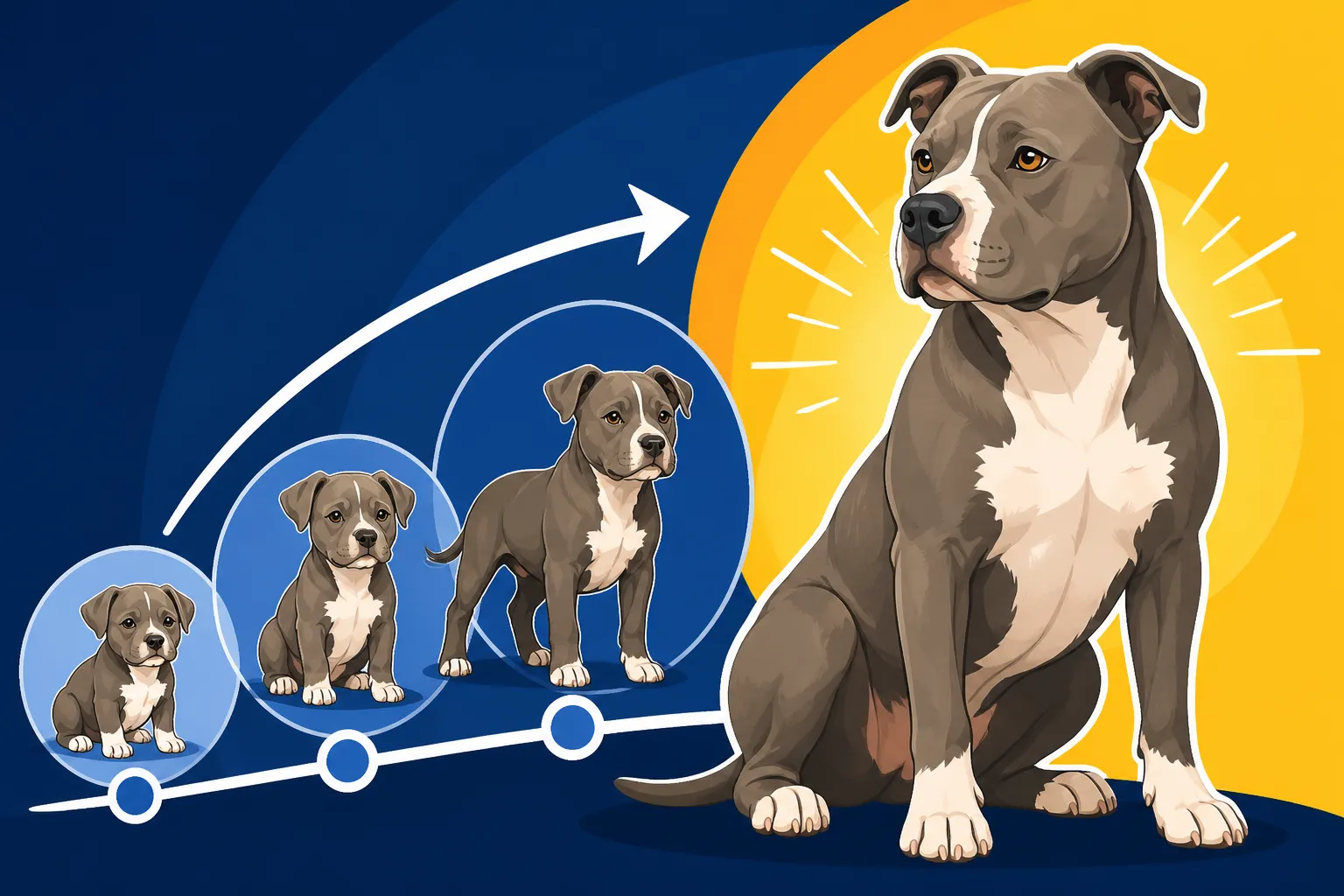
Watching a Pit Bull grow is truly something else. One minute they're a tiny bundle of energy, and the next, they're a solid, muscular dog that hardly fits on your lap anymore. But this growth isn't a straight line; it happens in distinct stages, each with its own set of developmental quirks and needs. Knowing these stages helps you tailor their care to support their changing bodies.
Puppyhood: Rapid Development from Birth to Six Months
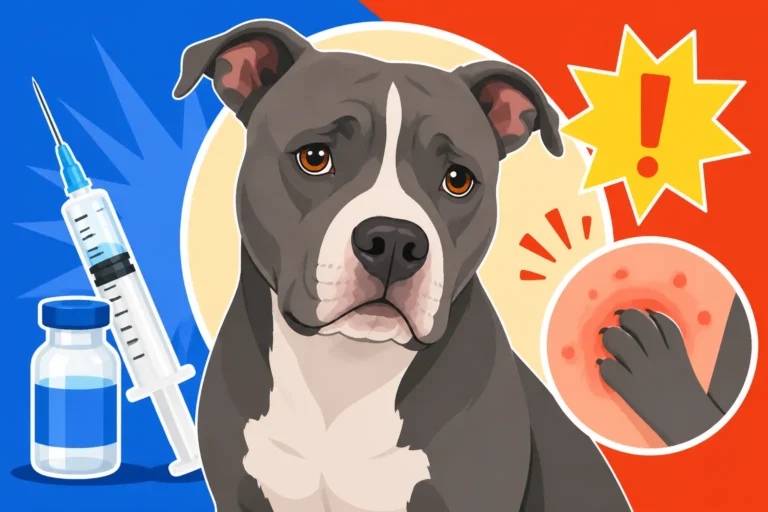
The first few months of a Pit Bull's life are an absolute whirlwind of growth and development. From the moment they’re born, they're laying down the foundation for their entire adult structure. In these early weeks and months, they gain weight and height at an astonishing rate. You'll literally see changes almost daily! Their bones are lengthening, their muscles are starting to develop, and their tiny joints are incredibly vulnerable. This is also when they're getting their first round of important immunizations, like those to protect against conditions such as Pit Bull Puppy Vaccination and Parvovirus.
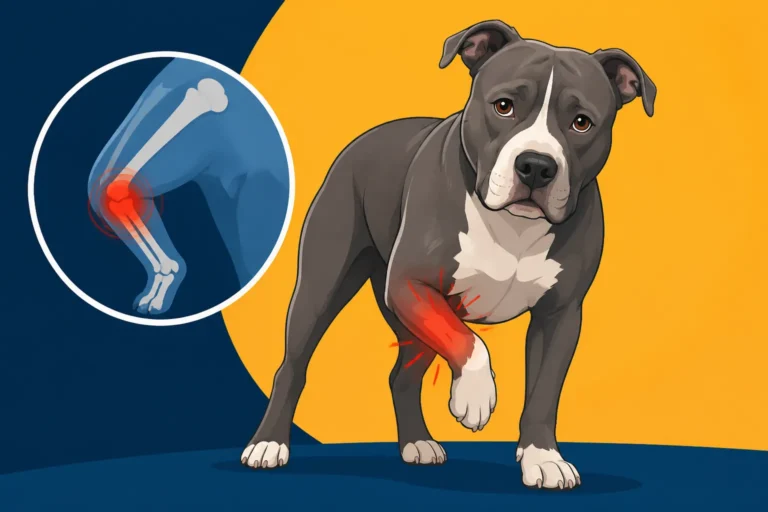
It’s during this crucial window that proper nutrition is paramount. We're talking about food specifically formulated for large breed puppies or all-life-stages food that's balanced for growth. The goal is steady, controlled growth, not hyper-fast bulking up. If a puppy grows too quickly, it can put undue stress on their developing growth plates – the soft, cartilaginous areas at the ends of their long bones where new bone is formed. Damage here can lead to lifelong joint issues. Think of it like building a house: you want a strong, stable foundation, not something rushed that might crack later. Your vet will usually monitor their weight and suggest appropriate feeding amounts, but broadly, feeding a Pit Bull puppy to prevent obesity while ensuring they get all essential nutrients is key for their future health. You can learn more about specific dietary needs in our guide on Feeding a Pit Bull Puppy to Fifty Pounds.
Adolescence: Filling Out and Maturing (Six Months to Eighteen Months)
Once your Pit Bull hits around six months, that breakneck growth speed starts to taper off a bit, but don't be fooled – they are far from done. This adolescent period, stretching from roughly six months to eighteen months, is where they really start to "fill out." While their height might not increase dramatically after about a year, their chest widens, their shoulders broaden, and their musculature becomes much more defined. They start looking less like a lanky teenager and more like the powerful adult dog they're destined to be.
Behaviorally, this is often the "teenage" phase. They might test boundaries, have boundless energy, and sometimes forget all the manners you thought you’d instilled! It’s a challenging time for many owners, but remember, their brains are still developing too, even if their bodies are rapidly changing. For more insights into this tricky period, check out The Pit Bull Teenage Months. Physically, their growth plates are still often open during much of this period, making controlled exercise incredibly important. High-impact activities like aggressive jumping, intense agility, or long, hard runs on pavement should generally be avoided until they are closer to full maturity to protect those vulnerable joints. Instead, focus on moderate walks, swimming, and mental stimulation.
Adulthood: Reaching Full Physical Maturity (Eighteen Months to Two Years)
This is the big answer we’ve been building towards! For most Pit Bulls, true physical maturity is typically reached between eighteen months and two years of age. At this point, their bones have stopped growing, their growth plates have closed, and their adult height and length are pretty much set. However, they might continue to gain a little more muscle mass and fill out slightly more until they are closer to three years old, particularly if they are engaged in consistent strength-building exercise.
It's important to understand that while they might look like an adult at a year old, and certainly have an adult dog's energy and strength, their internal skeletal development is still progressing. Continuing to treat them like a puppy in terms of protecting their joints and providing appropriate nutrition until they hit that two-year mark is a wise approach. For some larger American Bully types that fall under the Pit Bull umbrella, they might even take a little longer, perhaps up to 2.5 or even 3 years, to fully mature, but this is less common for the standard American Pit Bull Terrier or American Staffordshire Terrier.
Factors Influencing a Pit Bull's Growth
While the general timeline for a Pit Bull's growth is usually within the 18-24 month window, several factors can influence how quickly or slowly your individual dog matures, as well as their final size and build. Understanding these can help you manage expectations and provide the best care.
Genetics and Breed Type
The biggest determinant of your Pit Bull's final size and growth rate will always be their genetics. Just like in people, some dogs are simply predisposed to be larger or smaller based on their lineage. Since "Pit Bull" is an umbrella term encompassing several distinct breeds like the American Pit Bull Terrier (APBT), American Staffordshire Terrier (AmStaff), and Staffordshire Bull Terrier, plus countless mixes, there's a good deal of variation. A Staffordshire Bull Terrier, for instance, is a much smaller dog and will reach maturity earlier than an APBT or AmStaff, which are typically larger and more muscular.
If you have a mixed-breed Pit Bull, their other contributing breeds will also play a significant role. A Pit Bull-Labrador mix, for example, might have a different growth curve than a Pit Bull-Boxer mix. Sometimes, the only way to truly understand a mixed-breed dog's genetic makeup is through DNA testing. A Which DNA Panel Tells You If It Is a Pit Bull can offer insights into their ancestral breeds, which in turn gives you a better idea of their potential adult size and health predispositions. Knowing if your dog has significant percentages of a larger, slower-maturing breed, or perhaps a smaller, faster-maturing breed, can help you adjust your expectations for their growth timeline.
Nutrition and Exercise Regimen
The fuel you put into your Pit Bull during their growth phases, and how you allow them to expend their energy, are incredibly impactful. A high-quality diet, appropriate for their life stage, is non-negotiable. Overfeeding a growing puppy is a common mistake. While it might seem like you’re helping them grow big and strong, excess calories can lead to rapid weight gain, putting unnecessary strain on their developing joints and potentially contributing to conditions like Pit Bull Hip Dysplasia Showing at One to Two Years later in life. We want them lean and healthy, not chunky.
Equally important is a balanced exercise routine. Young Pit Bulls have energy for days, but too much strenuous, high-impact activity can be detrimental to their still-forming joints. This doesn't mean no exercise! It means controlled, age-appropriate exercise. Think structured walks, playtime in a soft yard, and mental games rather than long-distance running or competitive jumping until they are fully grown. Our guide on How Hard a Growing Pit Bull Should Work offers more detailed advice on this balance. Ensuring they get enough, but not too much, can mean the difference between strong, healthy joints and potential issues down the line that could be costly to treat, even with good pet insurance like Healthy Paws.
Spay/Neuter Timing
The timing of spaying or neutering your Pit Bull can also have a subtle, yet significant, impact on their skeletal development. Studies suggest that sexually intact dogs, or those spayed/neutered later in life, tend to grow larger and mature more slowly than those altered at a very young age (e.g., before six months). This is because sex hormones play a role in the closure of growth plates. When these hormones are removed too early, the growth plates can remain open longer, leading to dogs with longer limbs and a lankier appearance.
While a "taller" dog might seem harmless, this altered growth can sometimes affect joint health and increase the risk of certain orthopedic issues like cruciate ligament tears or hip dysplasia later in life. This is why many veterinarians and breed experts now recommend waiting until a Pit Bull is closer to or past full maturity (often 12-18 months, or even later for males of larger breeds) before spaying or neutering. This allows their bones and joints to fully develop under the influence of natural hormones. It's a complex decision with pros and cons, and something worth discussing thoroughly with your vet. You can delve deeper into this topic in our article on When to Neuter a Pit Bull Without Costing Joints.
Recognizing When Your Pit Bull is Fully Grown
Knowing the general timelines and influencing factors is one thing, but how do you actually tell when your unique Pit Bull has reached the finish line of their physical growth? It’s not always as simple as hitting a certain birthday, but there are clear physical and subtle behavioral indicators.
Physical Indicators of Maturity
The most obvious sign that your Pit Bull is reaching full physical maturity is the stabilization of their height and weight. You'll notice that those weekly growth spurts become less frequent, then eventually stop. You might still see slight weight fluctuations, but these will be due to changes in diet or activity level rather than continued skeletal growth. At this point, their adult weight should typically fall within the expected range for their specific breed type, usually between 30 and 60 pounds for most American Pit Bull Terriers and American Staffordshire Terriers, though some can be larger.
Beyond height and weight, look at their overall body shape. Their chest will have fully broadened and deepened, and their shoulders will be well-defined and muscular. The "gangly" look of adolescence gives way to a more compact, powerful, and proportional physique. Their head, which might have seemed a bit small for their body as a pup, will now be in proportion, showing off that distinctive blocky or wedge shape. It's also a good time to start really monitoring their body condition. It can be tricky to tell muscle from fat on a Pit Bull, but learning to feel their ribs and observe their waistline can give you a better idea of their ideal weight. Our guide on Reading Pit Bull Body Condition Under Muscle offers valuable tips for this.
Behavioral Maturity vs. Physical Growth
Here's where it gets interesting: while your Pit Bull might be physically mature by 18-24 months, their mental and emotional maturity often takes longer. It's not uncommon for Pit Bulls to act like oversized puppies well into their second or even third year. They might retain a playful, sometimes goofy, energy, and still have moments of puppy-like impulsiveness.
This extended period of behavioral maturation means that consistent training and socialization remain incredibly important long after their bones have stopped growing. Don't assume that just because they're physically an adult, they no longer need guidance or mental stimulation. In fact, for a breed with their intelligence and drive, ongoing training is crucial to prevent boredom and ensure they remain well-mannered companions. They may still experience what many owners call "the zoomies" or bouts of intense energy, but with proper mental stimulation and exercise, these typically become more manageable as they truly mature.
Adjusting Care for a Maturing Pit Bull
As your Pit Bull transitions from a growing adolescent to a fully-fledged adult, your care routine will need to evolve. What worked for a puppy might not be ideal for a mature, powerful dog. These adjustments are key to ensuring their continued health, happiness, and longevity.
Transitioning from Puppy to Adult Food
Once your Pit Bull reaches that 18-24 month mark and their growth plates are closed, it's time to transition them from puppy or all-life-stages food to a high-quality adult dog food. This switch is important because adult formulas are typically lower in calories and sometimes lower in protein, which helps prevent overfeeding and unnecessary weight gain in a dog whose growth has ceased. Puppy foods are designed for rapid development, and continuing them too long can contribute to Pit Bull Obesity and Joint Strain.
The transition should be gradual, typically over 7-10 days, slowly mixing increasing amounts of the new food with decreasing amounts of the old. Always monitor their weight and body condition closely. Even a few extra pounds on a muscular Pit Bull can put undue stress on their joints over time. The caloric needs of an adult Pit Bull will depend on their activity level, but generally, you'll be aiming for a specific calorie target to maintain a lean, athletic build. Our article on The Calorie Target for a Lean Pit Bull can provide more specific guidance on this.
Evolving Exercise Needs and Joint Health
With a physically mature Pit Bull, you can (and should!) ramp up their exercise routine. Their joints are now fully formed, and they are ready for more strenuous activity. This is the time for longer runs, more intense games of fetch, hiking, or even exploring dog sports like weight pull or advanced obedience. Pit Bulls are powerful, athletic dogs, and they thrive on regular, vigorous exercise that challenges both their bodies and minds.
However, even with mature joints, proactive care is still important for a breed known for its athleticism and power. Consider incorporating joint-supporting supplements containing ingredients like glucosamine and chondroitin into their diet, especially if they are very active or as they approach middle age. Regular veterinary check-ups are also crucial to monitor their joint health and catch any issues early. Unexpected joint injuries or chronic conditions can lead to significant veterinary bills, which is where having comprehensive pet insurance, such as a plan from Healthy Paws, can provide immense peace of mind and help you afford the best possible care without financial stress. Learn more about preventing and managing issues in our guide on Pit Bull Joint and Ligament Injuries.
Ongoing Training and Mental Stimulation
Remember how we talked about behavioral maturity lagging behind physical maturity? This means that training isn't a "one and done" deal with a Pit Bull. They are intelligent, eager-to-please dogs, but they also benefit immensely from continuous learning and mental challenges throughout their lives. This can involve practicing obedience commands, learning new tricks, engaging in scent work, or participating in advanced training classes.
Ongoing mental stimulation is just as important as physical exercise for a Pit Bull. A bored Pit Bull is often a destructive Pit Bull! Puzzle toys, enrichment activities, and consistent engagement with their owners can prevent undesirable behaviors and keep their minds sharp. Pit Bulls, unfortunately, often face unfair stereotypes, which makes their exemplary behavior in public even more vital. Continuing to train them to a high standard, focusing on excellent leash manners, recall, and polite greetings, will ensure they are wonderful ambassadors for their breed. Our article, Training a Pit Bull to a Higher Standard Than Other Dogs, elaborates on the importance of this lifelong commitment.
Pit Bull Growth Milestones Table
To give you a quick overview of what to expect at different stages, here’s a simplified table outlining typical Pit Bull growth milestones:
| Age Range | Physical Development Focus | Exercise & Nutrition Considerations | General Behavioral Tendencies |
|---|---|---|---|
| 0-6 Months | Rapid height & weight gain, bone lengthening | Puppy food, controlled growth, low-impact exercise | High energy, puppy biting, critical socialization window |
| 6-12 Months | Height slows, filling out, muscle development | Continued puppy/all-life-stages food, moderate exercise | Adolescent testing boundaries, increased energy, some focus loss |
| 12-18 Months | Nearing adult height, significant muscle gain | Transition to adult food, moderate to increasing exercise | Improving focus, bursts of energy, still mentally maturing |
| 18-24 Months | Full physical maturity (bones, height) | Adult food, regular vigorous exercise, weight management | Settling into adult temperament, continued learning capacity |
| 2-3 Years | Continued muscle definition, full body mass | Adult food, consistent exercise, joint support consideration | Emotional maturity often fully established, reliable temperaments |
This table provides a general guideline, but every Pit Bull is an individual. Observe your dog, consult with your veterinarian, and tailor their care to their unique needs and development.
Disclaimer
The information provided in this article is for general informational purposes only and does not constitute veterinary advice. Always consult with a qualified veterinarian for any health concerns or before making any decisions about your Pit Bull's diet, exercise, or medical care. Individual dogs may vary in their growth patterns and health needs.