What a Pit Bull Costs Across Its Whole Life
Bringing a Pit Bull into your life is an incredibly rewarding experience, but let's be honest, the financial commitment can feel like navigating a maze blindfolded. Many folks focus solely on the initial adoption fee or puppy price, only to be surprised by the ongoing, cumulative expenses that truly add up over their lifetime. This comprehensive guide aims to shine a realistic light on the true cost of raising a Pit Bull from puppyhood through their golden years, helping you budget wisely for a long, happy life together.
The Initial Investment: More Than Just the Adoption Fee
When you first decide to welcome a Pit Bull into your home, it’s easy to get caught up in the excitement. But before the leash is purchased and the toys are scattered, there are significant upfront costs that need careful consideration. These aren't just one-time fees; they lay the foundation for your dog's health and happiness for years to come.
Adoption Versus Breeder Costs
The path you choose to acquire your Pit Bull will significantly impact your initial outlay. Opting for a rescue or shelter often presents a more budget-friendly entry point, though "budget-friendly" doesn't mean "free." Shelters usually charge an adoption fee, which typically ranges from $150 to $500, depending on the organization and the dog's age. The fantastic upside here is that these fees almost always include crucial veterinary care: your new family member will likely be spayed or neutered, up-to-date on core vaccinations, microchipped, and may have even had an initial health check. This means you're already saving hundreds of dollars on procedures you’d otherwise have to pay for out of pocket almost immediately. For more details on what these fees cover, check out our guide on Pit Bull Adoption Fees at a Shelter.
On the other hand, if you're set on a specific lineage or want a purebred American Pit Bull Terrier, American Staffordshire Terrier, or Staffordshire Bull Terrier from a breeder, expect a much higher initial cost. Reputable breeders invest heavily in the health and genetics of their breeding stock, performing extensive health screenings for conditions common in the breed, such as hip and elbow dysplasia, cardiac issues, and even genetic neurological disorders. This meticulous approach means puppy prices can easily range from $800 to $2,500, or even more for show-quality lines. While this seems steep, choosing a responsible breeder who can provide transparent health records and proof of What Testing a Pit Bull Breeder Should Have Done can actually save you a fortune in potential vet bills down the line, by reducing the risk of inheriting serious health problems.
Essential Gear and Home Setup
Once your Pit Bull is on their way home, you’ll need to ensure your living space is ready and safe. A sturdy crate is non-negotiable for crate training, especially for a powerful breed like a Pit Bull. They are incredibly strong, and a flimsy crate won't just be ineffective; it could be dangerous if your dog manages to break out and injure themselves. Look for heavy-duty metal crates designed for larger, stronger breeds. Along with the crate, you’ll need a durable bed, ideally one with chew-resistant properties. Basic supplies like food and water bowls, an initial bag of high-quality puppy or adult food, and a selection of appropriate toys are also crucial.
Beyond the home, you’ll need reliable walking equipment. A strong, well-fitting collar, a durable leash, and potentially a front-clip harness or head halter are essential for safe walks. Pit Bulls are known for their strength and enthusiasm, so gear that helps manage pulling effectively is vital, especially while they are still learning their leash manners. Our article on Pit Bull Crates, Harnesses and Chew-Proof Gear offers some excellent recommendations. Don't forget grooming essentials like a soft brush for their short coat, dog-specific shampoo, and nail clippers. Lastly, even if your adopted Pit Bull has had an initial check, scheduling a "well-puppy" or "well-adult" check-up with your own chosen veterinarian within the first week or two is important. This establishes them as a patient and allows your vet to get a baseline assessment of their health.
Ongoing Annual Expenses: The Regular Budget Line Items
The initial costs are just the beginning. Owning a Pit Bull means committing to a steady stream of recurring expenses that will be part of your budget for their entire life. These aren't optional luxuries; they are fundamental to your dog's health, happiness, and your peace of mind.
Food and Nutrition
Pit Bulls are athletic, muscular dogs, and their diet plays a massive role in maintaining their physique and overall health. They require a high-quality, protein-rich diet to support their lean muscle mass and energy levels. The type of food you choose can dramatically affect your monthly spending. Premium kibble brands might cost anywhere from $40 to $80 per month, while higher-end options, such as fresh food delivery services like Ollie, can easily run $80 to $150+ per month, depending on your dog's size and activity level. Remember that Pit Bulls can also be prone to food sensitivities or allergies, which may necessitate specialized, often more expensive, limited-ingredient or prescription diets. This can significantly increase your monthly food budget.
Portion control is absolutely key. It’s easy to overfeed a dog, especially one with a strong appetite, leading to unwanted weight gain. Obesity in a muscular breed like a Pit Bull can put undue strain on their joints and increase the risk of other health issues. For guidance, our article on Feeding a Muscular Fifty Pound Pit Bull can help you understand the caloric needs for a lean, healthy Pit Bull. Don't forget to factor in treats! Whether for training rewards or just happy-time snacks, treats are a constant expense. Buying in bulk from online retailers like Chewy can sometimes offer savings on both food and treats.
Routine Veterinary Care and Preventatives
Even a perfectly healthy Pit Bull needs regular veterinary attention to stay that way. Annual wellness exams are crucial for catching potential issues early. These visits typically include a physical examination, often updated vaccinations (after their initial puppy series), and sometimes routine fecal parasite checks. Expect to pay between $100 and $300 for a standard annual check-up, not including any additional tests or medications.
Beyond yearly exams, year-round parasite prevention is an absolute must. Heartworm disease, fleas, and ticks pose serious health threats and require consistent protection. These preventatives can be purchased as monthly chewables, topical applications, or longer-lasting injectables, costing anywhere from $20 to $60 per month, depending on the specific products and your dog's weight. For more information on dosing and options, refer to our guide on Preventives Dosed at Pit Bull Weight. Dental care is another often-overlooked area. Pit Bulls love to chew, and while this can help keep teeth clean, they are still susceptible to tartar buildup and dental disease. Regular at-home brushing is ideal, but professional dental cleanings under anesthesia, which typically cost $500 to $1,000+, are often needed every few years, especially as your dog ages. You can learn more about managing this common issue in Pit Bull Dental Disease and Hard Chewing.
Training, Socialization, and Enrichment
Training is not a one-time event; it's an ongoing commitment, especially with a Pit Bull. Due to their physical strength and sometimes undeserved reputation, Pit Bulls often face a higher standard of public scrutiny. Investing in quality training is not just for your convenience; it's a critical component of responsible ownership. Puppy classes, which teach basic obedience and crucial socialization skills, can range from $150 to $300 for a series of sessions. As they grow, you might consider intermediate or advanced obedience classes, private training sessions for specific behavioral challenges, or even Canine Good Citizen (CGC) certification, which can cost another few hundred dollars. Our article on Class and Trainer Costs for a Pit Bull Puppy provides a deeper dive into these expenses.
Ongoing socialization is equally vital, particularly for managing natural tendencies like Pit Bull Dog Selectivity and Multi-Dog Homes. This might involve regular supervised playdates, controlled exposure to new environments, or specific desensitization exercises, all of which take time and, in some cases, professional guidance. Furthermore, Pit Bulls are intelligent and active dogs that need mental and physical enrichment to prevent boredom and destructive behaviors. This means a steady supply of durable chew toys, puzzle feeders, and engaging activities. While toys might seem like a small expense, a Pit Bull's powerful jaws can make short work of many, leading to frequent replacements. Budgeting for high-quality, long-lasting enrichment items is a wise investment to protect your furniture and sanity!
Health Challenges: Preparing for the Unexpected
Even with the best preventative care and nutrition, health issues can arise, and some breeds are predisposed to certain conditions. For Pit Bulls, understanding these potential health challenges is key to realistic financial planning. These costs are often the most unpredictable and can be the most substantial.
Managing Chronic Conditions
One of the most common and often frustrating health issues in Pit Bulls is skin allergies. Many Pit Bulls suffer from environmental allergies (atopy) or food sensitivities, leading to relentless itching, skin infections, and ear problems. Managing these conditions can involve a multi-pronged approach and can be incredibly costly over a dog's lifetime. Diagnostic testing, such as allergy testing or food trials, can cost several hundred dollars. Treatment often includes expensive prescription medications like Apoquel or Cytopoint, specialized medicated shampoos, and potentially long-term prescription diets. These costs aren't one-off; they are recurring, adding hundreds, if not thousands, to your annual vet bills. We explore this in detail in Pit Bull Skin Allergies and the Atopy Pattern and also in Pit Bull Allergy Treatment as a Recurring Bill.
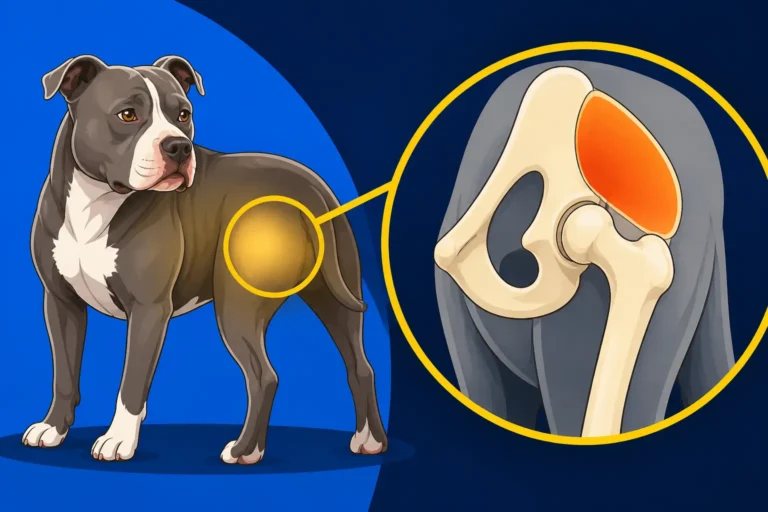
Joint problems are another significant concern for powerful, athletic breeds like Pit Bulls. They can be prone to hip and elbow dysplasia, which can manifest as early as one to two years of age. Diagnosing these conditions typically requires X-rays and consultations with orthopedic specialists, which can cost $300 to $800. If surgery is recommended, such as a total hip replacement or various procedures to address elbow dysplasia, the costs can skyrocket to $4,000 to $8,000 per joint. Additionally, Pit Bulls are susceptible to cruciate ligament tears, especially given their active lifestyles. A torn cruciate ligament in a muscular dog often requires surgical repair, with procedures like TPLO or TTA ranging from $3,000 to $6,000 per knee. Our articles on Pit Bull Hip Dysplasia Showing at One to Two Years and Cruciate Ligament Tears in a Muscular Pit Bull delve deeper into these specific issues.
Emergency Situations and Accidents
Life with a dog, especially an active one, inevitably brings the risk of unforeseen accidents or sudden illnesses. A Pit Bull might ingest something they shouldn't, get into a scuffle at the dog park, suffer an injury while playing, or develop a sudden, severe illness. Emergency veterinary visits are almost always more expensive than regular appointments, and the diagnostics and treatments required can quickly escalate. A single emergency visit, for something as common as an upset stomach requiring IV fluids and medication, can easily cost $500 to $1,500. For more serious issues like a broken bone or surgery to remove a swallowed foreign object, you could be looking at bills of $2,000 to $5,000 or more.
While not as commonly associated with Pit Bulls as some other deep-chested breeds, bloat (Gastric Dilatation-Volvulus, or GDV) is a life-threatening emergency that can strike any large dog. It involves the stomach twisting, cutting off blood supply, and requires immediate, expensive surgery. Understanding Why a Pit Bull Chest Raises Bloat Risk is important for any owner. The cost of emergency bloat surgery and intensive post-operative care can range from $3,000 to $7,000. These kinds of unexpected, high-cost situations are where having a financial safety net, whether through savings or pet insurance, truly makes a difference.
Insurance, Housing, and Legal Considerations
Owning a Pit Bull often comes with a unique set of challenges related to insurance and housing that owners of other breeds might not encounter. These factors can significantly impact your overall cost of ownership and your peace of mind.
Pet Insurance and Breed Exclusions
Pet insurance is one of the best ways to mitigate the financial shock of unexpected veterinary bills, especially for a breed prone to common issues like allergies and joint problems. Policies typically cover accidents, illnesses, surgeries, medications, and sometimes even wellness care, depending on the plan. Monthly premiums for a Pit Bull can range from $30 to $80, but the peace of mind knowing you can say "yes" to necessary treatment without crippling debt is invaluable. Many companies, such as Healthy Paws, offer various deductible and reimbursement options, allowing you to tailor a plan to your budget.
However, it's crucial to understand that Pit Bull Pet Insurance and Breed Exclusions can be a real hurdle. While many progressive insurers are moving away from breed-specific restrictions, some still have them or charge higher premiums for Pit Bull-type dogs. Always read the fine print and compare policies carefully. Most importantly, pet insurance operates like human health insurance regarding pre-existing conditions: if your Pit Bull develops a chronic condition before you enroll them, it likely won't be covered. Therefore, getting a policy as early as possible, ideally when they are a healthy puppy, is the smartest financial move.
Housing, Renters, and Homeowners Insurance
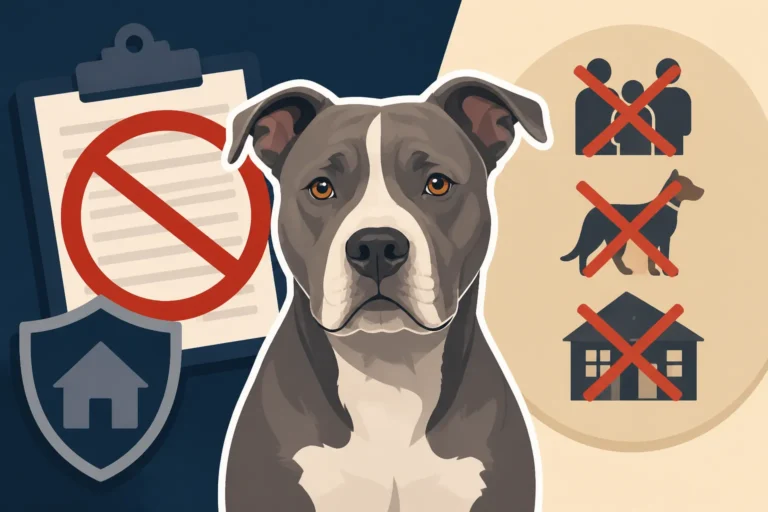
Finding suitable housing can be a significant challenge for Pit Bull owners. Many apartment complexes, HOAs, and rental properties have breed restrictions that specifically target Pit Bulls or "Pit Bull-type" dogs, regardless of the individual dog's temperament or training. This can severely limit your housing options and might force you to choose more expensive rentals or purchase a home where such restrictions aren't an issue. Beyond the monthly rent, many landlords will also require a non-refundable pet deposit or increased monthly pet rent, adding another $25 to $100+ to your housing costs each month. Our guide on Finding a Rental That Takes a Pit Bull offers strategies to navigate these difficulties.
Even if you own your home, your homeowners insurance policy can be affected. Many insurance carriers maintain "dangerous dog lists" that include Pit Bulls, leading to higher premiums, breed exclusions, or even outright denial of coverage. This can leave you scrambling to find a specialty insurer, which often comes with a higher price tag. It's imperative to disclose your dog's breed to your insurance provider to avoid having a claim denied if an incident occurs. For more information on this complex topic, refer to Getting Home Insurance With a Pit Bull and Renters Insurance That Accepts a Pit Bull. Adequate liability coverage is also paramount; even a perfectly behaved Pit Bull can have an unexpected incident, and being financially prepared for that possibility is a crucial part of responsible ownership.
The Often Overlooked and Senior Care Costs
Beyond the routine and the major health crises, there are numerous smaller expenses that nibble away at your budget over time, plus the inevitable costs associated with a Pit Bull's golden years. These are the costs that often surprise new owners.
Boarding, Travel, and Professional Care
Life happens, and sometimes you need to travel without your dog, or perhaps your work schedule requires regular daycare. Boarding kennels, pet sitters, or dog daycare facilities can be expensive, ranging from $25 to $75 per day or more, depending on your location and the services provided. Many facilities also have breed restrictions or require specific temperament tests, which can further limit your options or add to the upfront cost. If you travel frequently, these costs can quickly add up to hundreds or even thousands of dollars annually.
While Pit Bulls have relatively low-maintenance coats, they still need basic grooming. This includes regular nail trims (which can be a challenge with strong, thick nails), occasional baths, and ear cleanings. While many owners handle these tasks themselves, if you opt for professional grooming services, you'll incur costs of $30 to $70 per session. For those with dogs prone to ear infections, proper and consistent ear cleaning is vital. Our guide on Cleaning a Pit Bull Ear Properly offers practical advice. Then there are the "fun" extras: new toys, seasonal bandanas, a warm jacket for winter walks in colder climates, or even specialty chews. These might seem small individually, but they contribute to the overall cost of providing a fulfilling life for your Pit Bull.
Senior Pit Bull Care and End-of-Life Planning
As your Pit Bull enters their senior years, typically around age seven or eight, their needs – and associated costs – will inevitably shift and often increase. Just like humans, older dogs are more susceptible to age-related ailments. Arthritis is extremely common, requiring ongoing pain management medications, joint supplements, or even alternative therapies like acupuncture or hydrotherapy, all of which come with a price tag. Our article on Arthritis in a Pit Bull at Seven explores this further. You might also notice a decline in vision or hearing, or signs of canine cognitive dysfunction, which can necessitate more frequent vet visits, specialized diets, and changes to your home environment. Many senior Pit Bulls benefit from ramps to navigate stairs or get onto furniture, and orthopedic beds become a necessity for comfort. Regular bloodwork and diagnostic screenings become more frequent to monitor organ function, costing several hundred dollars annually. All of these contribute to the specialized care outlined in Caring for a Pit Bull in Its Second Decade.
The hardest, but necessary, part of pet ownership is confronting end-of-life decisions. When the time comes, there are costs associated with euthanasia, whether performed at a veterinary clinic or in the comfort of your home. Cremation services (private or communal), urns, and memorial items also contribute to the final expenses, often ranging from $200 to $800 or more. While it's a somber topic, understanding these potential costs allows you to plan emotionally and financially for what is, unfortunately, an inevitable part of a pet's life. We delve into this difficult topic in The Hardest Call a Pit Bull Owner Makes.
Budgeting for a Lifetime of Pit Bull Love
Given the wide range of potential expenses, it's clear that owning a Pit Bull is a significant financial commitment. But with careful planning and realistic expectations, you can ensure your beloved companion receives the best care possible without causing undue stress on your finances.
Creating a Realistic Financial Plan
The first step is to create a detailed budget. Break down all potential expenses into initial, monthly, and annual categories, and then factor in a contingency fund for unexpected costs. Consider the table below for a general overview, keeping in mind that actual costs will vary based on your location, lifestyle, and your dog's individual needs.
| Category | Estimated Annual Cost (Low) | Estimated Annual Cost (High) | Notes |
|---|---|---|---|
| Food & Treats | $400 | $1,000 | Varies with diet type (kibble vs. fresh) and size |
| Vet & Preventatives | $300 | $800 | Routine check-ups, vaccinations, flea/heartworm |
| Pet Insurance | $360 | $960 | Varies by age, coverage, and breed exclusions |
| Training/Enrichment | $100 | $500 | Puppy classes, ongoing training, toys, puzzle feeders |
| Grooming/Supplies | $50 | $200 | Shampoo, brush, nail trims, occasional professional grooming |
| Miscellaneous | $100 | $400 | Boarding, pet sitting, unexpected minor costs |
| Total Annual Avg. | $1,310 | $3,860 | Excludes major emergency/surgery costs or chronic illness management. |
Beyond the average, it's wise to set aside money specifically for your Pit Bull. Consider opening a dedicated "pet fund" savings account and depositing a fixed amount each month. Even $50-$100 consistently saved can build up a substantial buffer over time. Look for ways to save without compromising quality of care: buying food and preventatives in bulk from reputable online retailers like Chewy can sometimes offer discounts, and learning basic grooming skills (like nail trims and ear cleaning) at home can reduce professional service costs. Remember, this financial plan isn't about cutting corners; it's about being prepared to provide the best possible life for your furry family member.
Understanding the Long-Term Commitment
Pit Bulls are robust dogs with a relatively long lifespan, often living Pit Bull Lifespan Across Twelve to Sixteen Years. This means you're not just budgeting for a year or two, but for over a decade of care. A lifetime cost estimate, conservatively ranging from $15,000 to $35,000+, depending on health and lifestyle factors, might seem daunting. However, breaking it down into manageable monthly and annual chunks makes it much more achievable.
The financial commitment is an investment, not just in a pet, but in a loyal companion who will bring immeasurable joy, laughter, and unconditional love into your life. While the costs can be substantial, they are directly tied to providing a good quality of life, comprehensive healthcare, and engaging activities for your Pit Bull. Being financially prepared reduces stress during critical moments, allowing you to focus on your dog's well-being rather than worrying about the bill. The love and companionship a Pit Bull offers are truly priceless, and with careful planning, you can ensure you're ready to provide them with everything they need, every step of the way.
Disclaimer
Please remember that this guide provides general information and estimated costs. Actual expenses can vary significantly based on your location, specific veterinarian fees, the individual health needs of your Pit Bull, and your chosen lifestyle. It is always recommended to consult with your veterinarian and financial advisor for personalized advice.